Introduction
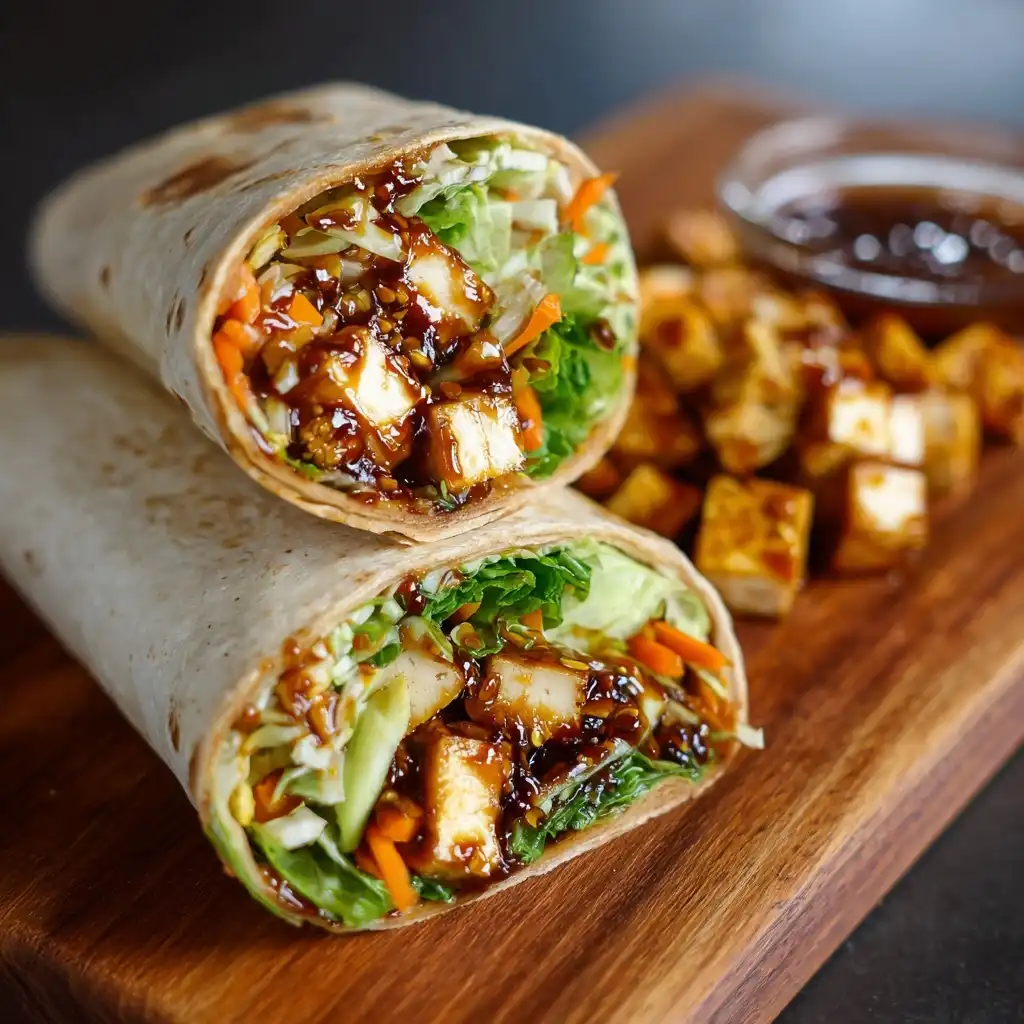
Welcome to the ultimate guide for crafting a delicious, nutritious, and deeply satisfying Teriyaki Tofu Wrap—a vibrant fusion of Japanese umami and modern plant-based convenience. This isn’t just another lunchbox staple; it’s a thoughtfully balanced, restaurant-worthy handheld meal that delivers bold flavor, tender-crisp texture, and wholesome nourishment in every bite. Whether you’re a seasoned vegan cook, a busy professional seeking 20-minute weeknight magic, or someone simply curious about expanding your tofu repertoire beyond stir-fries, this wrap bridges tradition and innovation with ease. Packed with marinated, pan-seared tofu, crisp fresh vegetables, creamy avocado, and a glossy, aromatic teriyaki glaze wrapped snugly in a soft whole-grain or gluten-free tortilla, it’s a meal that satisfies cravings while honoring clean eating principles—no compromise on taste, texture, or integrity.
The History
The Teriyaki Tofu Wrap is a quintessential example of culinary globalization—born from centuries-old Japanese techniques meeting contemporary Western food culture. Teriyaki, derived from the Japanese words teri (luster or shine) and yaki (grill or broil), dates back to the Edo period (1603–1868), when fish and later meats were glazed with a sweet-savory soy-based sauce and grilled over charcoal for caramelized depth and glossy sheen. While traditionally reserved for proteins like salmon, chicken, or beef, tofu—Japan’s ancient gift to global vegetarian cuisine—has long been embraced in home kitchens and izakayas alike for its exceptional ability to absorb complex flavors. The “wrap” format, however, is a distinctly North American innovation: emerging alongside the rise of fast-casual dining in the 1990s and propelled by demand for portable, customizable, and nutrient-dense meals. Chefs and home cooks began reimagining Asian-inspired fillings inside soft flatbreads—first with bulgur and falafel, then with Korean BBQ jackfruit, and eventually, teriyaki-glazed tofu. By the mid-2010s, food blogs, vegan influencers, and meal-prep communities elevated the Teriyaki Tofu Wrap into a cultural mainstay—symbolizing mindfulness, adaptability, and the joyful marriage of heritage and hustle.
Ingredients Breakdown
Every element in this wrap plays a purposeful role—balancing flavor profiles, textures, colors, and nutritional density. Let’s explore each component in detail:
- Firm or Extra-Firm Organic Tofu: The foundation. Pressed to remove excess water, it develops a dense, chewy-yet-tender bite that readily absorbs marinade. Organic ensures no GMO soy and cleaner agricultural practices.
- Homemade Teriyaki Sauce: Far superior to store-bought versions (which often contain high-fructose corn syrup, artificial colors, and excessive sodium). Our version uses low-sodium tamari or coconut aminos (for gluten-free), real maple syrup or brown rice syrup (unrefined sweetness), toasted sesame oil (nutty aroma), fresh grated ginger (bright heat), and minced garlic (pungent depth). Simmered to reduce and thicken, it achieves that signature lacquered finish without cornstarch or preservatives.
- Whole-Grain or Sprouted Grain Tortillas: Chosen for fiber, B-vitamins, and slow-digesting complex carbohydrates. Sprouted varieties enhance bioavailability of minerals like iron and zinc—critical for plant-based eaters. Gluten-free options (made from brown rice, teff, or cassava flour) maintain structural integrity without gumminess when warmed properly.
- Crunchy Vegetable Medley: A dynamic trio—shredded purple cabbage (anthocyanin-rich antioxidants and peppery crunch), matchstick carrots (beta-carotene and subtle sweetness), and thinly sliced English cucumber (cooling hydration and enzymatic freshness). Optional additions include julienned bell peppers (vitamin C), scallions (prebiotic fiber), or daikon radish (digestive enzymes).
- Creamy Elements: Ripe Hass avocado (monounsaturated fats + potassium) and optional additions like cashew-based “sriracha mayo” (soaked raw cashews, lime juice, chipotle, and fermented hot sauce) or tahini-miso drizzle (calcium + gut-supportive probiotics).
- Aromatic Garnishes: Toasted white or black sesame seeds (calcium & lignans), nori strips (iodine + umami), micro cilantro or shiso leaves (polyphenol powerhouses), and a final mist of yuzu or rice vinegar spray (brightness to cut richness).
Step-by-Step Recipe
- Press the Tofu (15–30 minutes, ideally ahead): Remove tofu from packaging and drain. Wrap tightly in several layers of clean kitchen towels or paper towels. Place on a plate and top with a heavy object—a cast-iron skillet, stacked books, or a tofu press. Let sit to extract excess moisture—this step is non-negotiable for optimal texture and marinade absorption.
- Prepare the Teriyaki Marinade (5 minutes): In a small saucepan, combine ¼ cup low-sodium tamari, 2 tbsp pure maple syrup, 1 tbsp toasted sesame oil, 1 tbsp rice vinegar, 1 tsp grated fresh ginger, 2 finely minced garlic cloves, and ½ tsp ground white pepper. Whisk well and bring to a gentle simmer over medium-low heat. Reduce for 4–5 minutes until slightly thickened and glossy. Remove from heat and cool slightly.
- Marinate the Tofu (Minimum 20 minutes, up to 24 hours): Cut pressed tofu into ½-inch thick slabs or 1-inch cubes. Place in a shallow dish and pour cooled teriyaki sauce over evenly. Gently flip to coat all sides. Marinate at room temperature for 20 minutes for quick prep—or refrigerate covered for deeper flavor infusion (ideal for meal prep).
- Cook the Tofu (8–10 minutes): Heat 1 tbsp neutral oil (avocado or grapeseed) in a non-stick or well-seasoned cast-iron skillet over medium-high heat. Remove tofu from marinade (reserve marinade!) and pat dry lightly with paper towel. Sear tofu undisturbed for 3–4 minutes per side until golden-brown and slightly crisp. For extra caramelization, brush reserved marinade onto tofu during the last 1–2 minutes of cooking—watch closely to avoid burning.
- Warm & Prep Tortillas (2 minutes): Lightly toast tortillas in a dry skillet for 20 seconds per side until pliable and fragrant—or wrap in damp parchment and microwave for 15 seconds. This prevents tearing during assembly.
- Assemble with Intention (3 minutes): Lay tortilla flat. Spread a thin layer of mashed avocado or cashew cream down the center third. Layer warm teriyaki tofu horizontally across the middle. Top generously with cabbage, carrots, cucumber, and any additional veggies. Drizzle with extra teriyaki glaze (reduced further if desired), sprinkle with sesame seeds and nori, and finish with fresh herbs.
- Wrap Like a Pro (1 minute): Fold bottom flap up over filling, fold in both sides snugly, then roll forward tightly—applying gentle pressure to seal. For carry-friendly portability, wrap snugly in parchment paper, then foil or reusable beeswax wrap. Slice diagonally just before serving for visual appeal.
Tips
- Pressing Matters—But Time-Saving Alternatives Exist: No tofu press? Use a plate lined with paper towels, place tofu on top, cover with more towels, and stack heavy cans (like beans or tomatoes) for 15 minutes. For ultra-fast prep: freeze tofu overnight, thaw, then squeeze—its porous structure holds marinade like a sponge.
- Control the Glaze: If your teriyaki reduces too much and becomes sticky or bitter, whisk in 1 tsp warm water or mirin to loosen. Conversely, if too thin, simmer 1–2 minutes longer—glaze should coat the back of a spoon.
- Texture Contrast Is Key: Never skip the raw veg crunch—it balances the soft tofu and tender tortilla. For extra zing, quick-pickle carrots or cabbage in rice vinegar, sugar, and salt for 10 minutes before use.
- Prevent Soggy Wraps: Always pat tofu dry before cooking. Avoid adding cold, wet ingredients directly on the tortilla—layer creamy elements first as a moisture barrier. Store assembled wraps unwrapped in the fridge and add delicate garnishes (herbs, nori, sesame) just before eating.
- Make It Meal-Prep Friendly: Marinate tofu and chop veggies separately in airtight containers. Cook tofu fresh each day—or bake marinated tofu at 400°F for 25 minutes (flip halfway) for hands-off, evenly caramelized results. Assemble wraps the morning of or within 2 hours of eating.
- Heat Level Hack: Add gochujang (Korean chili paste) to the teriyaki marinade for complex heat and fermented depth—or stir in a pinch of crushed red pepper flakes just before serving for bright, clean spice.
Variations and Customizations
This recipe is gloriously adaptable—designed to honor dietary needs, seasonal availability, pantry constraints, and personal whims. Explore these inspired iterations:
- Tempeh Teriyaki Wrap: Swap tofu for sliced, steamed organic tempeh. Steam first to mellow bitterness, then marinate and pan-fry. Adds nutty depth, firmer texture, and 2x the protein & prebiotics.
- Soba Noodle Fusion Wrap: Add chilled, rinsed soba noodles tossed in a light miso-ginger vinaigrette. Turns the wrap into a hearty, slurp-worthy bowl-in-a-wrap experience—ideal for post-workout recovery.
- Breakfast Teriyaki Wrap: Replace tofu with marinated & baked silken tofu scramble (turmeric, black salt, nutritional yeast), add sautéed shiitakes, spinach, and a swirl of wasabi-mayo.
- Low-Carb / Keto Version: Skip the tortilla entirely—use large butter lettuce or romaine leaves as cups. Boost healthy fats with extra avocado, hemp hearts, and macadamia nuts.
- Umami Bomb Upgrade: Stir 1 tsp white miso paste + ½ tsp dried wakame seaweed into the teriyaki sauce. Or finish with a dusting of bonito flakes (vegetarian alternative: dulse flakes) for deep oceanic savoriness.
- Global Twist – “Tokyo-Taco” Style: Use a charred corn tortilla, add pickled red onions, crumbled cotija (or almond feta), and chipotle-lime crema. Serve with mango-jalapeño salsa on the side.
- Kid-Friendly Mild Version: Omit garlic and ginger from marinade; use coconut aminos + date syrup + dash of apple cider vinegar. Add shredded cheddar and roasted sweet potato cubes for familiar comfort.
- Zero-Waste Variation: Repurpose tofu marinade as a salad dressing, grain bowl drizzle, or vegetable basting liquid. Save tofu pressing liquid (“okara water”) to hydrate smoothies or cook quinoa for added protein.
Health Considerations and Nutritional Value
One standard Teriyaki Tofu Wrap (using ½ block firm tofu, 1 whole-grain tortilla, ¼ avocado, 1 cup mixed veggies, and 2 tbsp teriyaki sauce) delivers approximately:
- Calories: ~420–480 kcal (adjustable based on oil use and toppings)
- Protein: 22–26 g — complete plant protein from tofu + complementary amino acids from whole grains and seeds
- Fiber: 10–14 g — supports satiety, blood sugar regulation, and microbiome diversity
- Healthy Fats: 18–22 g — predominantly monounsaturated (avocado, sesame oil) and omega-3 ALA (toasted sesame seeds, flax optional)
- Vitamins & Minerals: Rich in calcium (tofu + fortified tamari), iron (tofu + spinach/cabbage), vitamin K (cabbage, nori), folate (whole grains), potassium (avocado, cucumber), and magnesium (pumpkin seeds, tofu)
Dietary Accommodations: Naturally vegan, dairy-free, egg-free, and nut-free (if omitting cashew cream). Easily made gluten-free using certified GF tamari and tortillas. Low-FODMAP option: substitute garlic-infused oil (not raw garlic), omit onion/scallion, use firm tofu (lower in oligosaccharides than silken), and limit cabbage to ½ cup.
Important Notes: Soy isoflavones in tofu have been extensively studied and shown to support heart health, bone density, and hormonal balance—not disrupt them. Choose non-GMO and organic whenever possible to minimize pesticide exposure. Those with thyroid conditions should pair tofu with iodine-rich foods (nori, seaweed, iodized salt) and avoid consuming large amounts of raw cruciferous veggies simultaneously. The moderate sodium content comes primarily from tamari—not added table salt—and can be reduced further with coconut aminos (65% less sodium) and homemade sauce control.
Ingredients
- 1 (14–16 oz) block organic extra-firm tofu, pressed for at least 15 minutes
- ½ cup low-sodium tamari or coconut aminos (for gluten-free)
- 3 tbsp pure maple syrup or brown rice syrup
- 1½ tbsp toasted sesame oil
- 1½ tbsp unseasoned rice vinegar
- 1 tbsp fresh ginger, finely grated (about 1-inch knob)
- 3 garlic cloves, finely minced
- ¼ tsp freshly ground white pepper (adds warmth without heat)
- 1 tbsp neutral high-heat oil (avocado, grapeseed, or refined coconut)
- 2 large whole-grain or sprouted tortillas (8–10 inch), or gluten-free alternative
- ½ ripe Hass avocado, mashed with pinch of sea salt and lime juice
- 1 cup thinly shredded purple cabbage
- ½ cup matchstick carrots
- ½ cup thinly sliced English cucumber
- 2 tbsp toasted white or black sesame seeds
- 1 small sheet nori, cut into thin ribbons
- Fresh cilantro, shiso, or microgreens for garnish
- Lime wedges for serving
Directions
- Press tofu using preferred method (see Tips section) for minimum 15 minutes. Meanwhile, prepare teriyaki sauce: In a small saucepan, combine tamari, maple syrup, toasted sesame oil, rice vinegar, grated ginger, minced garlic, and white pepper. Whisk thoroughly and bring to a gentle simmer over medium-low heat. Reduce uncovered for 4–5 minutes, stirring occasionally, until slightly thickened and glossy. Remove from heat and let cool 5 minutes.
- Cut pressed tofu into ½-inch thick rectangles (approx. 8 pieces). Place in shallow dish and pour in ⅓ cup of the cooled teriyaki sauce. Turn gently to coat all sides. Marinate at room temperature for 20 minutes—or refrigerate up to 24 hours for deeper flavor.
- Heat neutral oil in a large non-stick skillet over medium-high heat until shimmering. Carefully remove tofu from marinade (reserve remaining sauce) and gently pat dry with paper towel. Arrange tofu in single layer and cook undisturbed for 3–4 minutes, until deeply golden and crust forms. Flip and cook another 3–4 minutes until second side is caramelized and slightly puffed. In the last 60 seconds, brush or spoon reserved teriyaki sauce over tofu for extra glaze—reduce heat if sauce begins to smoke or burn.
- While tofu cooks, warm tortillas one at a time in a dry skillet over medium heat for 20 seconds per side until soft and pliable. Alternatively, wrap 2 at a time in damp parchment and microwave for 12–15 seconds.
- Spread 1½ tbsp mashed avocado mixture evenly across center third of each tortilla. Arrange 4 tofu pieces horizontally in center. Top generously with cabbage, carrots, and cucumber. Drizzle with 1 tsp reserved teriyaki sauce (or more to taste). Sprinkle with sesame seeds, nori ribbons, and fresh herbs.
- Fold bottom edge of tortilla up and over filling. Fold left and right edges inward snugly. Roll forward tightly from bottom to top, applying gentle but firm pressure to seal. Wrap completed wrap in parchment paper, then foil or reusable wrap for transport.
- For best texture and flavor, serve immediately—or refrigerate unwrapped for up to 4 hours. Add delicate garnishes (nori, herbs, sesame) just before eating to preserve crispness and vibrancy.
FAQ
- Can I bake the tofu instead of pan-frying?
- Absolutely! Preheat oven to 400°F. Line a baking sheet with parchment. Arrange marinated tofu in single layer. Bake 25 minutes, flip carefully, bake 15–20 minutes more until edges are deeply caramelized. Brush with extra teriyaki in last 5 minutes. Baking yields chewier, more uniform texture—ideal for batch prep.
- Is this wrap suitable for freezing?
- We recommend freezing components separately—not assembled wraps. Freeze cooked, cooled teriyaki tofu in sauce for up to 3 months (thaw overnight in fridge). Tortillas freeze well individually wrapped in parchment + freezer bag. Veggies stay crisp frozen only if blanched first—but we strongly advise assembling fresh for optimal texture and food safety.
- What if my tofu falls apart while cooking?
- This usually indicates insufficient pressing or using soft/silken tofu. Ensure tofu is extra-firm and pressed *thoroughly*. Let tofu come to room temperature before cooking, and don’t move it too soon—wait for natural release from pan. A well-seasoned cast-iron or ceramic non-stick pan helps prevent sticking.
- How do I make it spicier?
- Add ½ tsp gochujang or sambal oelek to the teriyaki sauce while reducing. Or stir ¼ tsp cayenne into the marinade. For fresh heat, top with sliced Thai bird’s eye chilies or a drizzle of chili-garlic oil just before serving.
- Can I use store-bought teriyaki sauce?
- You can—but read labels carefully. Most commercial versions contain high-fructose corn syrup, MSG, caramel color, and >700mg sodium per tablespoon. If using, choose a clean-label brand (like Kikkoman Less Sodium or Coconut Secret) and reduce quantity by half, supplementing with fresh ginger and toasted sesame oil to boost flavor and nutrition.
- Why does my wrap get soggy after an hour?
- Moisture migration is inevitable—but controllable. Always pat tofu dry before cooking. Use mashed avocado (not slices) as a moisture barrier. Store components separately and assemble within 2 hours of eating. If packing for lunch, place a folded paper towel inside the wrap pouch to absorb condensation.
- Are there soy-free alternatives?
- Yes! Try marinated and seared king oyster mushrooms (meaty texture), baked tempeh (fermented soy—but if avoiding all soy, opt for chickpea tofu or lentil-walnut “tuno”). Note: Coconut aminos are soy-free; tamari is traditionally wheat-free but *may* contain trace soy—verify with brand.
- How can I boost protein even more?
- Add 2 tbsp cooked edamame, 1 tbsp hemp hearts, or 1 tsp nutritional yeast to the filling. Or serve with a side of miso-tahini dipping sauce blended with extra firm silken tofu for a protein-packed dip.
Summary
The Teriyaki Tofu Wrap is a masterclass in mindful, flavorful plant-based eating—uniting time-honored Japanese fermentation and glazing techniques with modern nutritional science and culinary creativity. It’s endlessly customizable, deeply nourishing, and surprisingly simple to execute—even on the most chaotic of weekdays.
With its harmonious blend of savory-sweet umami, vibrant crunch, creamy richness, and aromatic garnishes, this wrap doesn’t just feed the body—it uplifts the spirit, honors ingredient integrity, and transforms everyday tofu into something truly extraordinary.