Introduction
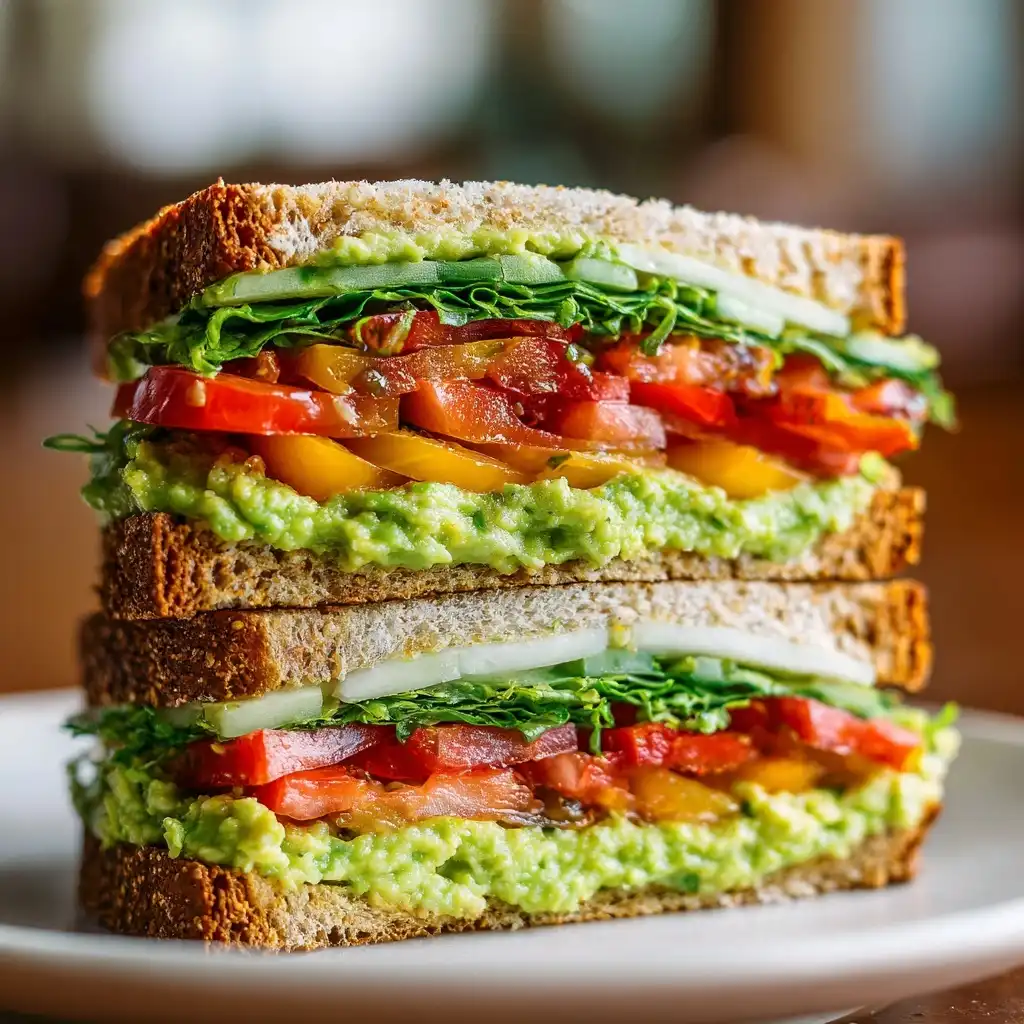
Welcome to the ultimate guide for the Vegan Avocado Veggie Sandwich — a vibrant, nutrient-dense, plant-powered masterpiece that marries creamy richness with crisp freshness in every bite. Whether you’re a lifelong vegan, transitioning to a plant-based lifestyle, or simply seeking a wholesome, satisfying lunch option, this sandwich delivers on flavor, texture, and nourishment without compromise. Unlike conventional sandwiches laden with dairy, eggs, or processed meats, this version celebrates the natural goodness of whole foods — from velvety ripe avocados and crunchy heirloom vegetables to hearty whole-grain bread and zesty, herb-infused spreads. It’s more than just lunch; it’s a celebration of color, crunch, creaminess, and conscious eating — ready in under 15 minutes, endlessly adaptable, and deeply satisfying.
The History
The roots of the avocado sandwich trace back centuries — long before avocado toast became a global café staple. Indigenous Mesoamerican cultures, particularly the Aztecs and Maya, revered the avocado (known as *āhuacatl*) not only as food but as sacred fruit symbolizing fertility and abundance. They mashed it with tomatoes, chilies, and onions — an early ancestor of guacamole — and served it on maize tortillas or with roasted corn. In the early 20th century, avocados gained popularity in California after the introduction of the Hass variety in the 1920s, and by the 1950s, “avocado salad sandwiches” appeared in American home economics cookbooks — often with mayonnaise and sliced turkey. The vegan iteration emerged organically from the 1970s–80s macrobiotic and natural foods movements, gaining momentum with the rise of animal-free ethics, environmental awareness, and allergy-conscious dining. Today’s Vegan Avocado Veggie Sandwich reflects decades of culinary evolution: a fusion of ancestral wisdom, modern nutrition science, and inclusive, compassionate cooking — reimagined for today’s kitchens, farmers’ markets, and busy lifestyles.
Ingredients Breakdown
Every component in this sandwich is intentionally selected for synergy — balancing macronutrients, micronutrients, fiber, healthy fats, and phytonutrient diversity. Let’s explore each element in depth:
- Avocado (1 large, ripe): The star ingredient — rich in monounsaturated fats (especially oleic acid), potassium (more per gram than bananas), folate, vitamin K, lutein, and fiber. Its creamy texture acts as both binder and luxurious spread, eliminating the need for oil-based dressings or dairy-based sauces.
- Whole-Grain or Sprouted Bread (2 slices): Provides complex carbohydrates, B vitamins (especially B1, B3, and B9), magnesium, selenium, and prebiotic fiber. Sprouted grain bread offers enhanced bioavailability of nutrients and reduced phytic acid — supporting better mineral absorption.
- Leafy Greens (2–3 large leaves of butter lettuce, baby spinach, or arugula): Adds volume, water content, chlorophyll, nitrates (supporting circulation), and antioxidants like vitamin C and beta-carotene. Arugula contributes peppery nuance and glucosinolates — sulfur-containing compounds linked to cellular detoxification.
- Crunchy Vegetables (¼ cup each of julienned cucumber, shredded purple cabbage, and matchstick carrots): Delivers hydration, enzymatic activity (cucumber), anthocyanins (purple cabbage), and beta-carotene (carrots). Their raw state preserves heat-sensitive enzymes and vitamin C.
- Flavor Enhancers (1 tbsp red onion, thinly sliced; ½ tsp lemon juice; ¼ tsp garlic powder; pinch of sea salt & freshly ground black pepper): These elevate taste while adding functional benefits — quercetin (onion), citric acid (lemon) for iron absorption, allicin precursors (garlic powder), and trace minerals (unrefined sea salt).
- Optional Boosters (1 tbsp microgreens, 1 tsp hemp seeds, ¼ sliced radish, or 1 tsp nutritional yeast): Microgreens contain up to 40x more nutrients than mature plants; hemp seeds provide complete plant protein and omega-3 ALA; radishes add sulforaphane and digestive enzymes; nutritional yeast lends umami depth and fortified B12 (check label for vegan, non-GMO, and fortified versions).
This isn’t just a list — it’s a thoughtfully layered ecosystem of flavor and function.
Step-by-Step Recipe
- Select & Prep Your Avocado: Choose a Hass avocado that yields gently to palm-pressure (not fingertip — bruising occurs easily). Cut lengthwise around the pit, twist to separate, then carefully tap your chef’s knife into the pit and twist to lift it out. Scoop flesh into a medium bowl using a spoon — keeping the green near the skin (most nutrient-dense layer). Mash with a fork until mostly smooth but with subtle texture remaining — avoid over-mashing into paste.
- Season Thoughtfully: Add lemon juice (prevents browning + brightens fat), garlic powder, sea salt, black pepper, and a tiny pinch of smoked paprika (optional, for depth). Stir gently — taste and adjust: more lemon if flat, more salt if muted, more pepper if lacking warmth.
- Toast the Bread (Optional but Recommended): Use a toaster, skillet, or air fryer to lightly toast bread until golden and crisp at edges — enhances structural integrity and adds Maillard-reaction complexity. Cool 30 seconds to prevent wilting greens.
- Layer Strategically (The “Architecture Principle”): On the bottom slice, spread ¾ of the avocado mixture evenly, leaving a ¼” border. Layer greens first (creates moisture barrier), then delicate veggies (cucumber, radish), followed by sturdy ones (cabbage, carrots). Top with red onion and microgreens. Spread remaining avocado on the top slice — this “glue layer” prevents sogginess and ensures every bite has balanced richness.
- Press & Slice with Intention: Gently press top slice down — just enough to adhere, not squeeze out fillings. Use a sharp serrated knife and saw gently — don’t crush. Slice diagonally for maximum visual appeal and easier handling. Serve immediately or wrap loosely in parchment paper if packing for later.
Tips
- Ripeness Matters: Underripe avocados won’t mash smoothly; overripe ones oxidize quickly and develop off-flavors. To speed ripening, place in a brown paper bag with a banana or apple (ethylene gas accelerators). To slow ripening, refrigerate ripe avocados — they’ll keep 2–3 days.
- Prevent Browning Without Lemon?: Try lime juice (higher citric acid), a splash of apple cider vinegar, or even mashed banana (adds subtle sweetness and potassium). Never use excessive olive oil — it dilutes flavor and adds unnecessary saturated fat.
- Bread Selection Wisdom: Avoid ultra-processed “whole wheat” loaves with added sugars and preservatives. Look for 100% whole grain, sprouted, or sourdough fermented options — lower glycemic impact and improved digestibility. Gluten-free? Try buckwheat, teff, or certified GF oat bread — always check for cross-contamination labels.
- Cutting Technique: Chill avocado mixture for 10 minutes before spreading — firms it slightly for cleaner application. Use an offset spatula or butter knife dipped in cold water for streak-free coverage.
- Make-Ahead Magic: Prep all vegetables the night before and store separately in airtight containers lined with dry paper towels. Mash avocado fresh — but if needed, press plastic wrap directly onto surface and refrigerate up to 6 hours (add extra lemon).
- Serving Temperature: Serve at cool room temperature — never chilled straight from fridge (numbs flavor) nor warm (melts texture). Let assembled sandwich rest 2 minutes before cutting — allows flavors to harmonize.
Variations and Customizations
This sandwich is gloriously modular — designed to adapt to seasons, regions, pantries, and preferences. Here are 12 inspired variations — each nutritionally robust and culturally resonant:
- Mediterranean Twist: Swap lemon for orange zest + juice; add chopped kalamata olives, sun-dried tomatoes (oil-packed, drained), crumbled vegan feta (made from tofu or coconut), and fresh oregano.
- Southwest Fiesta: Mix in 1 tsp chipotle in adobo (minced), 1 tbsp corn kernels (fresh or thawed), black beans (rinsed), pickled red onions, and cilantro. Serve on blue corn tortilla as a wrap.
- Asian-Inspired Crunch: Replace lemon with rice vinegar + tamari (GF soy sauce); add julienned daikon, scallions, toasted sesame seeds, and a drizzle of chili-garlic sauce. Use brown rice or millet bread.
- Breakfast Sandwich: Add crumbled baked tofu “scramble” seasoned with turmeric and black salt (kala namak), sautéed shiitakes, and a swipe of miso-maple glaze.
- Protein-Packed Power Version: Layer marinated tempeh bacon strips, sprouted lentils, and pumpkin seeds — boosts complete protein, zinc, and iron.
- Herb Garden Delight: Fold finely chopped basil, dill, chives, and mint into the avocado. Add edible flowers (nasturtium, pansy) for elegance and peppery notes.
- Roasted Veggie Edition: Substitute raw veggies with caramelized sweet potato, roasted beets, and charred zucchini — add thyme and balsamic reduction.
- Curry-Spiced Fusion: Stir ½ tsp curry powder, grated ginger, and golden raisins into avocado. Pair with mango-jicama slaw.
- Beet-Infused Ruby Sandwich: Blend roasted red beet into avocado for stunning color, earthy sweetness, and nitrates for endurance support.
- Seaweed Accent: Sprinkle toasted nori flakes or dulse granules on top — adds iodine, umami, and oceanic minerality.
- Low-Carb/Keto-Friendly Wrap: Skip bread entirely — use large butter lettuce leaves or grilled portobello caps as vessels. Add hemp hearts and macadamia nuts for satiating fats.
- Kid-Friendly “Rainbow Roll-Up”: Spread avocado on a whole-grain tortilla, arrange veggie ribbons in rainbow order (red bell pepper, orange carrot, yellow corn, green spinach, blueberry “dots”), roll tightly, and slice into pinwheels.
No two sandwiches need ever be alike — let curiosity lead your plate.
Health Considerations and Nutritional Value
A single serving (2-slice sandwich with standard ingredients) delivers approximately 380–420 kcal, with the following evidence-backed health attributes:
- Cardiovascular Support: Avocado’s monounsaturated fats improve LDL/HDL ratio; potassium counters sodium-induced hypertension; nitrates from greens enhance endothelial function and vasodilation.
- Digestive Harmony: 12–15g total dietary fiber (soluble + insoluble) feeds beneficial gut microbiota, promotes regularity, and slows glucose absorption — supporting stable energy and satiety.
- Anti-Inflammatory Action: Rich in polyphenols (avocado skin compounds, purple cabbage anthocyanins), carotenoids (lutein, beta-carotene), and omega-3 ALA (from hemp or flax if added) — all clinically associated with reduced systemic inflammation markers like CRP and IL-6.
- Brain & Mood Benefits: Folate supports neurotransmitter synthesis; vitamin E protects neuronal membranes; magnesium regulates NMDA receptors; and the fiber-gut-brain axis influences serotonin production (90% made in the gut).
- Iron Absorption Optimization: Vitamin C from lemon, peppers, and greens significantly enhances non-heme iron absorption from whole grains and legumes — especially important for menstruating individuals and plant-based eaters.
- Considerations & Adaptations: For low-FODMAP needs, omit garlic/onion and use chives + infused oil; for histamine sensitivity, avoid aged ingredients and opt for freshest produce; for nut allergies, skip seed toppings and verify bread is nut-free; for renal concerns, limit added salt and choose low-potassium greens like romaine over spinach.
This isn’t just “healthy food” — it’s food-as-medicine, grounded in clinical nutrition research and daily wellness practice.
Ingredients
- 1 large ripe Hass avocado
- 1 tablespoon fresh lemon juice (plus extra for garnish)
- ¼ teaspoon fine sea salt (or to taste)
- ¼ teaspoon freshly ground black pepper
- ¼ teaspoon garlic powder (or 1 small clove fresh garlic, minced)
- 2 slices whole-grain, sprouted, or sourdough bread (about 2 oz / 60g total)
- 2–3 large leaves butter lettuce or baby spinach
- ¼ cup julienned English cucumber (unpeeled for nutrients)
- ¼ cup shredded purple cabbage
- ¼ cup matchstick-cut carrots
- 2 tablespoons very thin red onion slices
- 1 tablespoon mixed microgreens (sunflower, pea shoots, radish)
- Optional: 1 teaspoon hemp seeds, 1 teaspoon nutritional yeast, or 2 thin radish slices
Directions
- In a medium mixing bowl, scoop the flesh of the ripe avocado. Using a fork, mash until mostly smooth with slight texture remaining — about 30 seconds.
- Add lemon juice, sea salt, black pepper, and garlic powder. Stir gently until fully combined. Taste and adjust seasoning — add more lemon for brightness, salt for balance, or pepper for warmth.
- If desired, lightly toast the bread in a toaster, skillet over medium heat (1–2 min per side), or air fryer (375°F for 3–4 min) until golden and crisp-edged. Let cool for 30 seconds.
- Spread approximately ¾ of the avocado mixture evenly onto the bottom slice of bread, leaving a small border.
- Layer the butter lettuce or spinach over the avocado. Next, arrange cucumber, purple cabbage, carrots, and red onion in an even layer — pressing gently but not compacting.
- Top with microgreens and any optional boosters (hemp seeds, nutritional yeast, radish).
- Spread the remaining avocado mixture onto the top slice of bread — this creates a moisture-locking seal and ensures creamy distribution in every bite.
- Carefully place the top slice over the filling. Press down gently with the palm of your hand — just enough to adhere, not squeeze.
- Using a sharp serrated knife, cut the sandwich in half on a diagonal. Wipe the blade between cuts for clean edges.
- Serve immediately, garnished with a final sprinkle of lemon zest, microgreens, or flaky sea salt. For meal prep: wrap loosely in parchment paper and refrigerate up to 4 hours — best enjoyed within 2 hours for optimal texture.
FAQ
- Can I make this sandwich oil-free?
- Absolutely — this recipe contains zero added oils. Avocado provides all necessary healthy fats. Avoid oil-based dressings or roasted veggies cooked in oil unless specifically desired for flavor variation.
- Is this sandwich high in protein?
- As written, it provides ~8–10g protein (from bread, avocado, veggies, and trace amounts in greens). For higher protein, add 2 tbsp cooked lentils, ¼ cup crumbled tempeh, 1 tbsp hemp or pumpkin seeds, or a thin layer of white bean hummus beneath the avocado.
- How do I stop my avocado from turning brown?
- Lemon juice is your best defense — its citric acid inhibits polyphenol oxidase, the enzyme causing browning. Always mix it in immediately after mashing. Storing with the pit *does not* prevent browning — it only protects the area directly underneath.
- Can I use frozen or canned vegetables?
- Fresh is ideal for texture and enzyme activity, but frozen peas or corn (thawed and patted dry) work well. Avoid canned vegetables unless low-sodium and rinsed thoroughly — excess sodium undermines the heart-healthy profile.
- What’s the best bread for blood sugar balance?
- Sprouted grain bread (like Ezekiel) or 100% stone-ground whole rye offer the lowest glycemic response due to intact bran, germ, and fermentation. Avoid “multigrain” or “wheat” labeled breads — many are primarily refined flour.
- Is this safe for pregnancy?
- Yes — and highly recommended! Avocado supplies folate critical for neural tube development; lemon enhances iron absorption from plant sources; and fiber prevents gestational constipation. Just ensure all produce is thoroughly washed and avoid unpasteurized sprouts unless cooked.
- Can I freeze this sandwich?
- Not recommended — avocado suffers severe textural degradation when frozen and thawed (becomes mushy and watery). However, you *can* freeze mashed avocado (with lemon juice) for up to 3 months in ice cube trays for smoothies or dips — just not in sandwich form.
- Why no tomato?
- Tomatoes add wonderful flavor — but their high water content can make the sandwich soggy faster. If using, pat slices extremely dry with paper towel and add *only* as the topmost layer, just before closing. Heirloom or Roma tomatoes hold up best.
Summary
The Vegan Avocado Veggie Sandwich is a masterclass in plant-based simplicity — where a single ripe avocado transforms into a creamy, nutrient-rich foundation for vibrant, crunchy, colorful vegetables, all nestled between nourishing whole-grain bread.
It’s a customizable, kitchen-friendly expression of wellness: anti-inflammatory, fiber-rich, heart-smart, and deeply satisfying — proving that compassion, flavor, and vitality coexist effortlessly on one humble plate.