Introduction
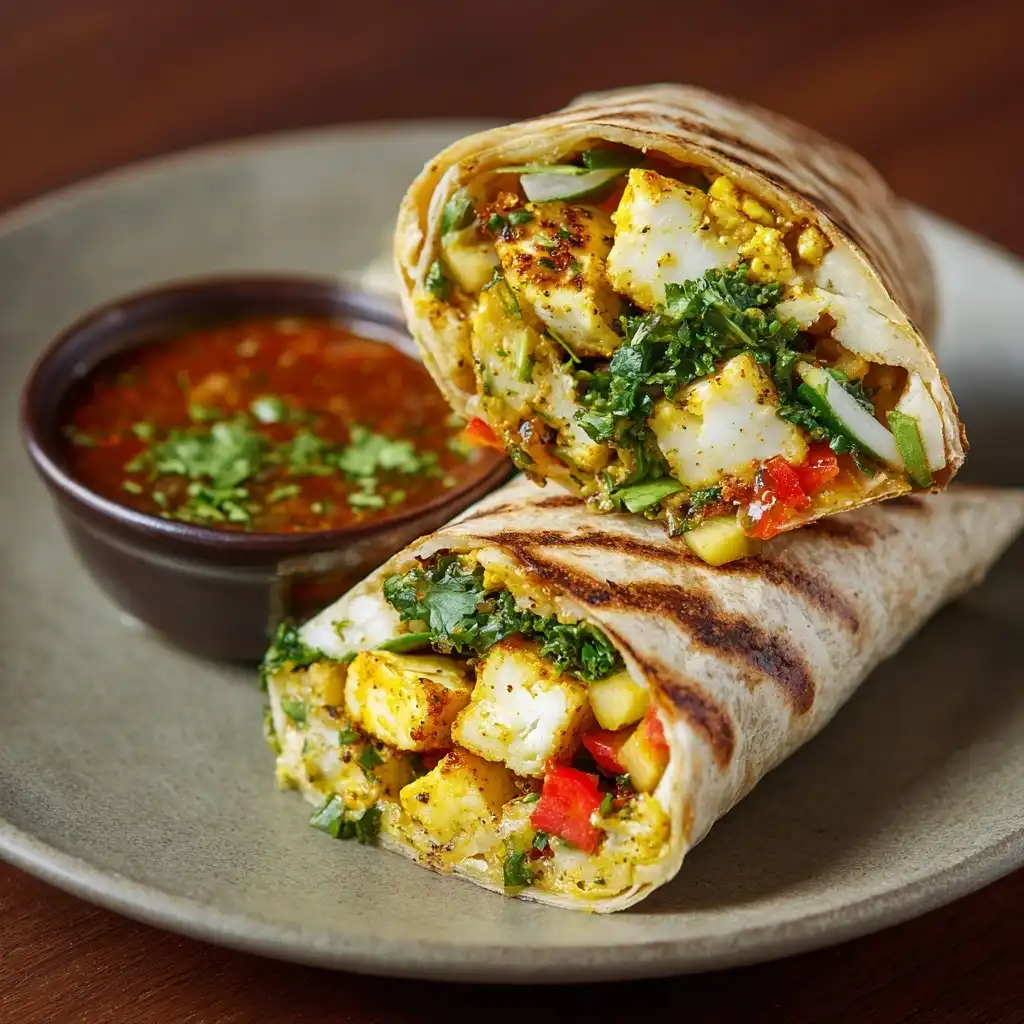
The Paneer Veggie Wrap is a vibrant, nutrient-dense, and deeply satisfying handheld meal that beautifully bridges traditional Indian culinary wisdom with modern global food trends. Born from the bustling street food culture of North India—where freshness, texture, and bold flavor reign supreme—it has evolved into a beloved lunchbox staple, gym-friendly snack, office meal prep favorite, and even a gourmet café signature. Unlike conventional wraps that rely heavily on cheese or processed meats, this version centers around fresh, house-pressed paneer—a mild, high-protein, non-melting Indian cottage cheese—tossed with a rainbow of seasonal vegetables, aromatic spices, and herb-infused sauces. Its versatility shines across dietary preferences: naturally vegetarian, easily made vegan (with tofu or soy-based paneer), gluten-free adaptable (using certified GF wraps), and inherently low in added sugars. Whether you’re craving comfort with crunch, seeking post-workout recovery fuel, or simply wanting a 20-minute meal that feels indulgent yet nourishing, the Paneer Veggie Wrap delivers—with every bite offering creamy, savory, tangy, and earthy notes in perfect harmony.
The History
The origins of the Paneer Veggie Wrap are rooted not in a single inventor or moment, but in the organic evolution of Indian street food over several decades. While stuffed parathas, pav baji, and bhel puri have long served as portable, vegetable-forward meals, the *wrap* format gained momentum in the late 1990s and early 2000s—first in cosmopolitan hubs like Mumbai, Delhi, and Bangalore—where urban professionals sought convenient, hygienic, and customizable alternatives to fried snacks. Early versions appeared at college canteens and startup cafés, often using leftover paneer tikka or saag paneer wrapped in soft tandoori rotis or lavash-style flatbreads. The influence of Middle Eastern shawarma and Mexican burritos subtly shaped presentation and structure—introducing the idea of layered fillings, warm-toasted wraps, and drizzled sauces—but the soul remained unmistakably Indian. As health consciousness rose post-2010, nutritionists and home chefs began reimagining the wrap with roasted (not fried) vegetables, whole wheat or multigrain wraps, low-oil marinades, and probiotic-rich mint-coriander chutneys. By the mid-2010s, food delivery platforms accelerated its popularity, with regional variations emerging—from Kolkata’s mustard-and-pea sprout twist to Chennai’s curry leaf–infused coconut chutney version. Today, it’s featured in Michelin-recognized Indian restaurants abroad, school wellness programs across India, and viral TikTok cooking tutorials—testament to its enduring adaptability and cultural resonance.
Ingredients Breakdown
Understanding each component deepens both flavor and function—this isn’t just a list; it’s a symphony of nutrition, texture, and tradition:
- Paneer (200g, cubed): Fresh, firm, low-sodium paneer is non-negotiable. It provides ~18g complete protein per 100g, calcium for bone health, and a tender-chewy bite that absorbs spices without disintegrating. Opt for minimally processed, water-packed paneer (avoid vacuum-sealed varieties with preservatives). For maximum tenderness, soak cubes in warm milk + pinch of turmeric for 5 minutes before marinating.
- Vegetable Medley (3 cups total): A dynamic blend ensures color, crunch, and phytonutrient diversity:
- Red bell pepper (½, julienned): Rich in vitamin C (boosts iron absorption from spinach) and lycopene.
- Zucchini (½ medium, spiralized or thinly sliced): Adds moisture and mild sweetness; high in potassium and manganese.
- Carrot (1 medium, julienned or grated): Beta-carotene powerhouse—best absorbed with healthy fat (e.g., oil in marinade).
- Red onion (¼, very finely sliced): Contains quercetin (anti-inflammatory flavonoid) and adds sharpness to balance richness.
- Fresh spinach (1 cup, roughly chopped): Delivers folate, magnesium, and iron—wilts gently when warmed inside the wrap.
- Optional additions: blanched green beans, roasted sweet potato cubes, purple cabbage ribbons, or fermented kimchi for gut-friendly probiotics.
- Aromatic Marinade & Spice Blend:
- Greek yogurt (3 tbsp) or dairy-free coconut yogurt: Tenderizes paneer and carries spices; adds creaminess and probiotics.
- Fresh ginger-garlic paste (1 tsp): Anti-nausea, anti-inflammatory, and foundational for authentic Indian depth.
- Garam masala (½ tsp, freshly ground preferred): Warmth from cinnamon, cardamom, cloves—enhances digestion and aroma.
- Kashmiri red chili powder (½ tsp): Vibrant color + mild heat (not Scoville-spicy); rich in capsaicin antioxidants.
- Turmeric (¼ tsp, organic, black pepper–enhanced): Potent curcumin content—bioavailability increases 2000% with piperine.
- Roasted cumin powder (½ tsp): Earthy, digestive aid—adds smoky nuance distinct from raw cumin.
- Lemon juice (1 tbsp, freshly squeezed): Bright acidity to cut richness; activates vitamin C synergy.
- Wrap Base Options (2 large):
- Whole wheat tortilla (100% stone-ground, no added sugar): 4g fiber/serving; slow-digesting complex carbs.
- Spinach- or beetroot-infused roti: Naturally pigmented, antioxidant-rich, and subtly earthy.
- Gluten-free alternative: Brown rice + tapioca flour wrap (check for xanthan gum–free if sensitive).
- Vegan option: Soba noodle “wrap” (pan-fried into a flexible crepe) or large collard green leaf (blanched 10 sec for pliability).
- Signature Chutneys & Drizzles (2–3 tbsp combined):
- Mint-Coriander Chutney: Blended fresh mint, cilantro, green chili, lemon, roasted cumin, and 1 tsp soaked cashews for creaminess—no added sugar.
- Tamarind-date chutney (sugar-free): Simmered tamarind pulp + Medjool date paste + rock salt + roasted sesame oil—sweet-tart balance with polyphenols.
- Yogurt-ranch fusion: Greek yogurt + dried fenugreek leaves (kasuri methi) + garlic powder + dill—creamy, herbaceous, and gut-supportive.
- Texture Enhancers (to finish):
- Toasted almond slivers or pumpkin seeds: Healthy fats, crunch, magnesium.
- Microgreens (radish or broccoli sprouts): Sulforaphane boost—up to 100x more than mature plants.
- Crumbled papadum (baked, not fried): Savory, airy crunch—traditional umami note.
Step-by-Step Recipe
- Prep & Marinate Paneer (20 minutes + 30 min chill): Gently press excess water from paneer cubes using paper towels (do NOT squeeze aggressively). In a bowl, combine yogurt, ginger-garlic paste, garam masala, Kashmiri chili, turmeric, roasted cumin, lemon juice, and ½ tsp sea salt. Add paneer and fold gently to coat. Cover and refrigerate for minimum 30 minutes (ideal: 2 hours). This step infuses flavor *and* improves protein digestibility via enzymatic action from ginger and yogurt.
- Prep Vegetables (15 minutes): Wash and dry all produce thoroughly—excess water steams instead of roasts. Julienne peppers, zucchini, and carrots uniformly (~⅛” thick) for even cooking. Thinly slice red onion and toss with ½ tsp lemon juice to mellow sharpness. Roughly chop spinach—set aside separately.
- Roast Vegetables (12–14 minutes): Preheat oven to 200°C (390°F). Line a tray with parchment. Toss peppers, zucchini, carrots, and onions with 1 tsp avocado oil, ¼ tsp black salt (kala namak), and pinch of amchur (dry mango powder) for tang. Spread in single layer. Roast 10 minutes. Flip gently, add spinach, and roast 2–4 more minutes until veggies are tender-crisp and edges lightly caramelized. Remove and cool slightly—warm (not hot) filling prevents wrap sogginess.
- Warm & Sear Paneer (5 minutes): Heat non-stick skillet over medium-low. Lightly oil surface. Add marinated paneer in single layer—reserving marinade. Sear 2–3 minutes per side until golden-brown and slightly springy. Remove and rest 2 minutes. Stir reserved marinade into roasted veggie mixture—this binds flavors and adds silkiness.
- Prepare Wraps & Assemble (8 minutes): Warm tortillas individually in dry skillet 20 seconds/side—flexible but not rubbery. Lay flat. Spread 1 tbsp mint-coriander chutney in center, leaving 1.5″ border. Layer half the warm paneer-veggie mix evenly. Top with 1 tsp tamarind-date chutney, 1 tsp toasted almonds, and microgreens. Fold bottom flap up, then left/right sides inward, and roll tightly from bottom to top—applying gentle pressure to seal. Optional: light toast seam-side down in skillet 30 seconds for crisp closure.
- Rest & Slice (3 minutes): Let wrapped wraps rest diagonally on cooling rack for 3 minutes—allows steam to redistribute, prevents unraveling, and firms filling. Slice in half on 45° angle for elegant presentation and easier eating. Serve immediately—or wrap in parchment + beeswax wrap for chilled meal prep (holds 24 hours).
Tips
- Paneer Texture Mastery: If your paneer crumbles, it’s too dry or over-pressed. Next time, soak in warm milk + pinch of baking soda for 10 minutes pre-marination—restores tenderness without mushiness.
- No-Sogginess Secret: Always cool roasted veggies *slightly* before mixing with marinade—and never assemble wraps more than 10 minutes before serving unless using parchment-wrapped chilling method.
- Flavor Layering Hack: Toast whole spices (cumin, coriander, fennel) dry in pan, cool, then grind. Mix ¼ tsp into chutney *and* ¼ tsp into marinade—creates aromatic continuity from first bite to last.
- Meal Prep Pro Tip: Roast veggies and marinate paneer separately in airtight containers (3 days refrigerated). Assemble day-of—retains crunch, color, and chutney vibrancy.
- Wrap Flexibility: If tortillas crack while rolling, they’re too cold or too dry. Microwave stacked wraps (covered with damp paper towel) for 8 seconds—or brush lightly with ghee before warming.
- Sauce Control: Never pour chutneys directly onto wrap surface—always spread in thin, even layer. Too much liquid = structural failure. Use back of spoon to smooth—not smear.
- Grill Variation: For smoky depth, cook assembled (un-cut) wraps on preheated grill pan 1 minute/side—press gently with spatula. Creates beautiful sear marks and locks in steam.
- Kid-Friendly Tweaks: Skip green chilies; add mashed sweet potato to chutney for natural sweetness; use cookie cutter to shape mini wraps.
Variations and Customizations
This recipe is a canvas—here are 12 globally inspired, diet-specific, and seasonally attuned adaptations—all tested for structural integrity and flavor cohesion:
- South Indian Style: Replace garam masala with curry leaves + mustard seeds + grated coconut marinade; swap chutneys for coconut-tamarind and roasted peanut chutney; wrap in dosa batter crepe.
- Protein-Packed Power Wrap: Add 2 tbsp cooked quinoa + 1 tbsp hemp hearts to veggie mix; use lentil-flour wrap; drizzle with tahini-miso sauce.
- Low-Carb Keto Version: Skip tortilla—use large butter lettuce or romaine leaves as vessel; increase paneer to 250g; add avocado slices and everything bagel seasoning.
- Vegan “Paneer” Wrap: Substitute pressed, baked tofu or homemade soy-paneer (soy milk + lemon juice curd); use cashew-yogurt marinade; add sun-dried tomato paste for umami depth.
- Winter Root Veggie Edition: Roast parsnips, beets, and turnips with maple-tamari glaze; add orange segments and arugula; chutney: blood orange–ginger with toasted walnuts.
- Monsoon Comfort Wrap: Use steamed jackfruit “paneer”; add boiled yam and curry leaves; chutney: roasted garlic + coconut + tamarind; wrap in fermented rice dosa.
- Restaurant-Style “Butter Paneer” Wrap: Finish seared paneer in 1 tbsp cashew cream + ½ tsp kasuri methi + pinch of smoked paprika; garnish with edible rose petals.
- Breakfast Wrap: Add scrambled turmeric eggs + sautéed mushrooms; replace chutneys with herbed labneh; sprinkle with black sesame.
- Spice-Lover’s Fire Wrap: Infuse marinade with ghost pepper oil (1 drop!); add pickled jalapeños and charred corn; chutney: habanero-mango with lime zest.
- Overnight Soak Version: Marinate paneer overnight; roast veggies morning-of; assemble at noon—flavors deepen exponentially with time.
- Dessert-Inspired Sweet-Savory: Paneer marinated in cardamom-honey (substitute maple syrup); roasted apples + cinnamon carrots; chutney: date-fig + star anise; wrap in saffron-infused roti.
- Zero-Waste Wrap: Use broccoli stems (julienned), carrot tops (blanched & chopped), and stale roti crumbs (toasted as topping); chutney from wilted cilantro stems.
Health Considerations and Nutritional Value
A single standard Paneer Veggie Wrap (made with whole wheat tortilla, 200g paneer, 3 cups mixed roasted veggies, 2 tbsp chutneys, 1 tsp oil) delivers approximately:
- Calories: 425–460 kcal (balanced macronutrient ratio: ~22g protein / 52g complex carbs / 16g heart-healthy fats)
- Protein Quality: Paneer provides all 9 essential amino acids—especially leucine (3.2g/serving), critical for muscle protein synthesis. Pairing with whole grains creates complementary protein profile—ideal for vegetarians.
- Dietary Fiber: 11–14g (35–45% DV)—from whole wheat wrap, vegetables, and chutney ingredients—supports satiety, microbiome diversity, and stable blood glucose.
- Vitamins & Minerals: Exceptionally high in calcium (38% DV), vitamin A (210% DV from beta-carotene), vitamin C (95% DV), folate (42% DV), potassium (28% DV), and magnesium (33% DV).
- Phytonutrient Density: Contains sulforaphane (broccoli sprouts), lycopene (bell peppers), curcumin (turmeric), quercetin (onions), and anthocyanins (purple cabbage)—all proven to modulate inflammation and oxidative stress.
- Glycemic Impact: Low glycemic load (~12) due to high fiber, protein, and healthy fats—prevents insulin spikes. Ideal for prediabetes, PCOS, and metabolic syndrome management.
- Digestive Support: Ginger, cumin, and probiotic chutneys enhance enzyme secretion, gut motility, and beneficial bacterial colonization. Fermented chutney options further amplify this effect.
- Allergen Notes: Naturally nut-free (unless adding nuts); gluten-free adaptable; soy-free option (avoid tofu substitutes); dairy-intolerant? Use lactose-free paneer or almond-yogurt marinade.
- For Specific Conditions:
- Hypertension: Omit added salt; rely on herbs, lemon, and roasted spices for flavor. Use potassium-rich spinach and zucchini.
- Irritable Bowel Syndrome (IBS): Swap onions for scallion greens; omit cruciferous veggies if sensitive; choose low-FODMAP chutney (mint-only, no garlic/onion).
- Pregnancy/Nursing: Boost iron with spinach + lemon (vitamin C enhances absorption); add 1 tsp flaxseed to chutney for omega-3 ALA.
- Kidney Disease: Use low-phosphorus paneer (rinse thoroughly); limit spinach; substitute with cucumber and bottle gourd.
Ingredients
Makes 2 generous wraps
- 200 g fresh, firm paneer, cut into ¾-inch cubes
- ½ medium red bell pepper, julienned
- ½ medium zucchini, julienned or spiralized
- 1 medium carrot, julienned or grated
- ¼ small red onion, very finely sliced
- 1 cup fresh spinach, roughly chopped
- 3 tbsp plain full-fat Greek yogurt (or unsweetened coconut yogurt)
- 1 tsp fresh ginger-garlic paste (or ½ tsp each grated)
- ½ tsp garam masala (preferably freshly ground)
- ½ tsp Kashmiri red chili powder
- ¼ tsp ground turmeric (organic, with black pepper)
- ½ tsp roasted cumin powder
- 1 tbsp fresh lemon juice, plus extra for onions
- ½ tsp sea salt, divided
- 1 tsp avocado oil or cold-pressed mustard oil
- 2 large whole wheat tortillas (approx. 8-inch, no added sugar)
- 2–3 tbsp mint-coriander chutney (recipe follows)
- 1–2 tsp tamarind-date chutney (sugar-free)
- 1 tsp toasted almond slivers or pumpkin seeds
- Small handful microgreens (radish or broccoli sprouts)
Mint-Coriander Chutney (makes ~½ cup):
¼ cup fresh mint leaves
½ cup fresh cilantro leaves and tender stems
1 small green chili (optional, for heat)
1 tbsp fresh lemon juice
½ tsp roasted cumin powder
1 tsp soaked raw cashews (for creaminess)
¼ tsp sea salt
1–2 tbsp ice-cold water (as needed for consistency)
Directions
- In a medium bowl, whisk together yogurt, ginger-garlic paste, garam masala, Kashmiri chili, turmeric, roasted cumin, lemon juice, and ¼ tsp salt. Gently fold in paneer cubes to coat evenly. Cover and refrigerate for at least 30 minutes (up to 2 hours).
- Meanwhile, prepare vegetables: julienne bell pepper, zucchini, and carrot. Thinly slice red onion and toss with ½ tsp lemon juice and pinch of salt; set aside to mellow. Roughly chop spinach and place in separate bowl.
- Preheat oven to 200°C (390°F). Line a baking sheet with parchment paper. In a large bowl, combine bell pepper, zucchini, carrot, and marinated onions. Drizzle with avocado oil, add remaining ¼ tsp salt, and toss gently. Spread in single layer on prepared sheet.
- Bake for 10 minutes. Remove tray, carefully flip vegetables, scatter chopped spinach on top, and return to oven for 2–4 minutes—just until spinach wilts and veggies are tender-crisp with slight caramelization at edges. Remove and let cool 3 minutes.
- Heat a non-stick skillet over medium-low heat. Lightly grease surface. Add marinated paneer in single layer (reserve marinade). Sear 2–3 minutes per side until golden-brown and slightly springy. Transfer to a plate and let rest 2 minutes.
- Stir reserved marinade into warm roasted vegetable mixture—this enriches flavor and adds subtle creaminess.
- Warm tortillas one at a time in dry skillet over medium heat for 15–20 seconds per side—just until pliable and fragrant. Place on clean surface.
- Spread 1 tablespoon mint-coriander chutney horizontally across center of each tortilla, leaving 1.5-inch border on all sides. Evenly divide paneer-vegetable mixture over chutney. Drizzle each with ½ teaspoon tamarind-date chutney. Sprinkle with toasted almonds and microgreens.
- To wrap: Fold bottom edge up over filling, then fold left and right edges inward snugly. Roll firmly upward from bottom to enclose filling completely. Apply gentle, even pressure as you roll to seal.
- Let wraps rest diagonally on wire rack for 3 minutes before slicing. Cut each in half on a sharp diagonal. Serve immediately, or wrap tightly in parchment paper for later consumption.
FAQ
- Can I make this ahead for meal prep?
- Absolutely—but with smart staging. Roast vegetables and marinate paneer separately up to 3 days ahead. Store in airtight containers in refrigerator. Assemble wraps no more than 10 minutes before eating for optimal texture. For grab-and-go lunches, wrap assembled wraps in parchment + beeswax wrap—keeps 24 hours chilled. Do not freeze fully assembled wraps (sauces weep, texture degrades).
- Why does my paneer turn rubbery when cooked?
- Rubbery paneer results from either overcooking (high heat + prolonged searing) or using ultra-low-moisture, store-bought paneer meant for frying. Solution: Use fresh, moist paneer; pat dry *gently*; sear only 2–3 minutes per side over medium-low heat; and always marinate first—yogurt’s enzymes tenderize proteins.
- Can I air-fry the vegetables instead of roasting?
- Yes—with adjustments. Toss veggies with oil and spices. Air-fry at 180°C (355°F) for 12–15 minutes, shaking basket every 4 minutes. Add spinach in last 90 seconds. Air-frying yields crispier edges but less caramelization—compensate by adding ½ tsp maple syrup or date paste to marinade.
- Is store-bought chutney okay?
- It works in a pinch—but read labels carefully. Most commercial chutneys contain high-fructose corn syrup, artificial colors, and excessive sodium. Our homemade versions take <5 minutes, use whole foods, and deliver superior freshness and nutritional value. If buying, choose brands with ≤3g added sugar per serving and no preservatives (e.g., “Patak’s Mango Chutney” has 7g sugar—opt for “Ananda Organic Date-Tamarind” instead).
- What can I use if I don’t have a tortilla press or rolling pin?
- No problem. Use a heavy-bottomed skillet (like cast iron) as a press—place dough between parchment and press with skillet bottom. Or use a wine bottle, clean canned good, or even a sturdy drinking glass. For wraps, flexibility matters more than perfect roundness—slight irregularity adds charm!
- My wrap keeps falling apart—how do I fix it?
- Three likely culprits: (1) Filling too hot—steam loosens wrap; cool veggies slightly. (2) Overfilling—stick to 1 cup filling per 8-inch tortilla. (3) Skimping on the fold technique—always fold bottom first, then sides, then roll tightly. Practice with a flour tortilla first (more forgiving than whole wheat).
- Can I make this nut-free?
- Easily. Skip almond slivers—use roasted sunflower or pumpkin seeds instead. For chutney creaminess, replace cashews with 1 tbsp cooked white beans or silken tofu. All flavor, zero nuts.
- How do I keep the wrap from getting soggy at lunchtime?
- Double-barrel defense: (1) Drain roasted veggies on paper towels after baking. (2) Spread chutney *thinly* and avoid pooling near edges. Bonus tip: Place a small folded paper towel inside