Introduction
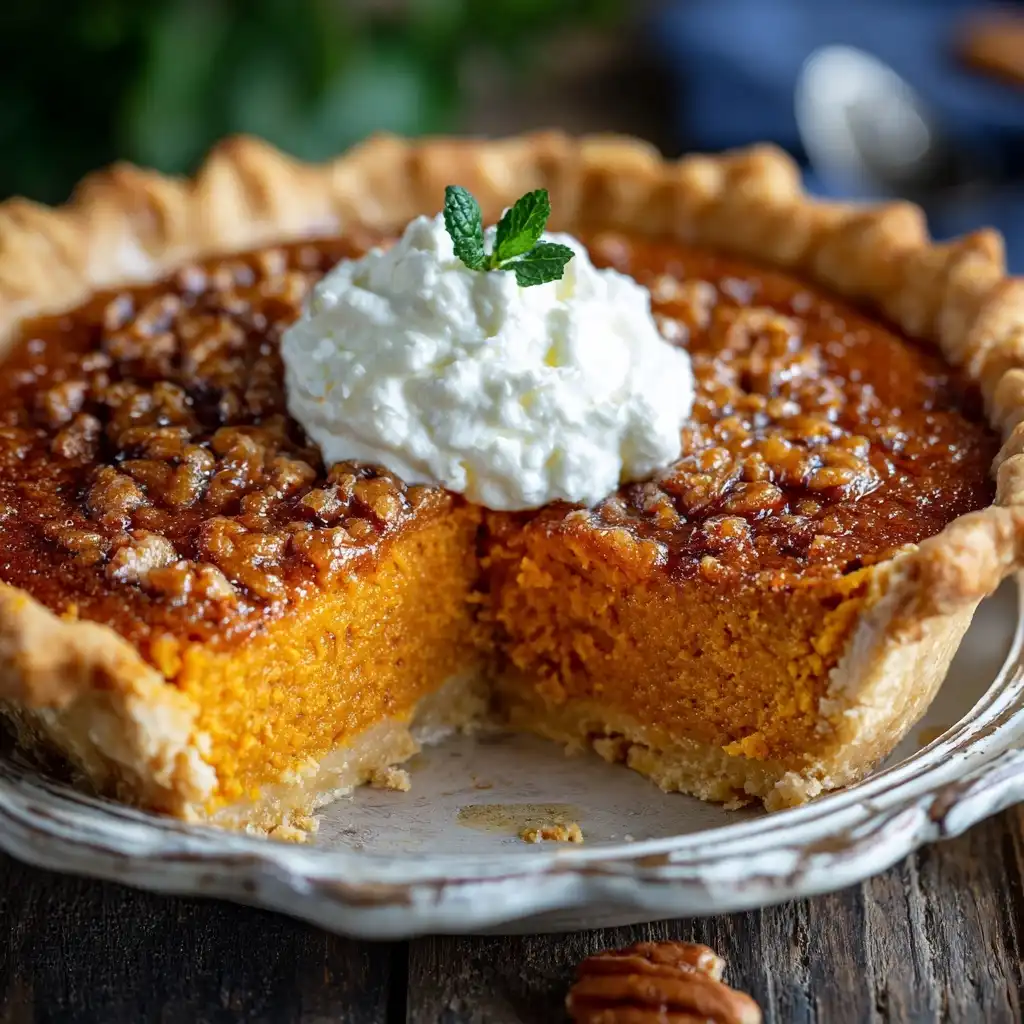
Southern Sweet Potato Pie is more than just a dessert—it’s a cherished cornerstone of Southern culinary tradition, embodying warmth, hospitality, and generations of resourceful, soul-nourishing cooking. Unlike its close cousin, pumpkin pie, sweet potato pie boasts a uniquely creamy, velvety texture and a deeper, earthier sweetness that resonates with caramelized notes and subtle spice. Rooted in the agrarian rhythms of the American South, this pie emerged from humble beginnings—using abundant, nutrient-dense sweet potatoes grown in rich, clay-heavy soils—and evolved into a holiday staple, Sunday dinner finale, and cultural emblem served with pride at family reunions, church suppers, and Thanksgiving tables across Georgia, Alabama, Mississippi, Louisiana, and the Carolinas. Its comforting aroma—warm cinnamon, toasted nutmeg, brown sugar, and roasted sweet potato—evokes memories before the first bite is even taken. This comprehensive guide dives deeply into every facet of the classic Southern Sweet Potato Pie: its layered history, ingredient philosophy, precise technique, regional variations, nutritional insights, troubleshooting wisdom, and time-honored serving traditions—all crafted to help you bake not just a pie, but a legacy.
The History
The origins of Southern Sweet Potato Pie trace back centuries—to pre-colonial Indigenous agricultural practices and West African culinary knowledge carried across the Atlantic through the transatlantic slave trade. Native Americans cultivated and roasted sweet potatoes (a different species from yams, though often mislabeled as such in the U.S.) long before European contact, valuing them for their storability, caloric density, and versatility. Enslaved Africans brought expertise in root vegetable preparation—including roasting, mashing, and spicing techniques—as well as deep familiarity with tubers like yams and cocoyams; their culinary ingenuity transformed the sweet potato into a refined, celebratory dish in plantation kitchens. By the 18th century, recipes began appearing in Southern manuscript cookbooks, such as Mary Randolph’s The Virginia House-Wife (1824), which included “Sweet Potato Pudding” baked in pastry shells—a direct precursor to modern pie. During Reconstruction and the Jim Crow era, sweet potato pie became a symbol of resilience and self-sufficiency, as Black families preserved foodways despite systemic barriers. In the mid-20th century, it surged in national visibility through iconic figures like Edna Lewis, whose 1972 The Taste of Country Cooking elevated it as an art form rooted in seasonal integrity and respect for ingredients. Today, it stands in proud distinction from pumpkin pie—not as a substitute, but as a sovereign tradition with its own terroir, technique, and taste narrative. Notably, in many Black Southern communities, sweet potato pie is the undisputed centerpiece of Thanksgiving, while pumpkin pie occupies a secondary, sometimes even controversial, role—a quiet assertion of cultural continuity and culinary sovereignty.
Ingredients Breakdown
Authentic Southern Sweet Potato Pie relies on simplicity, quality, and intentionality—not excess. Every ingredient serves a functional and flavor-driven purpose:
- Sweet Potatoes (2–2½ cups mashed, ~3 large): The heart and soul. Use orange-fleshed, moist varieties like Beauregard, Jewel, or Covington—never waxed or pre-cooked canned versions (unless specified for emergency use). Roasting—not boiling—is strongly preferred: it concentrates sugars, deepens caramel notes, dries excess moisture, and prevents a watery filling. The natural pectin and starch in roasted sweet potatoes also contribute to structural integrity without over-reliance on thickeners.
- Granulated Sugar (¾ cup) & Brown Sugar (¼ cup, light or dark): Granulated sugar provides clean sweetness and aids in caramelization; brown sugar contributes molasses depth, moisture retention, and a subtle tang that balances richness. Some traditional recipes use only granulated or even sorghum syrup—reflecting local harvests—but the dual-sugar approach is now widely embraced for complexity.
- Unsalted Butter (6 tbsp, melted and slightly cooled): Adds luxurious mouthfeel, richness, and emulsification power. Salted butter can be used, but requires careful adjustment of added salt. European-style butter (82–84% fat) yields even more tender, flavorful results.
- Eggs (3 large, room temperature): Act as binders and leaveners. Room temperature ensures even incorporation and prevents curdling when mixed with warm sweet potato mash and melted butter. Pasture-raised eggs enhance color and flavor.
- Evaporated Milk (1 cup, NOT sweetened condensed milk): A non-negotiable Southern hallmark. Its concentrated lactose, reduced water content, and cooked-milk flavor lend unmatched creaminess, browning capability, and subtle caramel nuance. Heavy cream may be substituted in part, but evaporated milk remains irreplaceable for authenticity and texture control.
- Spices (1 tsp ground cinnamon, ½ tsp ground nutmeg, ¼ tsp ground ginger, pinch of ground cloves or allspice): Warm but never overwhelming. Freshly grated nutmeg is essential—pre-ground loses potency within weeks. Cinnamon should be Ceylon or Saigon for aromatic brightness; avoid cassia if overly bitter notes are undesirable. Cloves are used sparingly—one small pinch—to avoid medicinal harshness.
- Salt (½ tsp fine sea salt or kosher salt): Critical for flavor balance. Salt doesn’t make the pie salty—it lifts sweetness, sharpens spice, and harmonizes fat. Omitting it flattens the entire profile.
- Vanilla Extract (1 tsp pure, not imitation): Adds floral, woody complexity. Bourbon-vanilla or Madagascar bean paste offers even greater depth.
- Pie Crust (1 unbaked 9-inch double-crust or single-crust shell): Traditionally, a flaky, butter-based, all-purpose flour crust—never shortening-only or store-bought unless high-quality and chilled properly. Lard-based crusts (used historically) offer unparalleled tenderness and old-world flavor. Blind-baking (par-baking) the bottom crust is highly recommended to prevent sogginess and ensure crisp contrast against the creamy filling.
Notably absent from true Southern versions: cornstarch, flour, or other thickeners (the natural starches and egg proteins suffice); bourbon or rum (though occasionally added in modern riffs); whipped cream stabilizers; or excessive dairy substitutions (almond milk, coconut milk, etc., compromise structure and flavor).
Step-by-Step Recipe
- Roast the Sweet Potatoes (Start 1–2 days ahead for best texture): Preheat oven to 400°F (200°C). Scrub 3 large (about 1.5 lbs total) orange-fleshed sweet potatoes. Pierce skins several times with a fork. Place directly on middle oven rack (no foil—let skins crisp and moisture escape) and roast for 60–75 minutes, until very soft when pierced with a knife and yielding slightly under gentle pressure. Cool completely on a wire rack (at least 2 hours, preferably overnight). Once cool, halve lengthwise, scoop flesh into a fine-mesh sieve set over a bowl, and gently press with a spatula to remove excess liquid (discard liquid—this step is crucial for avoiding weeping). Transfer drained mash to a large bowl.
- Prepare the Crust: Roll out your favorite all-butter or lard-butter hybrid pie dough on a lightly floured surface to a 12-inch round. Fit into a 9-inch pie plate, trim edges to ½-inch overhang, fold under, and crimp decoratively. Prick bottom and sides generously with a fork. Freeze for 30 minutes. Preheat oven to 425°F (220°C). Line chilled crust with parchment and fill with pie weights or dried beans. Bake for 17 minutes. Carefully remove weights and parchment; bake 5–7 more minutes until pale golden and dry-looking. Reduce oven temp to 350°F (175°C) for filling bake.
- Make the Filling Base: In a large bowl, whisk together the roasted, drained sweet potato mash until smooth (use a hand mixer on low for 30 seconds if needed—no lumps!). Add melted, slightly cooled butter and whisk vigorously until fully emulsified and glossy (~1 minute). Whisk in sugars until dissolved and homogenous.
- Incorporate Wet Ingredients: One at a time, whisk in each room-temperature egg—fully incorporating before adding the next. Then slowly stream in the evaporated milk while whisking constantly. Add vanilla, spices, and salt; whisk until perfectly smooth and uniform in color (no streaks or separation).
- Strain for Perfection (Optional but Recommended): Pour filling through a fine-mesh strainer into a clean bowl or large measuring cup with pour spout. This catches any fibrous bits, undissolved sugar crystals, or tiny lumps—ensuring silkiness. Discard solids.
- Fill and Bake: Place par-baked crust on a parchment-lined baking sheet (to catch spills). Gently pour strained filling into crust. Tap pan firmly on counter once to release air bubbles. Bake at 350°F (175°C) for 55–65 minutes. The pie is done when the edges are puffed and set, the center jiggles *just slightly* (like Jell-O) when gently shaken, and an instant-read thermometer inserted 1 inch from center reads 175°F (79°C). Avoid overbaking—the center will continue to set as it cools.
- Cool Completely—Patience is Non-Negotiable: Transfer pie to a wire rack. Cool at room temperature for at least 3 hours—preferably 4–6 hours or overnight. This slow cooling allows the custard to fully contract, stabilize, and develop its signature velvety texture. Cutting too soon causes collapse, weeping, or graininess.
Tips
- Roasting > Boiling Every Time: Boiling dilutes flavor, adds water, and leaches nutrients. Roasting intensifies sweetness and removes moisture naturally—making straining easier and texture richer.
- Drain Like Your Pie Depends On It: That pooled liquid in the sieve? It’s mostly water and starch—not flavor. Removing it prevents a rubbery, separated, or soupy filling. Don’t skip pressing!
- Room-Temperature Eggs Are Essential: Cold eggs can cause the warm butter-sweet potato mixture to seize or become greasy. Let eggs sit in warm water for 5 minutes if forgotten.
- Whisk, Don’t Beat: Overmixing after adding eggs incorporates too much air, leading to cracking during baking. Use steady, vigorous whisking—not a stand mixer on high.
- Use a Water Bath for Ultra-Silky Results (Advanced Tip): Place filled pie plate inside a larger roasting pan. Pour hot water halfway up the sides of the pie plate. Bake as directed. The steam moderates heat, prevents cracking, and yields custard-like tenderness—especially helpful in dry climates or convection ovens.
- Rotate Midway for Even Baking: Ovens have hot spots. Rotate pie 180° at 35 minutes for uniform browning and set.
- Check Doneness Correctly: The “knife test” fails here—sweet potato pie is denser than pumpkin. Rely on visual cues (set edges, slight jiggle) and thermometer reading (175°F in center). Underbaked pies firm up beautifully upon cooling; overbaked ones become dry and grainy.
- Cooling Is Part of the Recipe: Refrigerating before full room-temp cooling causes condensation and crust sogginess. Always cool uncovered at room temperature first.
- Revive a Soggy Bottom: If the bottom crust softens after slicing, re-crisp it by placing the whole pie (uncovered) on a preheated pizza stone or heavy baking steel at 375°F for 8–10 minutes.
- Freeze for Later—Properly: Fully cooled, uncut pie freezes beautifully for up to 3 months. Wrap tightly in plastic + foil. Thaw overnight in fridge, then bring to room temp 2 hours before serving. Never thaw at room temp uncovered—condensation ruins crust.
Variations and Customizations
While the classic recipe honors deep tradition, thoughtful variations celebrate regional flair, dietary needs, and personal expression—without sacrificing soul:
- Old-Fashioned Sorghum Swirl: Replace 2 tbsp brown sugar with 2 tbsp pure, unsulfured sorghum syrup. Swirl 1 tbsp into the baked-and-cooled pie surface for glossy, molasses-kissed ribbons.
- Lemon-Zest Brightness: Add 1 tsp finely grated lemon zest to the filling—cuts richness and enhances sweet potato’s natural brightness, especially beloved in coastal Carolina kitchens.
- Pecan-Streusel Topping: Mix ½ cup chopped toasted pecans, 2 tbsp brown sugar, 1 tbsp cold butter, and 1 pinch cinnamon. Sprinkle over filling before baking for textural contrast and Southern crunch.
- Brandy-Infused Elegance: Stir in 1 tbsp high-quality VSOP brandy with the vanilla. Enhances depth without alcohol heat—evaporates during baking.
- Ginger-Spiked Heat: Double the ground ginger (to ½ tsp) and add ¼ tsp freshly grated ginger root (squeezed dry) for zesty warmth—popular in Memphis and Nashville iterations.
- Vegan Adaptation (Respectfully Done): Roast sweet potatoes same way. Substitute melted coconut oil (refined, for neutral taste) for butter; flax “eggs” (3 tbsp ground flax + 9 tbsp warm water, rested 10 min); full-fat coconut milk (canned, stirred well) for evaporated milk; and maple syrup + coconut sugar blend for sugars. Add 1 tsp agar-agar powder to filling pre-bake for structure. Note: texture differs—creamy, not custardy—but flavor remains deeply evocative.
- Gluten-Free Crust Integration: Use a trusted GF pie dough (almond flour + tapioca + brown rice flour blend works best). Par-bake with weights as usual—GF crusts benefit from extra 2 minutes blind-bake time.
- Mini Mason Jar Pies: Scale down filling; pour into 4-oz wide-mouth mason jars lined with pre-baked mini crusts. Bake at 350°F for 35–40 minutes. Perfect for portion control, gifting, or bridal showers.
- “Sweet Potato Pie Bars”: Press crust into a 9×13” pan; bake. Pour filling over; bake as directed. Cool, chill 2 hours, cut into bars. Ideal for potlucks and easy transport.
- Smoked Sweet Potato Twist: Add ½ tsp smoked paprika (not chipotle) to spices—or smoke whole sweet potatoes over applewood for 30 minutes pre-roast—for subtle, intriguing campfire nuance.
Health Considerations and Nutritional Value
A 1/8 slice (standard 9-inch pie) of traditionally prepared Southern Sweet Potato Pie contains approximately 320–360 calories, 14–16g fat (8–10g saturated), 48–52g carbohydrates, 32–36g sugars, 4–5g protein, and 1g fiber. While indulgent, its nutritional profile reflects its whole-food roots:
- Vitamin A Powerhouse: One serving delivers over 300% of the Daily Value (DV) of vitamin A (as beta-carotene)—critical for vision, immune function, skin health, and antioxidant protection. Roasting increases bioavailability.
- Potassium-Rich: Sweet potatoes contain more potassium per gram than bananas—supporting healthy blood pressure and electrolyte balance.
- Natural Antioxidants: Anthocyanins (in purple-fleshed varieties) and chlorogenic acid provide anti-inflammatory benefits. Even orange varieties offer robust polyphenol profiles.
- Lower Glycemic Impact Than Expected: Despite sweetness, roasted sweet potatoes have a moderate GI (~44–60, depending on variety and prep), especially when paired with fat and protein (like butter and eggs), slowing glucose absorption.
- No Artificial Additives: Traditional preparation avoids preservatives, hydrogenated oils, artificial colors, or high-fructose corn syrup—making it cleaner than most commercial desserts.
- Dietary Modifications That Work: Reducing sugar by 25% (to ½ cup total) maintains excellent flavor due to inherent sweetness. Using half evaporated milk + half unsweetened oat milk lowers saturated fat without sacrificing creaminess. Adding 2 tbsp ground flaxseed boosts omega-3s and fiber subtly.
- What to Mind: Sodium is modest (~180mg/slice) but watch added salt if hypertension is a concern. For those managing diabetes, pairing a small slice with a leafy green salad and lean protein balances the meal. Portion awareness remains key—this is a celebration food, not an everyday item.
- Cultural Nutrition Wisdom: Southern elders often served small slices with buttermilk—a probiotic-rich, calcium-rich counterpoint that aided digestion and nutrient absorption. This intuitive pairing aligns with modern gut-health science.
Ingredients
- 3 large orange-fleshed sweet potatoes (Beauregard or Jewel), ~1.5 lbs total
- 6 tablespoons unsalted butter, melted and cooled slightly
- ¾ cup granulated sugar
- ¼ cup packed light or dark brown sugar
- 3 large eggs, room temperature
- 1 cup canned evaporated milk (not sweetened condensed)
- 1 teaspoon pure vanilla extract
- 1 teaspoon ground cinnamon
- ½ teaspoon freshly grated nutmeg
- ¼ teaspoon ground ginger
- Pinch of ground cloves or allspice (about 1/16 tsp)
- ½ teaspoon fine sea salt or kosher salt
- 1 unbaked 9-inch all-butter or lard-butter pie crust (see note on par-baking)
Directions
- Preheat oven to 400°F (200°C). Pierce sweet potatoes all over with a fork. Place directly on oven rack and roast for 60–75 minutes, until extremely tender. Cool completely (2+ hours).
- Once cool, halve potatoes and scoop flesh into a fine-mesh sieve over a bowl. Press firmly with a spatula to extract all excess liquid. Discard liquid. Transfer drained mash to a large bowl.
- Reduce oven to 425°F (220°C). Prepare pie crust: fit into 9-inch plate, crimp edges, prick base, freeze 30 minutes. Line with parchment and weights; bake 17 minutes. Remove weights and parchment; bake 5–7 more minutes until dry and pale gold. Reduce oven to 350°F (175°C).
- In bowl with sweet potato mash, whisk in melted butter until glossy and smooth (~1 minute). Whisk in both sugars until dissolved.
- Add eggs one at a time, whisking fully after each. Gradually whisk in evaporated milk, then vanilla, spices, and salt until completely smooth.
- Strain filling through a fine-mesh sieve into a pouring vessel. Discard any solids.
- Place par-baked crust on a parchment-lined baking sheet. Pour filling in. Tap pan to release bubbles.
- Bake at 350°F for 55–65 minutes, until edges are set and center jiggles slightly. Internal temp should read 175°F (79°C) at center.
- Cool pie on wire rack, uncovered, for at least 4 hours (preferably overnight) before slicing.
- Serve at room temperature, optionally with softly whipped cream (unsweetened or lightly sweetened), a dusting of nutmeg, or candied pecans.
FAQ
- Can I use canned sweet potatoes?
- It’s possible—but not recommended. Most canned “sweet potatoes” are actually yams, packed in syrup, and lack the nuanced flavor and ideal starch-to-moisture ratio. If absolutely necessary, drain *thoroughly*, rinse under cold water, pat *extremely* dry with paper towels, and increase spices slightly to compensate for lost depth.
- Why does my pie crack?
- Overbaking is the #1 culprit—when the custard overheats, proteins tighten and split. Other causes: cooling too quickly (don’t refrigerate hot pie), opening the oven door before 45 minutes, or drastic temperature shifts. A water bath and gentle cooling prevent this almost entirely.
- Can I make the filling ahead?
- Yes! Prepared filling keeps refrigerated in an airtight container for up to 2 days. Stir well before pouring—separation is normal. Do not freeze raw filling; eggs don’t thaw well.
- My crust is soggy—how do I fix it?
- Sogginess stems from moisture migration. Ensure you roasted (not boiled) and *drained* thoroughly. Par-bake crust until truly dry and golden—not just “light.” Brush par-baked crust interior with beaten egg white and return to oven 2 minutes to seal. Also, let pie cool fully before storing—trapping steam guarantees sogginess.
- Is there a difference between sweet potato pie and yam pie?
- Yes—botanically and culturally. True yams (from Africa/Asia) are starchy, dry, and rarely sold in U.S. supermarkets. What’s labeled “yams” in stores are orange-fleshed sweet potatoes. Southern pie is always made with sweet potatoes—and the term “yam pie” is a common misnomer rooted in historical marketing, not authenticity.
- Can I use maple syrup instead of sugar?
- You can replace *up to half* the granulated sugar with pure maple syrup—but reduce evaporated milk by 2 tbsp to offset added liquid. Flavor becomes more autumnal and less traditionally Southern. Avoid pancake syrup—it contains corn syrup and artificial flavors that mute subtlety.
- How do I store leftovers?
- Cover tightly with plastic wrap or a pie dome. Keep at room temperature for up to 2 days (crust stays crisp), or refrigerate for up to 5 days. Re-warm individual slices in a 325°F oven for 10 minutes for revived texture. Do not microwave—melts crust and makes filling rubbery.
- Can I make it dairy-free?
- Yes—with caveats. Use refined coconut oil instead of butter; full-fat coconut milk (canned, stirred) instead of evaporated milk; and a flax or aquafaba egg substitute. Texture will be denser and less airy, but deeply flavorful. Add ½ tsp guar gum to filling pre-bake for stability.
- What’s the best way to reheat a slice?
- For optimal experience: place uncovered slice on a parchment-lined baking sheet. Warm in a 325°F oven for 8–10 minutes until just heated through. This revives crust crispness and prevents filling from separating. Serve immediately.
- Why do some recipes call for lemon juice?
- A small amount (½ tsp) brightens flavor and stabilizes color—preventing oxidation-induced dullness. It’s optional but respected in many Delta and Lowcountry recipes for its balancing lift.
Summary
Southern Sweet Potato Pie is a profound expression of heritage, humility, and horticultural wisdom—transforming earth-grown tubers into a silken, spiced, soul-satisfying custard encased in flaky, buttery reverence. Its magic lives in the roast, the drain, the whisk, the wait—and every bite carries the quiet strength of generations who turned scarcity into sweetness, labor into love, and land into legacy.
To bake it well is to honor craft, context, and community: no shortcuts, no substitutes for patience, and no replacement for the truth that the deepest flavors are born not in haste, but in heat, time, and heartfelt attention.