Chicken Lo Mein: A Flavorful Journey Through Noodles, Sauce, and Savory Perfection
Introduction
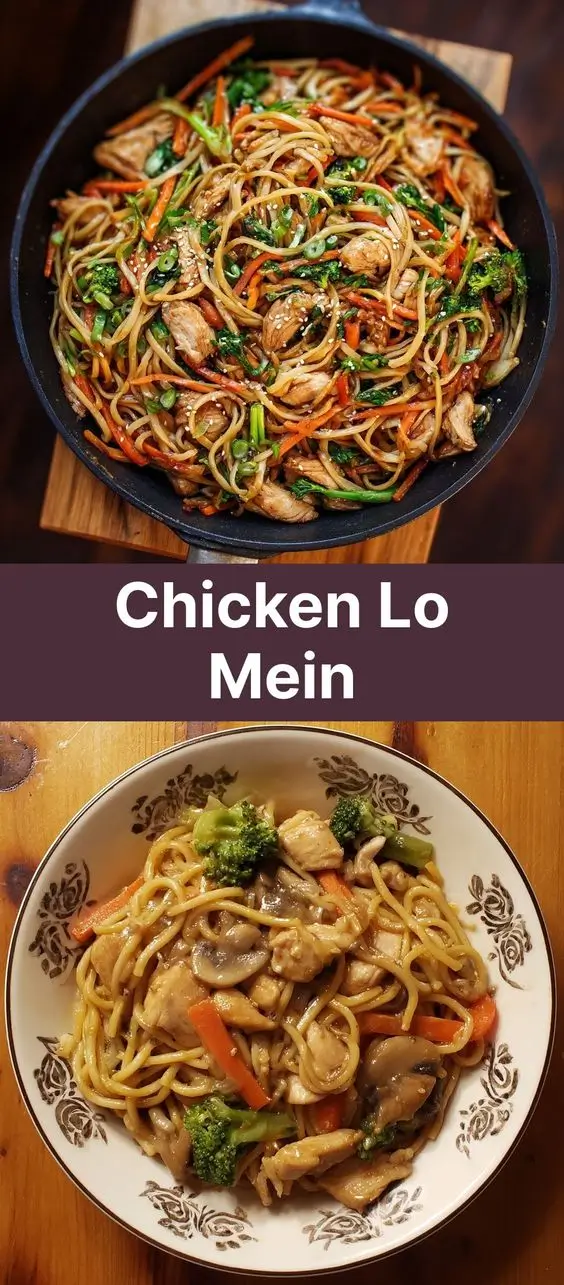
Chicken Lo Mein is one of the most beloved dishes in Chinese-American cuisine, celebrated for its rich umami flavor, tender chicken, vibrant vegetables, and springy noodles. Whether enjoyed at your favorite local takeout spot or made fresh at home, this dish delivers comfort in every bite. With its golden-brown sauce clinging to perfectly cooked lo mein noodles, Chicken Lo Mein strikes a delicate balance between savory, slightly sweet, and subtly tangy notes that keep you coming back for more. It’s not just a meal—it’s an experience. In this comprehensive guide, we’ll dive deep into everything you need to know about Chicken Lo Mein, from its historical roots to step-by-step cooking instructions, customization ideas, nutritional insights, and frequently asked questions.
The History
Lo Mein, which translates to “stirred noodles” or “tossed noodles” in Cantonese (from lāo miàn, with “lāo” meaning to stir and “miàn” meaning noodles), has ancient origins rooted in Chinese culinary traditions dating back over 2,000 years. Noodles themselves were first documented during the Han Dynasty (206 BCE–220 CE) and have since become a staple across China. The technique of tossing noodles with sauce and ingredients like meat and vegetables evolved as a way to create hearty, satisfying meals using readily available ingredients.
Traditional Lo Mein originated in northern China, where wheat-based foods are more common due to the region’s climate being suitable for wheat farming. Over time, regional variations developed—Cantonese-style Lo Mein often features softer noodles and a darker soy-based sauce, while Northern versions may use chewier hand-pulled noodles. When Chinese immigrants brought their culinary heritage to the United States in the 19th and early 20th centuries, they adapted recipes to suit local tastes and ingredient availability. This gave rise to American-Chinese Chicken Lo Mein—a fusion dish characterized by its glossy brown sauce, crisp-tender vegetables, and generous portions of chicken breast or thigh.
Today, Chicken Lo Mein stands as a symbol of cultural adaptation and culinary innovation, bridging traditional Chinese cooking techniques with Western palates. It remains a cornerstone of Chinese-American restaurant menus and a go-to choice for home cooks seeking a quick yet flavorful weeknight dinner.
Ingredients Breakdown
To make authentic-tasting Chicken Lo Mein at home, it’s essential to understand each component and its role in building flavor, texture, and aroma. Below is a detailed breakdown of all key ingredients:
- Lo Mein Noodles: These are medium-thick, yellow alkaline wheat noodles made with egg. They’re soft yet resilient, capable of absorbing sauce without becoming mushy. Fresh or dried lo mein noodles can be used; if unavailable, substitutes like ramen (without seasoning packet), chow mein noodles, or even spaghetti work in a pinch.
- Chicken Breast or Thigh: Boneless, skinless chicken breast is commonly used for its lean profile and mild taste, but dark meat lovers might prefer chicken thighs for added juiciness and richness. The chicken should be thinly sliced against the grain for tenderness.
- Soy Sauce: Provides saltiness and depth. Use light soy sauce for seasoning and dark soy sauce (if available) for color and a touch of molasses-like sweetness. Low-sodium options help control salt levels.
- Oyster Sauce: A thick, savory condiment made from oyster extracts, sugar, and soy sauce. It adds a deep umami backbone and subtle sweetness crucial to the dish’s complexity.
- Sesame Oil: Used sparingly at the end of cooking, toasted sesame oil imparts a nutty, aromatic finish that elevates the entire dish.
- Vegetable Oil: Neutral oils like canola, grapeseed, or peanut oil are ideal for high-heat stir-frying without overpowering flavors.
- Garlic: Minced fresh garlic brings pungency and warmth, forming part of the flavor base.
- Ginger: Fresh grated or minced ginger contributes brightness and a slight zing, balancing out the richness of the sauce.
- Green Onions (Scallions): Used both in the stir-fry and as garnish, green onions add freshness and mild onion flavor.
- Carrots: Julienned or thinly sliced carrots provide sweetness, color, and crunch.
- Cabbage: Napa cabbage or green cabbage adds bulk and a crisp texture when stir-fried briefly.
- Bell Peppers: Red or yellow bell peppers contribute sweetness and vibrant color.
- Bean Sprouts: Often added toward the end for a refreshing, juicy crunch.
- Shiitake Mushrooms: Rehydrated dried shiitakes or fresh ones offer earthy flavor and meaty texture.
- Water or Chicken Broth: Helps loosen the sauce and steam the vegetables slightly during cooking.
- Cornstarch: Mixed with water to form a slurry, it thickens the sauce so it coats the noodles evenly.
- Sugar or Honey: A small amount balances the saltiness and enhances browning.
- White Pepper: Preferred over black pepper in many Chinese kitchens for its milder heat and cleaner taste.
- Rice Vinegar (optional): A splash adds brightness and cuts through richness.
Step-by-Step Recipe
Now that we’ve explored the components, let’s walk through how to prepare delicious Chicken Lo Mein from scratch. This recipe serves 4 and takes approximately 45 minutes from prep to plate.
Ingredients
- 8 oz (225g) dried lo mein noodles or fresh egg noodles
- 1 lb (450g) boneless, skinless chicken breast or thighs, thinly sliced
- 3 tbsp vegetable oil (divided)
- 3 cloves garlic, minced
- 1 tbsp fresh ginger, grated
- 1 large carrot, julienned
- 2 cups Napa cabbage, shredded
- 1 red bell pepper, thinly sliced
- 1 cup shiitake mushrooms, sliced (fresh or rehydrated)
- 1/2 cup bean sprouts
- 4 green onions, cut into 1-inch pieces (whites and greens separated)
- 3 tbsp low-sodium soy sauce
- 2 tbsp oyster sauce
- 1 tsp dark soy sauce (optional, for color)
- 1 tsp sugar or honey
- 1/2 tsp white pepper
- 1/4 cup chicken broth or water
- 1 tbsp cornstarch + 2 tbsp water (slurry)
- 1 tsp toasted sesame oil
Directions
- Cook the Noodles: Bring a large pot of salted water to a boil. Add the lo mein noodles and cook according to package instructions until just shy of al dente (usually 1–2 minutes less than recommended). Drain and rinse under cold water to stop cooking. Toss with a little oil to prevent sticking and set aside.
- Marinate the Chicken (Optional):strong> In a bowl, combine sliced chicken with 1 tbsp soy sauce, 1 tsp cornstarch, and 1 tsp rice wine or dry sherry (if using). Let sit for 15–20 minutes to enhance tenderness and flavor.
- Prepare the Sauce: In a small bowl, whisk together soy sauce, oyster sauce, dark soy sauce (if using), sugar, white pepper, and chicken broth. Set aside.
- Stir-Fry the Chicken: Heat 1½ tbsp vegetable oil in a wok or large skillet over high heat. Add marinated chicken in a single layer and cook undisturbed for 1–2 minutes until lightly browned. Stir and continue cooking until fully cooked through (about 3–4 minutes total). Remove chicken and set aside.
- Stir-Fry the Aromatics: Add remaining 1½ tbsp oil to the same wok. Lower heat slightly and add garlic, ginger, and the white parts of green onions. Stir-fry for 30 seconds until fragrant—do not burn.
- Cook the Vegetables: Increase heat to high again. Add carrots, bell peppers, mushrooms, and cabbage. Stir-fry for 2–3 minutes until vegetables are crisp-tender. If needed, splash in a tablespoon of water and cover briefly to steam.
- Add Noodles and Sauce: Add the cooked noodles and reserved chicken to the wok. Pour in the prepared sauce and toss everything together using tongs or two spatulas. Cook for 1–2 minutes, ensuring even coating.
- Thicken the Sauce: Stir the cornstarch slurry and add it to the wok. Continue tossing until the sauce thickens and clings to the noodles—this should take about 30 seconds to 1 minute.
- Finish with Final Touches: Turn off the heat. Stir in bean sprouts, green parts of scallions, and toasted sesame oil. Gently toss to combine. Taste and adjust seasoning with extra soy sauce or a pinch of sugar if desired.
- Serve Immediately: Plate the Chicken Lo Mein hot, ideally straight from the wok. Garnish with extra green onions, sesame seeds, or chili flakes if desired.
Tips
- Use High Heat: Stir-frying requires intense heat to achieve the signature “wok hei” (breath of the wok)—a smoky, charred aroma that defines great Asian stir-fries.
- Prep Everything Ahead: Mise en place is critical. Have all ingredients chopped, sauces mixed, and tools ready before turning on the stove.
- Don’t Overcook the Noodles: Slightly undercooking them ensures they hold up during stir-frying and don’t turn mushy.
- Drain Noodles Well: Excess moisture can make the final dish watery. Shake off water thoroughly after rinsing.
- Work in Batches: Avoid overcrowding the wok. Cooking too many ingredients at once lowers the temperature and causes steaming instead of searing.
- Customize Doneness: Prefer softer veggies? Add a splash of water and cover the wok for 1 minute. Like them crunchy? Reduce stir-fry time.
- Boost Umami: Add a few drops of fish sauce or a teaspoon of fermented black bean paste for deeper savoriness.
- Reserve Some Garnishes: Keep some fresh herbs, scallion greens, or sprouts aside to sprinkle on top for visual appeal and freshness.
Variations and Customizations
One of the greatest strengths of Chicken Lo Mein is its versatility. Here are several ways to adapt the dish based on dietary needs, preferences, or what’s in your pantry:
- Vegetarian Lo Mein: Omit the chicken and use tofu, tempeh, or seitan. Replace oyster sauce with mushroom sauce or vegetarian stir-fry sauce.
- Gluten-Free Option: Substitute tamari for soy sauce, ensure oyster sauce is gluten-free (or use coconut aminos), and use rice noodles or GF lo mein alternatives.
- Spicy Kick: Add sliced Thai chilies, chili garlic sauce, or a drizzle of Lao Gan Ma chili crisp before serving.
- Seafood Lo Mein: Swap chicken with shrimp, scallops, or imitation crab meat. Add seafood near the end to avoid overcooking.
- Pork or Beef Lo Mein: Thinly sliced pork tenderloin or flank steak works beautifully. Marinate similarly for best results.
- Different Noodles: Try udon, soba, or even angel hair pasta for unique textures. Adjust cooking times accordingly.
- Extra Veggies: Incorporate snow peas, baby corn, bok choy, broccoli, or zucchini for more nutrients and variety.
- Sweet & Sour Lo Mein: Add pineapple chunks and increase sugar slightly, finishing with a splash of rice vinegar for tang.
- Crispy Topping: Top with fried shallots, crushed peanuts, or crispy wonton strips for added crunch.
- Low-Carb/Keto Version: Use spiralized zucchini (zoodles), shirataki noodles, or kelp noodles. Adjust sauce to reduce sugar and thicken with xanthan gum instead of cornstarch.
Health Considerations and Nutritional Value
While Chicken Lo Mein is undeniably delicious, understanding its nutritional profile helps you enjoy it mindfully. A typical serving (about 1.5 cups) contains roughly:
- Calories: ~400–500 kcal
- Protein: ~25–30g (from chicken and noodles)
- Carbohydrates: ~50–60g (mainly from wheat noodles)
- Fat: ~10–14g (mostly healthy unsaturated fats if using vegetable oil)
- Sodium: ~900–1,300mg (can be reduced by using low-sodium soy sauce and limiting added salt)
Health Benefits:
- High-quality protein supports muscle repair and satiety.
- Vegetables contribute fiber, vitamins A, C, K, and antioxidants.
- Ginger and garlic possess anti-inflammatory and immune-boosting properties.
- Whole grain or legume-based noodles (when substituted) increase fiber and nutrient density.
Potential Concerns:
- Sodium Content: Traditional versions can be high in sodium due to soy sauce and oyster sauce. Opt for reduced-sodium versions and moderate portion sizes.
- Refined Carbs: Standard lo mein noodles are made from refined wheat flour, leading to rapid blood sugar spikes. Choose whole wheat, buckwheat, or vegetable noodles for better glycemic control.
- Oil Usage: Stir-frying uses oil, which increases fat content. Use non-stick pans and measure oil carefully to minimize excess.
- Allergens: Contains gluten (wheat), eggs (in noodles), and soy. Always check labels if serving those with allergies.
For healthier renditions:
- Increase the vegetable-to-noodle ratio.
- Bake or grill chicken separately and reduce oil in stir-frying.
- Use natural sweeteners like monk fruit instead of sugar.
- Portion servings with a side salad or steamed greens.
FAQ
Q: What’s the difference between Lo Mein and Chow Mein?
A: The main distinction lies in preparation. “Lo Mein” means “tossed noodles,” which are boiled and then mixed with sauce and ingredients. “Chow Mein” means “fried noodles,” typically pan-fried or deep-fried until crispy. Lo Mein is softer and saucier, while Chow Mein has a crunchier texture.
Q: Can I make Chicken Lo Mein ahead of time?
A: Yes, but best reheated properly. Store leftovers in an airtight container in the fridge for up to 3 days. Reheat in a wok or skillet with a splash of water or broth to restore moisture. Microwaving can make noodles gummy.
Q: Are lo mein noodles the same as ramen?
A: Not exactly. While both are wheat-based and often contain egg, lo mein noodles are generally thicker and less brittle than ramen. Ramen is specifically designed for soups and has a different alkalinity level. However, unseasoned ramen noodles can substitute in a pinch.
Q: Why did my sauce turn out too thin or too thick?
A: Sauce consistency depends on the cornstarch slurry. Too thin? Add another ½ tsp cornstarch mixed with water. Too thick? Dilute with a few teaspoons of broth or water. Always stir constantly when adding slurry to prevent lumps.
Q: Can I freeze Chicken Lo Mein?
A: Freezing is possible but not ideal. Noodles may become soggy upon thawing and reheating. If freezing, do so within 2 hours of cooking and consume within 1 month. Thaw overnight in the fridge and reheat in a wok.
Q: Is Chicken Lo Mein spicy?
A: Traditionally, no. Classic Chicken Lo Mein is savory and mildly sweet. However, you can easily customize it with chili oil, fresh peppers, or hot sauce to suit your spice preference.
Q: How do I get restaurant-quality results at home?
A: Key factors include high heat, proper knife skills (uniform cuts), quick cooking times, and using a well-seasoned wok. Also, avoid overcrowding the pan and toss continuously for even heating.
Summary
Chicken Lo Mein is a comforting, flavorful dish that combines tender chicken, colorful vegetables, and springy noodles tossed in a savory-sweet sauce. Rooted in Chinese tradition and perfected in American kitchens, it offers endless possibilities for customization and enjoyment.