Introduction
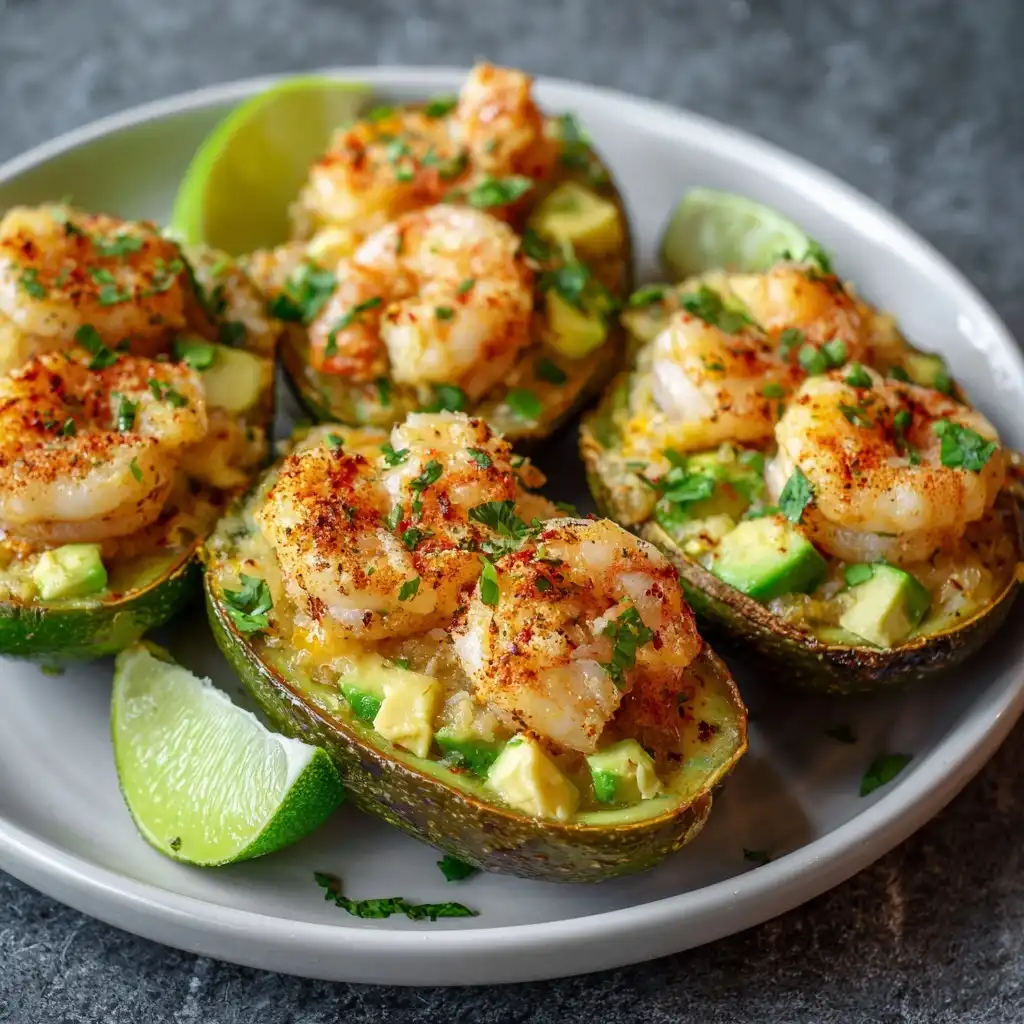
Shrimp Taco Stuffed Avocados are a vibrant, nutrient-dense, and restaurant-worthy dish that effortlessly bridges the gap between healthy eating and bold, satisfying flavor. This modern twist on traditional tacos ditches the tortilla in favor of creamy, buttery avocado halves—acting as both vessel and superfood—and fills them with zesty, perfectly seasoned sautéed shrimp, fresh pico de gallo, tangy lime crema, and crunchy toppings. Ideal for weeknight dinners, summer entertaining, meal prep, or even elegant appetizers, these stuffed avocados deliver maximum taste with minimal guilt. They’re naturally gluten-free, low-carb, keto-friendly, paleo-compliant, and easily adaptable to vegan or vegetarian preferences (with substitutions). More than just a trendy recipe, this dish embodies the culinary philosophy of “whole-food elegance”—celebrating freshness, texture contrast, vibrant color, and mindful ingredient sourcing.
The History
While avocado-based dishes have deep roots in Mesoamerican cuisine—dating back over 10,000 years to the ancient Aztecs and Mayans—the concept of “stuffed avocados” as a standalone entrée is a relatively recent innovation born from the convergence of several food movements. The avocado’s rise to global prominence accelerated after the 1994 NAFTA agreement lifted import restrictions on Mexican avocados into the U.S., paving the way for year-round availability and mainstream adoption. Meanwhile, the early 2010s saw an explosion of “deconstructed” and “boat-style” recipes—think stuffed bell peppers, baked sweet potatoes, and avocado boats—as home cooks sought visually appealing, portable, and nutritionally balanced meals aligned with growing interest in clean eating and macro tracking. Shrimp tacos themselves trace their origins to coastal regions of Baja California and Sonora, where grilled or beer-battered shrimp were served on small corn tortillas with cabbage, lime, and chipotle mayo. The fusion into avocado “boats” gained traction around 2015–2016 on food blogs and Instagram, championed by wellness influencers and chefs emphasizing healthy fats, sustainable seafood, and reduced refined carbohydrate intake. Today, Shrimp Taco Stuffed Avocados symbolize a broader cultural shift: honoring ancestral ingredients (avocado, lime, cilantro, corn) through contemporary techniques and dietary consciousness—making history not just edible, but empowering.
Ingredients Breakdown
Every component in this dish serves a distinct sensory and nutritional purpose—layering flavor, texture, temperature, acidity, richness, and crunch. Understanding each ingredient’s role elevates your execution and empowers smart substitutions:
- Avocados (Hass variety preferred): The foundational “boat.” Ripe but firm Hass avocados offer ideal creaminess, structural integrity, and a subtle nutty-sweet base that balances bold seasonings. Rich in heart-healthy monounsaturated fats (especially oleic acid), fiber, potassium (more than bananas!), folate, and antioxidants like lutein and beta-carotene.
- Wild-caught shrimp (31/40 or 21/25 count): Sustainably sourced shrimp provides lean, high-quality protein and essential nutrients including selenium, vitamin B12, iodine, and astaxanthin—a potent anti-inflammatory carotenoid responsible for shrimp’s pink hue. Wild-caught varieties (e.g., Gulf white shrimp or Pacific spot prawns) generally offer superior flavor, firmer texture, and lower contaminant risk than many farmed alternatives.
- Chipotle powder & smoked paprika: Not just heat sources—they impart deep, smoky complexity. Chipotle powder is dried, smoked jalapeños; smoked paprika adds earthy sweetness without overwhelming spice. Together, they create the signature “taco grill” aroma without needing actual charring.
- Fresh lime juice & zest: Lime juice delivers bright acidity to cut through richness and enhance shrimp’s natural sweetness; lime zest contributes volatile citrus oils for aromatic lift and intensity. Always use freshly squeezed juice—bottled versions lack nuance and contain preservatives.
- Red onion & jalapeño: Provide sharp, crisp bite and enzymatic heat. Soaking diced red onion in cold lime water for 5–10 minutes mellows its harsh sulfur compounds while infusing it with acidity—a pro technique used in authentic Mexican salsas.
- Fresh cilantro: Adds a distinctive herbal, citrusy note rich in vitamins A, C, and K, plus quercetin and kaempferol—flavonoids with anti-inflammatory properties. For those with the “cilantro soap gene” (OR7D4 receptor variant), flat-leaf parsley or culantro can be substituted without sacrificing freshness.
- Crumbled cotija cheese: A crumbly, salty, slightly funky Mexican aged cheese made from cow’s milk. Its briny umami cuts through fat and adds textural contrast. Nutritionally, it offers calcium and probiotics (if unpasteurized and traditionally made), though most commercial cotija is pasteurized.
- Homemade lime crema: A luxurious, cooling counterpoint made from full-fat Greek yogurt (or sour cream) blended with lime juice, zest, garlic powder, and a touch of honey or agave. Greek yogurt boosts protein and gut-friendly probiotics versus traditional sour cream.
- Extra-virgin olive oil (or avocado oil): Used for sautéing—chosen for high smoke point (avocado oil: 520°F) and neutral flavor, preserving shrimp’s delicacy. EVOO adds polyphenols and antioxidants when used raw as a finishing drizzle.
- Optional garnishes (radish, microgreens, pepitas, pickled red onions): Elevate visual appeal and introduce additional phytonutrients—radishes offer glucosinolates (cancer-fighting compounds), microgreens pack up to 40x more nutrients than mature plants, pepitas supply magnesium and zinc, and fermented pickles add live probiotics.
Step-by-Step Recipe
- Select & Prep Avocados: Choose 4 medium-large Hass avocados with dark, pebbly skin that yield slightly to gentle palm pressure (not finger pressure—this prevents bruising). Cut each lengthwise around the pit, twist to separate, then carefully tap a chef’s knife into the pit and twist to lift it out. Scoop out about 2 tablespoons of flesh from each half with a spoon, leaving a ¼-inch-thick shell wall intact to maintain structure. Place halves face-up on a parchment-lined tray; lightly brush cut surfaces with lime juice to prevent browning. Refrigerate uncovered while prepping other components (up to 1 hour).
- Prepare Pico de Gallo: In a non-reactive bowl, combine 1 cup finely diced ripe tomatoes (seeds and excess juice removed for texture), ½ cup finely diced red onion (soaked in lime juice water for 8 minutes, then drained), 1 finely minced jalapeño (seeds removed for mild heat), ¼ cup chopped fresh cilantro, 2 tbsp fresh lime juice, ½ tsp sea salt, and a pinch of ground cumin. Gently fold—do not crush. Let rest at room temperature for 15 minutes to allow flavors to meld.
- Make Lime Crema: In a small blender or using a whisk, combine ½ cup plain full-fat Greek yogurt, 2 tbsp fresh lime juice, 1 tsp lime zest, ¼ tsp garlic powder, ¼ tsp sea salt, and ½ tsp raw honey or agave nectar. Blend until ultra-smooth (about 30 seconds). Taste and adjust acidity/salt. Transfer to a squeeze bottle or piping bag for precise application. Chill until ready to use.
- Season & Cook Shrimp: Pat 1 lb peeled, deveined, tail-off shrimp *very* dry with paper towels—critical for caramelization, not steaming. In a bowl, toss shrimp with 1½ tbsp avocado oil, 1½ tsp chipotle powder, 1 tsp smoked paprika, 1 tsp ground cumin, 1 tsp garlic powder, 1 tsp onion powder, 1½ tsp sea salt, and ½ tsp freshly cracked black pepper. Let marinate 10 minutes at room temperature (no longer—acidic marinades can begin to “cook” shrimp). Heat a heavy-bottomed stainless steel or cast-iron skillet over medium-high heat until shimmering. Add shrimp in a single layer—do not crowd. Cook 1½–2 minutes per side, flipping once, until opaque pink with golden edges. Remove immediately to a plate; do not overcook.
- Assemble with Intention: Spoon 2–3 tbsp pico de gallo into each avocado half, mounding slightly. Arrange 4–5 shrimp over the pico. Drizzle generously with lime crema in a zigzag pattern. Sprinkle with 1 tbsp crumbled cotija, 1 tbsp finely sliced radish, and a small handful of microgreens or extra cilantro. Finish with a light drizzle of high-quality extra-virgin olive oil and a final pinch of flaky sea salt (like Maldon).
- Serve Immediately: These are best enjoyed within 15–20 minutes of assembly to preserve avocado texture, shrimp warmth, and crema consistency. Serve with lime wedges and optional warm corn tortillas on the side for scooping.
Tips
- Avocado Ripeness is Non-Negotiable: Underripe avocados won’t yield to the spoon and lack creaminess; overripe ones turn mushy and brown quickly. Test by gently pressing near the stem end—if it yields like a ripe peach, it’s perfect. Store uncut ripe avocados in the fridge to slow ripening by 2–3 days.
- Dry Shrimp = Golden Shrimp: Moisture is the enemy of sear. After deveining, rinse shrimp briefly, then pat *thoroughly* with triple-layered paper towels. Even a damp surface causes steaming instead of caramelization.
- Control Heat Like a Pro: Shrimp cook in minutes. If your pan smokes before adding shrimp, it’s too hot—let it cool 15 seconds. If shrimp release liquid upon contact, heat is too low. Ideal temp: a drop of water should skitter and evaporate instantly.
- Don’t Skip the Lime Juice Brush: Oxidation begins the millisecond avocado is exposed to air. A thin, even coat of lime juice creates a protective barrier without making the flesh soggy. Use a pastry brush for precision.
- Layer Flavors Strategically: Build from bottom up: acidic pico first (it seasons the avocado), then warm shrimp (heat slightly softens the pico), then cool crema (temperature contrast), then salty/earthy toppings (cotija, radish) for finish. This layering ensures every bite delivers balanced complexity.
- Prevent Soggy Bottoms: If prepping ahead, keep pico de gallo and shrimp separate from avocados until the final 5 minutes. Drain pico well—or serve it alongside for guests to add themselves.
- Boost Umami Depth: Add ½ tsp of naturally brewed tamari or coconut aminos to the shrimp marinade for savory depth without gluten or excessive sodium. Or finish with a light dusting of nutritional yeast for cheesy, nutty notes (vegan-friendly).
- Texture Matters: For maximum crunch contrast, toast pepitas or slivered almonds in the same skillet (after removing shrimp) for 1–2 minutes until fragrant, then sprinkle on top just before serving.
- Chill Your Serving Platter: Place the avocado halves on a chilled ceramic or marble platter—it keeps the crema thick and the avocados refreshingly cool against the warm shrimp.
- Leftover Magic: Extra pico de gallo lasts 3 days refrigerated; lime crema keeps 5 days; cooked shrimp stays fresh 3 days. Repurpose leftovers into grain bowls, omelets, or shrimp salad wraps.
Variations and Customizations
This recipe is a canvas—not a cage. Adapt it to your pantry, preferences, dietary needs, or seasonal produce:
- Protein Swaps: Grilled mahi-mahi or flaky cod for a milder flavor; spiced chickpeas or black beans (roasted with taco spices) for plant-based power; shredded rotisserie chicken or carnitas for heartier texture; or even seared scallops for luxury.
- Heat Level Adjustments: Mild: Omit jalapeño, use only ½ tsp chipotle, add roasted poblano strips. Medium: Keep as written. Hot: Add 1 tsp adobo sauce from chipotle cans, include jalapeño seeds, or top with pickled habaneros.
- Global Twists: Asian-Inspired: Swap chipotle for gochujang + ginger; use mango-pineapple salsa; top with toasted sesame seeds and scallions. Mediterranean: Replace taco spices with za’atar and lemon zest; use cucumber-tomato-dill relish; garnish with feta and kalamata olives. Indian Fusion: Use garam masala + turmeric; mango chutney instead of pico; top with cilantro-mint chutney and sev.
- Dietary Accommodations: Keto/Low-Carb: Ensure all spices are sugar-free; skip honey in crema; double cotija. Vegan: Use hearts of palm “shrimp” or king oyster mushroom “scallops”; cashew-lime crema; vegan cotija (almond-based); nutritional yeast. Paleo: Substitute coconut aminos for any soy-based elements; ensure spices are certified additive-free.
- Seasonal Variations: Spring: Asparagus ribbons + pea shoots + lemon-thyme crema. Summer: Heirloom tomato & corn pico + grilled corn kernels + basil oil. Fall: Roasted sweet potato cubes + apple-cider pico + candied pecans. Winter: Citrus segments (grapefruit/orange) + pomegranate arils + rosemary-lime crema.
- Texture Upgrades: Add crispy fried shallots, crushed plantain chips, jicama matchsticks, toasted pepitas, or quick-pickled red cabbage for layered crunch.
- Flavor Infusions: Steep the avocado oil with smashed garlic and chipotle before cooking shrimp. Infuse the lime crema with fresh mint or basil. Marinate shrimp in a splash of cold-brew coffee + chipotle for deep, roasty notes.
- Meal Prep Friendly: Pre-portion pico, crema, and seasoned shrimp (uncooked) in separate airtight containers. Assemble fresh—takes under 5 minutes. Avocado halves (brushed/lime-treated) hold 24 hours refrigerated if tightly wrapped in beeswax wrap or pressed with plastic wrap touching the surface.
Health Considerations and Nutritional Value
A single serving (1 stuffed avocado half with ¼ of recipe’s shrimp, pico, and crema) delivers approximately 420–480 calories, with exceptional macro- and micronutrient density:
- Heart Health Powerhouse: Monounsaturated fats (avocado) + omega-3s (shrimp) + potassium (avocado + lime) work synergistically to support healthy blood pressure, cholesterol profiles (lowering LDL, raising HDL), and arterial elasticity. Studies link regular avocado consumption to reduced risk of metabolic syndrome.
- Anti-Inflammatory Synergy: Astaxanthin (shrimp), lutein (avocado), quercetin (onion, cilantro), vitamin C (lime, tomatoes), and polyphenols (olive oil, chipotle) create a multi-pathway defense against chronic inflammation—the root of many modern diseases.
- Gut-Friendly Design: Prebiotic fiber (avocado, onion, tomato) feeds beneficial gut bacteria; probiotics (Greek yogurt crema, fermented toppings) introduce live cultures; polyphenols further modulate microbiome diversity. This trio supports digestion, immunity, and even mood regulation via the gut-brain axis.
- Metabolic Support: High-quality protein (shrimp + yogurt) promotes satiety and muscle protein synthesis; healthy fats slow gastric emptying, preventing blood sugar spikes; chromium (in broccoli sprouts/microgreens, if used) enhances insulin sensitivity.
- Nutrient Density Over Calorie Count: Packed with >20 vitamins/minerals—including 40% DV folate (crucial for DNA repair), 35% DV vitamin K (bone/vascular health), 25% DV vitamin C (collagen synthesis, immunity), and 20% DV copper (energy metabolism)—this dish exemplifies “nutrient per calorie” excellence.
- Considerations & Modifications: For sodium-conscious individuals, reduce added salt by 50% and rely on lime, herbs, and spices for flavor; choose low-sodium cotija or omit. Those with shellfish allergies must substitute proteins entirely. For histamine sensitivity, avoid aged cheeses (cotija) and opt for fresh goat cheese or omit. Individuals managing kidney disease should consult a dietitian regarding potassium intake from avocado—though evidence increasingly supports moderate avocado consumption even in CKD stages 3–4 when managed holistically.
This isn’t just “healthy food”—it’s food-as-medicine, crafted with intention, science-backed ingredients, and respect for how whole foods interact within the human body.
Ingredients
- 4 ripe but firm Hass avocados
- 1 pound wild-caught, peeled, deveined, tail-off shrimp (31/40 count)
- 3 tablespoons avocado oil (or high-heat olive oil), divided
- 1½ teaspoons chipotle powder
- 1 teaspoon smoked paprika
- 1 teaspoon ground cumin
- 1 teaspoon garlic powder
- 1 teaspoon onion powder
- 1½ teaspoons fine sea salt, plus more for finishing
- ½ teaspoon freshly cracked black pepper
- 1 cup ripe tomato, seeds and excess juice removed, finely diced
- ½ cup red onion, finely diced
- 2 tablespoons fresh lime juice (plus zest of 2 limes)
- 1 jalapeño, finely minced (seeds removed for mild heat)
- ¼ cup fresh cilantro leaves, roughly chopped
- ½ teaspoon ground cumin (for pico)
- ½ cup plain full-fat Greek yogurt
- 2 tablespoons fresh lime juice
- 1 teaspoon lime zest
- ¼ teaspoon garlic powder
- ¼ teaspoon sea salt
- ½ teaspoon raw honey or agave nectar
- ⅓ cup crumbled cotija cheese
- ¼ cup thinly sliced radish
- ¼ cup microgreens or extra cilantro
- Flaky sea salt (like Maldon), for finishing
- Extra-virgin olive oil, for drizzling
- Lime wedges, for serving
Directions
- Prepare avocados: Cut each avocado in half lengthwise around the pit. Twist to separate. Carefully remove pit by tapping knife into it and twisting. Scoop out ~2 tablespoons of flesh from each half, leaving a sturdy ¼-inch shell. Brush all cut surfaces lightly with lime juice. Place face-up on a parchment-lined tray. Refrigerate.
- Make pico de gallo: In a bowl, combine tomato, red onion, 2 tbsp lime juice, jalapeño, cilantro, ½ tsp cumin, and ½ tsp salt. Stir gently. Let sit 15 minutes at room temperature.
- Make lime crema: In a blender or bowl, whisk together Greek yogurt, 2 tbsp lime juice, 1 tsp lime zest, ¼ tsp garlic powder, ¼ tsp salt, and honey until smooth. Transfer to a squeeze bottle. Chill.
- Marinate shrimp: Pat shrimp *extremely* dry. In a bowl, toss with 1½ tbsp avocado oil, chipotle powder, smoked paprika, 1 tsp cumin, 1 tsp garlic powder, 1 tsp onion powder, 1½ tsp salt, and pepper. Let sit 10 minutes.
- Cook shrimp: Heat remaining 1½ tbsp avocado oil in a large skillet over medium-high heat until shimmering. Add shrimp in a single layer. Cook 1½–2 minutes per side until opaque and lightly golden. Transfer to a plate immediately.
- Assemble: Spoon 2–3 tbsp pico into each avocado half. Top with 4–5 shrimp. Drizzle generously with lime crema. Sprinkle with cotija, radish, and microgreens. Finish with flaky salt, a drizzle of EVOO, and lime wedges.
- Serve immediately.
FAQ
- Can I make these ahead of time?
- Yes—with smart planning! Prepare pico de gallo and lime crema up to 3 days ahead. Cook shrimp up to 1 day ahead and refrigerate. Brush avocado halves with lime juice and store tightly wrapped (plastic wrap pressed directly onto surface) for up to 24 hours. Assemble no more than 15 minutes before serving for optimal texture and freshness.
- Why does my shrimp get rubbery?
- Rubberiness is caused by overcooking. Shrimp cook incredibly fast—just 1½–2 minutes per side. Remove them the *instant* they turn opaque pink with a slight curl (like a loose “C”). Carryover heat will finish them. Also ensure shrimp are very dry before cooking and the pan is hot enough to sear, not steam.
- What if I can’t find chipotle powder?
- You can substitute 1 tsp smoked paprika + ¼ tsp cayenne pepper for heat and smokiness. Or use 1–2 tsp adobo sauce (from canned chipotles) mixed into the marinade—but reduce added salt, as adobo is salty. Avoid regular chili powder—it lacks the deep smoke.
- Is there a dairy-free alternative to lime crema?
- Absolutely. Blend ½ cup raw cashews (soaked 4 hours, drained), ¼ cup coconut milk (full-fat), 2 tbsp lime juice, 1 tsp lime zest, ¼ tsp garlic powder, ¼ tsp salt, and ½ tsp agave until silky smooth. Chill 1 hour to thicken. For a quicker option, use unsweetened coconut yogurt + lime zest/juice.
- Can I bake the shrimp instead of sautéing?
- Yes—but broiling yields better results than baking. Toss marinated shrimp on a foil-lined sheet pan. Broil on high for 2–3 minutes per side, watching closely. Baking at 400°F takes 6–8 minutes and risks drying—only recommended if you’ll serve immediately and don’t mind slightly less texture.
- How do I pick the best avocados?
- Look for dark, pebbly skin without major dents or cracks. Gently press near the stem end—if it yields like a ripe peach, it’s ready. If hard, ripen at room temperature in a paper bag with a banana (ethylene gas speeds ripening). Once ripe, refrigerate to pause ripening for 2–3 days.
- Can I use frozen shrimp?
- Yes—but thaw properly: place sealed bag in cold water for 15–20 minutes, then pat *extremely* dry. Never microwave-thaw, as partial cooking leads to uneven texture. Frozen wild-caught shrimp are often fresher than “fresh” supermarket shrimp (which may have been previously frozen and thawed).
- What’s the best way to cut an avocado without slipping?
- Place avocado on a stable cutting board. Hold firmly with non-dominant hand, fingers curled inward. With dominant hand, slice lengthwise around the pit with a sharp chef’s knife—apply steady, even pressure. Rotate avocado and repeat. Twist halves apart. For pit removal, tap knife gently into pit, twist counter-clockwise, and lift out. Wipe blade clean before scooping.
- Are these suitable for weight loss?
- Yes—when portioned mindfully. Healthy fats promote satiety, reducing cravings. High protein preserves lean muscle during calorie reduction. Low net carbs support stable energy. Focus on whole ingredients, skip sugary sauces, and balance with non-starchy vegetables elsewhere in your day.
- Can kids enjoy these?
- Absolutely! Reduce or omit jalapeño, use mild spices, and add a touch of honey to crema for sweetness. Kids love the creamy avocado and fun “boat” presentation. Let them assemble their own—boosts engagement and veggie acceptance. Pair with simple sides like roasted sweet potato fries or black bean dip.
Summary
Shrimp Taco Stuffed Avocados are a masterclass in modern, nutrient-dense cooking—uniting the creamy richness of ripe avocado, the delicate sweetness of sustainably sourced shrimp, the bright acidity of fresh lime, and the smoky depth of authentic Mexican spices—all layered with vibrant, crunchy, and probiotic-rich toppings for a symphony of flavor, texture, and wellness.
Effortlessly adaptable for keto, paleo, gluten-free, or plant-based diets, this dish proves that health-conscious eating need never sacrifice indulgence, artistry, or deep-rooted culinary tradition—it simply reimagines it, one stunning, nourishing bite at a time.