Introduction
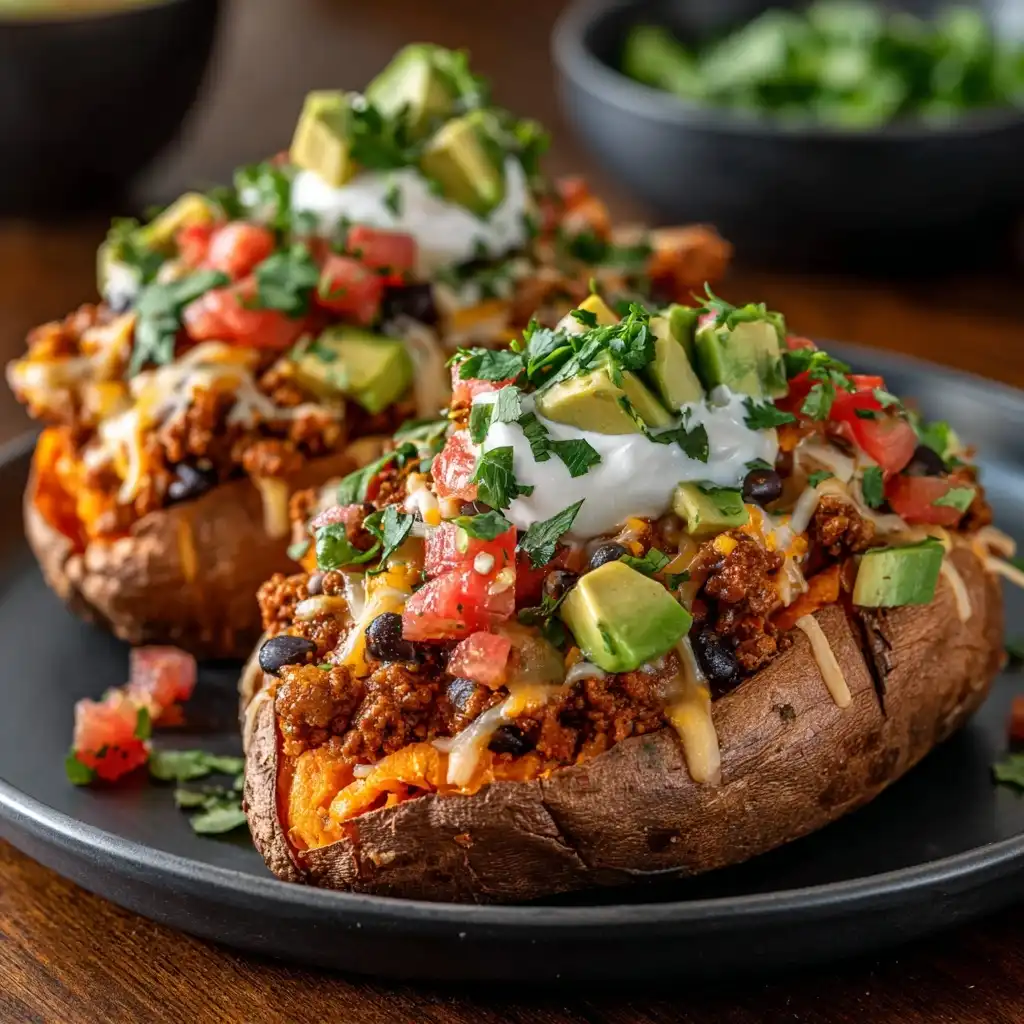
Taco Stuffed Sweet Potatoes are a vibrant, nutrient-dense fusion dish that marries the earthy sweetness of roasted sweet potatoes with the bold, savory flavors of classic taco fillings. This wholesome meal has surged in popularity across health-conscious kitchens, meal-prep communities, and plant-forward dining spaces—not just for its Instagram-worthy presentation, but for its remarkable versatility, satisfying texture contrast, and deeply comforting taste profile. Unlike traditional tacos served in corn or flour tortillas, this version uses the sweet potato itself as both vessel and nutritional powerhouse—its caramelized, tender flesh providing natural sweetness that perfectly balances spicy, smoky, and tangy elements. Whether you’re seeking a hearty vegetarian main, a high-fiber weeknight dinner, a post-workout recovery meal rich in complex carbs and protein, or an inclusive option for gluten-free, dairy-free, or Whole30-aligned eaters, Taco Stuffed Sweet Potatoes deliver on flavor, function, and flexibility—making them far more than just a passing food trend.
The History
While no single origin story defines the taco-stuffed sweet potato, its emergence reflects broader culinary evolutions rooted in cultural exchange, dietary innovation, and grassroots wellness movements. Sweet potatoes have been cultivated in Central and South America for over 5,000 years—long before Spanish colonization—and were integral to Indigenous Mesoamerican agriculture alongside maize, beans, and squash. In contrast, the modern taco—as we know it—evolved in 19th-century Mexican silver mines, where “taco” referred to small explosive charges wrapped in paper; miners later adapted the term to describe folded corn tortillas filled with meat, chiles, and herbs. The convergence of these two traditions began gaining traction in the United States during the late 20th century, particularly within California’s farm-to-table and macrobiotic circles, where chefs and nutritionists experimented with whole-food swaps—replacing refined grains with intact, fiber-rich vegetables. By the early 2010s, food bloggers, registered dietitians, and clean-eating influencers amplified the concept online, often styling roasted sweet potatoes as “bowls” or “boats” brimming with black beans, avocado crema, pickled red onions, and chipotle-spiked ground turkey. Its rise paralleled growing consumer demand for meals that are simultaneously satiating, colorful, anti-inflammatory, and adaptable—solidifying Taco Stuffed Sweet Potatoes not as a novelty, but as a culturally resonant, nutritionally intelligent evolution of ancestral ingredients meeting contemporary values.
Ingredients Breakdown
Every component in this recipe is intentionally selected for synergistic flavor, layered texture, functional nutrition, and culinary balance:
- Sweet Potatoes (medium to large, ~8–10 oz each): Choose firm, unblemished specimens with deep orange or reddish-purple skin—these varieties boast higher beta-carotene (vitamin A precursor), anthocyanins (in purple types), and resistant starch when cooled. Their natural sugars caramelize beautifully during roasting, creating a creamy-yet-firm base that holds up to generous toppings without becoming mushy.
- Olive Oil or Avocado Oil: Used for roasting, these monounsaturated fats enhance carotenoid absorption (especially vitamin A) and contribute subtle fruitiness or buttery richness. Cold-pressed, extra-virgin olive oil adds phenolic compounds with antioxidant activity.
- Spice Blend (Taco Seasoning): A thoughtfully balanced mix—typically including smoked paprika (for depth and lycopene), cumin (anti-inflammatory terpenes), garlic powder (allicin precursor), onion powder, chili powder (capsaicin for metabolism support), oregano (rosmarinic acid), and a pinch of cayenne or chipotle powder—creates complexity without relying on sodium-heavy commercial packets.
- Protein Component: Options span plant-based (black beans, pinto beans, lentils, crumbled tempeh, or textured vegetable protein) and animal-based (ground turkey, lean ground beef, shredded chicken, or grass-fed chorizo). Beans contribute soluble fiber (beta-glucan), resistant starch, and prebiotics; lean meats offer complete amino acids and heme iron.
- Aromatics & Vegetables: Sautéed onions, bell peppers (especially red or yellow for lycopene and vitamin C), and garlic build aromatic foundations while adding volume, crunch, and phytonutrient diversity. Optional additions like zucchini, corn (fresh or roasted), or diced jicama introduce additional textures and micronutrients.
- Acid & Brightness: Lime juice, apple cider vinegar, or pickled red onions provide essential acidity to cut through richness, enhance mineral absorption (e.g., non-heme iron from beans), and activate taste receptors for heightened satisfaction.
- Fats & Creaminess: Avocado slices, guacamole, cashew-based “queso,” or a drizzle of tahini-lime crema contribute heart-healthy monounsaturated and omega-3 fats, aiding fat-soluble vitamin uptake and delivering luxurious mouthfeel.
- Herbs & Fresh Elements: Chopped cilantro (rich in quercetin and volatile oils), radish microgreens, shredded cabbage, or fresh jalapeños add enzymatic activity, volatile antioxidants, and cleansing crispness.
- Optional Umami Boosters: Nutritional yeast (“nooch”), tamari-marinated sun-dried tomatoes, sautéed mushrooms, or a dusting of cotija cheese deepen savoriness and satisfy cravings without excess sodium or saturated fat.
Step-by-Step Recipe
- Preheat & Prep: Position oven rack in the center and preheat to 400°F (204°C). Line a large baking sheet with parchment paper or a silicone mat for easy cleanup and even heat distribution.
- Wash & Pierce: Thoroughly scrub sweet potatoes under cool running water using a vegetable brush to remove any dirt or residue from the skin—this is edible and packed with fiber and potassium. Pat dry completely, then pierce each potato 4–6 times deeply with a fork to allow steam to escape and prevent bursting during roasting.
- Rub & Roast: Lightly rub each sweet potato with ½ tsp of high-heat oil (avocado or refined coconut oil recommended), then sprinkle evenly with flaky sea salt and a light dusting of smoked paprika. Place directly on the prepared baking sheet (no foil wrapping—this encourages caramelization, not steaming). Roast for 45–60 minutes, flipping halfway through, until the skins are taut and blistered, and a paring knife slides in effortlessly with no resistance. Internal temperature should reach 205–212°F (96–100°C) for optimal starch conversion and creaminess.
- Cool Slightly & Slice: Remove from oven and let rest for 10 minutes—this allows residual heat to finish cooking the interior and makes handling safer. Using a sharp chef’s knife, carefully slice each potato lengthwise down the center, stopping just before cutting all the way through (like a hinge). Gently press open the halves to create a wide, stable “bowl” shape. Use a spoon to lightly fluff the flesh—avoid scooping out unless reducing carbs; retaining the flesh maximizes fiber and nutrients.
- Prepare Filling Base: While potatoes roast, heat 1 tbsp oil in a large nonstick or cast-iron skillet over medium heat. Add 1 finely diced yellow onion and 1 diced red bell pepper; sauté 5–7 minutes until softened and translucent. Stir in 2 minced garlic cloves and cook 60 seconds until fragrant. Add your chosen protein: for beans, use 1½ cups rinsed and drained canned or cooked-from-dry; for meat, add 12 oz lean ground turkey or beef and break apart with a wooden spoon. Cook until fully browned and no pink remains (meat) or heated through (beans).
- Season & Simmer: Sprinkle in 2 tbsp of homemade taco seasoning (or low-sodium store-bought blend), stirring constantly for 1 minute to toast spices and bloom their oils. Add ¼ cup low-sodium vegetable or chicken broth (or water) to deglaze the pan and create a light, glossy sauce. Reduce heat to low and simmer gently for 8–10 minutes, stirring occasionally, until mixture thickens slightly and flavors meld. Finish with a generous squeeze of fresh lime juice (1–2 tbsp) and a handful of chopped cilantro.
- Assemble Thoughtfully: Spoon warm filling generously into each roasted sweet potato half, mounding it slightly for visual appeal. Top in layers for optimal texture: first, a dollop of cool avocado crema or sliced avocado; second, a spoonful of quick-pickled red onions or jalapeños; third, a sprinkle of crumbled feta, cotija, or vegan queso; fourth, a handful of shredded purple cabbage or radish matchsticks; fifth, a final flourish of fresh cilantro leaves and microgreens.
- Rest & Serve: Let assembled potatoes sit for 2–3 minutes before serving—this allows slight carryover cooking and lets flavors harmonize. Serve immediately while warm, with extra lime wedges and hot sauce on the side.
Tips
- Selecting Sweet Potatoes: Choose uniform sizes for even roasting. Smaller ones (~6 oz) cook faster (35–40 min); larger ones (>12 oz) may need up to 75 minutes. Avoid those with soft spots, cracks, or sprouting eyes—these indicate age or improper storage.
- Roasting Method Matters: Never wrap in foil—it traps steam and yields a boiled, gummy texture instead of caramelized, fluffy flesh. For ultra-crisp skins, increase oven temp to 425°F for the last 10 minutes—or try the “reverse sear”: roast at 375°F for 50 minutes, then broil on high for 3–4 minutes (watch closely!).
- Batch Roasting Hack: Roast 4–6 sweet potatoes at once—even if making fewer servings. Cool completely, refrigerate in airtight containers for up to 5 days, or freeze (unstuffed) for up to 3 months. Reheat in a 350°F oven for 15–20 minutes or air fryer at 375°F for 8–10 minutes.
- Bean Texture Tip: For creamier, less “slippery” beans, rinse thoroughly, then simmer in fresh water with a bay leaf and ½ tsp cumin seed for 10 minutes before draining. This removes excess oligosaccharides (gas-causing carbs) and enhances digestibility.
- Meat Browning Secret: Pat ground meat *very* dry with paper towels before cooking—moisture inhibits browning. Season with salt *after* browning begins to avoid drawing out juices prematurely.
- Lime Juice Timing: Always add lime juice *after* cooking the filling—not during—so its bright, volatile citrus oils remain intact and vibrant rather than muted by heat.
- Creamy Dressing Shortcut: Blend ½ ripe avocado + ¼ cup unsweetened almond milk + juice of 1 lime + 1 small garlic clove + pinch of cumin + salt to taste for a luxuriously smooth, dairy-free crema in under 60 seconds.
- Make-Ahead Components: Chop aromatics and store in airtight jars for 4 days; cook and season beans/meat up to 4 days ahead; prep pickled onions (red onion + apple cider vinegar + 1 tsp sugar + ½ tsp salt) 24 hours in advance for optimal tang and crunch.
- Texture Contrast is Key: Balance creamy (avocado), crunchy (cabbage, pepitas), chewy (black beans), and tender (roasted potato) in every bite. Add toasted pumpkin seeds, crushed tortilla strips, or jicama ribbons for extra dimension.
- Serving Temperature Nuance: Serve sweet potatoes warm—not piping hot—so toppings like avocado don’t melt and herbs retain freshness. If prepping for lunchboxes, let fully cool before topping with non-perishables (seeds, spices, dried herbs) and add fresh items just before eating.
Variations and Customizations
This recipe is inherently modular—designed to adapt seamlessly to dietary needs, seasonal produce, pantry availability, and personal preference. Below are curated variations spanning global influences, lifestyle frameworks, and flavor philosophies:
- Vegan & Whole-Food Plant-Based: Use black beans + lentils combo for complete protein; replace cheese with lemon-tahini drizzle and hemp seed “parmesan” (blend ¼ cup hemp hearts + 1 tbsp nutritional yeast + pinch garlic powder); top with mango-jalapeño salsa and toasted coconut flakes.
- High-Protein Keto Adaptation: Swap sweet potato for roasted cauliflower “steaks” or portobello mushroom caps; use ground lamb or chorizo seasoned with smoked paprika and rosemary; load up on guac, crumbled feta, olives, and a chimichurri made with avocado oil.
- Mexican-Inspired Fiesta Style: Incorporate charred corn kernels, fire-roasted poblano strips, crumbled queso fresco, pickled red onions with epazote, and a drizzle of ancho-chile mole thinned with broth.
- Thai-Mex Fusion: Replace taco spices with Thai red curry paste (1 tbsp), coconut aminos instead of tamari, and stir in shredded carrots, edamame, and basil. Top with crushed peanuts, lime zest, and sriracha-lime aioli.
- Breakfast Taco Stuffed Sweet Potato: Fill with scrambled turmeric-black pepper eggs or tofu scramble, sautéed spinach, roasted cherry tomatoes, and crumbled goat cheese. Garnish with everything bagel seasoning and chive blossoms.
- Smoky BBQ Twist: Toss roasted sweet potato halves in a light maple-smoked paprika glaze before stuffing; fill with pulled jackfruit or smoked tempeh “pulled pork,” tangy slaw, and drizzled chipotle-maple barbecue sauce.
- Deconstructed “Nacho” Version: Layer warm black bean–corn–jalapeño mixture, crushed blue corn chips, melted pepper jack, pickled red onions, and cilantro-lime sour cream. Serve with a side of roasted sweet potato wedges for dipping.
- Winter Root Vegetable Medley: Roast sweet potatoes alongside parsnips and beets; mash together lightly; stuff with spiced lentils, caramelized shallots, toasted walnuts, and pomegranate arils for festive color and polyphenol synergy.
- Low-Histamine Option: Skip fermented toppings (sauerkraut, aged cheeses), use freshly cooked lentils or chicken, substitute lime with lemon (less histamine-triggering for some), and top with blanched zucchini ribbons and dill instead of cilantro.
- Kid-Friendly “Rainbow” Edition: Use purple, white, and orange sweet potatoes; fill with mild black bean & corn mixture; top with colorful bell pepper confetti, shredded cheddar, avocado “grass,” and a smile-shaped arrangement of cherry tomato halves and cucumber rounds.
Health Considerations and Nutritional Value
Taco Stuffed Sweet Potatoes represent a masterclass in functional nutrition—each layer contributes meaningfully to holistic well-being:
- Glycemic Impact Management: Despite their natural sweetness, orange-fleshed sweet potatoes have a low-to-moderate glycemic index (GI 44–70 depending on variety and cooking method). Roasting *with the skin on* preserves fiber (4g per medium potato), which slows glucose absorption. Pairing with protein, healthy fats, and acid (lime) further blunts blood sugar spikes—making this meal suitable for prediabetes, insulin resistance, and sustained energy needs.
- Vitamin A Powerhouse: One medium roasted sweet potato provides over 400% of the Daily Value (DV) for vitamin A (as beta-carotene)—a fat-soluble antioxidant critical for immune resilience, mucosal barrier integrity, retinal health, and cellular differentiation. Consuming with healthy fats (avocado oil, guac) increases bioavailability by up to 300%.
- Fiber Synergy: Total fiber easily exceeds 12–18g per serving—combining insoluble (sweet potato skin, cabbage) and soluble (beans, onions, psyllium in some seasonings) forms. This feeds beneficial gut microbiota (producing short-chain fatty acids like butyrate), supports regular elimination, lowers LDL cholesterol, and promotes satiety hormones (PYY, GLP-1).
- Anti-Inflammatory Phytochemicals: Capsaicin (chiles), quercetin (onions, apples in pickles), apigenin (cilantro), lycopene (tomatoes, red peppers), and anthocyanins (purple potatoes, red cabbage) collectively modulate NF-kB and COX-2 pathways—reducing systemic inflammation linked to chronic disease.
- Mineral Bioavailability: Vitamin C from lime juice and bell peppers enhances non-heme iron absorption from beans and spinach by up to 600%. Magnesium (sweet potatoes, pumpkin seeds) and potassium (sweet potatoes, avocado) work in concert to support vascular tone, nerve conduction, and muscle relaxation.
- Considerations for Specific Conditions:
- For Hypertension: Use no-salt-added beans, limit added sodium in seasoning, emphasize potassium-rich toppings (avocado, tomato), and avoid high-sodium cheeses or store-bought salsas.
- For IBS or FODMAP Sensitivity: Opt for canned, well-rinsed black beans (low-FODMAP serving: ¼ cup), skip garlic/onion (use infused oil), choose lactose-free or nut-based crema, and avoid high-FODMAP toppings like mango, apples, or large servings of chickpeas.
- For Autoimmune Protocols (AIP): Eliminate nightshades (tomatoes, peppers, potatoes—but note: sweet potatoes are *not* nightshades and are AIP-compliant), use coconut aminos instead of soy/tamari, and top with roasted zucchini, carrot ribbons, and herb-infused olive oil.
- For Kidney Health: Monitor potassium if on restriction—choose smaller sweet potatoes, leach by soaking cubed raw potato in water 2+ hours before roasting, and limit high-potassium toppings like avocado and tomato.
- Macronutrient Profile (Approximate per Serving, Medium Sweet Potato + 1½ cups Filling + Toppings): Calories: 420–580 | Protein: 18–26g | Total Fat: 14–22g (mostly unsaturated) | Carbohydrates: 58–72g | Dietary Fiber: 12–18g | Sugars: 12–16g (naturally occurring) | Sodium: 280–450mg (adjustable)
Ingredients
- 4 medium organic sweet potatoes (8–10 oz each), scrubbed well
- 2 tbsp avocado oil or extra-virgin olive oil, divided
- 1 tsp flaky sea salt, plus more to taste
- 1 tsp smoked paprika
- 1 tbsp avocado oil or olive oil (for sautéing)
- 1 large yellow onion, finely diced
- 1 large red bell pepper, diced
- 3 garlic cloves, minced
- 1½ cups cooked black beans (low-sodium canned or home-cooked), rinsed and drained
- 12 oz lean ground turkey or plant-based crumbles (e.g., Beyond Meat)
- 2 tbsp homemade taco seasoning (see note below) or low-sodium store-bought blend
- ¼ cup low-sodium vegetable or chicken broth
- Juice of 2 fresh limes, plus extra wedges for serving
- 1 large ripe avocado, sliced or mashed into crema
- ½ cup quick-pickled red onions (see tip above)
- ¼ cup crumbled cotija or feta cheese (omit for vegan)
- 1 cup thinly shredded purple cabbage
- ¼ cup fresh cilantro leaves, plus extra for garnish
- Hot sauce or chipotle hot sauce, for serving
Homemade Taco Seasoning (makes ~¼ cup): 2 tbsp smoked paprika, 1 tbsp ground cumin, 2 tsp garlic powder, 2 tsp onion powder, 1½ tsp dried oregano, 1 tsp chili powder, ½ tsp cayenne pepper (optional), 1 tsp fine sea salt, ½ tsp black pepper. Store in an airtight jar for up to 6 months.
Directions
- Preheat oven to 400°F (204°C). Line a large rimmed baking sheet with parchment paper.
- Thoroughly scrub sweet potatoes and pat dry. Pierce each 4–6 times with a fork. Rub with 1 tbsp avocado oil and sprinkle evenly with 1 tsp flaky sea salt and 1 tsp smoked paprika.
- Place potatoes directly on the prepared baking sheet. Roast for 45–60 minutes, flipping halfway, until tender when pierced with a knife and skins are slightly blistered.
- Remove from oven and let cool 10 minutes. Carefully slice each lengthwise, stopping just before cutting through. Gently press open and fluff flesh with a fork.
- Meanwhile, heat 1 tbsp oil in a large skillet over medium heat. Add onion and bell pepper; sauté 6 minutes until softened. Add garlic; cook 1 minute more.
- Add ground turkey (or crumbles) and cook, breaking apart, until no longer pink (5–7 minutes). Drain excess fat if needed.
- Stir in black beans, taco seasoning, and broth. Reduce heat to low and simmer 8–10 minutes, stirring occasionally, until thickened. Stir in lime juice and half the cilantro.
- Divide warm filling among sweet potato halves. Top each with avocado, pickled onions, cheese, cabbage, remaining cilantro, and a final squeeze of lime.
- Serve immediately with hot sauce and extra lime wedges on the side.
FAQ
- Can I make this recipe oil-free?
- Yes! Roast sweet potatoes on parchment-lined sheet with no oil—just salt and spices. For sautéing, use ¼ cup low-sodium broth or water, stirring frequently to prevent sticking. Flavor remains robust with well-toasted spices and fresh herbs.
- How do I store leftovers?
- Store unstuffed roasted sweet potatoes separately from filling in airtight containers. Refrigerate up to 5 days. Reheat potatoes in oven or air fryer; reheat filling on stove with a splash of broth. Assemble fresh before serving to preserve texture.
- Are sweet potatoes and yams the same thing?
- No—they’re botanically distinct. What’s labeled “yam” in U.S. grocery stores is almost always an orange-fleshed sweet potato (Ipomoea batatas). True yams (Dioscorea spp.) are starchy, dry tubers native to Africa and Asia, rarely found outside specialty markets. This recipe uses true sweet potatoes for optimal flavor and nutrition.
- Can I air fry the sweet potatoes instead of roasting?
- Absolutely. Preheat air fryer to 390°F (199°C). Pierce potatoes, rub lightly with oil and salt, and cook 35–45 minutes, flipping halfway, until tender. Air frying yields crispier skin and slightly firmer flesh—ideal for meal prep stability.
- Why does my filling taste bland?
- Blandness usually stems from under-seasoning or insufficient acid. Taste filling *before* assembling and adjust: add more lime, a pinch of smoked salt, a dash of liquid aminos, or a teaspoon of tomato paste for umami depth. Remember—roasted sweet potato is mildly sweet, so filling should be boldly seasoned.
- Is this suitable for weight loss?
- Yes—when portioned mindfully. High fiber and protein promote satiety, stabilize blood sugar, and reduce cravings. Prioritize whole-food toppings, limit high-calorie sauces (e.g., heavy sour cream), and include plenty of non-starchy veg (cabbage, lettuce, radishes) to increase volume with minimal calories.
- Can I use canned sweet potatoes?
- Not recommended. Canned versions are typically packed in syrup, heavily processed, and lack the textural integrity and nutrient density of whole roasted sweet potatoes. They also contain significantly more sodium and added sugars.
- What’s the best way to reheat stuffed sweet potatoes?
- Avoid microwaving fully assembled potatoes—it makes avocado mushy and cabbage limp. Instead, reheat the filling and potatoes separately: oven at 350°F for 12–15 minutes, or air fryer at 375°F for 6–8 minutes. Add fresh toppings after reheating.
- How can I make this kid-friendly?
- Offer mild spice levels, serve components “deconstructed” on a plate for dipping, use fun shapes (cookie cutters for avocado), involve kids in assembling, and add familiar favorites like shredded cheddar, corn, and mild salsa. Try “rainbow” versions with multi-colored sweet potatoes.
- Can I freeze Taco Stuffed Sweet Potatoes?
- Freeze *unstuffed* roasted sweet potatoes for up to 3 months. Wrap individually in parchment +