Introduction
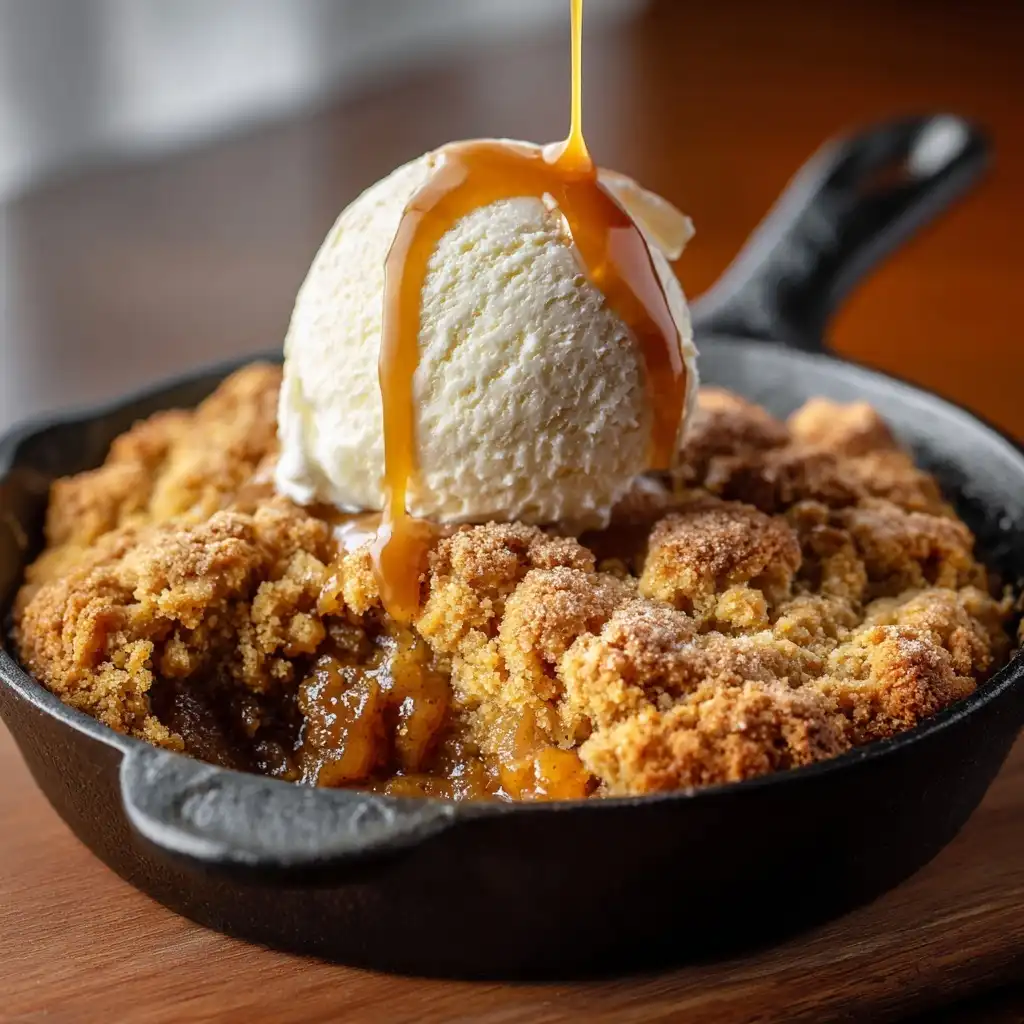
Welcome to the ultimate guide to Pumpkin Spice Cobbler — a soul-warming, seasonally iconic dessert that masterfully bridges the rustic charm of a classic cobbler with the beloved aromatic depth of autumn’s most cherished flavor profile. More than just a seasonal treat, this dessert embodies comfort, nostalgia, and culinary craftsmanship: tender spiced pumpkin batter crowned with a golden, biscuit-like topping, baked until bubbling and fragrant, then served warm—often with a generous scoop of vanilla ice cream or a drizzle of caramel sauce. Whether you’re hosting Thanksgiving dinner, planning a cozy Sunday afternoon bake, or simply craving something deeply satisfying yet approachable, Pumpkin Spice Cobbler delivers richness without fuss, elegance without pretense, and unmistakable fall flair in every bite.
The History
The origins of the cobbler stretch back centuries—to 17th-century England, where “coble” referred to a rough, uneven surface (like cobblestones), aptly describing the rustic, dropped-biscuit or dumpling-style topping that characterizes the dish. Early American colonists adapted the concept using native ingredients like berries and stone fruits, baking them in cast-iron skillets over open hearths. By the 19th century, cobblers had become staples across rural America, prized for their simplicity, versatility, and forgiving nature—requiring no fancy equipment or precise measurements.
Pumpkin, meanwhile, has deep roots in North American Indigenous agriculture and colonial cuisine; Native tribes cultivated and roasted pumpkin for millennia, and early settlers incorporated it into pies, puddings, and porridges by the 1600s. However, the *fusion* of pumpkin and cobbler didn’t gain widespread traction until the late 20th and early 21st centuries—coinciding with the meteoric rise of the “pumpkin spice” phenomenon. While the now-ubiquitous PSL (Pumpkin Spice Latte) debuted at Starbucks in 2003, home bakers soon began reimagining traditional desserts through that same spiced-latte lens. Pumpkin Spice Cobbler emerged organically from this cultural moment: a hearty, oven-baked reinterpretation that honored both heritage techniques and modern flavor cravings. It quickly earned its place on food blogs, Southern cookbooks, and holiday menus—not as a gimmick, but as a legitimate evolution of American dessert tradition.
Ingredients Breakdown
Understanding each ingredient’s role is key to mastering this cobbler—not just for flavor, but for texture, structure, and balance. Below is a meticulous, function-driven breakdown:
- Canned Pure Pumpkin Puree (not pumpkin pie filling): The foundational element—providing moisture, natural sweetness, earthy depth, and vibrant orange color. Its thick, dense consistency helps bind the batter and contributes to the tender crumb. Using pie filling introduces excess sugar and stabilizers that can throw off ratios and cause sogginess.
- Granulated Sugar & Brown Sugar: Granulated sugar ensures clean sweetness and aids in browning the topping; brown sugar adds molasses notes, moisture retention, and subtle caramel complexity—critical for that rich, autumnal backbone.
- All-Purpose Flour: Provides essential gluten structure for both the base and topping. Too little = fragile, collapsing layers; too much = toughness. Sifting ensures even distribution and prevents lumps.
- Baking Powder & Baking Soda: A dual-leavening system. Baking powder provides primary lift for the biscuit topping, while baking soda (activated by the acidity in pumpkin, brown sugar, and buttermilk) enhances browning, tenderness, and subtle tang—balancing sweetness.
- Spice Blend (Cinnamon, Ginger, Nutmeg, Cloves, Allspice): This is where artistry meets science. Cinnamon anchors the blend with warmth; ginger adds bright, zesty heat; nutmeg lends floral-sweet depth; cloves offer pungent, almost medicinal intensity (used sparingly); allspice bridges them all with hints of clove, cinnamon, and nutmeg. Toasting whole spices and grinding fresh maximizes volatile oil release—dramatically elevating aroma and complexity.
- Salted Butter (cold, cubed): Essential for flaky, tender biscuit texture. Cold butter creates steam pockets during baking, yielding airy layers. Unsalted butter is preferred for control, but salted works if you reduce added salt accordingly.
- Buttermilk (or DIY substitute): Adds acidity for leavening activation, tenderness, and subtle tang. Its thickness also contributes to a luxuriously moist crumb. For best results, use cultured buttermilk—not milk + vinegar/lemon juice (which lacks the same enzymatic activity).
- Eggs (large, room temperature): Act as emulsifiers and binders, enriching flavor and contributing to structure and lift. Room temperature ensures even incorporation and optimal aeration.
- Vanilla Extract (pure, not imitation): Enhances all other flavors—especially the warm spices—by rounding out sharp edges and adding aromatic sweetness.
- Heavy Cream or Whole Milk (for brushing): Applied to the topping before baking, this encourages deep golden-brown color, slight sheen, and delicate crispness along the edges.
- Coarse Turbinado Sugar (optional garnish): Adds textural contrast and sparkling visual appeal, plus a gentle caramelized crunch.
Step-by-Step Recipe
- Preheat & Prep: Position oven rack in the lower third. Preheat oven to 375°F (190°C). Generously grease a 9×13-inch baking dish (or 10-inch cast-iron skillet) with butter or non-stick spray. Set aside.
- Mix Dry Base Ingredients: In a large bowl, whisk together 1 ½ cups all-purpose flour, ¾ cup granulated sugar, ½ cup packed light brown sugar, 1 ½ tsp ground cinnamon, 1 tsp ground ginger, ¼ tsp ground nutmeg, ⅛ tsp ground cloves, ⅛ tsp ground allspice, 1 ½ tsp baking powder, ½ tsp baking soda, and ½ tsp fine sea salt. Whisk vigorously for 45 seconds to fully aerate and evenly distribute spices and leaveners.
- Incorporate Wet Base Ingredients: Add 1 ¼ cups canned pure pumpkin puree, ⅔ cup buttermilk, 2 large eggs (room temperature), 2 tbsp pure vanilla extract, and 6 tbsp melted unsalted butter (cooled slightly). Whisk by hand—starting gently, then increasing speed—until *just combined*. Do not overmix; a few small lumps are ideal. Batter will be thick, glossy, and pourable—but not runny. Let rest 5 minutes to hydrate flour and activate leaveners.
- Prepare Topping Dough: In a separate medium bowl, whisk together 2 cups all-purpose flour, ¼ cup granulated sugar, 1 tsp cinnamon, ½ tsp ginger, ¼ tsp nutmeg, ⅛ tsp cloves, 1 tsp baking powder, ½ tsp baking soda, and ½ tsp salt. Cut in ½ cup (1 stick) cold unsalted butter using a pastry cutter or two forks until mixture resembles coarse crumbs with some pea-sized butter pieces remaining. Stir in ⅔ cup buttermilk and 1 large egg until *just* shaggy—do not knead. Dough should hold together when pinched but remain slightly crumbly.
- Assemble the Cobbler: Pour the pumpkin batter into the prepared baking dish and spread evenly with an offset spatula. Drop rounded ¼-cup portions of topping dough over the surface, spacing them evenly. Gently press each mound down *slightly* to encourage cohesion (but don’t flatten completely). Leave small gaps between mounds for steam escape and even rising.
- Finish & Bake: Brush the entire topping surface lightly with heavy cream or whole milk. Sprinkle generously with 1–2 tbsp turbinado sugar. Place dish on a parchment-lined baking sheet (to catch potential bubbles/overflow). Bake for 45–55 minutes—rotating halfway—until the topping is deeply golden brown, firm to the touch, and a toothpick inserted into the *center of a topping mound* (not the base) comes out clean or with moist crumbs. The base should bubble actively around the edges. Internal temperature of the topping should read 205–210°F (96–99°C) on an instant-read thermometer.
- Cool & Serve: Remove from oven and let rest *undisturbed* for a full 25 minutes. This crucial step allows the base to set, the topping to firm, and residual heat to finish cooking the center. Serving too soon yields a soupy, collapsed cobbler. Serve warm, ideally within 2 hours of baking, with accompaniments of choice.
Tips
- Measure Flour Correctly: Spoon flour into measuring cup and level with a knife—never scoop directly from the bag (which compacts flour and adds up to 25% extra). For precision, weigh: 1 cup AP flour = 120g.
- Chill Your Butter (and Bowl): For the topping, cold butter is non-negotiable. Chill the mixing bowl and pastry cutter for 10 minutes before starting—especially in warm kitchens.
- Don’t Skip the Rest: Letting the batter rest before baking allows starches to hydrate and gluten to relax—yielding a more tender, cohesive base.
- Rotate & Monitor: Ovens vary widely. Rotate the dish at the 25-minute mark, and begin checking at 42 minutes—even if your recipe says 45. Visual cues (deep golden color, active bubbling) trump timers.
- Use a Light-Colored Pan: Dark pans absorb more heat and can over-brown the bottom/top prematurely. If using dark metal or glass, reduce oven temp by 25°F and add 3–5 minutes to bake time.
- Resist Overmixing: Whether batter or topping dough, overmixing develops gluten → toughness. Mix only until ingredients are *just* incorporated.
- Room-Temperature Eggs & Buttermilk: Ensures even emulsification and prevents shocking cold butter in the topping, which could cause clumping.
- Test Doneness Correctly: Insert toothpick into the *thickest part of a topping mound*, not the base. The base will always be moist—this is intentional and desirable.
- Let It Breathe: That 25-minute rest isn’t optional—it’s transformative. Cutting in too soon releases steam that would otherwise help the topping set and causes the base to weep.
- Storage Wisdom: Store leftovers covered at room temperature for up to 12 hours (best texture), then refrigerate for up to 4 days. Reheat individual portions in a 350°F oven for 12–15 minutes (covered with foil first 8 min, then uncovered) for optimal crispness.
Variations and Customizations
This cobbler is gloriously adaptable—celebrating personal taste, dietary needs, and seasonal abundance. Here’s how to make it uniquely yours:
Dietary Adaptations
- Gluten-Free: Substitute 1:1 gluten-free all-purpose flour blend (with xanthan gum) for both base and topping. Add ½ tsp additional xanthan gum to topping dough if blend doesn’t include it. Ensure all spices and baking powders are certified GF.
- Dairy-Free: Replace butter with vegan butter sticks (not spreads); use unsweetened almond or oat milk + 1 tsp apple cider vinegar (let sit 5 min) for buttermilk substitute; brush topping with coconut cream instead of heavy cream.
- Refined Sugar-Free: Swap granulated and brown sugar with coconut sugar (1:1) and add 2 tbsp pure maple syrup to base. Reduce buttermilk by 1 tbsp to compensate for added liquid.
- Lower-Sugar: Reduce total sugar by ¼ cup (split between granulated and brown), increase spices slightly for perceived sweetness, and add 1 tsp molasses to base for depth.
Flavor & Texture Twists
- Pecan Praline: Fold 1 cup toasted pecans + ¼ cup praline sauce (or chopped praline candy) into base batter before pouring. Sprinkle extra pecans on topping before baking.
- Ginger-Cranberry Swirl: Gently swirl ½ cup whole-berry cranberry sauce into poured base batter using a knife. Top as directed.
- Maple-Bourbon: Replace 2 tbsp buttermilk in base with 2 tbsp real maple syrup + 1 tbsp bourbon. Add ¼ tsp maple extract to topping dough.
- Chai-Spiced: Replace half the cinnamon with 1 tsp finely ground cardamom, add ½ tsp black pepper and ¼ tsp ground fennel seed to spice blend.
- Chocolate-Dark Pumpkin: Whisk ¼ cup unsweetened cocoa powder into dry base ingredients; fold in ½ cup dark chocolate chunks (70%) before pouring.
Format & Presentation
- Individual Ramekins: Divide base batter among six 6-oz ramekins. Top each with 2–3 tbsp topping dough. Bake at 375°F for 28–32 minutes. Perfect for portion control or elegant entertaining.
- Skillet Style: Use a 10-inch cast-iron skillet for dramatic presentation and superior heat retention. Preheat skillet slightly before adding batter for faster edge set.
- Streusel Variation: Skip biscuit topping. Instead, combine 1 cup flour, ½ cup brown sugar, 1 tsp cinnamon, 6 tbsp cold butter, and ½ cup chopped walnuts. Crumble evenly over base.
- Whipped Cream Infusion: Fold 1 tsp pumpkin pie spice into 1 cup freshly whipped heavy cream for serving.
Health Considerations and Nutritional Value
While Pumpkin Spice Cobbler is undeniably a dessert—and best enjoyed mindfully as part of a balanced diet—it does offer several noteworthy nutritional attributes rooted in its core ingredients. Understanding these helps contextualize indulgence without guilt:
- Pumpkin Puree: A nutritional powerhouse—low in calories (~50 kcal/cup), rich in beta-carotene (converted to vitamin A), potassium, fiber (3g/cup), and antioxidants like lutein and zeaxanthin, which support eye and immune health. Its high water content also contributes to satiety.
- Spices: Cinnamon may support healthy blood sugar metabolism; ginger has well-documented anti-inflammatory and digestive benefits; nutmeg contains myristicin (in safe culinary doses) with potential neuroprotective properties.
- Fiber & Protein Balance: With ~4g protein and 2–3g fiber per standard serving (1/12 of 9×13), it offers more staying power than many refined-sugar desserts—especially when paired with Greek yogurt or a protein-rich topping.
- Considerations: A typical slice contains ~320–380 calories, 45–55g carbs (30–38g sugars), and 12–16g fat (7–9g saturated). Those managing diabetes, hypertension, or weight goals may benefit from the lower-sugar variation, mindful portioning (aim for ~1/16th of pan), and pairing with unsweetened plant-based milk or plain Greek yogurt instead of ice cream.
- Whole-Food Swaps: Boost nutrition further by substituting ¼ cup of flour with oat flour or almond flour (adds fiber/healthy fats), using grass-fed butter, or adding chia or flax seeds to the topping dough (1 tbsp for omega-3s and extra fiber).
- Mindful Enjoyment: Research shows that savoring dessert slowly—focusing on aroma, texture, and flavor—enhances satisfaction and reduces the urge to overeat. Serve in smaller dishes, eat without screens, and pair with herbal tea for a truly nourishing ritual.
Ingredients
Makes 12 servings
For the Pumpkin Base:
- 1 ½ cups (180g) all-purpose flour, spooned & leveled
- ¾ cup (150g) granulated sugar
- ½ cup (100g) packed light brown sugar
- 1 ½ tsp ground cinnamon
- 1 tsp ground ginger
- ¼ tsp ground nutmeg
- ⅛ tsp ground cloves
- ⅛ tsp ground allspice
- 1 ½ tsp baking powder
- ½ tsp baking soda
- ½ tsp fine sea salt
- 1 ¼ cups (300g) 100% pure pumpkin puree (not pie filling)
- ⅔ cup (160ml) cultured buttermilk
- 2 large eggs, room temperature
- 2 tbsp pure vanilla extract
- 6 tbsp (85g) unsalted butter, melted & cooled
For the Spiced Biscuit Topping:
- 2 cups (240g) all-purpose flour, spooned & leveled
- ¼ cup (50g) granulated sugar
- 1 tsp ground cinnamon
- ½ tsp ground ginger
- ¼ tsp ground nutmeg
- ⅛ tsp ground cloves
- 1 tsp baking powder
- ½ tsp baking soda
- ½ tsp fine sea salt
- ½ cup (113g / 1 stick) unsalted butter, very cold & cubed
- ⅔ cup (160ml) cultured buttermilk
- 1 large egg, room temperature
For Finishing:
- 2–3 tbsp heavy cream or whole milk
- 1–2 tbsp turbinado (raw) sugar
Directions
- Preheat oven to 375°F (190°C). Position rack in lower third. Grease a 9×13-inch baking dish or 10-inch cast-iron skillet generously with butter or non-stick spray. Line a rimmed baking sheet with parchment paper and set aside.
- In a large bowl, whisk together flour, granulated sugar, brown sugar, cinnamon, ginger, nutmeg, cloves, allspice, baking powder, baking soda, and salt for 45 seconds until fully combined and aerated.
- Add pumpkin puree, buttermilk, eggs, vanilla, and melted butter. Whisk by hand until *just* combined—no dry streaks remain, but do not overmix. Batter will be thick and glossy. Let rest 5 minutes.
- In a separate medium bowl, whisk together flour, granulated sugar, cinnamon, ginger, nutmeg, cloves, baking powder, baking soda, and salt. Add cold cubed butter. Using a pastry cutter or two forks, cut in butter until mixture resembles coarse crumbs with visible pea-sized butter pieces.
- Add buttermilk and egg to flour-butter mixture. Stir with a fork just until a shaggy dough forms—do not knead. Dough should hold together when squeezed but remain slightly crumbly.
- Pour rested pumpkin batter into prepared dish. Spread evenly with an offset spatula or the back of a spoon.
- Drop dough by heaping ¼-cup portions evenly over pumpkin base. Gently press each mound down slightly to encourage cohesion (don’t flatten).
- Brush entire topping surface lightly with heavy cream or milk. Sprinkle generously with turbinado sugar.
- Place dish on prepared parchment-lined baking sheet. Bake for 45–55 minutes, rotating halfway, until topping is deep golden brown, springs back lightly when touched, and a toothpick inserted into the center of a topping mound comes out clean or with moist crumbs. Base should bubble vigorously at edges.
- Remove from oven and let cool *undisturbed* for exactly 25 minutes. This allows structure to set and prevents collapse.
- Serve warm, topped with vanilla ice cream, whipped cream, caramel sauce, or a dusting of cinnamon. Store leftovers covered at room temperature up to 12 hours, then refrigerate up to 4 days. Reheat in 350°F oven for best texture.
FAQ
- Can I use pumpkin pie filling instead of puree?
- No—pumpkin pie filling contains added sugar, spices, thickeners (like cornstarch), and preservatives. These will drastically alter sweetness, texture, and leavening behavior, likely resulting in a gummy, oversweet, or collapsed cobbler. Always use 100% pure pumpkin puree.
- Why did my topping sink into the base?
- Most commonly due to: (1) Underbaking—topping wasn’t fully set before removing from oven; (2) Overmixing the topping dough, developing too much gluten; (3) Adding topping to a base that was too warm or thin; (4) Not letting the cobbler rest after baking. Ensure proper bake time, gentle mixing, and mandatory 25-minute rest.
- Can I prepare this ahead of time?
- Yes—with caveats. Assemble base and topping separately up to 1 day ahead; store base covered in fridge, topping dough wrapped tightly in plastic. Assemble *just before baking*—cold dough + cold base ensures optimal lift. Do not assemble and refrigerate overnight—the topping will absorb moisture and become dense.
- My cobbler is too sweet. How can I fix it next time?
- Reduce total sugar by ¼ cup (split between granulated and brown). Increase spices by 25% for more complex perception of sweetness. Add 1 tsp lemon zest to base batter to brighten and balance. Serve with tart accompaniments like spiced pear compote or unsweetened yogurt.
- Can I freeze Pumpkin Spice Cobbler?
- Yes—best frozen *after baking and cooling completely*. Wrap tightly in plastic wrap, then foil, and freeze up to 3 months. Thaw overnight in fridge, then reheat, covered with foil, in a 325°F oven for 25–30 minutes, uncovering last 5 minutes to crisp topping.
- What’s the best way to reheat leftovers?
- Avoid microwaving—it makes topping rubbery. For single servings: place in oven-safe dish, cover with foil, bake at 350°F for 12–15 minutes. For full pan: same method, 25–30 minutes. Let stand 5 minutes before serving.
- Is there a way to make this dairy-free and still get a good texture?
- Absolutely. Use high-fat vegan butter (like Miyoko’s or Melt), unsweetened oat milk + 1 tsp apple cider vinegar (let sit 5 min) for buttermilk, and coconut cream for brushing. Add 1 tsp psyllium husk powder to topping dough to mimic gluten’s binding effect.
- Can I add fruit to this cobbler?
- Yes—fold 1 cup fresh or frozen (unthawed) blueberries, diced apples, or pears into the pumpkin base *just before pouring*. Toss fruit with 1 tsp flour first to prevent sinking. Reduce base buttermilk by 1 tbsp if using juicy fruit like berries.
- Why does my cobbler have a metallic aftertaste?
- Almost always caused by expired or aluminum-reactive baking powder. Check expiration date (they last ~6–12 months). Use double-acting, aluminum-free baking powder (like Rumford or Bob’s Red Mill). Also avoid mixing acidic ingredients in unlined aluminum bowls.
- Can I make this in a slow cooker?
- Not recommended. Cobbler relies on dry, radiant oven heat for proper browning, steam escape, and biscuit structure. Slow cookers create a steamed, mushy result. Stick to conventional or convection ovens for authentic texture.
Summary
Pumpkin Spice Cobbler is a masterful marriage of American heritage baking and modern seasonal sensibility—featuring a velvety, warmly spiced pumpkin base crowned with a tender, golden-brown biscuit topping, all elevated by thoughtful technique and premium ingredients.
With customizable variations, smart health-conscious adaptations, and foolproof troubleshooting, it’s a versatile, deeply comforting dessert that celebrates autumn’s richness while delivering reliable, impressive results—every single time.