Introduction
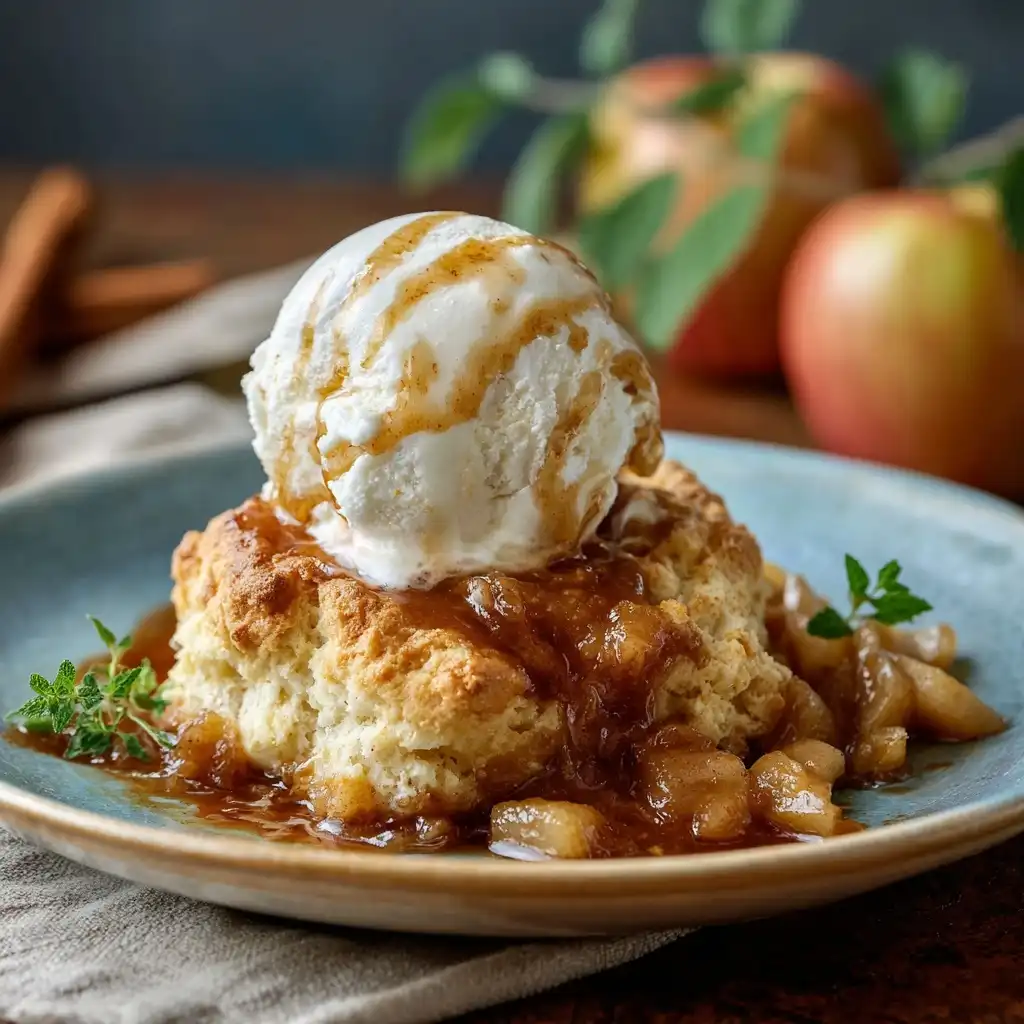
Welcome to the warm, comforting world of Cinnamon Apple Biscuit Cobbler—a beloved American dessert that marries the rustic charm of Southern cobbler tradition with the flaky, buttery soul of homemade biscuits. This dish is more than just a treat—it’s a sensory experience: golden-brown biscuit tops glistening with melted butter and cinnamon sugar, nestled atop tender, spiced apple slices bubbling in a rich, glossy syrup. Whether served straight from the oven on a crisp autumn evening or reheated with a scoop of vanilla ice cream on a lazy Sunday afternoon, Cinnamon Apple Biscuit Cobbler evokes nostalgia, hospitality, and the simple joy of scratch-made comfort food. It’s approachable for beginner bakers yet rewarding enough for seasoned cooks—requiring no special equipment, minimal technique, and maximum flavor payoff.
The History
Cinnamon Apple Biscuit Cobbler is a delicious evolution of two deeply rooted American culinary traditions: the fruit cobbler and the buttermilk biscuit. Cobblers trace their origins to 17th-century England, where “coble” meant something lumpy or uneven—referring to the rough, dropped-dough topping. Early American colonists adapted the concept using native fruits like apples, peaches, and berries, and substituted scarce ingredients (like refined sugar or yeast) with molasses, brown sugar, and baking powder—making cobblers a practical, pantry-friendly dessert. By the late 1800s, Southern cooks began distinguishing between “drop” cobblers (with spooned batter), “grape” or “layer” cobblers (with rolled pastry), and “biscuit-top” cobblers—where fluffy, leavened biscuits were placed directly over hot fruit filling. The addition of cinnamon—an iconic spice introduced to North America via colonial trade routes and embraced for its warming aroma and natural affinity with apples—solidified the pairing as quintessentially American. Regional variations flourished: Appalachian cooks added nutmeg and clove; Midwest versions often included a splash of bourbon or Calvados; and Texan iterations sometimes swapped in local heirloom apples like Arkansas Black. Today, Cinnamon Apple Biscuit Cobbler stands as a testament to resourceful, community-centered baking—often passed down through handwritten recipe cards, church social cookbooks, and generations of shared kitchen wisdom.
Ingredients Breakdown
Every ingredient in this cobbler plays a purpose—no filler, no afterthought. Let’s explore them in depth:
- Apples (4–5 medium, ~2 lbs): Use a firm, tart-sweet variety like Granny Smith, Honeycrisp, Braeburn, or Pink Lady. Tart apples hold their shape during baking and balance the sweetness; mixing two varieties adds complexity. Peel (optional, but recommended for texture consistency), core, and slice ¼-inch thick—uniformity ensures even cooking. Avoid Red Delicious or Golden Delicious alone—they turn mushy.
- Granulated Sugar (¾ cup): Provides foundational sweetness and aids in syrup formation. Adjust down to ½ cup if using very sweet apples or serving with ice cream.
- Brown Sugar (½ cup, light or dark): Adds moisture, deep caramel notes, and molasses richness—essential for that signature “bubbly” cobbler syrup. Dark brown sugar intensifies flavor; light yields a milder finish.
- Ground Cinnamon (2 tsp): The aromatic heart of the dish. Freshly ground cinnamon (from quills) offers far superior warmth and brightness than pre-ground. Consider adding a pinch of freshly grated nutmeg or allspice for layered spice depth.
- Lemon Juice (1 tbsp) and Zest (½ tsp): Brightens the apples, prevents browning, balances sweetness, and enhances fruit flavor without tasting “lemony.” Always use fresh juice—bottled lacks acidity and vibrancy.
- All-Purpose Flour (3 tbsp): Acts as a gentle thickener for the fruit syrup. Too much creates pastiness; too little yields runny filling. For gluten-free versions, use a 1:1 certified GF blend (not almond or coconut flour).
- Salted Butter (6 tbsp, cold & cubed): Used in both filling (for richness and sheen) and topping (for flakiness). Cold butter creates steam pockets in biscuits—key for lift and tenderness. Unsalted butter works too; just adjust added salt accordingly.
- Buttermilk Biscuit Base: Made from 2 cups all-purpose flour, 1 tbsp baking powder, ½ tsp baking soda, 1 tsp salt, 6 tbsp cold butter, and ¾–⅞ cup cold buttermilk. Buttermilk provides acidity for leavening and tangy contrast to sweet apples; its lactic acid also tenderizes gluten for ultra-soft biscuits.
- Cinnamon-Sugar Topping (¼ cup granulated sugar + 1½ tsp cinnamon + 2 tbsp melted butter): Applied just before baking, this glaze crisps the biscuit tops, deepens color, and infuses every bite with spiced sweetness. A light brush—not pooling—is essential for even browning.
Optional enhancements: a splash of vanilla extract (1 tsp) stirred into the apple mixture, a handful of toasted walnuts or pecans folded into the biscuit dough, or a drizzle of local honey or maple syrup over the finished cobbler.
Step-by-Step Recipe
- Preheat & Prep: Position oven rack in the lower third. Preheat oven to 425°F (220°C). Generously butter a 9×13-inch glass or ceramic baking dish (or a 3-qt Dutch oven for deeper, slower baking). Lightly flour your work surface and rolling pin.
- Prepare the Apple Filling: In a large bowl, combine sliced apples, granulated sugar, brown sugar, cinnamon, lemon juice, lemon zest, and salt. Gently toss until evenly coated. Let sit 10 minutes to draw out juices. Stir in flour and 2 tbsp cold butter pieces—distribute thoroughly. Transfer mixture to prepared baking dish and spread evenly. Dot remaining 4 tbsp cold butter over apples.
- Make the Biscuit Dough: In a food processor or large bowl, whisk together flour, baking powder, baking soda, and salt. Add cold, cubed butter. Pulse (or cut in with pastry cutter) until mixture resembles coarse crumbs with some pea-sized butter bits remaining. Gradually add cold buttermilk, 2 tbsp at a time, stirring gently with a fork just until shaggy clumps form and dough begins to pull together. Do not overmix—lumps are welcome! Turn dough onto floured surface and gently knead 3–4 times until cohesive.
- Shape & Place Biscuits: Pat dough to ¾-inch thickness. Using a 2.5-inch round biscuit cutter (or clean drinking glass), cut straight down—no twisting—to preserve layers. Gather scraps, pat gently, and re-cut until all dough is used (yields 10–12 biscuits). Arrange biscuits snugly but not overlapping over hot apple mixture. Leave small gaps for steam and syrup to rise.
- Glaze & Season: In a small bowl, whisk together cinnamon-sugar and melted butter. Using a pastry brush, lightly coat each biscuit top—avoid soaking edges. Sprinkle any remaining cinnamon-sugar mixture over biscuits for extra crunch and visual appeal.
- Bake to Perfection: Place dish on a parchment-lined or foil-lined baking sheet (to catch potential bubbles/overflow). Bake at 425°F for 15 minutes. Crucially, reduce heat to 375°F (190°C) and continue baking 25–30 minutes—until biscuits are deep golden brown, puffed, and firm to the touch, and apple filling is thick, glossy, and actively bubbling around the edges (a knife inserted into a biscuit should come out clean; into apples, it should meet slight resistance—not crunch, not mush).
- Cool & Serve: Remove from oven and let rest on a wire rack for at least 25 minutes. This allows the syrup to set slightly and prevents scalding bites. Serve warm—not piping hot—for ideal texture contrast: crisp-tender biscuits over jammy, spiced apples.
Tips
- Apple Prep Matters: Slice apples uniformly—too thick = undercooked centers; too thin = disintegration. A mandoline slicer (with guard!) ensures precision.
- Cold Is Key: Keep butter and buttermilk refrigerator-cold—even chill your mixing bowl and utensils for 10 minutes beforehand. Warm butter melts prematurely, yielding dense, greasy biscuits.
- Don’t Overwork the Dough: Overmixing develops gluten → tough biscuits. Mix only until no dry flour remains. A few streaks of flour are better than smooth dough.
- Steam Escape Strategy: If biscuits look pale but filling is bubbling vigorously, tent loosely with foil for the last 10 minutes to prevent over-browning while ensuring doneness.
- Altitude Adjustment: At elevations above 3,000 ft, increase flour by 1–2 tbsp, reduce baking powder by ⅛ tsp, and add 1–2 tbsp extra buttermilk for moisture retention.
- Golden Rule of Baking Time: Ovens vary wildly. Start checking at 22 minutes into the second stage. An instant-read thermometer inserted into the center biscuit should read 205–210°F for perfect doneness.
- Resting Is Non-Negotiable: Cutting too soon releases steam and causes biscuits to collapse and filling to flood. That 25-minute wait transforms texture and cohesion.
- Make-Ahead Magic: Assemble filling up to 24 hours ahead (store covered in fridge). Prepare biscuit dough, shape into rounds, and freeze on a tray; transfer to bag once solid. Bake straight from frozen—add 5–8 minutes to total bake time.
Variations and Customizations
This cobbler is gloriously adaptable—celebrating seasonality, dietary needs, and personal flair:
- Fruit Swaps: Substitute 50% apples with peeled, sliced pears (Bartlett or Anjou); add ½ cup fresh or frozen blackberries or raspberries in the last 5 minutes of prep for bursts of tartness; try spiced quince or baked rhubarb for bold contrasts.
- Spice Profiles: Replace half the cinnamon with cardamom for floral warmth; add ¼ tsp ground ginger and a pinch of cloves for “apple pie” intensity; stir in 1 tsp orange zest + 1 tbsp Grand Marnier for citrus-laced elegance.
- Biscuit Twists: Fold ½ cup shredded sharp cheddar into biscuit dough for sweet-savory depth; mix in ¼ cup chopped dried cranberries or crystallized ginger; add 2 tbsp cornmeal for subtle grit and nuttiness.
- Dietary Accommodations: Gluten-Free: Use certified GF all-purpose blend + ½ tsp xanthan gum in both filling and biscuits. Dairy-Free: Swap butter for high-fat coconut oil or vegan butter; use unsweetened oat or soy milk + 1 tsp vinegar as buttermilk substitute. Lower-Sugar: Reduce total sugar to ⅔ cup, use monk fruit blend (1:1 ratio), and rely on ripe apples’ natural sweetness.
- Texture & Presentation: For a “deconstructed” version, serve biscuits separately alongside warm apple compote. For a “crown” effect, roll dough thinner (½-inch) and cut larger rounds (3-inch), overlapping slightly. Garnish with candied pecans, crumbled gingersnaps, or a dusting of powdered sugar + cinnamon.
- Breakfast Cobbler: Reduce sugar by half, omit cinnamon-sugar glaze, add ¼ tsp nutmeg + 1 beaten egg to biscuit dough for richness, and serve with Greek yogurt instead of ice cream.
Health Considerations and Nutritional Value
While undeniably indulgent, Cinnamon Apple Biscuit Cobbler offers meaningful nutritional highlights when prepared mindfully:
- Apples: Rich in soluble fiber (pectin), supporting gut health and cholesterol management. Packed with quercetin (an antioxidant linked to reduced inflammation) and vitamin C. Leaving skins on boosts fiber and polyphenol content by up to 30%.
- Cinnamon: Contains cinnamaldehyde and polyphenols shown in studies to support healthy blood sugar metabolism and possess anti-inflammatory properties. Just 1 tsp delivers notable bioactive compounds.
- Whole-Grain Option: Substituting ½ cup of the all-purpose flour with whole wheat pastry flour or white whole wheat flour adds B vitamins, magnesium, and additional fiber without compromising tenderness.
- Portion Awareness: A standard serving (1/12th of recipe) contains approx. 320–360 calories, 5–6g protein, 50–55g carbs (22–25g naturally occurring sugars), 10–12g fat (6–7g saturated), and 3–4g fiber. Pairing with low-fat Greek yogurt or a small scoop of premium ice cream adds protein and slows sugar absorption.
- Reduced-Risk Tweaks: Using 50% less sugar overall cuts added sugars significantly while preserving flavor via spices and lemon. Choosing organic apples minimizes pesticide residue exposure. Opting for grass-fed butter increases omega-3s and CLA (conjugated linoleic acid).
- Mindful Enjoyment: This dessert fits beautifully within a balanced diet—not as daily fare, but as intentional, celebratory nourishment. Its combination of complex carbs, healthy fats, and fruit-based antioxidants makes it nutritionally richer than many processed sweets.
Ingredients
- 4–5 medium firm-tart apples (e.g., Granny Smith, Honeycrisp), peeled, cored, and sliced ¼-inch thick (~2 lbs)
- ¾ cup granulated sugar
- ½ cup packed light or dark brown sugar
- 2 teaspoons ground cinnamon, plus extra for garnish
- 1 tablespoon fresh lemon juice
- ½ teaspoon finely grated lemon zest
- 3 tablespoons all-purpose flour
- 6 tablespoons cold unsalted butter, divided
- 2 cups all-purpose flour (plus extra for dusting)
- 1 tablespoon baking powder
- ½ teaspoon baking soda
- 1 teaspoon fine sea salt
- ¾–⅞ cup well-chilled buttermilk
- ¼ cup granulated sugar
- 1½ teaspoons ground cinnamon
- 2 tablespoons unsalted butter, melted
Directions
- Preheat oven to 425°F (220°C). Generously butter a 9×13-inch baking dish.
- In a large bowl, combine apple slices, ¾ cup granulated sugar, ½ cup brown sugar, 2 tsp cinnamon, lemon juice, lemon zest, and ¼ tsp salt. Toss gently. Let stand 10 minutes.
- Stir in 3 tbsp flour and 2 tbsp cold butter. Transfer to prepared dish. Dot evenly with remaining 4 tbsp cold butter.
- In a food processor or large bowl, whisk 2 cups flour, baking powder, baking soda, and 1 tsp salt. Add 6 tbsp cold butter. Pulse or cut in until mixture resembles coarse crumbs with visible pea-sized butter pieces.
- Add chilled buttermilk gradually, 2 tbsp at a time, stirring with a fork until dough just comes together (shaggy, not sticky). Turn onto floured surface; gently knead 3–4 times.
- Pat dough to ¾-inch thickness. Cut into 10–12 rounds with a 2.5-inch cutter. Place over apples, leaving small gaps.
- In a small bowl, whisk ¼ cup sugar, 1½ tsp cinnamon, and melted butter. Brush generously over biscuit tops.
- Place dish on a lined baking sheet. Bake at 425°F for 15 minutes. Reduce heat to 375°F and bake 25–30 minutes more, until biscuits are deep golden and filling bubbles thickly at edges.
- Cool on wire rack for at least 25 minutes before serving.
FAQ
- Can I make this cobbler ahead of time?
- Absolutely! Assemble the apple filling and refrigerate up to 24 hours. Prepare biscuit dough, shape into rounds, and freeze on a tray for 1 hour—then transfer to an airtight bag for up to 3 weeks. Bake from frozen, adding 5–8 minutes to the second baking stage. Fully baked cobbler keeps refrigerated for 4 days—reheat covered at 325°F until warmed through (20–25 min), then uncover for 5 minutes to crisp tops.
- Why did my biscuits sink or become soggy?
- Most commonly due to premature steam release or underbaking. Ensure the apple filling is hot when biscuits are placed on top (let dish sit 2 minutes after dotting with butter before adding dough). Also verify internal biscuit temperature reaches 205°F—underbaked biscuits absorb syrup. Resting for full 25 minutes before cutting is critical for structural integrity.
- Can I use canned or pre-sliced apples?
- Fresh apples are strongly recommended—their pectin and water content create the ideal syrup consistency. Canned apples are overly soft and packed in syrup, throwing off sugar balance and texture. Pre-sliced “fresh-cut” apples often contain calcium chloride and preservatives that inhibit proper thickening and impart off-flavors.
- My cobbler is too runny. How can I fix it?
- If bubbling syrup is thin after baking, it likely needs more thickener. Next time, add 1 extra tablespoon flour to the apple mixture—or substitute 1 tbsp cornstarch for 1.5 tbsp flour (mix with sugar first to prevent clumping). For immediate rescue: Simmer excess syrup in a saucepan with 1 tsp cornstarch slurry (1 tsp cornstarch + 1 tsp cold water) until thickened, then spoon back over cobbler.
- Is there a way to make this dairy-free without sacrificing texture?
- Yes—with careful swaps. Use cold, full-fat coconut milk (canned, stirred well) + 1 tsp apple cider vinegar as buttermilk substitute (let sit 5 minutes). Replace butter with refined coconut oil (neutral taste) or high-quality vegan butter stick (not tub spread). For best results, chill coconut oil thoroughly and measure while solid.
- Can I bake this in cast iron or a Dutch oven?
- Yes—and it’s highly encouraged! A 10- or 12-inch cast iron skillet or 3-qt enameled Dutch oven yields exceptional crust development and even heat. Preheat the vessel in the oven for 10 minutes before adding filling (reduce initial bake time by 2 minutes to compensate for thermal mass). The heavy base prevents scorching and promotes caramelization.
- What’s the best ice cream pairing?
- Classic vanilla bean is timeless—but consider bourbon vanilla for warmth, cinnamon swirl for spice amplification, or salted caramel for sweet-savory harmony. For contrast, try tangy lemon sorbet or sharp cheddar ice cream (yes, really!). Dairy-free? Coconut milk or oat milk vanilla works beautifully.
Summary
Cinnamon Apple Biscuit Cobbler is a soul-warming fusion of tender, spiced apples and golden, flaky buttermilk biscuits—baked until bubbling and crowned with a caramelized cinnamon-sugar glaze. Rooted in American tradition yet endlessly customizable, it celebrates simplicity, seasonality, and the profound comfort of food made with care.
With mindful ingredient choices, smart technique, and respect for resting time, this cobbler delivers not just sweetness, but substance—offering fiber-rich fruit, metabolism-supportive spices, and joyful, shared moments that linger long after the last crumb is savored.