Introduction
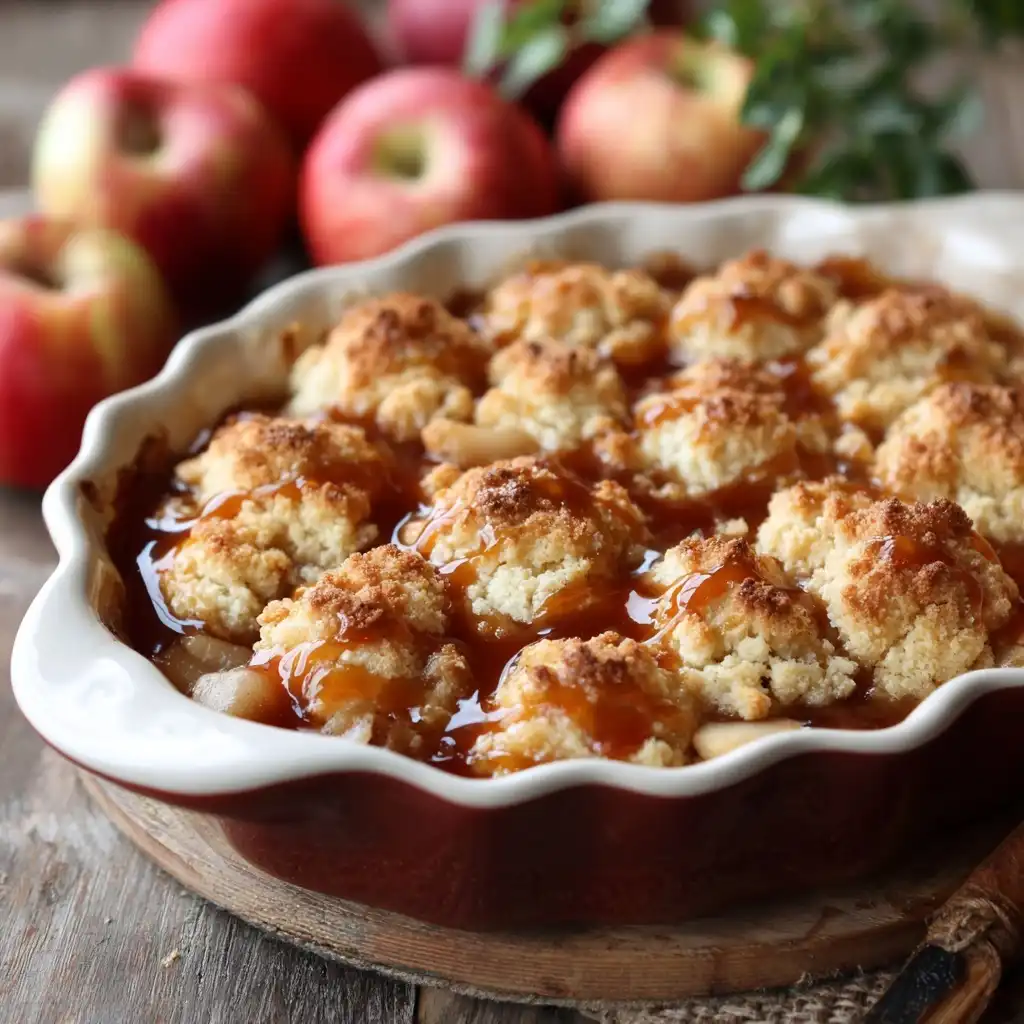
Maple Apple Cobbler is a soul-warming, rustic American dessert that marries the deep, caramelized richness of pure maple syrup with the tender-sweet tang of baked apples—encased in a golden, buttery, biscuit-like topping. Unlike crisps (which feature an oat-based streusel) or crumbles (with a flour-and-butter crumb topping), a true cobbler boasts a drop-biscuit or rolled-dough topping that bakes up fluffy, slightly crisp on top, and tender beneath—resembling cobblestones, hence the name. This version elevates tradition by replacing refined sugar with Grade A or B pure maple syrup, lending nuanced woody, vanilla, and smoky notes that harmonize beautifully with tart apples and warm spices. Whether served straight from a cast-iron skillet, crowned with vanilla bean ice cream, or enjoyed with a drizzle of extra maple syrup and a sprinkle of flaky sea salt, Maple Apple Cobbler embodies cozy elegance—perfect for autumn harvests, holiday gatherings, Sunday suppers, or quiet moments of mindful indulgence.
The History
The origins of apple cobbler trace back to 18th-century British-American colonial kitchens, where resourceful cooks adapted English “cobblers” (a term likely derived from “cobbled”—referring to the irregular, stone-like appearance of the dough pieces) using local, seasonal ingredients. With limited access to refined sugar and imported spices, early settlers relied heavily on native fruits—especially apples—and natural sweeteners like maple sap, which Indigenous peoples of the Northeastern woodlands had been harvesting and boiling into syrup for centuries. The Algonquian word *sinzibuckwud* (“drawn from wood”) evolved into “maple,” and its use in colonial cooking was both practical and cultural—honoring Indigenous knowledge while adapting European baking techniques. By the 19th century, cobbler became a staple across rural America, especially in New England and Appalachia, where maple sugaring season coincided with late-winter apple storage and early-spring baking. The addition of maple syrup to apple cobbler wasn’t merely a regional quirk—it was a culinary act of place-based identity: a celebration of terroir, sustainability, and heritage. Today, modern iterations honor this lineage while embracing contemporary values—organic produce, small-batch syrups, whole-grain flours, and mindful sweetening—making Maple Apple Cobbler not just dessert, but edible history.
Ingredients Breakdown
Every ingredient in this Maple Apple Cobbler serves a distinct functional and flavor purpose—no element is arbitrary. Let’s explore them in depth:
- Apples (6–7 medium, ~2¼ lbs): A balanced blend is key—use 2–3 tart varieties (e.g., Granny Smith, Braeburn, or Northern Spy) for structure and acidity, and 3–4 sweeter, aromatic types (e.g., Honeycrisp, Fuji, or Pink Lady) for depth and juiciness. Avoid Red Delicious—they turn mealy; skip Golden Delicious unless very firm—they lack backbone. Peel or leave skins on depending on preference: peeled yields ultra-tender results and smoother texture; unpeeled adds fiber, subtle tannins, color contrast, and rustic charm (just ensure organic or thoroughly washed).
- Pure Maple Syrup (¾ cup + 2 tbsp total): Not pancake syrup! Use Grade A Amber or Dark Robust (formerly Grade B)—the latter offers deeper molasses, toasted nut, and spice notes ideal for baking. Maple syrup contributes sweetness, moisture, acidity (pH ~5.5 aids tenderization), and natural invert sugars that inhibit crystallization and promote browning. Its mineral content (zinc, manganese, calcium) also subtly enhances flavor complexity.
- Lemon Juice (2 tbsp fresh): Brightens flavor, balances maple’s richness, prevents enzymatic browning, and activates baking powder in the topping. Bottled lemon juice lacks volatile citrus oils and can impart a flat, metallic note.
- Spices (1½ tsp ground cinnamon, ¼ tsp freshly grated nutmeg, ⅛ tsp ground allspice, pinch of ground cloves): Cinnamon provides warmth and familiarity; nutmeg adds creamy depth and floral nuance; allspice contributes clove-cinnamon-pear synergy; cloves lend earthy intensity—used sparingly to avoid bitterness. For maximum aroma, toast whole spices lightly in a dry pan before grinding.
- Unsalted Butter (6 tbsp cold, cubed, plus 2 tbsp melted for brushing): Cold butter in the topping creates steam pockets for flakiness and tenderness; melted butter brushed atop before baking yields a glossy, golden crust with rich mouthfeel. European-style butter (82–84% fat) is preferred for superior flavor and browning.
- All-Purpose Flour (1¾ cups): Provides gluten structure for lift and cohesion. For added nutrition and nuttiness, substitute up to ¼ cup with white whole wheat flour or spelt flour—but retain most AP for reliable rise.
- Baking Powder (2 tsp) & Baking Soda (¼ tsp): Double-acting baking powder delivers initial lift and secondary oven spring; baking soda neutralizes maple’s mild acidity and enhances browning via Maillard reaction. Never omit or substitute with self-rising flour—the balance is precise.
- Coarse Kosher Salt (¾ tsp): Enhances sweetness, suppresses bitterness, and strengthens gluten. Fine table salt would over-season; flaky Maldon or Fleur de Sel is perfect for finishing.
- Heavy Cream or Full-Fat Buttermilk (¾ cup): Adds fat, tenderness, and acidity. Buttermilk yields a slightly tangier, more tender biscuit; heavy cream gives richer flavor and better browning. For dairy-free, use full-fat canned coconut milk (well-shaken) or oat cream with ½ tsp apple cider vinegar added to mimic acidity.
- Optional Garnishes: Vanilla bean ice cream, maple-whipped cream (whip 1 cup cold heavy cream + 2 tbsp maple syrup + ½ tsp vanilla), toasted walnuts or pecans, candied ginger, a dusting of cinnamon sugar, or a delicate flake of smoked sea salt.
Step-by-Step Recipe
- Preheat & Prep: Position oven rack in lower third. Preheat oven to 375°F (190°C). Generously butter a 9×13-inch ceramic or glass baking dish (or 12-inch cast-iron skillet for even heating and presentation). Set aside.
- Prepare the Apple Filling: Peel, core, and slice apples into ¼-inch thick wedges (not dice—uniform thickness ensures even cooking). In a large non-reactive bowl (stainless steel or glass), combine sliced apples, ¾ cup maple syrup, lemon juice, cinnamon, nutmeg, allspice, cloves, and ¼ tsp salt. Gently toss with hands or silicone spatula until evenly coated. Let macerate 20 minutes at room temperature—this draws out juices, concentrates flavor, and begins softening the fruit.
- Cook the Filling (Optional but Recommended): Transfer apple mixture and accumulated juices to a large, heavy-bottomed skillet (stainless or enameled cast iron). Cook over medium-low heat, stirring occasionally, for 10–12 minutes until apples are *just* beginning to soften at the edges but still hold shape (they’ll finish baking). This step evaporates excess water, prevents a soggy cobbler, and deepens caramelization. Remove from heat and cool slightly—5 minutes—then pour into prepared baking dish. Smooth into an even layer. Do not skip cooling—hot filling will melt butter in topping and cause greasiness.
- Make the Biscuit Topping: In a chilled medium bowl, whisk together flour, remaining ½ tsp salt, baking powder, and baking soda. Add cold, cubed butter. Using a pastry cutter, two forks, or fingertips, work butter into flour until mixture resembles coarse meal with some pea-sized pieces remaining (about 1–2 minutes). Avoid overworking—cold fat is essential for flakiness.
- Hydrate the Dough: Pour in cold heavy cream or buttermilk. Stir gently with a fork or spatula just until a shaggy dough forms—do not knead. It should be moist but not wet; if too dry, add 1 tsp cream. If too sticky, sprinkle with 1 tsp flour. Let rest 5 minutes—this hydrates flour and relaxes gluten.
- Portion & Top: Using a ¼-cup measuring cup or ice cream scoop, portion dough into 8–10 mounds. Gently place each mound over the warm apple filling, spacing evenly. Do not flatten—let them rise naturally. Lightly press edges to seal gaps if desired.
- Finish & Bake: Brush tops generously with 2 tbsp melted butter. Sprinkle evenly with 1 tbsp maple sugar or turbinado sugar for crunch and sparkle. Place dish on a parchment-lined baking sheet (to catch drips). Bake 45–55 minutes—rotating halfway—until topping is deep golden brown, puffed, and firm to the touch, and filling is bubbling vigorously around the edges (bubbling = proper thickening). Internal temperature of filling should read 205–210°F (96–99°C) on an instant-read thermometer.
- Cool & Serve: Remove from oven and let rest on a wire rack for *at least 30 minutes* before serving. This allows the filling to thicken via starch retrogradation and prevents scalding bites. Serve warm—not hot—for optimal texture contrast. Scoop with a wide spatula to preserve layers.
Tips
- Apple Selection is Non-Negotiable: Mix textures and flavors. Too many tart apples = sour; too many sweet = mushy. Aim for 60% firm/tart + 40% aromatic/sweet. Test ripeness: apples should feel dense and heavy for their size, with no soft spots or bruises.
- Maple Syrup Quality Dictates Outcome: Check label: “100% Pure Maple Syrup” only—no additives, corn syrup, or artificial flavor. Look for Vermont, New York, Quebec, or Wisconsin origin. Darker grades = stronger flavor and better baking performance. Store upright in fridge after opening—lasts 1 year.
- Cold Butter, Cold Cream, Cold Bowl: Chill butter 15 minutes before cutting. Measure cream and keep refrigerated until mixing. Even chilling the flour (10 min freezer) helps maintain temperature integrity—critical for layered, airy biscuits.
- Don’t Skip the Stovetop Step: Raw apples release massive water in the oven, diluting flavor and creating a watery, separated filling. Brief stovetop reduction concentrates pectin, sugars, and aromatics—transforming texture and taste.
- Resting Time is Sacred: Cutting into cobbler too soon causes filling to weep and topping to collapse. That 30-minute rest allows amylose molecules to re-form networks—locking in thick, glossy syrup.
- Adjust for Altitude: Above 3,000 ft? Increase oven temp by 15–25°F, reduce baking powder by ⅛ tsp, and add 1–2 tbsp extra flour to compensate for faster evaporation and weaker gluten development.
- Skillet vs. Dish Matters: Cast iron retains heat longer and promotes superior browning. If using, preheat empty skillet in oven for 5 minutes before adding filling—then carefully top and return to oven. Beware of hot handles!
- Freeze for Later: Assemble unbaked cobbler (filling + raw topping), cover tightly with double-layer plastic wrap + foil, freeze up to 3 months. Bake frozen—add 15–20 minutes to time, tent with foil first 30 minutes to prevent over-browning.
Variations and Customizations
This recipe is a canvas—celebrate seasonality, dietary needs, and personal flair:
- Gluten-Free: Replace all-purpose flour with 1¾ cups GF all-purpose blend (like King Arthur or Bob’s Red Mill 1-to-1) + ½ tsp xanthan gum. Add 1 tbsp almond flour for tenderness. Ensure oats (if used in streusel variation) are certified GF.
- Vegan: Use plant-based butter (Miyoko’s or Earth Balance sticks), full-fat coconut milk (canned, shaken), and flax “egg” (1 tbsp ground flax + 2.5 tbsp water, rested 5 min) in topping. Boost maple to 1 cup in filling for richness. Top with maple-glazed roasted pecans.
- Whole Grain & High-Fiber: Substitute ⅓ cup of AP flour with oat flour (blend rolled oats fine) + 2 tbsp ground flaxseed. Add ¼ cup chopped dried apples (soaked 10 min in warm maple syrup) to filling for chew and fiber.
- Spiced Pear-Ginger: Replace 2 apples with ripe Bosc or Anjou pears. Add 2 tbsp finely grated fresh ginger + 1 tsp ground cardamom to filling. Top with candied ginger bits.
- Blackberry-Maple Swirl: Fold 1 cup fresh or frozen blackberries (tossed with 1 tsp cornstarch) into warm apple filling before transferring to dish. Creates jewel-toned ribbons and bright acidity.
- Savory-Sweet Herb Infusion: Add 1 tsp finely chopped fresh rosemary or thyme to dry topping ingredients. Pairs magically with sharp cheddar in a “Cheddar-Apple” variation (add ½ cup shredded aged cheddar to topping).
- Breakfast Cobbler: Reduce maple in filling to ½ cup. Add ¼ cup rolled oats and 1 tsp vanilla to topping. Serve warm with Greek yogurt instead of ice cream.
- Mini Individual Cobblers: Divide filling among 6–8 ramekins. Top with smaller biscuit portions. Bake 25–32 minutes. Perfect for portion control or elegant dinner parties.
Health Considerations and Nutritional Value
When prepared mindfully, Maple Apple Cobbler offers surprising nutritional merit beyond comfort:
- Apples: Rich in soluble fiber (pectin), supporting gut health, cholesterol regulation, and satiety. High in quercetin (anti-inflammatory flavonoid), vitamin C, and boron (bone health). Skin contains 50% more antioxidants than flesh.
- Pure Maple Syrup: Contains 54+ polyphenols—including quebecol and ginnalin A—with demonstrated anti-inflammatory, antimicrobial, and neuroprotective activity. Lower glycemic index (~54) than table sugar (~65), meaning slower blood sugar rise. Provides manganese (100% DV per ¼ cup), zinc (15% DV), calcium, and potassium.
- Spices: Cinnamon improves insulin sensitivity; nutmeg contains myristicin (neuroprotective in moderation); cloves rank #1 in ORAC antioxidant score among spices.
- Nutrition Snapshot (per standard serving, 1/12 of recipe): Approx. 285 kcal | 42g carbs (28g natural sugars) | 4g fiber | 3g protein | 11g fat (7g saturated, from butter) | 180mg sodium | 120% DV vitamin C | 45% DV manganese | 10% DV potassium. *Note: Values vary based on apple variety, syrup grade, and butter quantity.*
- Mindful Modifications: Reduce maple syrup to ½ cup + add 2 tbsp unsweetened applesauce for moisture. Use grass-fed butter for higher CLA (conjugated linoleic acid). Boost fiber with 1 tbsp chia or psyllium husk in topping. Serve with plain full-fat yogurt (probiotics + protein) instead of ice cream.
- Considerations: While nutrient-dense, it remains a dessert—moderation is wise for those managing diabetes, insulin resistance, or weight. Pair with a leafy green salad or lean protein to balance the meal. Those with tree nut allergies should verify maple syrup sourcing (rare cross-contact). Gluten-sensitive individuals must verify GF flour purity.
Ingredients
Makes 12 servings
- 6–7 medium apples (about 2¼ lbs), such as Granny Smith, Honeycrisp, and Braeburn, peeled and sliced ¼-inch thick
- ¾ cup pure maple syrup (Grade A Amber or Dark Robust), plus 2 tbsp for brushing
- 2 tablespoons fresh lemon juice
- 1½ teaspoons ground cinnamon
- ¼ teaspoon freshly grated nutmeg
- ⅛ teaspoon ground allspice
- Pinch of ground cloves
- ½ teaspoon fine sea salt, divided
- 6 tablespoons unsalted butter, cold and cubed, plus 2 tablespoons melted
- 1¾ cups all-purpose flour (or GF 1:1 blend + ½ tsp xanthan gum)
- 2 teaspoons baking powder
- ¼ teaspoon baking soda
- ¾ cup cold heavy cream or full-fat buttermilk
- 1 tablespoon maple sugar or turbinado sugar, for sprinkling
Directions
- Preheat oven to 375°F (190°C). Generously butter a 9×13-inch baking dish or 12-inch cast-iron skillet.
- In a large bowl, combine apple slices, ¾ cup maple syrup, lemon juice, cinnamon, nutmeg, allspice, cloves, and ¼ tsp salt. Toss gently and let sit 20 minutes.
- Transfer apple mixture and juices to a large heavy skillet. Cook over medium-low heat, stirring occasionally, for 10–12 minutes until apples are just softened at edges but still hold shape. Cool 5 minutes, then pour into prepared dish.
- In another bowl, whisk flour, remaining ¼ tsp salt, baking powder, and baking soda. Cut in cold butter until mixture resembles coarse crumbs with pea-sized pieces.
- Stir in cold cream or buttermilk just until a shaggy dough forms. Rest 5 minutes.
- Portion dough into 8–10 mounds. Place over apples, spacing evenly. Brush tops with melted butter and sprinkle with maple sugar.
- Bake on center rack for 45–55 minutes, rotating halfway, until topping is deep golden and filling bubbles thickly at edges.
- Cool on wire rack for at least 30 minutes before serving. Serve warm with vanilla ice cream or maple-whipped cream.
FAQ
- Can I use apple pie filling?
- No—commercial fillings contain excess water, gums, and artificial flavors that disrupt texture and mask maple’s nuance. Fresh apples give control over sweetness, spice, and consistency.
- Why did my topping sink or become gummy?
- Likely causes: filling too hot when topping added (melted butter), overmixing dough (gluten overdevelopment), insufficient leavening (old baking powder), or underbaking (filling didn’t reach 205°F to activate thickening).
- Can I make this ahead?
- Absolutely. Assemble up to 1 day ahead—cover and refrigerate unbaked cobbler. Add 5–8 minutes to bake time. Fully baked cobbler keeps refrigerated 4 days—reheat covered at 325°F until warmed through (20–25 min).
- What’s the best maple syrup substitute if unavailable?
- Raw honey (reduce by 25%, add ½ tsp lemon juice for acidity) or dark brown sugar (¾ cup packed + 1 tbsp water + ¼ tsp molasses). Neither replicates maple’s complexity—but both yield delicious results.
- My filling is too runny after baking—what went wrong?
- Apples were too juicy (try firmer varieties), skipped stovetop reduction, underbaked, or used underripe fruit low in natural pectin. Next time, add 1 tbsp cornstarch or tapioca starch to filling pre-bake.
- Is there a low-sugar version?
- Yes. Reduce maple to ⅓ cup, add 2 tbsp unsweetened applesauce and 1 tsp monk fruit extract (dissolved in lemon juice). Boost spices and lemon to compensate. Texture will be slightly less glossy but still cohesive.
- Can I freeze leftovers?
- Yes—cool completely, wrap tightly in freezer-safe wrap + foil, freeze up to 3 months. Thaw overnight in fridge, then reheat covered at 325°F for 30–40 minutes.
- Why does my cobbler taste bland?
- Underseasoning is common. Always taste filling pre-bake—you want vibrant sweet-tart-spice balance. Also, low-grade syrup or old spices mute flavor. Toast spices, use fresh lemon, and don’t skimp on salt.
Summary
Maple Apple Cobbler is a timeless, deeply flavorful dessert rooted in North American tradition—where indigenous maple wisdom meets colonial ingenuity and modern culinary mindfulness. It celebrates seasonal apples, artisanal maple syrup, and simple techniques to create a dish that’s simultaneously humble and extraordinary: tender spiced fruit beneath a golden, buttery, cloud-like topping—best savored slowly, shared generously, and remembered fondly.
Whether you’re honoring ancestral foodways, feeding loved ones with intention, or simply craving a moment of caramelized comfort, this cobbler isn’t just dessert—it’s a ritual of warmth, resilience, and quiet joy, one spoonful at a time.