Introduction
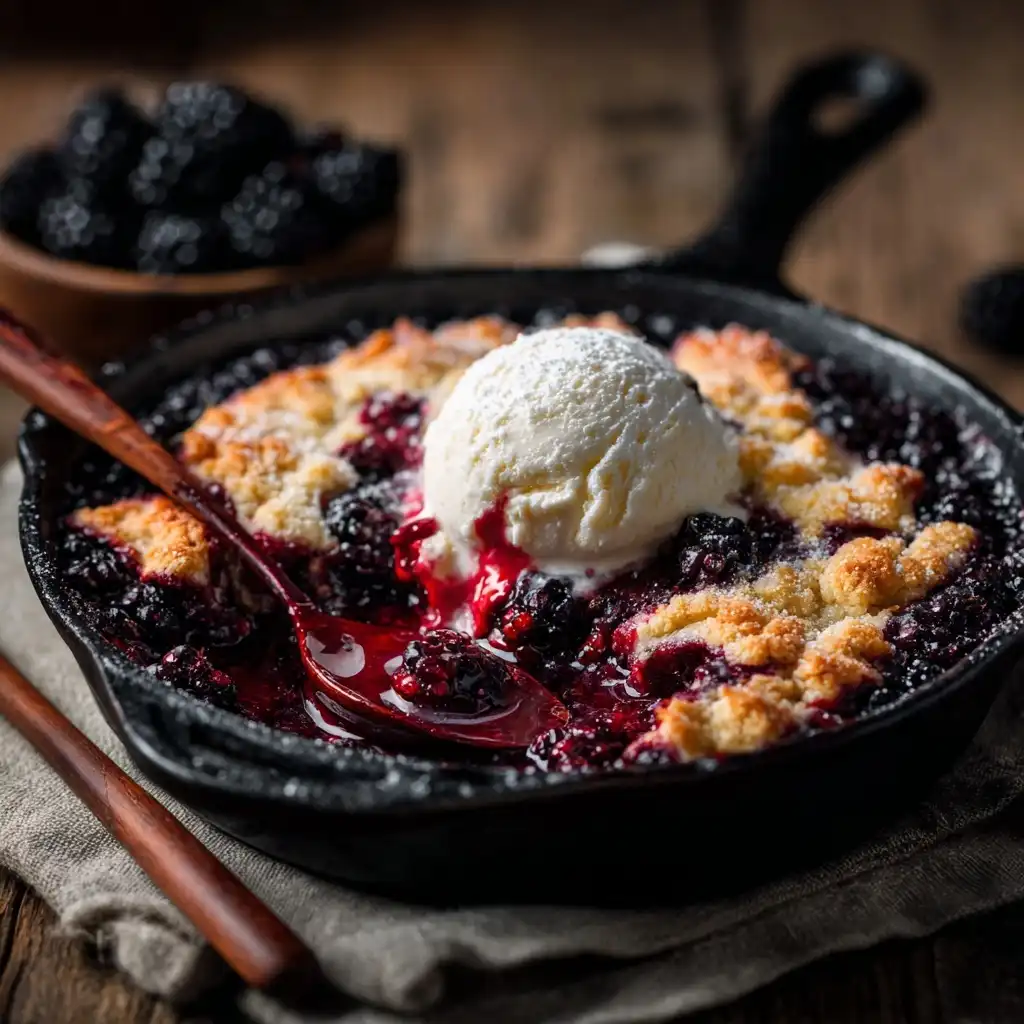
There’s something deeply comforting—and unmistakably nostalgic—about the aroma of a rustic blackberry cobbler baking in the oven: warm, tart-sweet berries bubbling beneath a golden, biscuit-like crown, releasing steam fragrant with vanilla, butter, and a whisper of cinnamon. Unlike its more refined cousins (think crisp or pie), the rustic blackberry cobbler embraces imperfection—uneven edges, a slightly lumpy topping, berries that burst and pool into syrupy rivulets. It’s homegrown, unpretentious, and profoundly soul-satisfying. This dessert is less about precision and more about presence: the joy of picking sun-warmed blackberries from a tangled thicket, the quiet ritual of washing and sorting them by hand, the tactile pleasure of dropping spoonfuls of tender dough over bubbling fruit. Whether served warm with a scoop of vanilla bean ice cream, drizzled with homemade whipped cream, or enjoyed plain with a fork straight from the cast-iron skillet, rustic blackberry cobbler is more than dessert—it’s edible memory, seasonal gratitude, and Southern hospitality baked into one generous, bubbling dish.
The History
The origins of the cobbler stretch back to 19th-century America, evolving from British “cobs” and “cobblers”—early forms of fruit dumplings or suet-based puddings—but finding its true voice in the American South and Midwest. As settlers moved westward, they adapted recipes to available ingredients: wild berries, stone fruits, and pantry staples like flour, lard or butter, sugar, and buttermilk. The word “cobbler” likely derives from the verb *to cobble*, meaning “to put together roughly”—a fitting etymology for a dessert defined by its charmingly haphazard construction. Early cobblers often featured a biscuit-style topping dropped or spooned over stewed fruit, creating a “cobbled” surface that baked into irregular mounds—hence the name. Blackberries, native across much of North America and historically foraged in abundance (especially along fence rows, forest edges, and abandoned fields), became a natural star of the genre. By the late 1800s, cobbler appeared regularly in community cookbooks, church fundraisers, and farmhouse kitchens—valued not only for its flavor but also for its versatility, frugality, and ability to feed a crowd. During the Great Depression, cobblers offered economical sweetness using seasonal, often free-foraged fruit and simple pantry items. Today, the rustic blackberry cobbler honors that legacy—not as a museum piece, but as a living tradition continually renewed with heirloom berries, organic flours, heritage grains, and mindful techniques passed down through generations of home bakers, gardeners, and foragers.
Ingredients Breakdown
Every element of a truly rustic blackberry cobbler serves both function and flavor—and understanding why each ingredient matters deepens both technique and appreciation:
- Fresh Blackberries (6–7 cups): The soul of the cobbler. Opt for peak-season, locally foraged or farm-grown berries—they should be plump, deeply purple-black, slightly dusty (that natural bloom is a sign of freshness), and yield gently to pressure. Avoid overly soft or fermented berries. Wild blackberries tend to be tarter and more complex; cultivated varieties (like ‘Apache’ or ‘Navaho’) offer larger size and juicier texture. Never use frozen unless absolutely necessary—and if you do, thaw and drain thoroughly to avoid excess water.
- Granulated Sugar (¾–1 cup): Balances blackberry’s natural tartness. Start with ¾ cup and adjust upward based on berry ripeness and personal preference. A small amount of raw cane sugar (e.g., turbinado) can add subtle molasses depth.
- Light Brown Sugar (¼ cup, packed): Contributes moisture, caramel notes, and a gentle richness that complements blackberry’s earthy undertones. Its molasses content also aids browning and adds complexity to the syrup.
- Lemon Juice (2 tbsp) & Zest (1 tsp): Brightens the fruit, enhances aromatic volatility, and prevents dull, flat sweetness. Lemon zest adds essential citrus oils—don’t skip it.
- Cornstarch (3–4 tbsp): The ideal thickener for cobblers—neutral flavor, reliable clarity, and strong heat stability. Too little leads to runny filling; too much yields gummy, cloudy syrup. Adjust based on berry juiciness: use 3 tbsp for firmer, drier berries; 4 tbsp for very juicy or rain-soaked harvests.
- Ground Cinnamon (½ tsp) & Freshly Grated Nutmeg (¼ tsp): Warm, grounding spices that echo blackberry’s autumnal character without overpowering. Toast whole nutmeg for maximum fragrance.
- Salt (½ tsp fine sea salt): An essential flavor amplifier—reduces perceived bitterness, balances sweetness, and deepens fruit perception. Don’t underestimate its role.
- All-Purpose Flour (1 ½ cups): Provides structure to the biscuit topping. For extra rusticity, substitute up to ¼ cup with whole wheat pastry flour or stone-ground white whole wheat for nutty depth and tender crumb.
- Baking Powder (2 tsp) & Baking Soda (¼ tsp): Double-acting leaveners ensure lift and tenderness. Baking soda also neutralizes acidity from lemon and berries, promoting browning and richer flavor development.
- Unsalted Butter (6 tbsp, cold and cubed): The heart of the topping’s richness and flakiness. Cold butter creates steam pockets as it melts—essential for light, shaggy biscuits. Use high-fat European-style butter (82–84% fat) for superior flavor and texture.
- Buttermilk (¾ cup, well-shaken): Adds tang, tenderness, and activates baking soda. Full-fat, cultured buttermilk yields best results. For dairy-free, substitute oat milk + 1 tsp apple cider vinegar (rest 5 min).
- Vanilla Extract (1 tsp pure, preferably Madagascar or Tahitian): Deepens warmth and rounds out the fruit-butter balance. Infuse your own vanilla sugar for an extra layer of sophistication.
- Coarse Sugar (2 tbsp, e.g., turbinado or demerara): Sprinkled on top before baking for crunch, sparkle, and caramelized sweetness—a hallmark of rustic elegance.
Step-by-Step Recipe
- Preheat & Prep: Position oven rack in the lower third. Preheat oven to 375°F (190°C). Lightly butter a 9×13-inch baking dish or, for authentic rustic charm, a well-seasoned 10-inch cast-iron skillet (ensure handle is oven-safe). Set aside.
- Prepare the Fruit Filling: In a large, non-reactive bowl (stainless steel or glass), combine blackberries, granulated sugar, brown sugar, lemon juice and zest, cornstarch, cinnamon, nutmeg, and salt. Gently fold with a silicone spatula—just until evenly coated. Avoid crushing berries. Let macerate 15–20 minutes at room temperature. You’ll notice juices pooling and thickening slightly—a sign the cornstarch is beginning to hydrate.
- Make the Biscuit Topping: In a chilled medium bowl, whisk together flour, baking powder, baking soda, and remaining ¼ tsp salt. Add cold, cubed butter. Using a pastry cutter, two forks, or fingertips, work butter into flour until mixture resembles coarse crumbs with some pea-sized pieces remaining—this ensures flaky, tender pockets. Stir in buttermilk and vanilla just until a shaggy, slightly sticky dough forms. Do not overmix—lumps are desirable. Let rest 5 minutes to allow gluten relaxation and butter rechilling.
- Assemble with Intention: Pour macerated blackberry mixture into prepared dish. It will be liquidy—this is correct. Using a ¼-cup measuring cup or large ice cream scoop, portion dough into 8–10 generous mounds. Space them evenly across the fruit, allowing space for expansion. Gently press each mound slightly to flatten (about 1″ thick). Don’t worry about gaps—the filling will bubble up and envelop them.
- Finish & Bake: Sprinkle entire surface generously with coarse sugar. Place dish on a parchment-lined baking sheet (to catch potential bubbles and simplify cleanup). Bake for 45–55 minutes. Begin checking at 40 minutes: topping should be deeply golden brown, edges bubbling vigorously, and center set (a toothpick inserted between mounds should come out clean or with minimal moist crumbs—not wet batter). If topping browns too quickly, loosely tent with foil.
- Cool & Set: Remove from oven and let rest undisturbed for *at least 30 minutes*—ideally 45–60 minutes. This crucial step allows the filling to thicken fully and the biscuit topping to firm. Cutting too soon releases steam and causes structural collapse, resulting in soggy topping and runny syrup.
- Serve Warm: Scoop directly from the dish using a wide, sturdy spoon—aim for a balanced portion of berry syrup, tender fruit, and biscuit. Serve immediately with accompaniments of choice.
Tips
- Forage Mindfully: If harvesting wild blackberries, choose locations far from roadsides, agricultural runoff, or pesticide-treated areas. Pick in early morning after dew dries for peak sweetness and firmness. Wear long sleeves and gloves—those thorns are no joke!
- Test Berry Tartness: Before adding all the sugar, taste one berry. Extremely tart berries may need up to 1 ¼ cups total sugar; sweeter, riper ones may need as little as ½ cup. Trust your palate over the recipe.
- Chill Everything: Cold butter, cold buttermilk, and even a briefly chilled bowl prevent premature melting and ensure optimal rise and texture. Pop the mixing bowl in the freezer for 5 minutes pre-prep.
- Don’t Skip the Rest: Letting the dough rest before scooping improves handling and prevents toughness. Likewise, the post-bake rest is non-negotiable for proper setting.
- Skillet Secret: A preheated cast-iron skillet gives superior bottom browning and crust formation. Heat it over medium-low for 5 minutes before adding the fruit—then proceed with assembly.
- Texture Control: For a more cake-like topping, increase buttermilk by 1–2 tbsp. For a denser, scone-like crumb, reduce by 1 tbsp. For extra flakiness, fold dough over itself 2–3 times like puff pastry before scooping.
- Bubble Watch: Vigorous bubbling around the edges signals doneness—even if the center looks slightly soft. That’s where the residual heat finishes the job during cooling.
- Leftovers? Embrace Them: Store covered at room temperature up to 2 days, or refrigerated up to 5 days. Reheat individual portions in a toaster oven or air fryer (350°F, 5–7 min) for crisp topping revival—or enjoy cold, like a jammy fruit bread pudding.
Variations and Customizations
The rustic blackberry cobbler is gloriously adaptable—here are time-tested, chef-approved variations that honor tradition while inviting creativity:
- Blackberry-Lavender: Add 1 tsp culinary-grade dried lavender buds (crushed) to the fruit mixture. Pair with honey instead of brown sugar for floral harmony.
- Blackberry-Basil: Fold ¼ cup finely chopped fresh basil into the macerated berries just before assembling. Adds bright, peppery complexity—ideal for summer.
- Oat-Top Cobbler: Replace ⅓ cup flour in the topping with old-fashioned rolled oats. Toast oats first for nuttiness. Sprinkle extra oats on top before baking.
- Spiced Pecan Streusel: Swap the biscuit topping for a rustic streusel: combine 1 cup flour, ½ cup brown sugar, ½ tsp cinnamon, ¼ tsp salt, 6 tbsp cold butter, and ½ cup chopped toasted pecans. Crumble over fruit.
- Gluten-Free Rustic: Use a 1:1 GF flour blend (with xanthan gum) and add 1 tsp psyllium husk powder to the topping for binding. Increase buttermilk by 1 tbsp.
- Vegan Rustic: Substitute cold coconut oil (refined for neutral taste) for butter; use almond or soy milk + 1 tsp vinegar for buttermilk; and replace sugar with coconut sugar or maple syrup (reduce other liquids slightly).
- Heritage Grain Version: Use ½ cup freshly milled spelt or einkorn flour blended with 1 cup AP flour in the topping for earthy, ancient-grain depth and delicate tenderness.
- Boozy Blackberry: Stir 2 tbsp bourbon, blackberry brandy, or elderflower liqueur into the fruit mixture. Reduce lemon juice by ½ tsp to balance added alcohol.
- Double-Fruit Rustic: Fold in 1 ½ cups sliced ripe peaches or raspberries for layered complexity and textural contrast.
- Maple-Cardamom: Replace granulated sugar with pure maple syrup (reduce buttermilk by 1 tbsp) and add ½ tsp freshly ground cardamom to the topping.
Health Considerations and Nutritional Value
A rustic blackberry cobbler isn’t marketed as “health food”—but when made thoughtfully, it offers meaningful nutritional value rooted in whole, minimally processed ingredients:
- Blackberries: A nutritional powerhouse—1 cup provides ~30% DV of vitamin C, 36% DV of vitamin K, 25% DV of manganese, and 8g of fiber (including prebiotic pectin). Rich in anthocyanins (potent antioxidants linked to reduced inflammation, improved cognitive function, and cardiovascular support), ellagic acid (studied for anti-carcinogenic properties), and quercetin (a natural antihistamine and anti-inflammatory flavonoid).
- Whole Grains & Fiber: Substituting part of the flour with whole wheat pastry flour or oats boosts soluble and insoluble fiber—supporting satiety, blood sugar regulation, and gut microbiome diversity.
- Healthy Fats: Butter contributes conjugated linoleic acid (CLA), fat-soluble vitamins (A, D, E, K), and butyrate precursors—beneficial for gut lining integrity. Grass-fed butter offers higher omega-3 and CLA levels.
- Sugar Awareness: While sweetened, this cobbler uses significantly less sugar than commercial desserts (typically 10–15g per serving vs. 30g+ in store-bought pies). Natural fruit sugars predominate, and the fiber slows glucose absorption. For lower glycemic impact, reduce sugar by 25% and add 1 tsp ground chia or flaxseed to filling.
- Portion Wisdom: Served mindfully (½ cup cobbler + ¼ cup ice cream), it fits within balanced eating patterns. The combination of fruit, complex carbs, and fat promotes sustained energy and satisfaction—reducing cravings later.
- Considerations: Naturally high in natural sugars and moderate in saturated fat. Those managing diabetes, insulin resistance, or specific dietary restrictions (e.g., low-FODMAP) should monitor portions and consider modifications (e.g., low-sugar thickeners like arrowroot, omitting high-FODMAP additions like apples or pears). Always consult a registered dietitian for personalized guidance.
Ingredients
- 6–7 cups fresh blackberries (about 1 ½–2 lbs), rinsed, stemmed, and gently patted dry
- ¾–1 cup granulated sugar (adjust to taste and berry ripeness)
- ¼ cup light brown sugar, firmly packed
- 2 tablespoons fresh lemon juice (from 1 medium lemon)
- 1 teaspoon finely grated lemon zest
- 3–4 tablespoons cornstarch (start with 3; add 1 more if berries are exceptionally juicy)
- ½ teaspoon ground cinnamon
- ¼ teaspoon freshly grated nutmeg (or high-quality ground)
- ½ teaspoon fine sea salt (plus ¼ tsp for topping)
- 1 ½ cups all-purpose flour (plus 2 tbsp for dusting, optional)
- 2 teaspoons baking powder
- ¼ teaspoon baking soda
- 6 tablespoons unsalted butter, very cold and cut into ½-inch cubes
- ¾ cup full-fat cultured buttermilk, well-shaken
- 1 teaspoon pure vanilla extract
- 2 tablespoons coarse sugar (turbinado or demerara) for sprinkling
Directions
- Preheat oven to 375°F (190°C). Lightly butter a 9×13-inch baking dish or a 10-inch oven-safe cast-iron skillet. Place on a parchment-lined baking sheet.
- In a large bowl, gently combine blackberries, granulated sugar, brown sugar, lemon juice, lemon zest, cornstarch, cinnamon, nutmeg, and ½ tsp salt. Fold just until evenly coated. Let stand at room temperature for 15–20 minutes to macerate and release juices.
- In a separate chilled medium bowl, whisk together flour, baking powder, baking soda, and remaining ¼ tsp salt. Add cold butter cubes. Using a pastry cutter or fingertips, cut butter into flour until mixture resembles coarse crumbs with visible pea-sized butter pieces.
- Stir in buttermilk and vanilla just until a shaggy, slightly sticky dough forms—do not overmix. Let dough rest 5 minutes.
- Pour macerated blackberry mixture into prepared dish. Using a ¼-cup measure or large scoop, portion dough into 8–10 mounds over fruit, spacing evenly. Gently press each mound to flatten slightly (~1 inch thick).
- Sprinkle entire surface generously with coarse sugar.
- Bake for 45–55 minutes, or until topping is deep golden brown, edges are vigorously bubbling, and center is set (a toothpick inserted between mounds comes out clean or with moist crumbs—not wet batter).
- Remove from oven and let cool undisturbed for at least 30 minutes (45–60 preferred) to allow filling to fully thicken.
- Serve warm, scooped directly from the dish. Ideal accompaniments: vanilla bean ice cream, crème fraîche, honey-sweetened whipped cream, or a drizzle of reduced blackberry coulis.
FAQ
- Can I make this cobbler ahead of time?
- Yes! Assemble the fruit filling up to 24 hours ahead and refrigerate covered. Prepare the biscuit dough up to 12 hours ahead—shape into a disc, wrap tightly, and refrigerate. Let dough sit at room temperature 10 minutes before scooping. For best results, bake just before serving. Fully baked cobbler reheats beautifully: cover loosely with foil and warm at 325°F for 15–20 minutes.
- Why did my topping sink or become soggy?
- Most commonly due to underbaking (topping wasn’t fully set before removing), cutting too soon (filling hadn’t cooled enough to thicken), or excess liquid in the fruit (not draining thawed frozen berries, or using overly wet berries). Ensure vigorous edge bubbling and proper cooling time.
- Can I use frozen blackberries?
- Absolutely—but thaw completely in a colander over a bowl, then gently press out *all* excess liquid (discard liquid or reduce it into syrup for another use). Increase cornstarch by 1 tbsp, as frozen berries release more water. Expect slightly softer texture.
- Is there a dairy-free version that still tastes rich?
- Yes. Use cold refined coconut oil (solid at room temp) instead of butter, and make “buttermilk” with ¾ cup unsweetened oat or soy milk + 1 tsp apple cider vinegar (let sit 5 min). Add 1 tsp maple syrup to topping for depth. Texture remains tender and flavorful.
- My cobbler turned purple-gray—did I do something wrong?
- No—this is normal! Blackberry anthocyanins react to pH. Alkaline ingredients (like excess baking soda or hard water) can cause color shift. To preserve vibrant purple, ensure precise leavener amounts and use filtered water if your tap water is highly alkaline.
- How do I know when the fruit is perfectly ripe for cobbler?
- Ripe blackberries are deep matte black (no red or green tinges), plump but not mushy, and detach easily from the vine with a gentle tug. They should smell sweet, jammy, and faintly floral—not fermented or vinegary.
- Can I double this recipe?
- Yes—use two 9×13 dishes or two 10-inch skillets. Increase baking time by 5–8 minutes and rotate pans halfway through. Avoid overcrowding one oversized pan—it prevents even baking and proper bubbling.
- What’s the best way to store leftovers?
- Cover tightly and store at room temperature up to 2 days (ideal for maintaining biscuit texture) or refrigerate up to 5 days. Freeze unbaked assembled cobbler (wrap tightly) up to 3 months—bake from frozen, adding 15–20 minutes to bake time and covering loosely with foil initially.
Summary
A rustic blackberry cobbler is a celebration of seasonality, simplicity, and soulful craftsmanship—where wild-harvested or garden-fresh blackberries meld with a tender, golden biscuit topping in a bubbling, fragrant embrace of vanilla, lemon, and warm spice. It honors centuries of resourceful, heartfelt baking while inviting modern customization, mindful ingredient choices, and joyful, unhurried preparation.
More than dessert, it’s a vessel for connection—to land, to lineage, to loved ones gathered around a steaming dish—and proof that the most profound comfort often arrives unpolished, generous, and gloriously imperfect.