Introduction
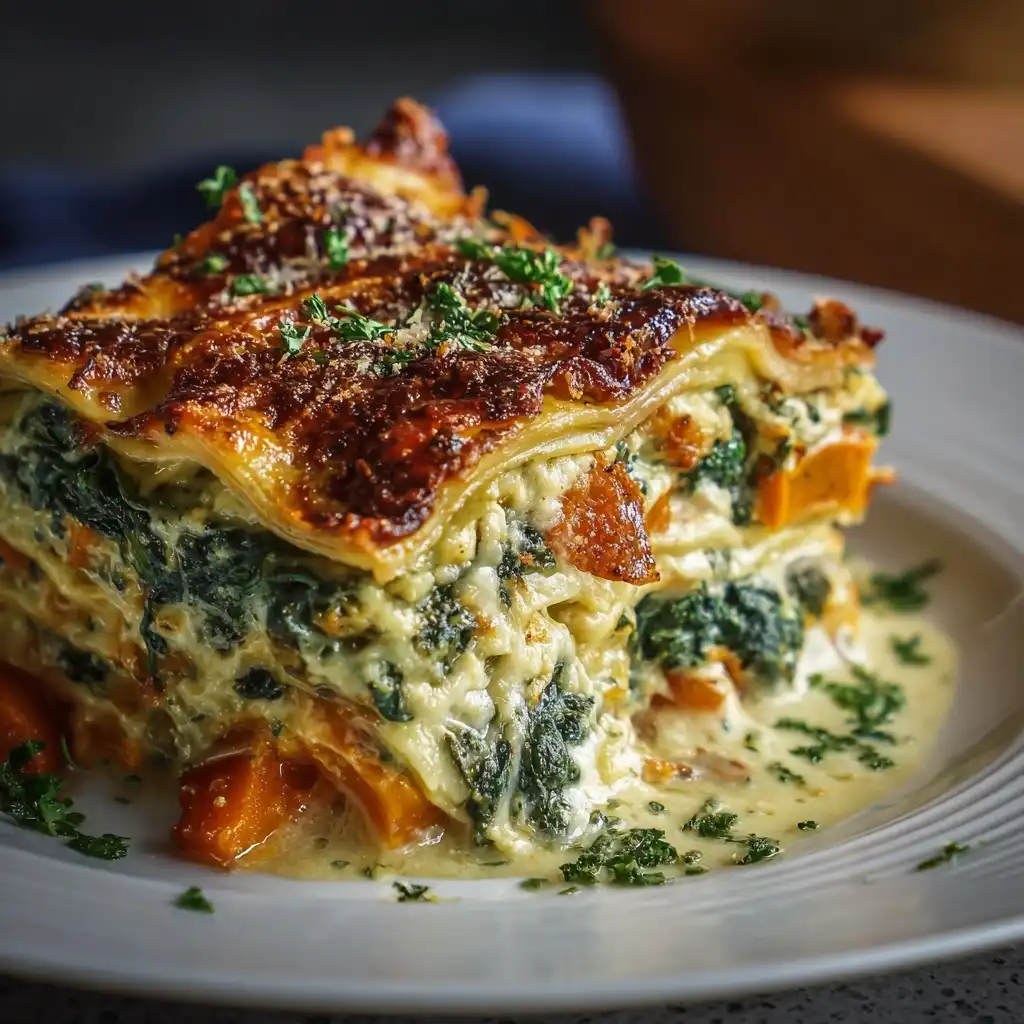
Butternut Squash and Spinach Lasagna is a soul-warming, nutrient-dense reinvention of the classic Italian comfort dish—thoughtfully crafted to harmonize earthy sweetness, vibrant greens, creamy richness, and delicate herbal notes. Far from being just a seasonal twist, this lasagna bridges culinary tradition with modern wellness sensibilities: it celebrates autumnal abundance while offering a naturally gluten-free (when using appropriate noodles), dairy-light (or fully plant-based), and fiber-rich alternative that delights vegetarians, flexitarians, and health-conscious diners alike. Its velvety butternut squash purée forms a luscious, subtly spiced base; tender baby spinach adds color, iron, and a gentle mineral depth; and layers of tender pasta—or no-boil alternatives—create satisfying textural contrast. Whether served at a holiday gathering, meal-prepped for weekday ease, or enjoyed as a cozy weeknight centerpiece, this lasagna invites slow appreciation—not just of flavor, but of intentionality in ingredient sourcing, mindful preparation, and nourishing hospitality.
The History
Lasagna’s origins trace back to 13th-century Italy, where early versions—like the layered “lasanum” documented in the 1287 manuscript Liber de Coquina—featured sheets of dough layered with grated cheese and spices, baked without tomato sauce (which wouldn’t arrive from the Americas until the 16th century). Over centuries, regional variations blossomed: Emilia-Romagna claimed the iconic lasagna al forno with ragù and béchamel; Naples favored rich meat fillings and mozzarella; and Sicily introduced sweet-savory notes with cinnamon and ricotta. The incorporation of roasted squash into pasta bakes began gaining traction in North America during the late 20th century, propelled by the farm-to-table movement and renewed interest in heirloom vegetables. Butternut squash—first cultivated in Massachusetts in 1932 by agronomist Charles Leggett—rose to prominence for its dense, nutty flesh, long shelf life, and exceptional roasting qualities. When paired with spinach—a leafy green revered since ancient Persia for its vitality and later championed by Popeye in mid-20th-century American pop culture—the combination became a hallmark of “gourmet vegetarian” cuisine. Chefs like Deborah Madison (in Vegetarian Cooking for Everyone) and Ottolenghi (in Plenty) elevated squash-and-greens layering techniques, inspiring home cooks to reimagine lasagna not as a heavy indulgence, but as a canvas for seasonal integrity, botanical synergy, and layered umami. Today, Butternut Squash and Spinach Lasagna stands as a testament to cross-cultural adaptation, agricultural innovation, and the quiet revolution of vegetable-forward fine dining.
Ingredients Breakdown
Every component in this lasagna is chosen for purpose, synergy, and sensory balance—not merely substitution. Let’s explore the role each ingredient plays:
- Butternut Squash (2½–3 lbs, peeled, seeded, cubed): Provides natural sweetness, velvety texture when roasted and puréed, and a wealth of beta-carotene (converted to vitamin A), potassium, and dietary fiber. Roasting—not steaming—deepens caramelized complexity and concentrates flavor.
- Extra-Virgin Olive Oil (¼ cup + extra for roasting): Adds fruit-forward aroma, aids in roasting caramelization, and contributes polyphenols and monounsaturated fats. Opt for a robust, peppery Tuscan oil to stand up to squash’s sweetness.
- Fresh Garlic (4 cloves, minced): Delivers pungent, allium depth that mellows beautifully when sautéed—acting as an aromatic bridge between squash and spinach.
- Yellow Onion (1 medium, finely diced): Offers foundational sweetness and structure; slow-cooking unlocks natural fructose and builds savory umami backbone.
- Fresh Baby Spinach (12 oz / ~10 cups loosely packed): Chosen over mature spinach for tenderness, mild flavor, and minimal bitterness. Rich in non-heme iron, folate, magnesium, and lutein—its high water content also helps regulate moisture in the final bake.
- Low-Moisture Part-Skim Mozzarella (16 oz, shredded): Melts evenly, provides stretch and mild milky tang, and offers calcium and protein without excessive saturated fat. Avoid pre-shredded varieties (they contain anti-caking starches that inhibit melt).
- Ricotta Cheese (15 oz whole-milk, small-curd): Acts as the creamy, cloud-like binder—its subtle sweetness and grainy texture complement squash beautifully. Whole-milk ricotta ensures richness and prevents graininess or separation.
- Grated Parmigiano-Reggiano (1 cup, freshly grated): Adds umami intensity, salty complexity, and enzymatic depth (thanks to aging). Pre-grated versions lack volatile aroma compounds and often contain cellulose fillers.
- Fresh Nutmeg (¼ tsp, freshly grated): A quintessential pairing with squash—its warm, woody, slightly sweet resonance enhances beta-carotene perception and balances earthiness.
- Dried Oregano & Thyme (1 tsp each, preferably Mediterranean-sourced): Earthy, floral, and slightly minty—these herbs echo traditional Italian profiles while grounding the dish in herbaceous authenticity.
- Sea Salt & Freshly Ground Black Pepper (to taste): Not mere seasonings—they’re functional: salt amplifies sweetness and suppresses bitterness; pepper’s piperine increases bioavailability of nutrients like beta-carotene.
- No-Boil Lasagna Noodles (12 sheets, oven-ready): Engineered to absorb surrounding liquid during baking—eliminating prep time and ensuring consistent tenderness. Look for durum wheat semolina varieties with minimal additives. For gluten-free options, brown rice or lentil-based sheets work exceptionally well when layered with adequate moisture-rich filling.
- Unsweetened Plant Milk (¼ cup almond or oat milk, optional but recommended): A secret hydration booster—helps ricotta achieve silkier consistency and prevents drying during longer baking times.
- Fresh Basil Leaves (for garnish): Bright, anise-like finish that cuts through richness and adds aromatic freshness just before serving.
Step-by-Step Recipe
- Roast the Squash: Preheat oven to 400°F (200°C). Toss cubed butternut squash with 2 tbsp olive oil, 1 tsp salt, and ½ tsp black pepper on a parchment-lined sheet pan. Spread in a single layer. Roast for 35–45 minutes, flipping halfway, until deeply golden, fork-tender, and caramelized at edges. Cool 10 minutes.
- Purée the Base: Transfer roasted squash to a food processor or high-speed blender. Add 2 minced garlic cloves, ¼ tsp nutmeg, ½ tsp oregano, ½ tsp thyme, and 2 tbsp olive oil. Purée until completely smooth (1–2 minutes), scraping sides. Taste and adjust salt. Set aside—this is your squash layer.
- Sauté Aromatics: In a large skillet over medium heat, warm 1 tbsp olive oil. Sauté diced onion until translucent (~6 min). Add remaining 2 garlic cloves; cook 1 minute until fragrant. Stir in remaining oregano and thyme; toast 30 seconds.
- Wilt the Spinach: Increase heat to medium-high. Add spinach in batches, stirring constantly until wilted and reduced (~3–4 minutes total). Season with ½ tsp salt and ¼ tsp pepper. Remove from heat; transfer to a clean kitchen towel or fine-mesh strainer. Gently squeeze out *all* excess liquid—this is critical to prevent a watery lasagna.
- Prepare Ricotta Mixture: In a large bowl, combine ricotta, ¾ cup Parmigiano-Reggiano, unsweetened plant milk (if using), ½ tsp salt, and pinch of nutmeg. Whisk vigorously until light and airy (about 1 minute)—this incorporates air and prevents denseness. Fold in squeezed spinach gently but thoroughly.
- Assemble with Precision: Lightly grease a 9×13-inch deep baking dish (at least 3 inches tall). Spread ¾ cup squash purée evenly across bottom. Place 4 no-boil noodles lengthwise (slight overlap is fine). Top with ⅓ of ricotta-spinach mixture, spreading evenly. Dollop ¾ cup squash purée over top and gently swirl with a spoon to create a marbled effect—*do not mix completely*. Sprinkle with ⅓ of mozzarella. Repeat layers twice more (noodles → ricotta-spinach → squash swirl → mozzarella), ending with fourth noodle layer. Top final layer with remaining squash purée, smoothing gently. Sprinkle generously with remaining ¼ cup Parmigiano-Reggiano and a final dusting of nutmeg and black pepper.
- Bake with Steam Control: Cover dish tightly with aluminum foil (tent it slightly to prevent cheese from sticking). Bake at 375°F (190°C) for 45 minutes. Carefully remove foil; rotate dish. Continue baking uncovered for 25–35 minutes, until top is deeply golden, edges are bubbling vigorously, and center registers 165°F (74°C) on an instant-read thermometer. If top browns too quickly, tent loosely with foil again.
- Rest Imperatively: Remove from oven and let rest—*undisturbed*—for full 30 minutes. This allows starches to set, cheeses to re-emulsify, and layers to cohere. Cutting too soon causes collapse and weeping.
- Final Touch & Serve: Run a thin knife around edges to loosen. Garnish with fresh basil ribbons and extra cracked black pepper. Slice with a sharp chef’s knife dipped in hot water between cuts for clean edges.
Tips
- Roasting > Steaming: Never boil or steam squash for this recipe—it dilutes flavor and creates excess water. Roasting concentrates sugars and develops Maillard reaction complexity.
- Squeeze Spinach Like Your Lasagna Depends On It: Use a clean linen towel or sturdy cheesecloth—not paper towels—for maximum liquid extraction. Even 1 tbsp residual water can turn layers soggy.
- Room-Temperature Cheese Matters: Cold ricotta and mozzarella won’t integrate smoothly. Let cheeses sit out 20 minutes before mixing.
- Swirl, Don’t Stir: When adding squash purée over ricotta layers, use the back of a spoon to gently drag through—creating ribbons—not stir, which homogenizes layers and muddies visual appeal and textural contrast.
- Undercook Noodles Slightly (If Using Regular): If not using no-boil, parboil traditional noodles for 1 minute less than package directs—then shock in ice water and lay flat on oiled parchment to prevent sticking.
- Thermometer Confidence: Insert thermometer into center, avoiding noodles. 165°F ensures food safety *and* optimal cheese emulsion. Below this, layers may slide; above, cheese may separate.
- Resting Is Non-Negotiable: That 30-minute wait isn’t passive—it’s active setting. The residual heat continues gentle cooking while proteins relax and bind.
- Cool Before Refrigerating: To avoid condensation and sogginess, cool fully to room temp (1 hour) before covering and refrigerating leftovers.
- Reheating Without Ruin: Reheat individual slices in a 350°F oven (covered with foil) for 20 minutes, then uncover for 5 minutes to crisp edges. Microwaving makes cheese rubbery and noodles gummy.
- Freeze Smart: Assemble unbaked lasagna (wrap tightly in foil + freezer bag); freeze up to 3 months. Bake from frozen—add 20 minutes covered, then 30 minutes uncovered.
Variations and Customizations
Gluten-Free Adaptation
Use certified GF no-boil lasagna noodles (brown rice, quinoa, or lentil-based). Ensure all cheeses are labeled GF (some whey-based cheeses contain trace gluten). Boost binding with 1 tbsp ground flaxseed mixed into ricotta.
Vegan Version
Replace squash purée with roasted kabocha or delicata squash. Use cashew ricotta (soaked raw cashews + lemon juice + nutritional yeast + garlic + salt), vegan mozzarella shreds (branded for melting, e.g., Miyoko’s or Violife), and omit Parmigiano. Add 1 tbsp white miso paste to ricotta for umami depth.
Protein-Enriched
Layer in cooked lentils (½ cup brown or French), crumbled tempeh bacon, or chopped sautéed cremini mushrooms. Add 1 tsp soy sauce or tamari to ricotta for savory lift.
Mediterranean Twist
Add ½ cup chopped sun-dried tomatoes (oil-packed, drained), ¼ cup kalamata olives (pitted & halved), and 2 tbsp chopped fresh oregano. Swap nutmeg for ¼ tsp ground cinnamon.
Herb-Forward & Bright
Increase fresh herbs: fold ¼ cup chopped parsley, 2 tbsp dill, and 1 tbsp chives into ricotta. Finish with lemon zest and a drizzle of lemon-infused olive oil.
Spice-Kissed
Add ¼ tsp smoked paprika + ⅛ tsp cayenne to squash purée. Garnish with pickled red onions and microgreens.
Kid-Friendly Simplified
Omit nutmeg and black pepper. Blend spinach *into* squash purée for invisible greens. Use mild provolone instead of mozzarella and add 1 tbsp honey to ricotta for gentle sweetness.
Sheet-Pan Shortcut
For weeknight ease: Layer roasted squash, spinach mixture, and cheese directly onto a large parchment-lined sheet pan. Top with broken no-boil noodles, then remaining cheese. Bake at 400°F for 25–30 minutes until bubbly and golden.
Health Considerations and Nutritional Value
A single 1¼-inch slice (approx. 1/12 of recipe) delivers approximately 385 calories, 22g protein, 42g carbohydrates (12g fiber), 16g fat (7g saturated), 850mg sodium, and 12,500 IU vitamin A (250% DV). Its nutritional profile reflects intentional design:
- Vitamin A Powerhouse: Butternut squash supplies over 250% of daily vitamin A needs—critical for immune function, vision, skin health, and mucosal barrier integrity. Beta-carotene absorption increases 3–5x when consumed with healthy fats (olive oil, cheese).
- Fiber Synergy: With 12g fiber per serving (nearly half the daily recommendation), this lasagna supports satiety, gut microbiome diversity (via prebiotic pectins in squash + inulin in onions), and stable blood glucose—especially when paired with low-GI noodles.
- Non-Heme Iron Optimization: Spinach provides plant-based iron, enhanced by vitamin C from roasted squash and garlic—and further boosted by the acidic tang of ricotta and Parmigiano, which improves absorption.
- Anti-Inflammatory Profile: Rich in polyphenols (olive oil, herbs), carotenoids (squash), and nitrates (spinach), this dish actively combats oxidative stress. Nutmeg contains myristicin, shown in vitro to modulate inflammatory cytokines.
- Dairy Considerations: Using part-skim mozzarella and whole-milk ricotta balances calcium and protein without excessive saturated fat. Lactose-intolerant individuals often tolerate aged cheeses (Parmigiano) and fermented ricotta well due to low lactose content.
- Sodium Awareness: At 850mg/serving, sodium remains moderate—well below FDA’s 2,300mg daily limit. Reduce further by omitting added salt in squash layer and using low-sodium cheeses.
- Glycemic Impact: With a low glycemic load (~14), thanks to high fiber and fat content slowing carbohydrate digestion, it’s suitable for prediabetic and type 2 diabetic meal plans (consult RD for personalization).
- Notable Micronutrients: Excellent source of folate (spinach), potassium (squash + spinach), magnesium (spinach), zinc (cheese), and B12 (dairy)—making it especially supportive during pregnancy, recovery, or active lifestyles.
Note: Nutritional values assume standard ingredients. Vegan or GF substitutions will alter macros and micronutrients—always verify labels and recalculate if managing specific conditions (e.g., renal disease, PKU).
Ingredients
- 2½–3 lbs butternut squash (about 1 large), peeled, seeded, and cut into 1-inch cubes
- ¼ cup extra-virgin olive oil, plus more for roasting
- 4 cloves garlic, minced (divided)
- 1 medium yellow onion, finely diced
- 12 oz fresh baby spinach (about 10 cups loosely packed)
- 16 oz low-moisture part-skim mozzarella cheese, shredded (about 4 cups)
- 15 oz whole-milk ricotta cheese (small-curd)
- 1 cup freshly grated Parmigiano-Reggiano cheese (plus extra for garnish)
- ¼ tsp freshly grated nutmeg (plus extra for garnish)
- 1 tsp dried oregano, preferably Mediterranean
- 1 tsp dried thyme, preferably Mediterranean
- 1½ tsp fine sea salt, divided
- 1 tsp freshly ground black pepper, divided
- 12 no-boil lasagna noodles (regular or gluten-free)
- ¼ cup unsweetened plain almond or oat milk (optional but recommended)
- Fresh basil leaves, for garnish
Directions
- Preheat oven to 400°F (200°C). Line a large rimmed baking sheet with parchment paper. Toss butternut squash with 2 tbsp olive oil, 1 tsp salt, and ½ tsp black pepper. Spread in a single layer. Roast 35–45 minutes, flipping halfway, until deeply golden and fork-tender. Cool 10 minutes.
- Transfer roasted squash to a food processor. Add 2 minced garlic cloves, ¼ tsp nutmeg, ½ tsp oregano, ½ tsp thyme, and 2 tbsp olive oil. Purée until completely smooth (1–2 min), scraping sides. Taste and adjust salt. Set aside.
- In a large skillet over medium heat, warm 1 tbsp olive oil. Sauté onion until soft and translucent (~6 min). Add remaining 2 garlic cloves; cook 1 minute. Stir in remaining oregano and thyme; toast 30 seconds.
- Increase heat to medium-high. Add spinach in batches, stirring constantly until fully wilted and reduced (~3–4 min total). Season with ½ tsp salt and ¼ tsp pepper. Transfer to a clean kitchen towel; squeeze out *all* excess liquid. Let cool slightly.
- In a large bowl, whisk ricotta, ¾ cup Parmigiano-Reggiano, plant milk (if using), ½ tsp salt, and pinch of nutmeg until light and airy (~1 min). Gently fold in squeezed spinach until evenly distributed.
- Lightly grease a 9×13-inch baking dish (minimum 3-inch depth). Spread ¾ cup squash purée evenly across bottom. Lay 4 no-boil noodles lengthwise (slight overlap OK). Top with ⅓ of ricotta-spinach mixture, spreading evenly. Dollop ¾ cup squash purée over top; gently swirl with spoon to marble. Sprinkle with ⅓ of mozzarella. Repeat layers two more times. Top final noodle layer with remaining squash purée, smoothing gently. Sprinkle with remaining ¼ cup Parmigiano-Reggiano, extra nutmeg, and black pepper.
- Cover tightly with foil (tent slightly). Bake at 375°F (190°C) for 45 minutes. Remove foil; rotate dish. Bake uncovered 25–35 minutes, until top is golden-brown and center reaches 165°F (74°C).
- Let rest—*undisturbed*—for 30 minutes. Run knife around edges. Garnish with fresh basil and extra black pepper. Slice with hot-water-dipped knife.
FAQ
- Can I make this ahead of time?
- Absolutely. Assemble up to 24 hours in advance, cover tightly, and refrigerate unbaked. Add 10 minutes to covered bake time. Alternatively, bake fully, cool completely, then refrigerate for up to 4 days or freeze for 3 months.
- Why do my noodles stay hard even after baking?
- Most commonly: insufficient moisture in filling or under-roasted squash (too much residual water evaporates, leaving noodles dry). Ensure squash purée is thick—not runny—and always use *no-boil* noodles designed for absorption. Also confirm your oven temperature is accurate with an oven thermometer.
- Can I substitute frozen spinach?
- Yes—but thaw completely and squeeze *aggressively* (use a potato ricer if possible). Frozen spinach contains up to 5x more water than fresh; inadequate draining guarantees sogginess.
- My lasagna turned out watery. What went wrong?
- Three likely culprits: 1) Inadequate spinach squeezing, 2) Under-roasted squash (steamed or boiled squash releases water during baking), or 3) Over-layering with wet ingredients. Always measure purée after roasting and reduce if needed by simmering 5 minutes in a saucepan.
- Is there a lower-fat version?
- You can use part-skim ricotta and low-moisture mozzarella, but avoid nonfat versions—they lack the fat needed for creaminess and melt. Boost volume with extra spinach or zucchini ribbons instead of reducing cheese.
- Can I use other squash varieties?
- Yes! Kabocha offers sweeter, drier flesh; acorn squash works well but requires longer roasting; delicata is tender-skinned and subtly nutty. Avoid zucchini or yellow squash—they’re too watery.
- How do I prevent the top layer from burning?
- Rotate the dish at the 25-minute uncovered mark. If browning too fast, tent *loosely* with foil—but leave edges open for steam release. You can also place a baking sheet on the rack above to diffuse heat.
- What wine pairs best with this lasagna?
- A medium-bodied Pinot Noir (with bright acidity to cut richness and red fruit to complement squash) or an off-dry Riesling (whose hint of sweetness echoes squash’s caramel notes) are exceptional matches. For non-alcoholic, try sparkling apple-ginger cider.
- Can I cook this in an Instant Pot?
- Not recommended. Lasagna requires dry heat for proper browning, cheese melt, and structural setting—functions an electric pressure cooker cannot replicate. A convection oven yields superior results.
- Why does my ricotta mixture look grainy?
- Overmixing or cold ricotta causes separation. Whisk only until smooth and airy—never beyond 60 seconds. Let ricotta sit at room temperature 20 minutes first. Adding a splash of plant milk also restores silkiness.
Summary
Butternut Squash and Spinach Lasagna is a masterclass in seasonal, soulful layering—where caramelized squash purée, delicately wilted spinach, and luxuriously seasoned cheeses unite beneath tender noodles to create a dish that is equally celebratory and comforting, nutritionally profound and deeply delicious. It honors centuries of lasagna tradition while boldly reimagining its potential through vegetable-centric abundance, mindful technique, and unwavering respect for ingredient integrity.
Whether you’re seeking a showstopping vegetarian centerpiece, a nutrient-dense family meal, or a make-ahead marvel for busy seasons, this lasagna delivers—with every golden, bubbling, herb-flecked slice offering warmth, wisdom, and the quiet joy of food made with intention.