Introduction
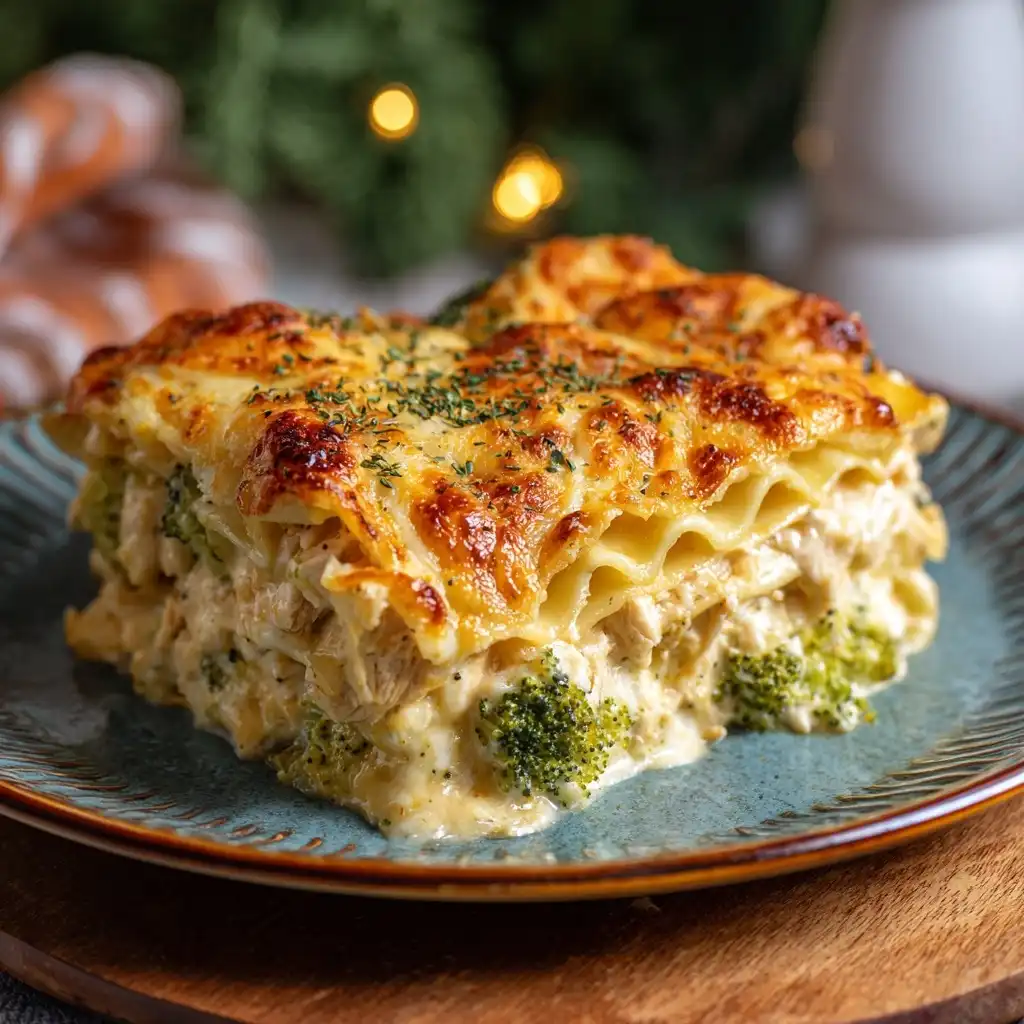
Welcome to the ultimate comfort food experience—Cheesy Chicken Broccoli Lasagna! This hearty, nutrient-dense twist on the classic Italian favorite swaps traditional ground beef for lean, flavorful grilled or roasted chicken and incorporates vibrant, fiber-rich broccoli for a wholesome upgrade. Rich with layers of tender pasta, creamy ricotta and mozzarella blends, savory herbs, and a velvety marinara base, this dish delivers decadent satisfaction without sacrificing balance. Whether you’re meal prepping for the week, hosting a family dinner, or seeking a crowd-pleasing casserole that even picky eaters will devour, Cheesy Chicken Broccoli Lasagna strikes the perfect harmony between indulgence and nourishment—and it’s surprisingly simple to make.
The History
Lasagna’s origins trace back to medieval Italy, with early references appearing in 13th-century texts like the De honesta voluptate et valetudine, where layered pasta sheets were baked with cheese and spices. Over centuries, regional variations flourished—from the meat-heavy lasagna al forno of Emilia-Romagna to the seafood-infused versions of coastal Campania. The Americanized version, popularized post-WWII with the rise of canned tomatoes, boxed noodles, and processed cheeses, paved the way for inventive adaptations. Cheesy Chicken Broccoli Lasagna emerged in the late 20th and early 21st centuries as part of a broader culinary shift toward leaner proteins, vegetable-forward meals, and health-conscious comfort food. Nutritionists, home cooks, and food bloggers alike began reimagining lasagna to align with modern dietary preferences—lower in saturated fat, higher in fiber and protein, and adaptable to gluten-free, low-carb, or dairy-light lifestyles—making this iteration not just a recipe, but a reflection of evolving food culture and mindful eating values.
Ingredients Breakdown
Every element in this Cheesy Chicken Broccoli Lasagna serves both flavor and function. Let’s explore why each ingredient matters:
- Lasagna Noodles: Traditional oven-ready (no-boil) noodles offer convenience and consistent texture; whole wheat or high-protein varieties add fiber and staying power. Gluten-free options (brown rice or lentil-based) maintain structural integrity while accommodating dietary needs.
- Chicken Breast or Thighs: Boneless, skinless chicken breast provides lean protein (≈31g per 4 oz), while thighs lend richer flavor and moisture due to their slightly higher fat content (≈26g protein, 10g fat per 4 oz). Rotisserie chicken is an excellent time-saving alternative—just ensure low-sodium seasoning.
- Fresh Broccoli: A nutritional powerhouse—high in vitamin C, K, folate, potassium, and sulforaphane (a potent antioxidant linked to cellular health). Blanching before layering preserves its bright green hue, crisp-tender bite, and prevents excess water release during baking.
- Ricotta Cheese: Whole-milk ricotta contributes creaminess, mild sweetness, and essential calcium (≈150mg per ½ cup) and protein (≈14g per cup). Part-skim works well for reduced fat, though full-fat yields superior mouthfeel and binding ability.
- Mozzarella & Parmesan: Low-moisture mozzarella melts luxuriously and forms the iconic golden crust; freshly grated Parmesan adds umami depth, salt balance, and calcium (≈330mg per ¼ cup). Pre-grated versions often contain anti-caking agents that hinder melt—always grate fresh when possible.
- Marinara Sauce: Opt for a no-sugar-added, low-sodium variety rich in lycopene—a bioavailable antioxidant enhanced by cooking tomatoes with olive oil. Homemade sauce lets you control herbs (basil, oregano, garlic), acidity, and simmer time for deeper complexity.
- Egg & Seasonings: One large egg binds the ricotta mixture, preventing separation during baking. Nutmeg (a pinch) enhances dairy notes; garlic powder, onion powder, dried basil, and black pepper round out the savory profile without overpowering.
- Olive Oil & Butter (optional): Used sparingly in sautéing aromatics or brushing the foil cover, they enrich mouthfeel and promote browning—choose extra-virgin olive oil for its polyphenols and heart-healthy monounsaturated fats.
Step-by-Step Recipe
- Prep the Chicken: Place 1.5 lbs boneless, skinless chicken breasts or thighs in a large pot. Cover with low-sodium chicken broth and 1 tsp each of garlic powder, onion powder, dried oregano, and black pepper. Bring to a gentle simmer over medium heat, reduce to low, cover, and poach for 18–22 minutes (until internal temp reaches 165°F). Remove, let rest 5 minutes, then shred finely with two forks or chop into small, uniform pieces. Reserve ½ cup broth for sauce enrichment.
- Blanch the Broccoli: Meanwhile, bring a large pot of salted water to a rolling boil. Add 4 cups of fresh broccoli florets (1-inch pieces) and blanch for exactly 90 seconds. Immediately transfer to an ice bath to halt cooking. Drain thoroughly in a colander, then gently squeeze between clean kitchen towels to remove all excess moisture—this step is critical to prevent a watery lasagna.
- Prepare the Ricotta Mixture: In a large bowl, combine 2 cups whole-milk ricotta, 1 large egg, ½ cup grated Parmesan, 1 tsp dried basil, ½ tsp freshly grated nutmeg, ½ tsp garlic powder, ½ tsp onion powder, ½ tsp black pepper, and ½ tsp sea salt. Stir until smooth and homogenous. Fold in the shredded chicken and blanched broccoli gently—do not overmix to avoid breaking florets.
- Assemble the Layers: Preheat oven to 375°F. Lightly grease a 9×13-inch ceramic or glass baking dish. Spread 1 cup warm marinara sauce evenly across the bottom. Layer 4 no-boil lasagna noodles (slightly overlapping if needed). Top with ⅓ of the ricotta-chicken-broccoli mixture, spreading gently with a spatula. Drizzle with ¾ cup marinara, then sprinkle with ¾ cup shredded low-moisture mozzarella. Repeat for two more layers: noodles → filling → sauce → cheese. Finish with a final noodle layer, remaining sauce (≈1 cup), and a generous 1.5 cups mozzarella + ⅓ cup Parmesan.
- Bake Covered: Cover tightly with aluminum foil (tent slightly to prevent cheese from sticking). Bake for 25 minutes.
- Bake Uncovered: Remove foil and bake for another 20–25 minutes, until the top is bubbling vigorously at the edges and deeply golden brown. For extra caramelization, switch to broil on low for 2–3 minutes—watch closely!
- Rest & Serve: Let stand uncovered for a full 20 minutes before cutting. This allows starches to set, cheese to firm, and layers to cohere—cutting too soon causes collapse and sauce leakage.
Tips
- Prevent Soggy Lasagna: Excess moisture is the #1 enemy. Always blanch *and* thoroughly dry broccoli; use no-boil noodles (they absorb liquid better than boiled); choose thick, reduced marinara—not thin, watery sauce; and never skip the 20-minute rest.
- Perfect Shred Every Time: Chill cooked chicken for 15 minutes before shredding—it firms up and yields cleaner strands. Use kitchen shears for ultra-fine, even shreds ideal for layering.
- Boost Umami Depth: Add 1 tbsp tomato paste to your marinara while warming it—simmer 3 minutes to caramelize. Or stir 1 tsp soy sauce or Worcestershire (gluten-free if needed) into the ricotta mixture for stealth savoriness.
- Crispier, Golden Top: Brush the final cheese layer lightly with olive oil or melted butter before baking uncovered—or finish under the broiler with a light mist of avocado oil spray.
- Make-Ahead Magic: Assemble up to 24 hours ahead, cover tightly, and refrigerate. Add 5–10 minutes to covered bake time if going straight from fridge to oven. For freezing, assemble unbaked, wrap in double layers of foil + plastic, freeze up to 3 months. Thaw overnight in fridge before baking.
- Knife & Cutting Technique: Use a sharp, non-serrated chef’s knife dipped in hot water between cuts. Wipe blade clean after each slice for clean edges. Cut into 12 generous squares (3×4 grid) for serving.
- Leftover Reinvention: Crumble cold lasagna into fried rice, fold into omelets, layer into breakfast casseroles, or blend with broth for a creamy pasta soup.
Variations and Customizations
This recipe is beautifully adaptable—here are 12 thoughtfully crafted variations, each preserving structural integrity and flavor balance:
- Gluten-Free: Substitute certified GF oven-ready lasagna noodles (Tinkyada or Barilla GF) and verify all sauces/spices are GF-certified. Add 1 tbsp psyllium husk to ricotta mix for improved binding.
- Low-Carb/Keto: Replace noodles with thinly sliced zucchini ribbons (salted, drained 15 min), roasted eggplant planks, or blanched cabbage leaves. Boost cheese ratio and use full-fat ricotta and heavy cream–infused marinara.
- Dairy-Free: Use cashew ricotta (soaked raw cashews + lemon juice + nutritional yeast + garlic), coconut-based mozzarella shreds (Miyoko’s or Daiya), and vegan Parmesan (homemade: walnuts + nutritional yeast + garlic powder + salt).
- Vegetarian: Omit chicken; increase broccoli to 5 cups and add 1 cup sautéed cremini mushrooms, ½ cup sun-dried tomatoes (chopped), and ¼ cup toasted pine nuts for meaty texture and richness.
- Spicy Arrabbiata Style: Stir 1–2 tsp red pepper flakes and 1 minced chipotle in adobo into marinara. Add a layer of crumbled goat cheese with the mozzarella for tangy contrast.
- Mediterranean Twist: Swap chicken for lemon-herb grilled shrimp or chickpeas; replace broccoli with roasted cauliflower and spinach; use feta + kalamata olives + oregano in ricotta mix.
- Smoky BBQ Chicken: Marinate shredded chicken in ⅓ cup sugar-free BBQ sauce + 1 tsp smoked paprika before mixing. Use a smoky tomato sauce and top with sharp cheddar instead of mozzarella.
- Buffalo Chicken: Toss shredded chicken in ⅓ cup buffalo sauce + 1 tbsp melted butter. Mix into ricotta with blue cheese crumbles and celery ribbons (blanched 1 minute). Top with extra blue cheese and drizzle with ranch before serving.
- Herb Garden Fresh: Stir ¼ cup chopped fresh dill, parsley, chives, and tarragon into ricotta. Use lemon-zested ricotta and garnish with microgreens and lemon zest.
- Pumpkin Sage (Fall Version): Replace ½ cup ricotta with ½ cup pure pumpkin purée; add 1 tsp rubbed sage and ¼ tsp ground cloves. Layer with sautéed shallots and caramelized apples.
- Breakfast Lasagna: Use scrambled eggs instead of ricotta base; layer with turkey sausage, sautéed kale, roasted sweet potato, and Gruyère. Bake at 350°F for 45 minutes.
- Meal-Prep Friendly Individual Portions: Assemble in 6–8 oven-safe ramekins (4-oz size). Reduce bake time to 20 mins covered + 12 mins uncovered. Freeze unbaked for grab-and-go lunches.
Health Considerations and Nutritional Value
A single 1-cup serving (approx. 1/12 of the full 9×13 pan) delivers a well-rounded macro- and micronutrient profile—especially when prepared with whole-food, minimally processed ingredients:
- Calories: ≈320–380 kcal (varies by cheese/noodle choice and added oils)
- Protein: 24–29g—meeting ~50% of average adult daily needs. High biological value from chicken + dairy supports muscle synthesis and satiety.
- Carbohydrates: 28–34g total; 4–6g dietary fiber (from broccoli + whole-wheat noodles)—supports gut microbiota diversity and glycemic stability.
- Fats: 12–16g total; predominantly unsaturated (olive oil, chicken thigh fat, cheese phospholipids). Saturated fat remains moderate (≈5–7g) when using part-skim cheeses and lean chicken.
- Vitamins & Minerals: Exceptional source of Vitamin K (broccoli, 150+ mcg/serving), Vitamin A (from beta-carotene in broccoli + cheese), Calcium (≈300mg), and B12 (chicken + dairy). Contains selenium (chicken), magnesium (broccoli), and lycopene (tomato sauce).
- Glycemic Impact: Low-to-moderate GI (estimated 52–58) due to fiber, protein, and fat buffering carbohydrate absorption—ideal for sustained energy.
- Dietary Accommodations: Easily adapted for low-FODMAP (use lactose-free ricotta, omit garlic/onion powders, swap broccoli for green beans), diabetic-friendly (control portions, emphasize non-starchy veg), renal-friendly (low-sodium broth/sauce, limit dairy cheese, increase cauliflower), and PCOS-supportive (high-protein, low-glycemic, anti-inflammatory herbs/spices).
- Food Safety Note: Ensure chicken reaches 165°F internally. Refrigerate leftovers within 2 hours. Consume within 4 days or freeze for up to 3 months.
This dish exemplifies “nutrient density”—maximizing vitamins, minerals, fiber, and phytonutrients per calorie—while honoring taste, tradition, and culinary joy.
Ingredients
- 1.5 lbs boneless, skinless chicken breasts or thighs
- 4 cups fresh broccoli florets (1-inch pieces)
- 12 no-boil lasagna noodles (regular, whole wheat, or gluten-free)
- 2 cups whole-milk ricotta cheese (or part-skim)
- 1 large egg
- 1 cup grated Parmesan cheese (freshly grated preferred)
- 3 cups shredded low-moisture mozzarella cheese (divided)
- 3.5–4 cups high-quality marinara sauce (no-sugar-added, low-sodium)
- 1 tsp dried basil
- ½ tsp freshly grated nutmeg
- ½ tsp garlic powder
- ½ tsp onion powder
- 1 tsp fine sea salt (plus more for blanching water)
- ½ tsp freshly ground black pepper
- 1 tbsp olive oil (optional, for brushing foil)
- Low-sodium chicken broth (for poaching—about 4 cups)
Directions
- Preheat oven to 375°F (190°C). Lightly grease a 9×13-inch baking dish with cooking spray or olive oil.
- In a large pot, combine chicken, enough low-sodium chicken broth to cover, 1 tsp garlic powder, 1 tsp onion powder, 1 tsp dried oregano, and ½ tsp black pepper. Bring to a gentle simmer over medium heat, then reduce to low, cover, and poach for 18–22 minutes or until chicken reaches 165°F internally. Transfer to a cutting board, let rest 5 minutes, then shred finely with two forks. Set aside.
- Bring 4 quarts of water to a rolling boil in a large pot. Add 1 tbsp salt. Blanch broccoli florets for 90 seconds. Immediately plunge into ice water for 2 minutes. Drain well, then press gently between clean kitchen towels to remove all surface moisture.
- In a large mixing bowl, combine ricotta, egg, ½ cup Parmesan, dried basil, nutmeg, garlic powder, onion powder, salt, and black pepper. Whisk until smooth. Gently fold in shredded chicken and blanched broccoli until evenly distributed.
- Scoop 1 cup marinara sauce into the prepared baking dish and spread evenly across the bottom.
- Arrange 4 no-boil lasagna noodles in a single layer over sauce (slight overlap is fine).
- Spoon ⅓ of the ricotta-chicken-broccoli mixture over noodles and spread gently into an even layer.
- Drizzle with ¾ cup marinara sauce, then sprinkle with ¾ cup mozzarella.
- Repeat layers twice more: noodles → filling → sauce → cheese.
- Top with final 4 noodles, remaining sauce (≈1 cup), and remaining mozzarella (≈1.5 cups) + remaining ½ cup Parmesan.
- Cover tightly with aluminum foil (tent slightly to prevent cheese from sticking). Bake for 25 minutes.
- Remove foil and bake uncovered for 20–25 minutes, until top is golden brown and edges bubble vigorously.
- (Optional) Switch oven to broil (low setting) and broil for 2–3 minutes until deeply caramelized—watch constantly.
- Let rest uncovered for 20 minutes before slicing. Garnish with fresh basil or parsley if desired.
FAQ
- Can I use frozen broccoli?
- Yes—but thaw completely and squeeze *aggressively* to remove every drop of moisture. Frozen broccoli tends to be softer and higher in water content, so blanching isn’t needed, but thorough drying is non-negotiable.
- Why no-boil noodles instead of regular?
- No-boil noodles are specially precooked and dried to absorb surrounding liquid efficiently during baking—yielding tender, cohesive layers without gumminess or disintegration. Boiled noodles can become overly soft and slide apart, especially with moist fillings like ricotta and broccoli.
- My lasagna turned out watery—what went wrong?
- Most commonly: insufficient broccoli drying, using thin or high-water marinara, skipping the rest period before cutting, or assembling with warm (not cooled) ingredients. Always cool chicken and broccoli before mixing, and drain broccoli like you mean it.
- Can I make this vegetarian without tofu or meat substitutes?
- Absolutely. Double the broccoli, add 1 cup roasted butternut squash, ½ cup toasted walnuts, and 1 cup sautéed leeks. Boost umami with white miso paste (1 tsp) in the ricotta and sun-dried tomatoes in the sauce.
- How do I reheat leftovers without drying them out?
- Place individual slices in an oven-safe dish, splash with 1 tsp broth or water, cover with damp parchment + foil, and bake at 325°F for 15–18 minutes. Alternatively, microwave at 50% power in 60-second intervals, covered with a damp paper towel.
- Is this suitable for freezing?
- Yes—both baked and unbaked. For best results, freeze unbaked: assemble, wrap tightly in plastic wrap, then double-foil. Freeze up to 3 months. Thaw overnight in fridge before baking (add 10 mins to covered time). Baked lasagna freezes well for up to 2 months—reheat from frozen at 325°F, covered, for 60–75 minutes.
- Can I add spinach?
- Yes—substitute 1 cup finely chopped fresh spinach (wilted and squeezed dry) for part of the broccoli, or layer between noodles. Avoid frozen spinach unless thoroughly thawed and wrung dry in cheesecloth.
- What wine pairs well with this dish?
- A medium-bodied Chianti Classico or Barbera complements the tomato acidity and herb notes. For white lovers, try an oak-aged Vermentino or unoaked Chardonnay. Non-alcoholic: sparkling pomegranate spritzer with rosemary.
- Can I use cottage cheese instead of ricotta?
- You can—but drain full-fat cottage cheese in a fine-mesh strainer for 30 minutes first, then blend until smooth with 1 tbsp lemon juice to mimic ricotta’s texture and brightness.
- How do I get restaurant-quality presentation?
- Use a springform pan for clean release; pipe ricotta mixture in swirls before spreading; top final cheese layer with microgreens, lemon zest, or edible flowers; serve on warmed stoneware with a side of arugula-lemon salad.
Summary
Cheesy Chicken Broccoli Lasagna is a masterclass in modern comfort food—layering lean protein, cruciferous vegetables, and artisanal cheeses into a harmonious, oven-baked symphony of flavor, texture, and nutrition. With make-ahead flexibility, endless customization, and science-backed health benefits, it satisfies both the soul and the body.
Whether you’re feeding a family of four or prepping lunches for the week, this dish proves that wholesome eating doesn’t mean compromise—it means creativity, care, and delicious intention in every golden, cheesy bite.