Introduction
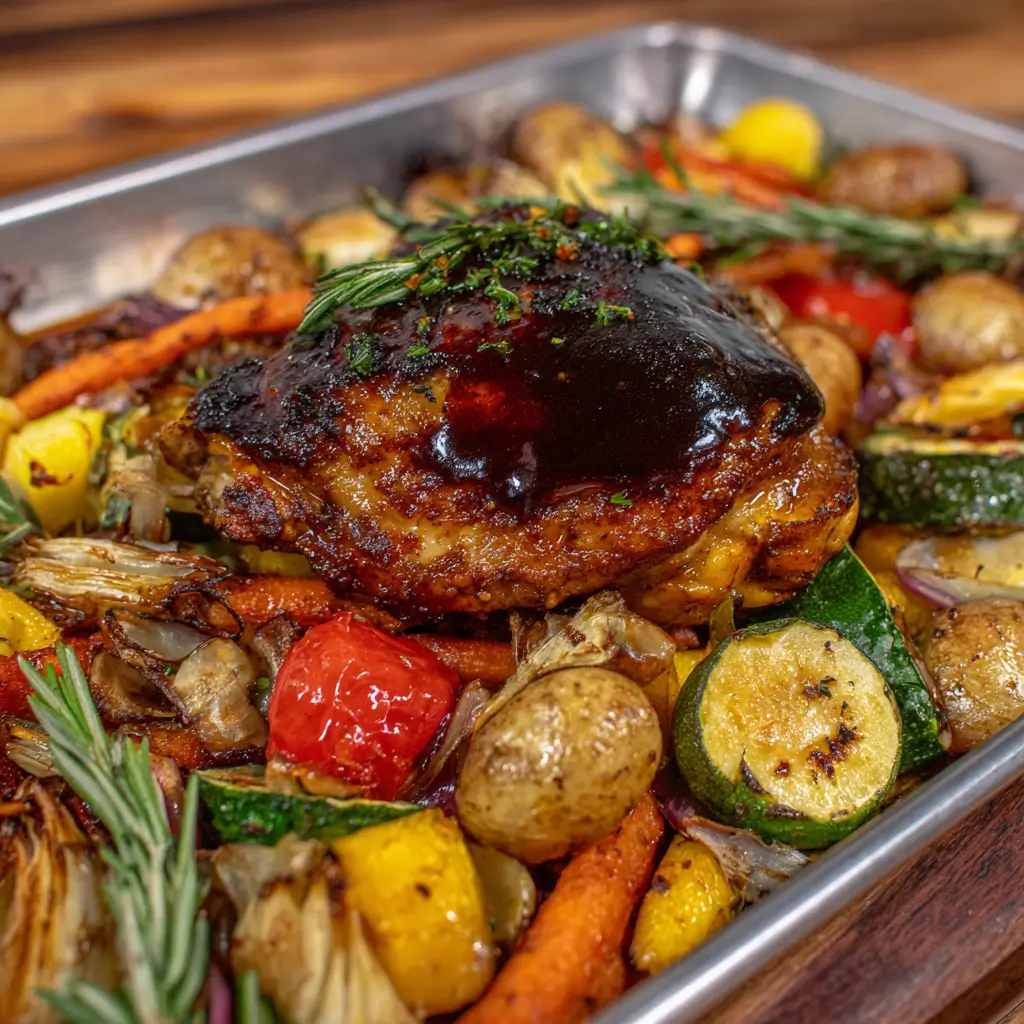
Balsamic Glazed Chicken with Roasted Vegetables is a wholesome, flavorful, and visually stunning dish that effortlessly combines the rich umami of caramelized balsamic reduction with tender roasted chicken and an array of vibrant, nutrient-packed vegetables. Perfect for a weeknight dinner or a special weekend meal, this recipe brings together bold Mediterranean flavors in a balanced, healthy format that satisfies both gourmet palates and home cooks alike. The deep sweetness of balsamic vinegar, balanced by its natural acidity, creates a luxurious glaze that elevates simple ingredients into something truly extraordinary. Whether you’re cooking for one or feeding a family, this one-pan wonder offers ease of preparation, minimal cleanup, and maximum taste.
The History
The roots of Balsamic Glazed Chicken with Roasted Vegetables can be traced back to traditional Italian culinary practices, where the use of high-quality balsamic vinegar—particularly from Modena—has long been celebrated for enhancing savory dishes. Authentic aceto balsamico tradizionale dates back to the 11th century, originally reserved for nobility and crafted through years of barrel aging. Over time, as balsamic vinegar became more accessible globally, chefs and home cooks began experimenting with it beyond salad dressings, discovering its incredible ability to caramelize and form glossy glazes when reduced. Roasting vegetables, a staple in European cuisine since ancient times, was combined with protein-centric mains like chicken to create hearty, seasonal meals. The modern version of this dish emerged in the late 20th century as part of the farm-to-table and Mediterranean diet movements, emphasizing fresh produce, lean proteins, and heart-healthy fats. Today, it stands as a testament to how classic ingredients can be reimagined into nutritious, contemporary comfort food.
Ingredients Breakdown
The magic of this dish lies in its thoughtfully selected components, each contributing distinct textures, aromas, and nutritional benefits.
- Chicken breasts or thighs: Boneless, skin-on chicken thighs offer richer flavor and stay juicier during roasting, while breasts provide a leaner option.
- Balsamic vinegar: Aged balsamic adds depth; opt for a good quality variety without added sugars or thickeners.
- Olive oil: Extra virgin olive oil contributes heart-healthy monounsaturated fats and helps crisp the chicken skin.
- Fresh garlic: Minced garlic infuses the glaze with pungency and aroma, mellowing beautifully when roasted.
- Honey or maple syrup: Natural sweeteners balance the tartness of the vinegar and aid in caramelization.
- Dijon mustard: Adds complexity and emulsifies the glaze, enhancing adhesion to the chicken.
- Fresh herbs: Rosemary, thyme, or oregano bring earthy notes and fragrance.
- Vegetables: A colorful medley including bell peppers (red, yellow, orange), zucchini, red onion, cherry tomatoes, and baby carrots provides antioxidants, fiber, and visual appeal.
- Salt and pepper: Essential seasonings that enhance all other flavors.
- Optional additions: Crumbled goat cheese, toasted pine nuts, or fresh basil for garnish elevate the final presentation.
Step-by-Step Recipe
- Preheat your oven to 400°F (200°C). Line a large rimmed baking sheet with parchment paper or lightly grease it with olive oil to prevent sticking.
- Prepare the chicken: Pat the chicken dry with paper towels to ensure proper browning. Season both sides generously with salt, pepper, and a sprinkle of dried herbs if desired.
- Make the balsamic glaze: In a small saucepan over medium heat, combine ½ cup balsamic vinegar, 2 tablespoons honey (or maple syrup), 1 tablespoon Dijon mustard, 2 minced garlic cloves, and 1 tablespoon olive oil. Bring to a gentle simmer, stirring frequently, and reduce until thickened and syrupy—about 8–10 minutes. Remove from heat and set aside.
- Chop the vegetables: Cut bell peppers into 1-inch strips, slice zucchini into half-moons, halve red onions, and leave cherry tomatoes whole. Toss them in a large bowl with 2 tablespoons olive oil, salt, pepper, and a few sprigs of fresh thyme or rosemary.
- Arrange on baking sheet: Spread the vegetables evenly across one side of the prepared baking sheet. Place the seasoned chicken pieces on the other side, leaving space between each for even cooking.
- Roast initially: Bake uncovered for 20 minutes to allow the chicken and vegetables to begin caramelizing and cooking through.
- Glaze the chicken: After 20 minutes, carefully remove the tray from the oven. Brush the top and sides of each chicken piece generously with the reduced balsamic glaze. Return to the oven.
- Continue roasting: Cook for another 15–20 minutes, or until the chicken reaches an internal temperature of 165°F (74°C) and the glaze forms a sticky, glossy coating. The vegetables should be tender-crisp with charred edges.
- Broil (optional): For extra caramelization, switch the oven to broil for the last 2–3 minutes, watching closely to avoid burning.
- Rest and serve: Let the chicken rest for 5 minutes before serving. Drizzle additional warm glaze over the entire dish, garnish with fresh herbs, and serve immediately.
Tips
- Use a meat thermometer: Ensures perfectly cooked chicken every time without drying it out.
- Don’t overcrowd the pan: Proper spacing allows vegetables to roast instead of steam, resulting in better texture and flavor.
- Reduce the glaze ahead of time: You can make the balsamic reduction up to 3 days in advance and store it in the fridge. Reheat gently before using.
- Marinate for deeper flavor: Marinate the chicken in half the glaze mixture (before boiling) for 1–4 hours in the refrigerator for intensified taste.
- Rotate the pan halfway: If your oven has hot spots, rotate the baking sheet midway through cooking for even browning.
- Add lemon zest: A touch of lemon zest in the glaze brightens the overall flavor profile.
- Let chicken come to room temperature: Take it out of the fridge 20–30 minutes before cooking for more even roasting.
Variations and Customizations
This versatile recipe welcomes creativity and dietary preferences. Consider these delicious adaptations:
- Keto-friendly version: Replace honey with sugar-free maple-flavored syrup or erythritol-based sweetener.
- Vegan twist: Substitute chicken with firm tofu, tempeh, or portobello mushrooms; marinate and roast similarly.
- Spicy kick: Add red pepper flakes to the glaze or toss vegetables with chili oil.
- Citrus variation: Mix in orange or blood orange juice into the glaze for a fruity tang.
- Different veggies: Swap in broccoli, sweet potatoes, asparagus, or fennel depending on seasonality.
- Herb swaps: Try tarragon, sage, or marjoram for unique herbal accents.
- Cheese lovers: Top with crumbled feta, shaved Parmesan, or melted mozzarella under the broiler at the end.
- Grain bowls: Serve over quinoa, farro, couscous, or cauliflower rice for a complete grain bowl experience.
Health Considerations and Nutritional Value
Balsamic Glazed Chicken with Roasted Vegetables aligns well with numerous healthy eating patterns, including the Mediterranean diet, which is associated with reduced risks of heart disease, diabetes, and cognitive decline.
- Lean protein: Chicken breast is low in saturated fat and high in protein, supporting muscle maintenance and satiety.
- Antioxidant-rich balsamic vinegar: Contains polyphenols that may help reduce inflammation and improve circulation.
- Fiber and vitamins: The vegetable medley delivers essential nutrients—vitamin C from bell peppers, beta-carotene from carrots, lycopene from tomatoes, and potassium from zucchini.
- Heart-healthy fats: Olive oil provides monounsaturated fats that support cardiovascular health.
- Low glycemic impact: When made with minimal sweetener, this dish has a moderate effect on blood sugar levels.
- Calorie-conscious: One serving typically ranges from 350–450 calories, depending on portion size and ingredients used.
- Gluten-free: Naturally gluten-free, making it suitable for those with celiac disease or gluten sensitivity (ensure all products are certified).
- Sodium note: Control sodium by using low-sodium seasoning and avoiding pre-made glazes with excess salt.
Ingredients
- 4 boneless, skin-on chicken thighs (or 2 large chicken breasts)
- ½ cup high-quality balsamic vinegar
- 2 tablespoons raw honey or pure maple syrup
- 1 tablespoon Dijon mustard
- 2 cloves garlic, minced
- 3 tablespoons extra virgin olive oil, divided
- 1 red bell pepper, sliced
- 1 yellow bell pepper, sliced
- 1 medium zucchini, sliced into half-moons
- 1 red onion, cut into wedges
- 1 cup cherry tomatoes, halved
- 1 cup baby carrots, halved lengthwise
- 1 teaspoon dried thyme (or 4 sprigs fresh)
- 1 teaspoon dried rosemary (or 2 sprigs fresh)
- Salt and freshly ground black pepper, to taste
- Fresh basil or parsley, chopped (for garnish)
- Optional: crumbled goat cheese or toasted pine nuts
Directions
- Preheat oven to 400°F (200°C). Prepare a large baking sheet with parchment paper or a light coat of olive oil.
- In a small saucepan, combine balsamic vinegar, honey, Dijon mustard, minced garlic, and 1 tablespoon olive oil. Simmer over medium heat for 8–10 minutes until reduced by nearly half and coats the back of a spoon. Set aside to cool slightly.
- Season chicken pieces with salt, pepper, and a pinch of thyme and rosemary.
- In a large bowl, toss all chopped vegetables with 2 tablespoons olive oil, salt, pepper, and herbs until evenly coated.
- Spread vegetables in an even layer on one side of the baking sheet. Place chicken on the other side, skin-side up.
- Roast for 20 minutes, then remove from oven. Brush chicken liberally with the balsamic glaze.
- Return to oven and roast for another 15–20 minutes, until chicken is fully cooked (internal temp 165°F) and vegetables are tender and lightly charred.
- For a deeper glaze, broil for 2–3 minutes, watching closely.
- Let chicken rest for 5 minutes. Drizzle with remaining warm glaze and garnish with fresh herbs and optional toppings.
- Serve hot, optionally with grains or a side salad.
FAQ
Can I use frozen vegetables?
No, frozen vegetables release too much water and won’t roast properly. Always use fresh or thawed and thoroughly dried vegetables.
How do I store leftovers?
Store in an airtight container in the refrigerator for up to 4 days. Reheat in the oven or microwave.
Can I make this ahead of time?
Yes! Chop vegetables and make the glaze up to a day in advance. Assemble and roast just before serving.
Is balsamic vinegar bad for you?
No—high-quality balsamic vinegar is safe and beneficial in moderation. Avoid cheap versions with added caramel color and preservatives.
Why did my glaze turn out too thin?
It likely didn’t reduce enough. Continue simmering until it leaves a trail when you run a spoon through it.
Can I grill instead of roast?
Absolutely! Grill the chicken over medium heat, brushing with glaze in the last few minutes. Roast vegetables separately or on a grill basket.
What sides go well with this dish?
Quinoa, wild rice, mashed sweet potatoes, arugula salad with lemon vinaigrette, or crusty whole-grain bread.
Summary
Balsamic Glazed Chicken with Roasted Vegetables is a nutritious, elegant, and easy-to-make meal that brings bold Mediterranean flavors to your table. With juicy chicken, a rich sweet-tart glaze, and caramelized seasonal vegetables, it’s a one-pan favorite that’s as healthy as it is delicious.