Garlic Butter Shrimp & Grits: A Southern Classic with a Luxurious Twist
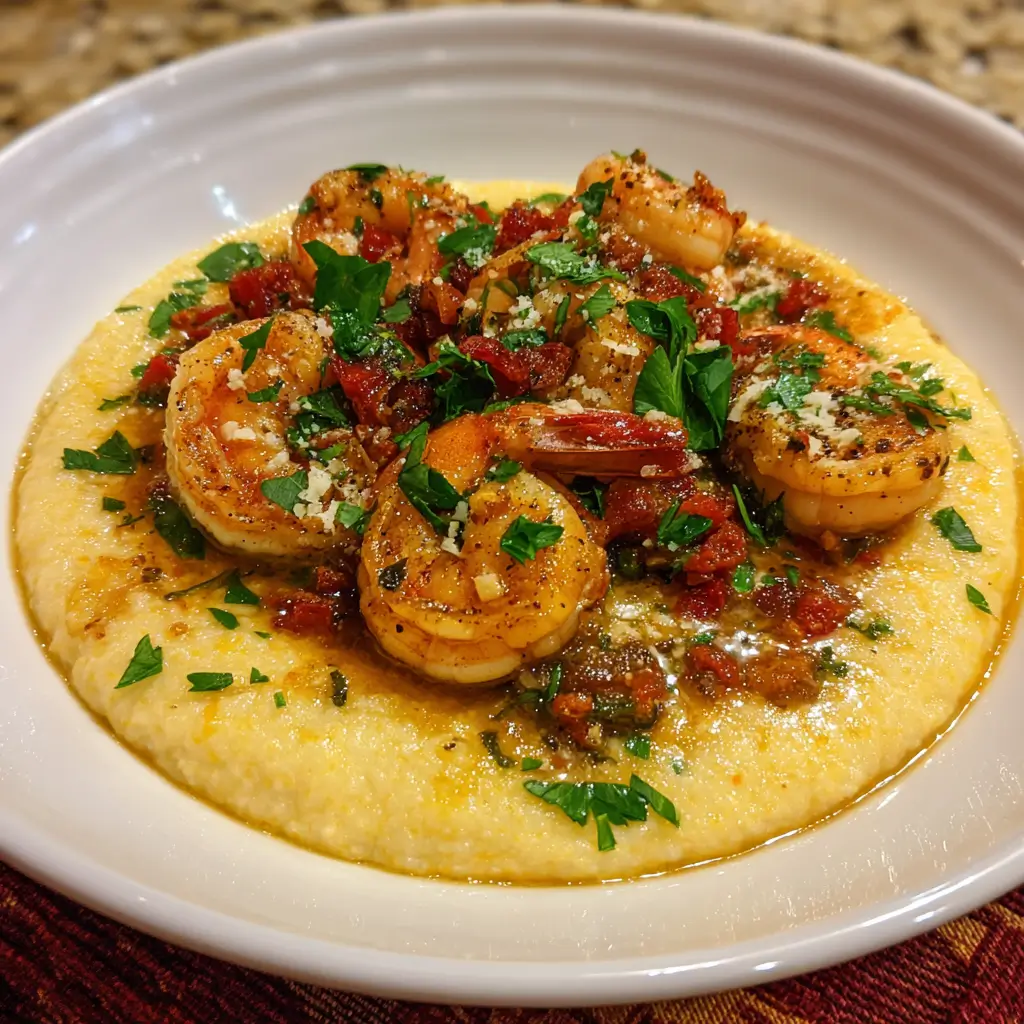
Garlic Butter Shrimp & Grits is more than just a dish—it’s a celebration of Southern comfort food elevated to gourmet status. With its creamy, buttery grits and succulent shrimp bathed in a rich garlic-butter sauce, this recipe brings together humble ingredients into something truly extraordinary. Whether you’re preparing a cozy weeknight dinner or impressing guests at a weekend brunch, this dish delivers bold flavors, elegant textures, and soul-satisfying warmth. In this comprehensive guide, we’ll explore the origins of Shrimp & Grits, break down each component, walk through step-by-step preparation, offer expert tips, and dive into health considerations—all so you can master this iconic meal with confidence.
The History of Shrimp & Grits
Shrimp & Grits traces its roots back to the Lowcountry regions of South Carolina and Georgia, particularly among the Gullah people—an African American community whose ancestors were enslaved Africans brought to work on coastal rice plantations. Originally known as “breakfast for fishermen,” this simple meal combined readily available local ingredients: fresh shrimp from the Atlantic coast and stone-ground cornmeal used to make grits. The dish was traditionally seasoned with little more than salt, pepper, and perhaps some bacon drippings or wild onions.
Over time, Shrimp & Grits evolved from a rustic breakfast staple into a celebrated centerpiece of Southern fine dining. In the 1980s and 1990s, chefs in Charleston began reinventing the dish by adding cream, cheese, herbs, and wine sauces—transforming it into a luxurious entrée served in upscale restaurants across the U.S. Today, Garlic Butter Shrimp & Grits represents a modern interpretation that honors tradition while embracing richer, bolder flavors like roasted garlic, lemon zest, fresh parsley, and high-quality butter. It stands as a testament to how regional cuisine can transcend its origins and become a national favorite.
Ingredients Breakdown: What Makes This Dish Shine
The magic of Garlic Butter Shrimp & Grits lies in the harmony between its two main components: creamy, cheesy grits and tender shrimp in an aromatic garlic-butter pan sauce. Let’s take a closer look at each ingredient and why it matters:
- Shrimp: Large (26–30 count) peeled and deveined shrimp are ideal—they’re substantial enough to stand out but cook quickly without becoming rubbery. Look for wild-caught Gulf or Atlantic shrimp for superior flavor and sustainability.
- Butter: Unsalted butter gives you full control over seasoning. High-fat European-style butter adds extra richness to both the grits and the sauce.
- Garlic: Freshly minced garlic is non-negotiable. Its pungent aroma mellows beautifully when sautéed in butter, creating a deep umami foundation for the sauce.
- Grits: Stone-ground white or yellow corn grits provide the best texture—coarser than instant varieties, they yield a creamier, more flavorful base. Avoid quick-cooking grits if possible, as they often lack depth.
- Milk and Heavy Cream: These liquids create a luscious consistency in the grits. Whole milk works well, but substituting part heavy cream enhances silkiness.
- Cheese: Sharp cheddar or aged Parmesan adds tang and depth. Some versions use a blend of cheeses for complexity.
- Broth: Chicken or seafood stock infuses additional savory notes into the grits. Using homemade stock elevates the entire dish.
- Lemon Juice and Zest: Bright acidity cuts through the richness and lifts the shrimp’s natural sweetness.
- Herbs: Fresh parsley provides color and freshness; optional additions include chives, thyme, or green onions.
- Red Pepper Flakes: Just a pinch introduces subtle heat that complements the garlic without overwhelming the palate.
- Olive Oil: Used alongside butter to prevent burning during high-heat shrimp searing.
- Salt and Black Pepper: Essential for balancing flavors throughout.
Step-by-Step Recipe: How to Make Perfect Garlic Butter Shrimp & Grits
Follow this detailed method to achieve restaurant-quality results in your own kitchen. Plan for about 45 minutes total prep and cooking time.
Ingredients
For the Creamy Cheese Grits:
- 2 cups water
- 2 cups whole milk (or substitute half with heavy cream)
- 1 cup stone-ground grits (not instant)
- 1 teaspoon kosher salt
- ½ teaspoon freshly ground black pepper
- 2 tablespoons unsalted butter
- 1 cup shredded sharp cheddar cheese (or grated Parmesan)
- ¼ cup crème fraîche or sour cream (optional, for extra creaminess)
- ½ teaspoon smoked paprika (optional, for depth)
For the Garlic Butter Shrimp:
- 1½ pounds large shrimp (26–30 per pound), peeled and deveined
- 3 tablespoons unsalted butter
- 2 tablespoons olive oil
- 6 cloves garlic, finely minced
- ½ teaspoon red pepper flakes (adjust to taste)
- Zest and juice of 1 lemon
- ¼ cup dry white wine (such as Sauvignon Blanc or Pinot Grigio)
- 2 tablespoons chopped fresh parsley
- Salt and freshly ground black pepper, to taste
- Optional: 2 slices bacon, chopped (for smoky depth)
Directions
- Start the Grits: In a medium saucepan, combine water, milk, salt, and pepper. Bring to a gentle boil over medium-high heat. Slowly whisk in the grits to prevent clumping. Reduce heat to low, cover, and simmer for 25–35 minutes, stirring every 5–7 minutes to avoid sticking. Grits should be thick, creamy, and tender. If needed, add warm milk or broth to adjust consistency.
- Enrich the Grits: Once cooked, stir in butter, shredded cheese, crème fraîche (if using), and smoked paprika. Taste and adjust seasoning. Keep warm on very low heat, stirring occasionally.
- Prepare the Shrimp: While grits cook, pat shrimp dry with paper towels and season lightly with salt and pepper. Set aside.
- Cook Bacon (Optional): If using bacon, cook in a large skillet over medium heat until crisp. Remove with a slotted spoon and set aside, leaving drippings in the pan.
- Sear the Shrimp: Add olive oil and 1 tablespoon butter to the skillet (use bacon fat if available). Heat over medium-high until shimmering. Add shrimp in a single layer and sear for 1–2 minutes per side, until pink and just opaque. Do not overcrowd—work in batches if necessary. Transfer cooked shrimp to a plate and set aside.
- Build the Garlic Butter Sauce: In the same pan, reduce heat to medium. Add remaining 2 tablespoons butter, garlic, and red pepper flakes. Sauté for 1 minute until fragrant but not browned. Pour in white wine to deglaze, scraping up any browned bits. Simmer 2–3 minutes until slightly reduced.
- Finish the Sauce: Return shrimp to the pan along with any accumulated juices. Toss to coat in the sauce. Stir in lemon juice, zest, and half the parsley. Cook 1 more minute to reheat shrimp. Adjust salt and pepper to taste.
- Assemble and Serve: Spoon warm cheesy grits into shallow bowls. Top generously with garlic butter shrimp. Drizzle with extra sauce from the pan. Garnish with remaining parsley and reserved bacon (if using). Serve immediately with lemon wedges on the side.
Pro Tips for Success
- Don’t Rush the Grits: Slow-cooked stone-ground grits develop a nutty, robust flavor. Instant grits may save time but compromise texture and taste.
- Stir Frequently: Prevent lumps and scorching by stirring the grits regularly. A long-handled wooden spoon works best.
- Season in Layers: Season each component—grits, shrimp, sauce—individually so the final dish has balanced flavor.
- Avoid Overcooked Shrimp: Shrimp cook fast! Remove them from heat as soon as they turn opaque; residual heat will continue cooking them.
- Use Fresh Garlic: Pre-minced jarred garlic lacks brightness and can have a metallic aftertaste.
- Deglaze Properly: After searing shrimp, deglazing with wine or broth captures delicious fond (browned bits), enriching the sauce.
- Rest Before Serving: Let the finished shrimp sit off heat for 2–3 minutes before plating—this allows flavors to meld.
- Keep Grits Warm: If serving later, transfer grits to a slow cooker on “warm” setting to maintain creaminess without scorching.
Variations and Customizations
One of the joys of Garlic Butter Shrimp & Grits is its adaptability. Here are several creative twists to personalize the dish:
- Cajun-Style: Add Cajun seasoning to the shrimp before searing and include diced bell peppers and onions in the sauce for a New Orleans flair.
- Coconut Curry Grits: Replace milk with coconut milk and stir curry powder into the grits for a tropical twist. Pair with lime instead of lemon.
- Seafood Medley: Mix in scallops, crab meat, or mussels with the shrimp for a surf-and-turf effect.
- Truffle Upgrade: Drizzle truffle oil over the plated dish or stir truffle zest into the grits for a decadent touch.
- Dairy-Free Version: Use vegan butter, nutritional yeast instead of cheese, and almond or oat milk for creamy grits suitable for lactose-intolerant diners.
- Spicy Arrabbiata Style: Increase red pepper flakes and add cherry tomatoes that burst in the sauce for an Italian-inspired kick.
- Breakfast-for-Dinner Twist: Top with a poached or soft-boiled egg and serve with crusty bread for a hearty brunch version.
- Smoky Chipotle: Blend chipotle in adobo sauce into the butter mixture for a smoky, spicy depth.
- Herbed Grits: Fold chopped rosemary, thyme, or basil into the cooked grits for floral notes.
- Gluten-Free Friendly: Naturally gluten-free, this dish is safe for those with celiac disease—just ensure all broth and seasonings are certified GF.
Health Considerations and Nutritional Value
While Garlic Butter Shrimp & Grits is undeniably indulgent, it can be adapted to suit various dietary needs and preferences. Let’s examine the nutritional profile and ways to lighten the dish without sacrificing flavor.
Nutritional Highlights (per serving, approximately 1 bowl):
- Calories: ~650–750 kcal (varies based on cream, cheese, and butter amounts)
- Protein: ~35–40g (excellent source from shrimp)
- Fat: ~30–40g (mostly from butter and cheese; includes healthy fats from olive oil)
- Carbohydrates: ~50–60g (primarily from corn grits)
- Fiber: ~3–5g (moderate, depending on grits type)
- Sodium: ~800–1200mg (can be reduced with low-sodium broth and less added salt)
- Vitamins & Minerals: Rich in selenium, vitamin B12, phosphorus (from shrimp), calcium (from dairy), and antioxidants from garlic and lemon.
Healthier Modifications:
- Lighter Grits: Use skim or 2% milk instead of whole milk and omit heavy cream. Substitute Greek yogurt for crème fraîche.
- Less Butter: Reduce butter in both grits and sauce by half and replace with chicken or vegetable broth.
- Lower-Fat Cheese: Opt for reduced-fat cheddar or limit cheese to ½ cup.
- More Veggies: Serve over sautéed spinach, kale, or zucchini ribbons to increase fiber and nutrients.
- Portion Control: Serve smaller portions with a side salad or roasted vegetables to balance the meal.
- Heart-Healthy Swaps: Use avocado oil instead of butter where possible and choose wild-caught shrimp known for lower mercury levels.
Shrimp are naturally low in calories and high in protein, making them a heart-healthy choice when prepared without excessive saturated fat. Garlic has been linked to anti-inflammatory and cardiovascular benefits, while corn provides energy-sustaining complex carbohydrates. With mindful adjustments, this dish can fit into a balanced diet—even for those managing cholesterol, blood pressure, or weight goals.
Frequently Asked Questions (FAQ)
Can I make the grits ahead of time?
Yes! Cook the grits up to one day in advance and store them in an airtight container in the refrigerator. Reheat gently on the stove with a splash of milk or broth, stirring frequently to restore creaminess.
Can I use frozen shrimp?
Absolutely. Thaw frozen shrimp overnight in the fridge or under cold running water. Pat them thoroughly dry before cooking to ensure proper searing.
What kind of wine should I use?
Choose a dry white wine you’d enjoy drinking—Sauvignon Blanc, Pinot Grigio, or Chardonnay work well. Avoid “cooking wine,” which contains added salt and preservatives.
Are grits the same as polenta?
They’re similar but not identical. Grits are typically made from hominy (alkali-treated corn), while polenta uses yellow cornmeal. Polenta has a coarser grind and firmer texture. You can substitute, but expect slight differences in mouthfeel.
How do I prevent grainy grits?
Slow cooking and constant stirring are key. Whisk continuously when adding grits to liquid, then stir every few minutes during simmering. Adding butter and cheese also helps smooth the texture.
Can I make this dairy-free?
Yes. Use plant-based butter, unsweetened almond or oat milk, and nutritional yeast or vegan cheese alternatives. Coconut milk adds richness and pairs well with shrimp.
Is this dish spicy?
Only if you want it to be. The default level is mild with a hint of heat from red pepper flakes. Omit them entirely for a family-friendly version, or double for extra fire.
Can I freeze leftovers?
Grits don’t freeze well due to their high starch content—they can become gummy upon reheating. However, the shrimp sauce freezes nicely. Store separately and reheat shrimp in a skillet, serving over freshly made grits.
What sides go well with Shrimp & Grits?
Great pairings include steamed asparagus, sautéed green beans, arugula salad with citrus vinaigrette, or crusty sourdough bread for soaking up sauce.
Can I use pre-cooked shrimp?
It’s not recommended. Pre-cooked shrimp tend to overcook and turn rubbery when reheated in the sauce. Fresh raw shrimp give the best texture and absorb flavors more effectively.
Summary
Garlic Butter Shrimp & Grits is a luxurious yet approachable dish that blends Southern heritage with modern culinary flair. Creamy, cheesy grits form a comforting base for plump shrimp enveloped in a fragrant garlic-butter-lemon sauce.
Elegant enough for entertaining and satisfying enough for a weeknight treat, this recipe celebrates fresh ingredients, bold flavors, and the timeless appeal of comfort food done right.