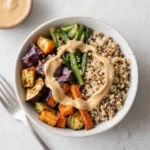
Vegan Cauliflower Tikka Masala: A Flavorful, Dairy-Free Delight
The History of Tikka Masala and Its Vegan Evolution
Tikka Masala, one of the most beloved curries in the world, has a storied and somewhat debated history. While its exact origins are shrouded in culinary mystery—some claim it was invented in Glasgow by a Bangladeshi chef looking to satisfy British palates with a creamy, mildly spiced curry—the dish has become a global phenomenon. Traditionally, Chicken Tikka Masala features marinated chicken grilled in a tandoor oven and then simmered in a rich, spiced tomato-cream sauce. Over time, as plant-based diets gained popularity, chefs and home cooks began reimagining classic meat-based dishes with vegan alternatives.
Vegan Cauliflower Tikka Masala emerged as a brilliant adaptation, using cauliflower florets as the star protein substitute. Not only does cauliflower absorb flavors beautifully, but its texture holds up well during roasting and simmering, mimicking the bite of chicken tikka. This version maintains all the aromatic depth and luxurious creaminess of the original while being entirely dairy-free and cruelty-free. Today, it’s celebrated not just among vegans but also by flexitarians and health-conscious eaters who appreciate its vibrant colors, bold spices, and satisfying warmth.
Ingredients Breakdown: What Makes This Dish Shine
The magic of Vegan Cauliflower Tikka Masala lies in its layered flavor profile, achieved through a careful selection of fresh produce, fragrant spices, and plant-based ingredients that replicate traditional textures without animal products. Here’s a detailed look at each component:
- Cauliflower: The centerpiece of this dish, chosen for its ability to soak up marinades and withstand high heat. When roasted, it develops a slightly caramelized exterior while staying tender inside.
- Plant-Based Yogurt (e.g., coconut or almond yogurt): Used in the marinade to tenderize the cauliflower and carry the spices deep into the flesh. It adds a tangy note similar to traditional dairy yogurt.
- Lemon Juice: Adds brightness and helps break down the cauliflower’s surface for better spice penetration.
- Garlic & Ginger: Freshly minced or grated for maximum pungency and warmth. These aromatics form the backbone of Indian cooking.
- Spices (Turmeric, Cumin, Coriander, Garam Masala, Smoked Paprika): Each plays a vital role: turmeric offers earthiness and color; cumin brings smokiness; coriander adds citrusy sweetness; garam masala provides warmth and complexity; smoked paprika gives a subtle barbecue-like depth.
- Tomato Base (Crushed Tomatoes or Tomato Puree): Forms the foundation of the masala sauce, delivering acidity and body. Opt for fire-roasted tomatoes for extra depth.
- Onion & Bell Pepper: Sautéed until soft to build sweetness and texture in the sauce.
- Coconut Milk (Full-Fat): The secret to the creamy, luscious texture. Its natural fat content mimics heavy cream, balancing the heat and acidity.
- Fresh Cilantro: Used both in the marinade and as garnish for a burst of freshness.
- Olive Oil or Coconut Oil: For roasting and sautéing, depending on your preferred smoke point and flavor.
- Optional Add-ins: Cashew cream (soaked cashews blended with water) for extra richness, nutritional yeast for umami, or a pinch of kasuri methi (dried fenugreek leaves) for authentic restaurant-style aroma.
Step-by-Step Recipe: Crafting the Perfect Vegan Cauliflower Tikka Masala
- Prepare the Cauliflower: Cut one large head of cauliflower into evenly sized florets (about 1.5 inches). Rinse and pat dry thoroughly to ensure the marinade sticks properly.
- Make the Marinade: In a large bowl, whisk together ½ cup unsweetened plant-based yogurt, juice of one lemon, 2 tablespoons olive oil, 1 tablespoon grated ginger, 4 cloves minced garlic, 1 teaspoon ground turmeric, 1 teaspoon cumin, 1 teaspoon coriander, 1 teaspoon smoked paprika, 1 teaspoon garam masala, ½ teaspoon salt, and a handful of chopped cilantro. Mix well until smooth.
- Marinate the Cauliflower: Add the florets to the marinade, tossing gently to coat every piece. Cover and refrigerate for at least 1 hour (ideally 2–4 hours) to allow flavors to penetrate.
- Roast the Cauliflower: Preheat oven to 425°F (220°C). Line a baking sheet with parchment paper. Arrange marinated cauliflower in a single layer. Roast for 25–30 minutes, flipping halfway, until golden brown and slightly crispy on the edges. Remove and set aside.
- Build the Masala Sauce: Heat 2 tablespoons coconut oil in a large skillet or Dutch oven over medium heat. Add 1 diced onion and cook until translucent (5–6 minutes). Stir in 1 diced red bell pepper and sauté for another 5 minutes until softened.
- Bloom the Spices: Add 1 tablespoon minced garlic, 1 tablespoon grated ginger, 1 teaspoon turmeric, 1 teaspoon cumin, 1 teaspoon coriander, 1 teaspoon garam masala, and ½ teaspoon smoked paprika. Cook for 1–2 minutes, stirring constantly to release essential oils and deepen flavors.
- Add Tomatoes: Pour in 1 can (14 oz) crushed fire-roasted tomatoes. Simmer for 8–10 minutes, stirring occasionally, until the sauce thickens and darkens slightly.
- Incorporate Coconut Milk: Stir in 1 can (13.5 oz) full-fat coconut milk. Bring to a gentle simmer and let it cook for 10 minutes to meld the flavors. For a richer sauce, blend half the mixture with an immersion blender or transfer part of it to a countertop blender and puree before returning to the pot.
- Combine with Cauliflower: Gently fold in the roasted cauliflower florets. Simmer for another 8–10 minutes so the cauliflower absorbs the sauce. Avoid over-stirring to prevent breaking the florets.
- Final Touches: Taste and adjust seasoning—add more salt, lemon juice, or a touch of maple syrup if too acidic. Sprinkle in 1 tablespoon dried fenugreek leaves (kasuri methi), crumbled between fingers, for authentic aroma. Garnish with fresh cilantro.
Tips for Success
- Dry Your Cauliflower Well: Moisture is the enemy of browning. Patting the florets dry after washing ensures they roast instead of steam.
- Don’t Skip the Marination Time: Even 30 minutes helps, but longer marinating (up to overnight) results in deeper flavor infusion.
- Avoid Crowding the Pan: When roasting, leave space between florets so they crisp up rather than become soggy.
- Use Full-Fat Coconut Milk: Light versions lack the richness needed for a velvety sauce. Shake the can well before opening or stir thoroughly if using carton.
- Bloom Spices Properly: Cooking spices in oil for a minute unlocks their full potential and eliminates raw taste.
- Simmer, Don’t Boil: Keep the sauce at a gentle simmer after adding coconut milk to prevent separation.
- Blend for Creaminess: If you prefer a smoother sauce, blend part or all of the tomato base before adding the cauliflower.
- Rest Before Serving: Let the dish sit for 5–10 minutes off heat; this allows flavors to settle and intensify.
Variations and Customizations
Vegan Cauliflower Tikka Masala is incredibly versatile. Here are some creative ways to personalize it:
- Protein Swaps: Replace cauliflower with tofu cubes, chickpeas, jackfruit, or a mix of mushrooms (like cremini or oyster) for different textures.
- Vegetable Additions: Stir in spinach, peas, sweet potatoes, or eggplant during the final simmer for added nutrition and color.
- Spice Level: Increase heat with fresh green chilies, red chili flakes, or a dash of cayenne. For mildness, reduce or omit paprika and chili powder.
- Sauce Variations: Use cashew cream instead of coconut milk for a nuttier, less sweet profile. Alternatively, blend soaked almonds or sunflower seeds into the sauce.
- Smoky Flavor Boost: Add a tiny drop of liquid smoke or char a few pieces of cauliflower under the broiler for a true tandoori effect.
- Gluten-Free Option: Naturally gluten-free—just ensure all packaged ingredients (like plant yogurt) are certified GF if needed.
- Oil-Free Version: Roast cauliflower using aquafaba or vegetable broth, and sauté onions in water or vegetable stock.
- Instant Pot Method: Skip roasting. Sauté spices and veggies in the Instant Pot, add tomatoes, coconut milk, and marinated cauliflower. Pressure cook for 7 minutes, quick release, then finish with cilantro.
Health Considerations and Nutritional Value
Vegan Cauliflower Tikka Masala isn’t just delicious—it’s packed with nutrients that support overall wellness. Here’s what makes it a wholesome choice:
- Cauliflower: Low in calories but high in fiber, vitamin C, vitamin K, and antioxidants like glucosinolates, which may help reduce inflammation and support detoxification.
- Coconut Milk: Contains medium-chain triglycerides (MCTs) that provide quick energy and may support heart health in moderation. However, it’s calorie-dense, so portion control is key.
- Spices: Turmeric contains curcumin, a powerful anti-inflammatory compound. Cumin aids digestion, while garlic and ginger offer immune-boosting properties.
- Tomatoes: Rich in lycopene, a potent antioxidant linked to reduced risk of certain cancers and heart disease. Cooking enhances lycopene absorption.
- Low Cholesterol & No Animal Fat: Being entirely plant-based, this dish contains zero cholesterol and significantly less saturated fat than traditional versions.
- Dietary Fiber: High fiber content from vegetables and legumes (if added) promotes gut health and satiety.
- Allergen Notes: Can be made nut-free by avoiding cashews and choosing soy or oat-based yogurt. Always check labels for cross-contamination if serving someone with allergies.
Nutritional Estimate (per serving, serves 4):
Calories: ~320 | Fat: 24g (mostly healthy fats) | Carbohydrates: 22g | Fiber: 6g | Protein: 8g | Sugar: 9g (naturally occurring) | Sodium: ~600mg (adjustable)
Full Ingredient List
- 1 large head cauliflower, cut into florets
- ½ cup unsweetened plant-based yogurt (coconut or almond recommended)
- Juice of 1 lemon
- 2 tbsp olive oil or melted coconut oil
- 2 tbsp freshly grated ginger
- 4 cloves garlic, minced
- 1 tsp ground turmeric
- 1 tsp ground cumin
- 1 tsp ground coriander
- 1 tsp smoked paprika
- 1 tsp garam masala (plus extra for garnish)
- ½ tsp sea salt (plus more to taste)
- ¼ cup fresh cilantro, chopped (plus more for garnish)
- 2 tbsp coconut oil or neutral oil
- 1 medium yellow onion, finely diced
- 1 red bell pepper, diced
- 1 can (14 oz) crushed fire-roasted tomatoes
- 1 can (13.5 oz) full-fat coconut milk
- 1 tbsp dried fenugreek leaves (kasuri methi), optional but recommended
- Maple syrup or agave (optional, to balance acidity)
Detailed Directions
- Marinate Cauliflower: In a large mixing bowl, combine plant-based yogurt, lemon juice, olive oil, ginger, garlic, turmeric, cumin, coriander, smoked paprika, garam masala, salt, and half the cilantro. Whisk into a smooth paste. Add cauliflower florets and toss until fully coated. Cover and refrigerate for 1–4 hours.
- Preheat Oven: Set oven to 425°F (220°C). Line a large baking tray with parchment paper or lightly grease it.
- Roast: Spread marinated cauliflower in a single layer. Roast for 25–30 minutes, flipping once halfway, until deeply golden and fork-tender. Remove and set aside.
- Sauté Aromatics: In a deep skillet or pot, heat coconut oil over medium heat. Add onions and cook for 5–6 minutes until soft and translucent. Add bell pepper and cook for 5 more minutes.
- Bloom Spices: Stir in garlic, ginger, turmeric, cumin, coriander, garam masala, and smoked paprika. Cook for 1–2 minutes, stirring constantly, until fragrant.
- Add Tomatoes: Pour in crushed tomatoes. Simmer uncovered for 8–10 minutes, allowing the sauce to thicken and deepen in color.
- Stir in Coconut Milk: Add coconut milk and stir well. Bring to a gentle simmer and cook for 10 minutes. Optionally, blend half the sauce for a silkier texture.
- Add Cauliflower: Gently fold in roasted cauliflower. Simmer gently for 8–10 minutes to infuse flavors. Do not overcook.
- Season & Finish: Crumble in kasuri methi. Taste and adjust salt, spice, or acidity. Add a teaspoon of maple syrup if the sauce is too tart. Sprinkle with fresh cilantro and extra garam masala.
- Serve Hot: Ladle over basmati rice, quinoa, or with warm naan bread. Pair with cucumber raita (made with vegan yogurt) or a simple salad.
Frequently Asked Questions (FAQ)
Can I make this ahead of time?
Yes! Prepare the sauce and roast the cauliflower separately, store in airtight containers in the fridge for up to 3 days. Reheat and combine when ready to serve. Flavors often improve the next day.
Can I freeze Vegan Cauliflower Tikka Masala?
Absolutely. Freeze in portioned containers for up to 3 months. Thaw overnight in the fridge and reheat gently on the stove. Stir well, as coconut milk may separate slightly.
Why did my sauce separate?
Coconut milk can split if boiled too vigorously. Always keep the sauce at a low simmer after adding it. Stirring in a teaspoon of cornstarch slurry (cornstarch + water) can help stabilize it.
What can I use instead of plant-based yogurt?
Try blending silken tofu with lemon juice or use a dairy-free sour cream alternative. For oil-free, use a mix of blended cashews and water.
Is this dish spicy?
Not inherently. The heat level depends on your spice choices. This recipe is mildly spiced. Add cayenne or fresh chilies for more kick.
Can I use frozen cauliflower?
Not recommended. Frozen cauliflower releases too much water and becomes mushy when cooked. Fresh yields the best texture.
How do I make it nut-free?
Use seed-based yogurt (like sunflower) and avoid cashew cream. Ensure all other ingredients are processed in nut-free facilities if allergies are a concern.
Summary
Vegan Cauliflower Tikka Masala is a vibrant, nourishing twist on a global favorite, combining perfectly roasted cauliflower with a luxuriously spiced tomato-coconut gravy. Packed with flavor, fiber, and plant-powered goodness, it’s a meal that delights both vegans and omnivores alike.