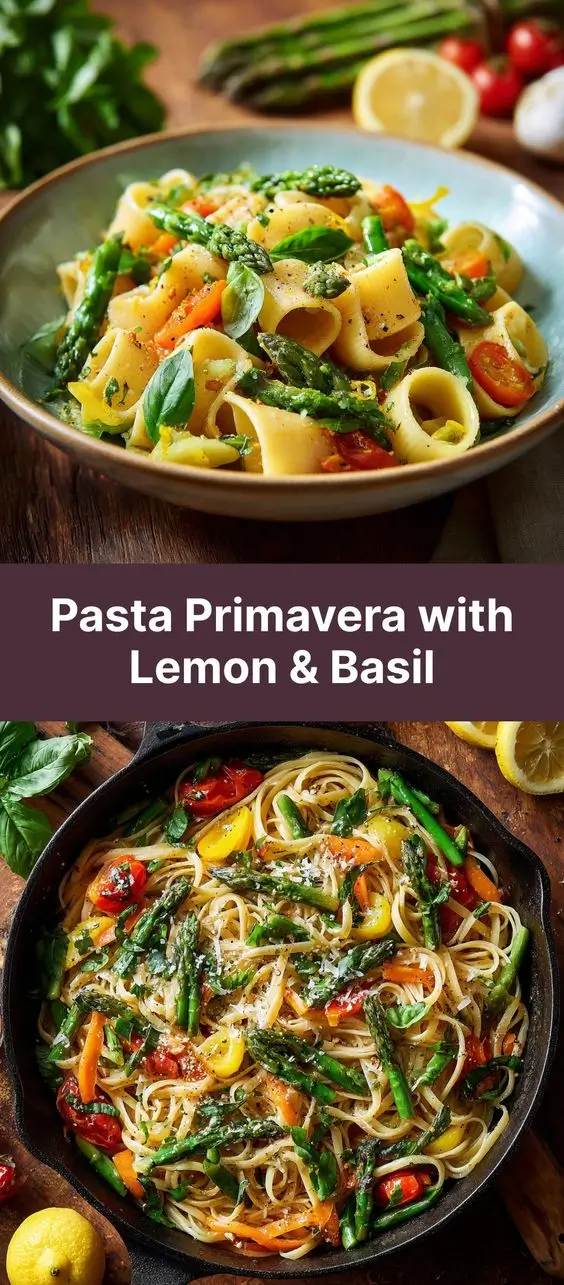
Pasta Primavera with Lemon & Basil
A vibrant, fresh, and zesty celebration of spring vegetables tossed in a silky lemon-basil sauce—Pasta Primavera with Lemon & Basil is more than just a dish. It’s an ode to seasonal produce, bright citrus notes, and the aromatic kiss of fresh herbs. This modern twist on the classic Italian-American favorite brings together crisp-tender vegetables, al dente pasta, and a creamy yet dairy-free sauce that dances on your palate with every bite.
The History of Pasta Primavera
The origins of Pasta Primavera are as colorful and debated as the dish itself. While it’s often attributed to Italian cuisine, its true roots trace back to New York City in the 1970s—a time when American chefs began reimagining traditional Italian dishes with local ingredients and bold creativity. The most popular origin story centers around Le Cirque, the legendary Manhattan restaurant, where co-owner Sirio Maccioni and his chef Jean Vergnes reportedly created the dish in 1977.
According to culinary lore, actress Diane Keaton requested a simple pasta dish with vegetables during a visit, prompting the kitchen to whip up something spontaneous. They sautéed seasonal vegetables with garlic, tossed them with cooked pasta, and finished it with cream, Parmesan, and herbs. The result was an instant sensation, quickly added to the menu as “Pasta Primavera”—”primavera” meaning “spring” in Italian.
Despite its American birth, the dish captured the spirit of Italian cooking: simplicity, freshness, and respect for ingredients. Over the decades, it evolved into countless variations, from creamy to oil-based, vegan to seafood-enriched. Our version—Pasta Primavera with Lemon & Basil—honors this legacy while embracing a lighter, brighter profile perfect for warm-weather dining or any occasion calling for a refreshing, wholesome meal.
Ingredients Breakdown: What Makes This Dish Shine
The magic of Pasta Primavera lies in its harmony of textures and flavors. Each ingredient plays a vital role in creating a balanced, satisfying dish. Here’s why each component matters:
- Pasta (Preferably Long & Thin): We recommend linguine, fettuccine, or spaghetti. These shapes hold sauces beautifully and provide a pleasing chew. For gluten-free options, brown rice or chickpea pasta work well.
- Spring Vegetables: Asparagus, cherry tomatoes, zucchini, yellow squash, bell peppers, carrots, and peas are staples. Their vibrant colors not only make the dish visually stunning but also contribute diverse nutrients and textures—crisp, tender, juicy, and sweet.
- Fresh Garlic & Shallot: These aromatics build the flavor foundation. Sautéed gently, they add depth without overpowering the delicate vegetables.
- Lemon: A dual-purpose powerhouse. Lemon zest adds intense citrus fragrance, while lemon juice brings acidity that cuts through richness and lifts all other flavors.
- Fresh Basil: More than just garnish, basil contributes a sweet, slightly peppery aroma that defines this dish. Torn leaves release essential oils that infuse the entire bowl.
- Olive Oil: High-quality extra virgin olive oil binds everything together, adding fruitiness and silkiness. It’s the base of our light sauce.
- Vegetable Broth (or Pasta Water): Used to deglaze the pan and create a glossy emulsion. Starchy pasta water helps the sauce cling to noodles.
- Nutritional Yeast or Parmesan (Optional): For umami and creaminess. Nutritional yeast offers a cheesy, nutty flavor ideal for vegans, while freshly grated Parmigiano-Reggiano elevates the dish for non-vegan palates.
- Salt & Pepper: Essential for seasoning layers. Always season in stages—while cooking veggies, after mixing, and at the end.
Step-by-Step Recipe: How to Make Perfect Pasta Primavera with Lemon & Basil
This recipe serves 4–6 and takes about 35 minutes from start to finish. Serve immediately for best texture.
Ingredients
- 12 oz (340g) dried pasta (linguine or fettuccine)
- 3 tbsp extra virgin olive oil (divided)
- 1 medium shallot, finely chopped
- 3 cloves garlic, minced
- 1 cup asparagus, trimmed and cut into 1-inch pieces
- 1 small zucchini, halved lengthwise and sliced
- 1/2 yellow squash, sliced
- 1 red bell pepper, thinly sliced
- 1 large carrot, julienned or thinly sliced
- 1 cup cherry tomatoes, halved
- 1/2 cup frozen peas, thawed
- Zest of 1 large lemon
- 3 tbsp fresh lemon juice (about 1 lemon)
- 1/2 cup low-sodium vegetable broth (or reserved pasta water)
- 1 tsp salt (plus more to taste)
- 1/2 tsp black pepper
- 1/2 cup fresh basil leaves, loosely packed and torn
- 1/4 cup nutritional yeast (or 1/2 cup grated Parmesan cheese)
- Optional: 1/4 tsp red pepper flakes for heat
- Optional garnish: microgreens, lemon slices, extra basil, pine nuts
Directions
- Boil the Pasta: Bring a large pot of salted water to a boil (use about 1 tablespoon salt per 4 quarts water). Add pasta and cook according to package instructions until al dente. Reserve 1 cup of pasta water before draining. Drain pasta and set aside.
- Prep the Vegetables: While the water heats, chop all vegetables uniformly so they cook evenly. Keep delicate items like cherry tomatoes and peas separate.
- Sauté Aromatics: In a large skillet or sauté pan, heat 2 tablespoons olive oil over medium heat. Add chopped shallot and sauté for 2–3 minutes until translucent. Add minced garlic and stir for 30 seconds until fragrant—do not let it brown.
- Cook Hearty Vegetables: Add asparagus, zucchini, yellow squash, bell pepper, and carrot. Season with 1/2 tsp salt and 1/4 tsp black pepper. Cook for 5–6 minutes, stirring occasionally, until vegetables are crisp-tender. If using red pepper flakes, add them now.
- Add Delicate Veggies: Stir in cherry tomatoes, peas, and lemon zest. Cook for another 2 minutes—just enough to warm through without making tomatoes mushy.
- Create the Sauce: Reduce heat to low. Add lemon juice, nutritional yeast (or Parmesan), and vegetable broth (or 1/2 cup reserved pasta water). Stir well to combine, allowing the mixture to simmer gently for 1–2 minutes until slightly thickened.
- Combine Pasta & Sauce: Add drained pasta to the skillet. Toss thoroughly using tongs to coat every strand. Add more pasta water if needed—one tablespoon at a time—to achieve a glossy, cohesive texture.
- Finish with Freshness: Remove from heat. Fold in torn basil leaves. Taste and adjust seasoning—add more salt, pepper, or lemon juice as desired.
- Serve Immediately: Divide among bowls. Drizzle with remaining 1 tablespoon olive oil for shine. Garnish with extra basil, lemon slices, microgreens, or a sprinkle of pine nuts for crunch.
Tips for Success
- Don’t Overcook the Veggies: Aim for crisp-tender texture. Overcooking leads to mushiness and dull color. If you prefer softer vegetables, blanch harder ones like carrots or asparagus briefly before sautéing.
- Use Fresh Lemon Juice: Bottled lemon juice lacks brightness and can taste metallic. Always use freshly squeezed juice and finely grated zest for maximum impact.
- Salt Your Pasta Water Generously: This is your only chance to season the pasta itself. Under-salted water results in bland noodles, no matter how flavorful the sauce.
- Reserve Starchy Pasta Water: The starch acts as a natural emulsifier, helping the sauce adhere to the pasta. Never skip this step!
- Add Cheese Off the Heat: To prevent clumping or separating, remove the pan from heat before adding Parmesan or nutritional yeast, especially if using dairy.
- Make It Ahead? While best served fresh, you can prep ingredients ahead: chop veggies, make lemon zest, and measure spices. Reheat gently with a splash of broth or water.
- Double the Recipe: This dish reheats reasonably well and makes excellent leftovers for lunch. Store in an airtight container in the fridge for up to 3 days.
Variations and Customizations
Pasta Primavera is incredibly versatile. Feel free to adapt based on what’s in season or dietary needs:
- Gluten-Free: Use certified gluten-free pasta made from rice, corn, quinoa, or lentils. Check labels if serving someone with celiac disease.
- Vegan: Skip Parmesan and use nutritional yeast. Ensure pasta doesn’t contain eggs (many dried pastas are egg-free).
- Low-Carb/Keto: Substitute spiralized zucchini (zoodles), spaghetti squash, or shirataki noodles. Reduce or omit peas and carrots due to higher carbs.
- Protein Boost: Add grilled chicken, shrimp, scallops, tofu, tempeh, white beans, or chickpeas. Sear proteins separately and toss in at the end.
- Creamier Version: Stir in 1/4 cup heavy cream, coconut milk, or cashew cream for a richer texture. Alternatively, blend soaked raw cashews with lemon juice and water to make a dairy-free cream sauce.
- Different Herbs: Swap or supplement basil with parsley, chives, dill, or mint for unique flavor profiles.
- Add Nuts: Toasted pine nuts, slivered almonds, or walnuts add crunch and healthy fats. Sprinkle on top before serving.
- Seasonal Twists:
- Summer: Add fresh corn, green beans, and heirloom tomatoes.
- Fall: Incorporate roasted butternut squash, kale, and sage.
- Winter: Use Brussels sprouts, mushrooms, and leeks with a touch of thyme.
Health Considerations and Nutritional Value
Beyond its dazzling appearance, Pasta Primavera with Lemon & Basil is a nutritionally balanced dish when prepared thoughtfully. Here’s a breakdown of its health benefits:
Key Nutrients Per Serving (Approx. 1.5 cups, based on 6 servings):
- Calories: ~380 kcal
- Carbohydrates: 55g (mostly complex carbs from whole grains and vegetables)
- Protein: 12g (increases significantly with added protein sources)
- Fat: 12g (primarily heart-healthy monounsaturated fats from olive oil)
- Fiber: 6g (supports digestion and gut health)
- Vitamin C: From bell peppers, tomatoes, and lemon—boosts immunity.
- Vitamin A: Abundant in carrots and leafy greens—essential for vision and skin.
- Folate & B Vitamins: Found in peas, asparagus, and whole grain pasta—important for energy metabolism.
- Antioxidants: Lutein, zeaxanthin, and beta-carotene from colorful vegetables help combat oxidative stress.
Health Benefits:
- Heart-Healthy Fats: Olive oil is rich in oleic acid and polyphenols, linked to reduced inflammation and improved cholesterol levels.
- Low Sodium Option: By using low-sodium broth and adjusting salt, this dish can fit heart-conscious diets.
- Digestive Support: High fiber content promotes regularity and feeds beneficial gut bacteria.
- Immune-Boosting: Vitamin C from lemon and vegetables strengthens immune defenses.
- Alkalizing Effect: Despite lemon’s acidity, it has an alkaline-forming effect in the body, potentially reducing inflammation.
Dietary Notes:
- Diabetes-Friendly: When portion-controlled and made with whole grain or legume-based pasta, this dish has a moderate glycemic index.
- Weight Management: High volume, low calorie density makes it filling without excess calories—especially when loaded with non-starchy veggies.
- Allergens: Contains wheat (unless substituted). Dairy-free if using nutritional yeast. Always check pasta labels for egg or soy.
Frequently Asked Questions (FAQ)
Can I make Pasta Primavera ahead of time?
Yes, but it’s best assembled just before serving. You can chop vegetables, cook pasta, and prepare sauce components in advance. Reheat gently on the stove with a splash of broth or water to restore moisture.
Why is my sauce too dry?
You likely didn’t use enough starchy pasta water. Always reserve at least 1 cup and add gradually until the sauce coats the noodles smoothly. The starch creates an emulsion that binds oil, acid, and vegetables.
Can I freeze this dish?
Not recommended. Freezing damages the texture of fresh vegetables and pasta, leading to sogginess upon thawing. Best enjoyed fresh or refrigerated for up to 3 days.
What if I don’t have all the vegetables listed?
No problem! Use whatever is in season or available. Broccoli, snap peas, spinach, mushrooms, fennel, or artichoke hearts all work beautifully.
Is this dish authentic Italian?
While inspired by Italian flavors, Pasta Primavera is an American invention. However, the emphasis on fresh produce, olive oil, and simple preparation aligns closely with Mediterranean principles.
Can I use dried herbs instead of fresh?
You can, but fresh basil is irreplaceable for its bright, aromatic quality. Dried basil lacks vibrancy and can taste dusty. If absolutely necessary, use 1 teaspoon dried basil—but add it earlier during cooking, not at the end.
How do I keep the vegetables vibrant?
Do not overcrowd the pan—this causes steaming instead of sautéing. Cook in batches if needed. Also, avoid covering the skillet unless finishing soft vegetables. High heat and constant stirring preserve color and texture.
Can I make this oil-free?
Yes, though the mouthfeel will change. Replace oil with additional vegetable broth for sautéing. The dish will be lighter but less rich. Finish with avocado slices or nuts for healthy fats.
Is lemon safe for people with acid reflux?
Lemon juice may trigger symptoms in sensitive individuals. Reduce the amount or substitute with a small splash of white wine vinegar or apple cider vinegar for tang without excessive acidity.
What wine pairs well with this dish?
A crisp, aromatic white wine complements the citrus and herbs beautifully. Try Pinot Grigio, Sauvignon Blanc, Vermentino, or a dry Rosé. For non-alcoholic pairing, serve with sparkling water infused with lemon and basil.
Summary
Pasta Primavera with Lemon & Basil is a radiant, nutrient-packed dish that celebrates fresh vegetables, zesty citrus, and fragrant herbs in perfect harmony. Quick to prepare and endlessly customizable, it’s a go-to recipe for healthy weeknight dinners, spring entertaining, or anytime you crave something light, flavorful, and deeply satisfying.