Introduction
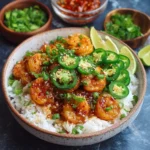
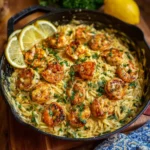
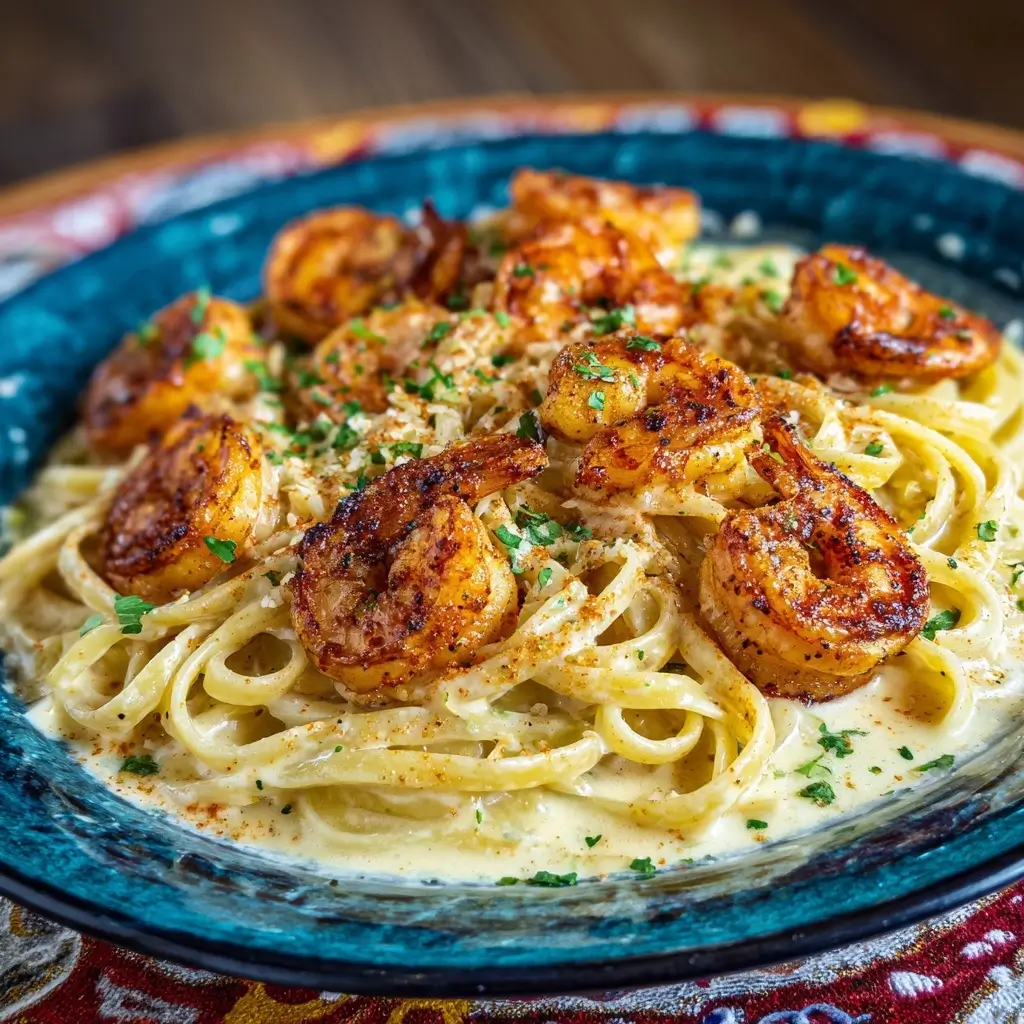
Cajun Shrimp Alfredo is a luxurious fusion dish that brings together the bold, spicy flavors of Southern Louisiana with the creamy richness of Italian cuisine. This mouthwatering pasta dish features succulent shrimp seasoned with aromatic Cajun spices, tossed in a velvety Alfredo sauce, and served over perfectly cooked fettuccine. It’s an indulgent meal that balances heat, creaminess, and savory depth in every bite. Whether you’re hosting a dinner party or simply treating yourself to a gourmet-style meal at home, Cajun Shrimp Alfredo delivers restaurant-quality flavor with surprisingly simple preparation.
The History
The origins of this dish can be traced back to the cultural melting pot of American culinary traditions. While classic Alfredo sauce hails from Rome, Italy—popularized by restaurateur Alfredo di Lelio in the early 20th century—the addition of Cajun seasoning reflects the vibrant Creole and Cajun cuisines of Louisiana. These regional styles developed from French, Spanish, African, and Native American influences, particularly in New Orleans and Acadiana. Over time, American chefs began experimenting by blending international dishes with local flavors. The marriage of creamy Alfredo sauce with bold, zesty Cajun-spiced shrimp emerged as a popular comfort food innovation in the late 20th century, especially in Southern U.S. restaurants. Today, Cajun Shrimp Alfredo stands as a symbol of culinary creativity, representing how diverse traditions can come together to form something uniquely delicious and deeply satisfying.
Ingredients Breakdown
The magic of Cajun Shrimp Alfredo lies in its carefully balanced ingredients, each contributing to the overall harmony of flavor, texture, and aroma.
- Fettuccine Pasta: The wide, flat noodles hold the rich sauce beautifully, providing a sturdy yet tender base.
- Shrimp: Medium to large peeled and deveined shrimp are ideal—they cook quickly and absorb seasonings well.
- Cajun Seasoning: A blend typically containing paprika, garlic powder, onion powder, cayenne pepper, oregano, thyme, black pepper, and salt. This spice mix delivers both warmth and complexity.
- Butter: Used for sautéing shrimp and forming the foundation of the sauce; adds richness and enhances flavor.
- Heavy Cream: The backbone of the Alfredo sauce, giving it its signature luxurious, silky texture.
- Parmesan Cheese: Freshly grated Parmigiano-Reggiano melts smoothly into the sauce, adding umami and saltiness.
- Garlic: Minced fresh garlic provides a pungent, aromatic kick that complements both the Cajun spices and cream.
- Olive Oil: Helps prevent sticking when cooking shrimp and adds a subtle fruitiness.
- Salt and Black Pepper: For final seasoning adjustments.
- Fresh Parsley (optional): Chopped parsley adds a pop of color and a fresh, herbaceous note to finish the dish.
- Lemon Juice (optional): A small splash can brighten the heavy creaminess and balance the heat from the spices.
Each ingredient plays a vital role, ensuring that no single flavor overpowers the others while still allowing the Cajun heat and creamy Alfredo to shine.
Step-by-Step Recipe
- Prepare the Pasta: Bring a large pot of salted water to a boil. Add 12 oz (about 340g) of fettuccine and cook according to package instructions until al dente. Reserve ½ cup of pasta water before draining. Set aside.
- Season the Shrimp: Pat 1 pound (450g) of raw shrimp dry with paper towels. Toss them with 1–2 tablespoons of Cajun seasoning, ensuring even coating. Let sit for 5–10 minutes to absorb flavor.
- Sauté the Shrimp: Heat 1 tablespoon of olive oil and 1 tablespoon of butter in a large skillet over medium-high heat. Once hot, add the seasoned shrimp in a single layer. Cook for 1–2 minutes per side until pink and opaque. Avoid overcooking. Remove shrimp and set aside.
- Build the Sauce Base: In the same skillet, reduce heat to medium. Melt 3 tablespoons of butter. Add 4 cloves of minced garlic and sauté for 30 seconds until fragrant but not browned.
- Add Cream: Pour in 1 ½ cups of heavy cream slowly, stirring continuously. Allow the mixture to simmer gently for 3–4 minutes until slightly thickened.
- Incorporate Cheese: Gradually whisk in 1 cup of freshly grated Parmesan cheese. Continue stirring until the cheese is fully melted and the sauce is smooth and creamy. If needed, use some reserved pasta water to adjust consistency.
- Combine Everything: Return the cooked shrimp to the skillet. Add the drained fettuccine and toss everything together until evenly coated in the sauce. Cook for another 1–2 minutes to meld flavors.
- Final Seasoning: Taste and adjust seasoning with salt, black pepper, or extra Cajun spice if desired. A squeeze of lemon juice can enhance brightness.
- Serve: Plate immediately, garnished with chopped parsley and additional Parmesan if desired.
Tips
- Use Fresh Ingredients: Fresh garlic, high-quality Parmesan, and real butter make a noticeable difference in flavor compared to pre-grated cheese or margarine.
- Don’t Overcook the Shrimp: Shrimp cook very quickly and become rubbery if left too long on the heat. Remove them just as they turn pink and curl into a “C” shape.
- Reserve Pasta Water: The starchy water helps bind the sauce to the noodles and allows for better consistency control without diluting flavor.
- Bloom the Spices: For deeper flavor, consider blooming the Cajun seasoning in butter or oil for 30 seconds before adding liquids.
- Cream Temperature: Use cold cream straight from the fridge—it helps prevent curdling when heated gradually.
- Grate Your Own Cheese: Pre-shredded cheeses contain anti-caking agents that can make sauces grainy or prevent smooth melting.
- Rest the Dish Briefly: Letting the finished pasta sit for a minute off heat allows the sauce to settle and cling better to the noodles.
- Prevent Separation: Keep the heat at medium or low when making the sauce. High heat can cause the cream to break or the cheese to clump.
Variations and Customizations
Cajun Shrimp Alfredo is highly adaptable to different tastes, dietary needs, and ingredient availability.
- Protein Swaps: Replace shrimp with grilled chicken, crawfish, scallops, or even smoked sausage for a heartier version reminiscent of jambalaya.
- Vegan Option: Use plant-based shrimp (such as hearts of palm or mushroom-based alternatives), vegan butter, coconut cream, and nutritional yeast instead of dairy. There are excellent store-bought vegan Parmesan options available.
- Gluten-Free Version: Substitute regular fettuccine with gluten-free pasta made from rice, corn, or quinoa. Ensure all other ingredients (like Cajun seasoning) are certified gluten-free.
- Add Vegetables: Enhance nutrition and color by incorporating sautéed bell peppers, spinach, sun-dried tomatoes, mushrooms, or roasted cherry tomatoes.
- Spice Level Control: Adjust the amount of cayenne in your Cajun seasoning—or omit it entirely—for a milder taste. Conversely, add a dash of hot sauce like Tabasco or Crystal for extra kick.
- Different Pastas: Try penne, linguine, rigatoni, or farfalle for varied textures and sauce adherence.
- White Wine Addition: Deglaze the pan with ¼ cup of dry white wine after sautéing garlic to add acidity and depth before introducing the cream.
- Herb Infusion: Stir in fresh thyme, tarragon, or chives for a more complex herbal profile.
- Bacon or Pancetta: Crispy bits added at the end provide a smoky crunch that contrasts beautifully with the creamy sauce.
- Seafood Medley: Combine shrimp with scallops, mussels, or crab meat for a decadent seafood Alfredo variation.
Health Considerations and Nutritional Value
While undeniably rich and flavorful, Cajun Shrimp Alfredo can be enjoyed as part of a balanced diet with mindful modifications.
A typical serving (approximately 1.5 cups) contains around:
- Calories: 600–750 kcal
- Fat: 35–45g (mostly from cream and butter)
- Saturated Fat: 20–25g
- Cholesterol: ~180mg
- Carbohydrates: 45–55g (primarily from pasta)
- Protein: 25–30g (from shrimp and cheese)
- Sodium: 800–1200mg (depending on seasoning and cheese used)
Nutritional Highlights:
- Shrimp is low in calories and high in protein, selenium, and omega-3 fatty acids.
- Parmesan cheese offers calcium, phosphorus, and vitamin B12.
- Cajun spices like paprika and garlic have antioxidant and anti-inflammatory properties.
Healthier Modifications:
- Use whole wheat or legume-based pasta for increased fiber and protein.
- Reduce cream quantity and replace part with evaporated milk or low-fat milk thickened with a roux.
- Limit butter and cheese amounts slightly, focusing on strong-flavored aged Parmesan for maximum taste with less volume.
- Boost vegetable content to increase fiber, vitamins, and satiety.
- Monitor portion sizes—this dish is best enjoyed in moderation due to its calorie density.
Those with hypertension should be cautious about sodium levels, especially if using store-bought Cajun blends. Making homemade seasoning gives full control over salt content.
Ingredients
- 12 oz (340g) fettuccine pasta
- 1 lb (450g) raw shrimp, peeled and deveined
- 2 tbsp Cajun seasoning (store-bought or homemade)
- 4 tbsp unsalted butter, divided
- 1 tbsp olive oil
- 4 cloves garlic, minced
- 1 ½ cups heavy cream
- 1 cup freshly grated Parmesan cheese
- Salt and freshly ground black pepper, to taste
- ½ cup reserved pasta water
- 2 tbsp fresh parsley, chopped (for garnish)
- Optional: 1 tbsp lemon juice
Directions
- Bring a large pot of salted water to a rolling boil. Add fettuccine and cook until al dente (about 8–10 minutes). Before draining, reserve ½ cup of starchy pasta water. Drain and set aside.
- Rinse and pat dry the shrimp with paper towels. Place in a bowl and toss with 2 tablespoons of Cajun seasoning. Let marinate for 5–10 minutes.
- Heat a large skillet over medium-high heat. Add olive oil and 1 tablespoon of butter. Once butter is melted and sizzling, add shrimp in a single layer. Cook 1–2 minutes per side until pink and just cooked through. Transfer to a plate and set aside.
- In the same skillet, reduce heat to medium. Melt 2 tablespoons of butter. Add minced garlic and sauté for 30 seconds until aromatic.
- Pour in heavy cream, stirring constantly. Simmer gently for 3–4 minutes, allowing it to thicken slightly.
- Gradually stir in grated Parmesan cheese until fully melted and sauce is smooth. If sauce is too thick, add reserved pasta water 1–2 tablespoons at a time until desired consistency is reached.
- Add the cooked fettuccine to the sauce, tossing thoroughly to coat. Return the shrimp to the skillet along with any accumulated juices.
- Stir in remaining 1 tablespoon of butter for extra gloss and richness. Season with salt, pepper, and optional lemon juice. Adjust spice level with additional Cajun seasoning if desired.
- Toss everything together for 1–2 minutes over low heat to combine and warm through.
- Serve hot, garnished with fresh parsley and extra Parmesan on the side.
FAQ
Q: Can I make Cajun Shrimp Alfredo ahead of time?
A: It’s best served immediately, but you can prep components separately. Cook the pasta and store it with a drizzle of oil; keep shrimp and sauce refrigerated. Reheat gently on the stove, combining everything just before serving.
Q: How do I reheat leftovers?
A: Gently rewarm in a skillet over low heat with a splash of milk or cream to restore creaminess. Microwaving may cause the sauce to separate.
Q: Why did my Alfredo sauce turn grainy?
A: This usually happens due to overheating, using pre-shredded cheese (which contains fillers), or adding cheese too quickly. Always melt cheese slowly over low heat and use freshly grated Parmesan.
Q: Is there a lighter version of this recipe?
A: Yes! Use half-and-half or milk instead of heavy cream, reduce butter and cheese, and add cornstarch slurry to thicken. Adding vegetables also increases volume without many calories.
Q: Can I freeze Cajun Shrimp Alfredo?
A: Freezing is not recommended due to the dairy-based sauce, which tends to separate and become watery upon thawing. The shrimp may also become tough.
Q: What wine pairs well with Cajun Shrimp Alfredo?
A: A crisp white wine such as Sauvignon Blanc, Pinot Grigio, or unoaked Chardonnay complements the richness and cuts through the creaminess. For bolder palates, try an off-dry Riesling to balance the spice.
Q: Can I use frozen shrimp?
A: Yes, but thaw them completely in the refrigerator first and pat dry to avoid excess moisture during cooking.
Q: How spicy is Cajun Shrimp Alfredo?
A: The heat level depends on the Cajun seasoning used. Most blends range from mild to medium-hot. You can always reduce or increase the amount based on preference.
Summary
Cajun Shrimp Alfredo is a bold and creamy pasta dish that masterfully blends the fiery essence of Louisiana spices with the comforting richness of Italian Alfredo sauce. Perfect for weeknight dinners or special occasions, this flavorful fusion delights the senses and satisfies cravings with every forkful.