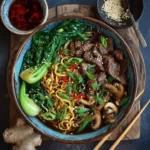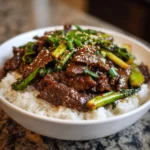
Introduction
Mongolian Beef is one of the most beloved dishes in American-Chinese cuisine, celebrated for its rich, savory flavor and tender strips of beef coated in a glossy, sweet-savory sauce. Despite its name, this dish has little to do with traditional Mongolian cooking; instead, it originated in Taiwan and became popularized in North America through Chinese-American restaurants. Its widespread appeal lies in its simplicity, bold flavors, and quick preparation time, making it a favorite among home cooks and restaurant patrons alike. Whether served over steamed rice or alongside stir-fried vegetables, Mongolian Beef delivers a satisfying umami punch that keeps people coming back for more.
The History
The origins of Mongolian Beef are often misunderstood due to its geographical misnomer. Contrary to what the name suggests, this dish does not hail from Mongolia. Instead, it was developed in Taiwan during the mid-20th century by chefs creating new recipes influenced by Chinese culinary traditions but tailored to local and international tastes. The term “Mongolian” was likely used as an exotic label to evoke images of bold, nomadic flavors—though authentic Mongolian cuisine tends to be much simpler, focusing on dairy, meat, and boiled dumplings rather than saucy stir-fries.
The dish gained popularity in the United States during the 1970s and 1980s with the rise of Chinese-American restaurants offering fusion-style entrees. Chains like P.F. Chang’s helped cement Mongolian Beef in mainstream American food culture. Over time, variations emerged, incorporating ingredients like brown sugar, soy sauce, ginger, and garlic into a deeply flavorful glaze that coats thinly sliced beef. Today, Mongolian Beef stands as a prime example of how cultural exchange and adaptation can lead to the creation of iconic dishes that transcend their original roots.
Ingredients Breakdown
The magic of Mongolian Beef lies in its carefully balanced combination of ingredients that create a harmony of sweet, salty, tangy, and umami notes. Here’s a detailed breakdown:
- Flank Steak or Sirloin: These cuts are preferred for their tenderness and ability to absorb marinade flavors. Thin slicing against the grain ensures each bite remains juicy and easy to chew.
- Soy Sauce: Provides the foundational saltiness and deep umami flavor. Low-sodium soy sauce can be used for better control over salt content.
- Brown Sugar: Adds sweetness that caramelizes slightly when cooked, contributing to the glossy finish of the sauce.
- Rice Wine or Dry Sherry: Enhances depth and helps tenderize the meat. It also balances out the richness of the sauce.
- Garlic and Ginger: Freshly minced garlic and grated ginger bring aromatic heat and complexity, essential for authentic flavor layers.
- Green Onions: Used both during cooking and as a garnish, they add freshness and a mild onion bite.
- Cornstarch: Crucial for velveting the beef (a Chinese technique) and thickening the sauce to achieve that signature clingy texture.
- Sesame Oil: A few drops at the end elevate the aroma and provide a nutty undertone characteristic of many Asian dishes.
- Water or Beef Broth: Dilutes the sauce slightly while adding body and savoriness.
- Chili Flakes (optional): For those who enjoy a bit of heat, red pepper flakes introduce a subtle kick without overpowering the other flavors.
Each ingredient plays a role in building the complex taste profile that defines this dish, making precision and quality key to achieving restaurant-quality results at home.
Step-by-Step Recipe
- Prepare the Beef: Slice 1 pound of flank steak into thin strips about ¼ inch thick, cutting against the grain. Place in a bowl and set aside.
- Velt the Meat: In a mixing bowl, combine 2 tablespoons soy sauce, 1 tablespoon rice wine, 1 tablespoon cornstarch, and 1 teaspoon sesame oil. Add the beef strips and toss well to coat. Let marinate for at least 20 minutes (or up to 30 minutes in the refrigerator).
- Make the Sauce: In a separate bowl, whisk together ½ cup water or low-sodium beef broth, ¼ cup soy sauce, 3 tablespoons brown sugar, 2 tablespoons rice wine, 1 tablespoon cornstarch, 1 teaspoon grated ginger, and 2 minced garlic cloves. Set aside.
- Stir-Fry the Beef: Heat 2 tablespoons of vegetable oil in a large wok or skillet over high heat until shimmering. Add the marinated beef in a single layer (work in batches if needed) and sear for about 1–2 minutes per side until browned but not fully cooked. Remove and set aside.
- Build the Flavor Base: Reduce heat to medium-high. Add another teaspoon of oil if necessary, then add 1 tablespoon minced garlic and 1 tablespoon grated ginger. Stir-fry for 15 seconds until fragrant.
- Add the Sauce: Pour the prepared sauce mixture into the wok. Stir continuously as it comes to a simmer and begins to thicken—about 1–2 minutes.
- Reintroduce the Beef: Return the partially cooked beef (and any juices) to the wok. Stir thoroughly to coat every piece in the sauce. Continue cooking for another 2–3 minutes until the beef is fully cooked and the sauce has thickened into a shiny glaze.
- Finish with Green Onions: Stir in ¼ cup sliced green onions (both white and green parts), reserving some for garnish. Cook for an additional 30 seconds.
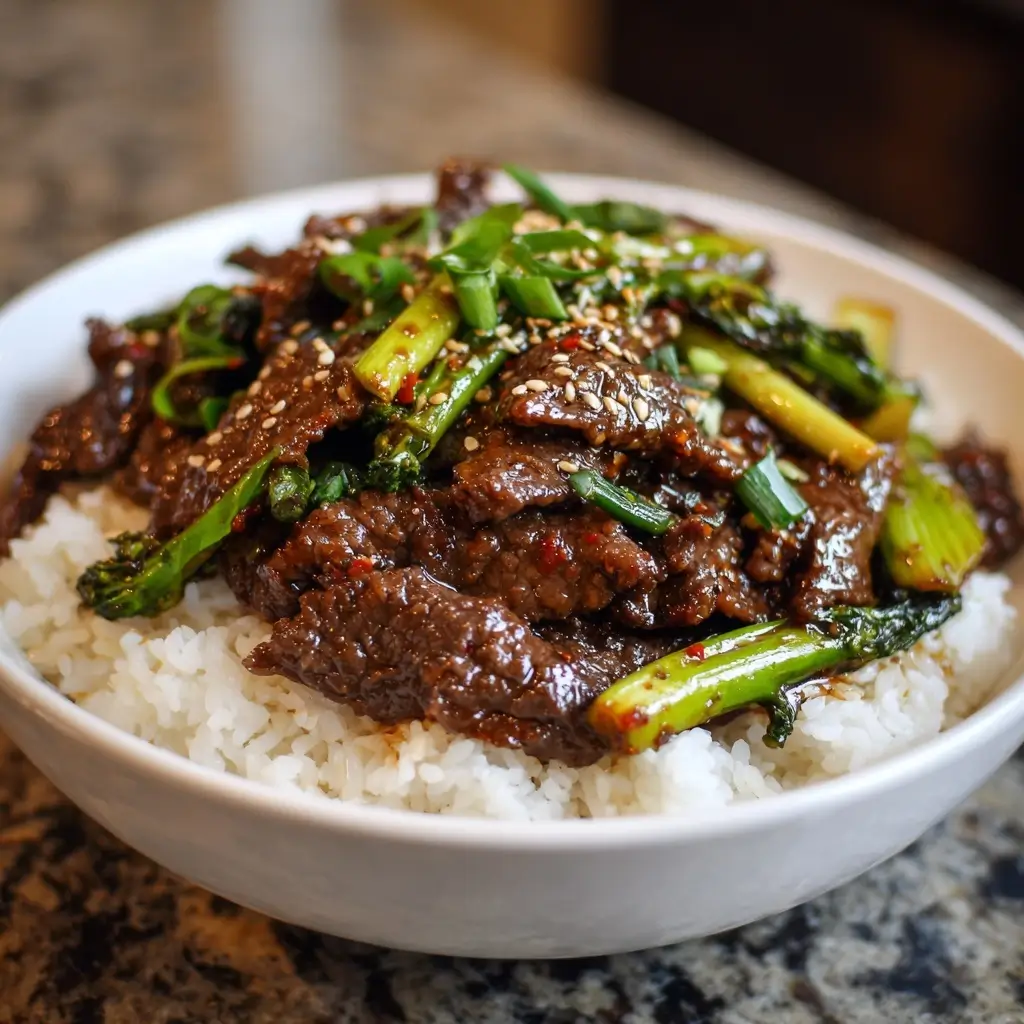
- Serve Immediately: Plate the Mongolian Beef hot over steamed jasmine rice, brown rice, or cauliflower rice. Garnish with extra green onions and a sprinkle of toasted sesame seeds if desired.
Tips
- Slice Against the Grain: This breaks up muscle fibers, ensuring tender bites even with lean cuts like flank steak.
- Don’t Skip Velveting: Coating the beef in cornstarch and marinade before cooking locks in moisture and gives it that silky texture found in restaurant dishes.
- High Heat is Key: Use the highest heat your stove allows for stir-frying to achieve proper searing without stewing the meat.
- Avoid Overcrowding: Cook the beef in batches to prevent steaming, which leads to soggy, gray meat instead of nicely caramelized strips.
- Fresh Garlic and Ginger: Always use freshly minced or grated versions—they offer significantly brighter flavor compared to powdered forms.
- Prep Everything Ahead: Stir-fries move fast. Have all ingredients chopped, sauces mixed, and tools ready before turning on the heat.
- Adjust Sweetness: Taste the sauce before adding it to the pan. Some brands of soy sauce vary in saltiness, so you may need to tweak the sugar accordingly.
- Use a Wok: If possible, cook in a carbon steel wok for optimal heat distribution and that smoky “wok hei” flavor.
- Rest Before Serving: Let the dish sit for 1–2 minutes after cooking to allow flavors to settle and sauce to further thicken.
Variations and Customizations
Mongolian Beef is highly adaptable and welcomes creative tweaks based on dietary preferences or available ingredients:
- Mongolian Chicken or Pork: Substitute beef with boneless chicken thighs or pork loin for equally delicious results.
- Vegetarian Version: Replace beef with thick slices of portobello mushrooms, tofu, or seitan. Marinate similarly for maximum flavor absorption.
- Gluten-Free Option: Use tamari or a certified gluten-free soy sauce alternative and ensure cornstarch is GF-labeled.
- Keto/Low-Carb Adaptation: Swap brown sugar with erythritol or monk fruit sweetener, serve over zucchini noodles or cauliflower rice.
- Spicy Kick: Add sriracha, chili garlic sauce, or Sichuan peppercorns to the sauce for a fiery twist.
- Extra Veggies: Toss in bell peppers, broccoli, snap peas, or carrots during the final minute of cooking for added color and nutrition.
- Pineapple Addition: For a sweet-tropical flair, add canned pineapple chunks just before serving.
- Sesame Crust: Press toasted sesame seeds onto the beef strips before stir-frying for a crunchy exterior.
- Orange Zest Infusion: Grate a bit of orange zest into the sauce for a citrusy brightness that complements the sweetness.
- Bamboo Shoots or Water Chestnuts: Incorporate for a delightful crunch and texture contrast.
Health Considerations and Nutritional Value
While undeniably delicious, Mongolian Beef should be enjoyed in moderation due to certain nutritional aspects:
- Sodium Content: Soy sauce contributes significant sodium. One serving can contain over 1,000 mg depending on portion size and brand. Opt for reduced-sodium soy sauce to lower intake.
- Sugar Levels: Brown sugar adds sweetness but increases carbohydrate content. A typical recipe contains 15–20 grams of sugar per serving. Natural sweeteners or reduced amounts can help mitigate this.
- Calorie Density: With oil, sugar, and cornstarch, a standard serving ranges from 400–600 calories, especially when served over white rice.
- Protein Powerhouse: Beef provides high-quality protein (~25–30g per serving), supporting muscle repair and satiety.
- Healthy Fats: Using heart-healthy oils like avocado or grapeseed oil instead of vegetable oil improves fat profile.
- Dietary Fiber: When paired with brown rice or vegetables, fiber content increases, aiding digestion and blood sugar regulation.
- Iron and Zinc: Red meat is rich in bioavailable iron and zinc, important for immune function and preventing anemia.
- Balancing the Meal: Serve with steamed greens or a fresh salad to boost vitamins A, C, and K, and improve overall nutrient balance.
- Portion Control: Stick to a 4-ounce serving of beef and ½ cup rice to keep the meal balanced and aligned with dietary guidelines.
Ingredients
- 1 lb flank steak or sirloin, thinly sliced against the grain
- 3 tbsp soy sauce (low-sodium preferred)
- 2 tbsp brown sugar (packed)
- 2 tbsp rice wine or dry sherry
- 2 tbsp water or low-sodium beef broth
- 2 cloves garlic, minced
- 1 tbsp fresh ginger, grated
- 3 green onions, sliced (white and green parts separated)
- 2 tbsp cornstarch
- 1 tsp sesame oil
- 2–3 tbsp vegetable oil (for stir-frying)
- Optional: ½ tsp red pepper flakes, toasted sesame seeds for garnish
Directions
- In a bowl, combine 1 tablespoon soy sauce, 1 tablespoon rice wine, 1 tablespoon cornstarch, and 1 teaspoon sesame oil. Add the sliced beef and mix well to coat. Marinate for 20–30 minutes.
- While the beef marinates, prepare the sauce: In a small bowl, whisk together 2 tablespoons soy sauce, 2 tablespoons brown sugar, 1 tablespoon rice wine, 2 tablespoons water or broth, 1 tablespoon cornstarch, 2 minced garlic cloves, 1 tablespoon grated ginger, and half the white part of the green onions.
- Heat 2 tablespoons vegetable oil in a wok or large skillet over high heat. Once hot, add the marinated beef in a single layer and sear for 1–2 minutes per side until browned. Remove and set aside.
- Reduce heat to medium-high. Add remaining oil if needed, then add the remaining garlic and ginger. Stir-fry for 15–20 seconds until fragrant.
- Pour in the sauce mixture, stirring constantly. Bring to a gentle boil and cook for 1–2 minutes until the sauce thickens and turns glossy.
- Return the beef and any accumulated juices to the wok. Stir well to coat evenly in the sauce. Cook for another 2–3 minutes until beef is fully cooked and sauce clings beautifully.
- Stir in the green parts of the green onions. Cook for 30 seconds more.
- Remove from heat. Taste and adjust seasoning if needed—add more sugar for sweetness or soy sauce for saltiness.
- Serve immediately over rice, garnished with extra green onions and toasted sesame seeds.
FAQ
Is Mongolian Beef actually from Mongolia?
No, despite its name, Mongolian Beef did not originate in Mongolia. It was created in Taiwan and became popular in American-Chinese cuisine.
Can I make this ahead of time?
Yes, you can prep the ingredients and sauce up to a day in advance. However, for best texture, cook the beef fresh and assemble just before serving.
Why is my sauce too thin or too thick?
If too thin, let it simmer longer or add a cornstarch slurry (1 tsp cornstarch + 1 tbsp water). If too thick, stir in a splash of water or broth.
What cut of beef is best?
Flank steak and sirloin are ideal due to their tenderness and flavor. Avoid tougher cuts unless slow-cooked.
Can I freeze leftovers?
Yes, store in an airtight container for up to 3 months. Reheat gently on the stovetop with a splash of water to revive the sauce.
How do I reheat without drying out the beef?
Reheat in a skillet over medium-low heat with a spoonful of water or broth, covered, to retain moisture.
Is there a dairy-free version?
Yes, the traditional recipe is naturally dairy-free. Just ensure no butter is used during cooking.
Can I use honey instead of brown sugar?
Yes, substitute equal parts honey or maple syrup, though the flavor will be slightly different.
What rice pairs best?
Jasmine rice is classic, but brown rice, basmati, or cauliflower rice work well depending on preference.
Can I make it less sweet?
Absolutely—reduce the brown sugar to 1 tablespoon or omit entirely for a more savory profile.
Summary
Mongolian Beef is a flavorful, quick-to-make stir-fry that combines tender beef with a sweet-savory sauce infused with garlic, ginger, and soy. Though not authentically Mongolian, it remains a staple of Chinese-American cuisine loved for its bold taste and ease of preparation.