Introduction
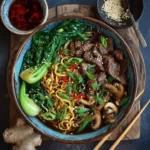
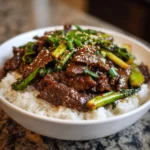
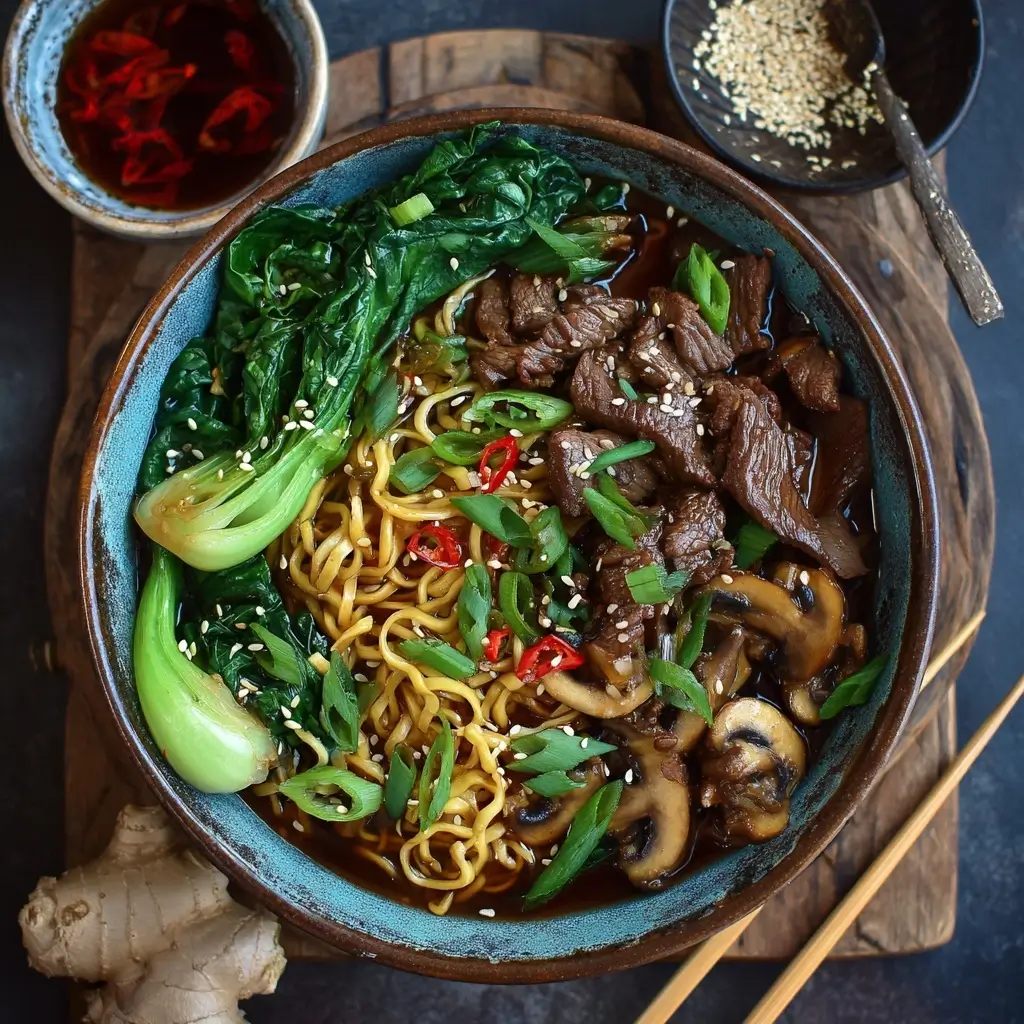
Teriyaki Beef Noodles are a delicious fusion of Japanese-inspired teriyaki flavors and satisfying noodle dishes, making them a favorite among home cooks and restaurant-goers alike. This dish combines tender slices of beef glazed in a sweet and savory teriyaki sauce with perfectly cooked noodles, creating a balanced meal that’s both comforting and packed with umami. Whether you’re preparing a quick weeknight dinner or impressing guests at a weekend gathering, Teriyaki Beef Noodles offer a flavorful experience that satisfies cravings for Asian cuisine with minimal effort. The dish’s versatility allows for endless customization based on dietary preferences, ingredient availability, and regional flavor twists, making it a staple in modern fusion cooking.
The History
The origins of Teriyaki Beef Noodles trace back to traditional Japanese cooking, where “teri” refers to the luster or shine provided by the glaze, and “yaki” means grilled or broiled. Originally, teriyaki was a method used to prepare fish—typically salmon or mackerel—by grilling it with a soy-based glaze to enhance flavor and appearance. As Japanese immigrants moved to the United States in the 20th century, they adapted their culinary traditions using local ingredients, leading to the popularization of teriyaki chicken and beef. The concept of pairing teriyaki-glazed proteins with noodles emerged from broader East Asian influences, particularly Chinese and later Korean cuisines, which heavily feature stir-fried noodle dishes. Over time, American-Japanese restaurants began combining these elements into hybrid dishes like Teriyaki Beef Noodles, blending Japanese sauces with Chinese-style stir-fry techniques and wheat noodles. Today, this dish is emblematic of pan-Asian fusion cuisine, celebrated for its glossy sauce, tender meat, and aromatic complexity.
Ingredients Breakdown
The magic of Teriyaki Beef Noodles lies in the harmony of its components. Each ingredient plays a crucial role in building layers of flavor, texture, and aroma:
- Beef: Typically flank steak, sirloin, or ribeye is used due to their tenderness and ability to absorb marinades. Thinly sliced against the grain ensures quick cooking and maximum juiciness.
- Noodles: Traditionally, soba, udon, or ramen noodles are used. For a Western twist, spaghetti or rice noodles work well. They provide a neutral base that soaks up the rich teriyaki sauce.
- Soy Sauce: The backbone of the teriyaki sauce, providing saltiness and depth. Low-sodium versions can be used to control salt levels.
- Mirin: A sweet rice wine essential for balancing the saltiness of soy sauce. It adds subtle sweetness and helps create the signature glossy finish.
- Sake or Rice Vinegar: Sake enhances umami, while rice vinegar offers a mild acidity if sake isn’t available.
- Brown Sugar or Honey: Adds sweetness and aids in caramelization during cooking. Brown sugar imparts a molasses-like depth, while honey offers floral notes.
- Fresh Garlic and Ginger: These aromatics form the flavor foundation, contributing pungency and warmth to the sauce.
- Sesame Oil: Used sparingly for its nutty fragrance, often added at the end or used to sauté vegetables.
- Vegetables: Common additions include bell peppers, broccoli, carrots, mushrooms, onions, and snap peas. They add color, crunch, and nutrition.
- Cornstarch: Helps thicken the sauce slightly, ensuring it clings beautifully to the noodles and beef.
- Sesame Seeds and Green Onions: Used as garnishes to add freshness, visual appeal, and a hint of nuttiness.
Optional ingredients might include chili flakes for heat, pineapple juice for tangy sweetness, or hoisin sauce for extra richness.
Step-by-Step Recipe
- Prepare the Ingredients: Slice the beef thinly against the grain into bite-sized strips. Julienne vegetables uniformly for even cooking. Cook the noodles according to package instructions (usually boiled until al dente), then rinse under cold water and toss with a bit of oil to prevent sticking.
- Make the Teriyaki Sauce: In a bowl, whisk together ½ cup soy sauce, ¼ cup mirin, ¼ cup sake (or substitute with rice vinegar), 3 tablespoons brown sugar, 2 minced garlic cloves, 1 tablespoon grated fresh ginger, and 1 teaspoon cornstarch. Mix until sugar dissolves and cornstarch is fully incorporated.
- Marinate the Beef (Optional): For deeper flavor, marinate the beef in half the teriyaki sauce for 15–30 minutes in the refrigerator. Do not exceed 1 hour as the acid can start to break down the meat fibers.
- Sear the Beef: Heat 1 tablespoon of vegetable oil in a large wok or skillet over high heat. Add the beef in a single layer (work in batches if needed) and sear for 1–2 minutes per side until browned but not overcooked. Remove and set aside.
- Stir-Fry the Vegetables: In the same pan, add another tablespoon of oil if needed. Toss in harder vegetables like carrots and broccoli first, stir-frying for 2–3 minutes. Then add softer ones like bell peppers, mushrooms, and onions. Cook until crisp-tender, about 3–4 minutes total.
- Combine and Simmer: Return the beef to the pan. Pour in the remaining teriyaki sauce and bring to a gentle simmer. Stir continuously for 2–3 minutes until the sauce thickens and coats the ingredients evenly.
- Add the Noodles: Add the cooked noodles to the wok. Use tongs to gently toss everything together, ensuring the noodles are well-coated with sauce. Cook for an additional 1–2 minutes to heat through.
- Final Touches: Drizzle with a small amount of toasted sesame oil for aroma. Taste and adjust seasoning—add more sugar for sweetness, soy sauce for salt, or a splash of lime juice for brightness.
- Serve Immediately: Plate the noodles and top with sliced green onions, toasted sesame seeds, and optional red pepper flakes. Serve hot.
Tips
- Slice Beef Correctly: Always cut against the grain to ensure tenderness. Freeze the beef for 15–20 minutes before slicing for cleaner, thinner cuts.
- Don’t Overcook the Beef: Searing quickly over high heat preserves juiciness. Overcooking leads to chewy, tough meat.
- Cook Noodles Al Dente: Slightly undercook them if you plan to stir-fry, as they will continue to cook in the sauce.
- Use High Heat: A hot wok or skillet ensures proper searing and prevents steaming, which keeps textures crisp.
- Balancing the Sauce: If the sauce is too salty, add a touch of honey or pineapple juice. If too sweet, a dash of rice vinegar can help balance it.
- Prep Ahead: Chop all ingredients and make the sauce in advance. This dish comes together quickly once cooking begins.
- Thickening the Sauce: If your sauce isn’t thickening, mix 1 teaspoon cornstarch with 1 tablespoon cold water and stir it into the simmering liquid.
- Avoid Clumping Noodles: After boiling, rinse with cold water and toss with a little neutral oil (like canola or grapeseed) to keep them separate.
- Layer Flavors: Bloom garlic and ginger in oil for 30 seconds before adding other ingredients to deepen flavor.
Variations and Customizations
Teriyaki Beef Noodles are highly adaptable. Here are some popular variations:
- Protein Swaps: Replace beef with chicken, shrimp, tofu, tempeh, or even thinly sliced pork. Each brings a unique texture and taste profile.
- Gluten-Free Version: Use tamari instead of soy sauce and choose rice noodles or gluten-free pasta to accommodate dietary restrictions.
- Vegan Option: Substitute beef with marinated mushrooms (shiitake or oyster) or seitan. Use maple syrup instead of honey and ensure all sauces are plant-based.
- Different Noodles: Try buckwheat soba for nuttiness, glass noodles for lightness, or spiralized zucchini for a low-carb alternative.
- Spicy Kick: Add sriracha, gochujang (Korean chili paste), or fresh chilies to the sauce for heat lovers.
- Fruit Infusion: Incorporate diced pineapple or mango into the stir-fry for tropical sweetness that complements the teriyaki glaze.
- Extra Umami: Boost savoriness with a splash of fish sauce, oyster sauce, or a sprinkle of MSG (to taste).
- Low-Sugar Version: Reduce or omit sugar and use a sugar substitute like monk fruit or erythritol. Increase mirin slightly for natural sweetness.
- Kitchen Hack: Use store-bought teriyaki sauce to save time, but check labels for preservatives and excess sodium.
- Meal Prep Friendly: Assemble components separately and combine when reheating to maintain texture.
Health Considerations and Nutritional Value
While Teriyaki Beef Noodles are flavorful, they can be high in sodium and sugar depending on preparation. A typical serving (approx. 1.5 cups) may contain:
- Calories: 450–600 (varies by protein, oil, and sugar content)
- Protein: 25–35g (excellent source from beef and soy)
- Carbohydrates: 50–70g (mostly from noodles)
- Fat: 12–20g (healthy fats from oils and sesame)
- Sodium: 800–1,200mg (can be reduced with low-sodium soy sauce)
- Sugar: 10–20g (depends on added sweeteners)
Health Tips:
- Choose lean cuts of beef like sirloin to reduce saturated fat.
- Increase vegetable volume to boost fiber, vitamins, and antioxidants.
- Use whole grain or legume-based noodles for higher fiber and protein.
- Limited portions of sauce or serve it on the side to manage sodium and sugar intake.
- Avoid deep-frying; stick to stir-frying with minimal oil.
- This dish provides iron, B vitamins, and essential amino acids, supporting muscle repair and energy metabolism.
- For heart health, balance meals with a side salad or miso soup to improve nutrient diversity.
Ingredients
- 1 lb (450g) flank steak or sirloin, thinly sliced
- 8 oz (225g) noodles (udon, soba, or ramen)
- ½ cup soy sauce (low-sodium preferred)
- ¼ cup mirin (sweet rice wine)
- ¼ cup sake or rice vinegar
- 3 tbsp brown sugar or honey
- 2 cloves garlic, minced
- 1 tbsp fresh ginger, grated
- 1 tsp cornstarch
- 2 tbsp vegetable oil (divided)
- 1 tbsp toasted sesame oil
- 1 bell pepper, julienned
- 1 cup broccoli florets
- 1 medium carrot, julienned
- ½ cup mushrooms, sliced
- ¼ cup green onions, sliced
- 1 tbsp sesame seeds, toasted
- Optional: chili flakes, pineapple chunks, or snap peas
Directions
- Bring a large pot of salted water to a boil. Cook noodles according to package instructions until al dente. Drain, rinse under cold water, and toss with 1 tsp vegetable oil. Set aside.
- In a mixing bowl, whisk together soy sauce, mirin, sake, brown sugar, garlic, ginger, and cornstarch until smooth. Reserve ¼ cup for later.
- If desired, marinate beef in half the sauce for 15–30 minutes.
- Heat 1 tbsp vegetable oil in a large wok or skillet over high heat. Add beef in batches and sear for 1–2 minutes per side until browned. Remove and set aside.
- Add remaining oil to the pan. Stir-fry carrots and broccoli for 2 minutes. Add bell pepper, mushrooms, and any other vegetables. Cook for another 3–4 minutes until crisp-tender.
- Return beef to the pan. Pour in the remaining sauce (not the reserved portion). Simmer for 2–3 minutes until sauce thickens and coats the ingredients.
- Add cooked noodles and toss to combine. Drizzle with sesame oil and stir gently.
- Pour in the reserved sauce to adjust moisture and flavor. Cook for 1 more minute.
- Taste and adjust seasoning—add more sugar, soy, or a squeeze of lime if needed.
- Transfer to serving plates. Garnish with green onions and sesame seeds. Serve immediately.
FAQ
Can I make Teriyaki Beef Noodles ahead of time?
Yes! Prepare components separately: cook noodles, slice beef, chop veggies, and make sauce. Store in airtight containers. Reheat and combine just before serving for best texture.
How do I store leftovers?
Keep in an airtight container in the refrigerator for up to 3 days. Reheat in a skillet over medium heat to prevent sogginess. Add a splash of water or broth if dry.
Can I freeze this dish?
Freezing is not ideal due to texture changes in noodles and vegetables, but the sauce and cooked beef can be frozen separately for up to 2 months.
Is teriyaki sauce gluten-free?
Traditional soy sauce contains wheat. Use tamari or certified gluten-free soy sauce for a gluten-free version.
What can I use instead of mirin?
Substitute with ¼ cup dry sherry plus 1 tsp sugar, or 3 tbsp rice vinegar mixed with 1 tbsp sugar.
Why is my sauce too thin?
Ensure you’re using cornstarch and simmering the sauce long enough. If still runny, mix 1 tsp cornstarch with 1 tbsp water and stir in while heating.
Can I use pre-sliced beef from the grocery store?
Yes, many stores sell “stir-fry beef” or “shabu-shabu beef,” which is thinly sliced and convenient for quick cooking.
Are Teriyaki Beef Noodles healthy?
They can be part of a balanced diet when made with lean meat, plenty of vegetables, and controlled sodium/sugar. Serve with a side salad for added nutrition.
Summary
Teriyaki Beef Noodles are a flavorful, versatile dish that blends tender beef, glossy teriyaki sauce, and hearty noodles in a harmonious fusion of Japanese and Asian-inspired cuisine. Quick to prepare and endlessly customizable, this meal delivers restaurant-quality taste with home-cooked comfort in every bite.