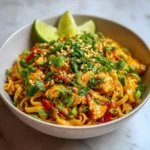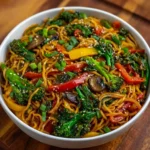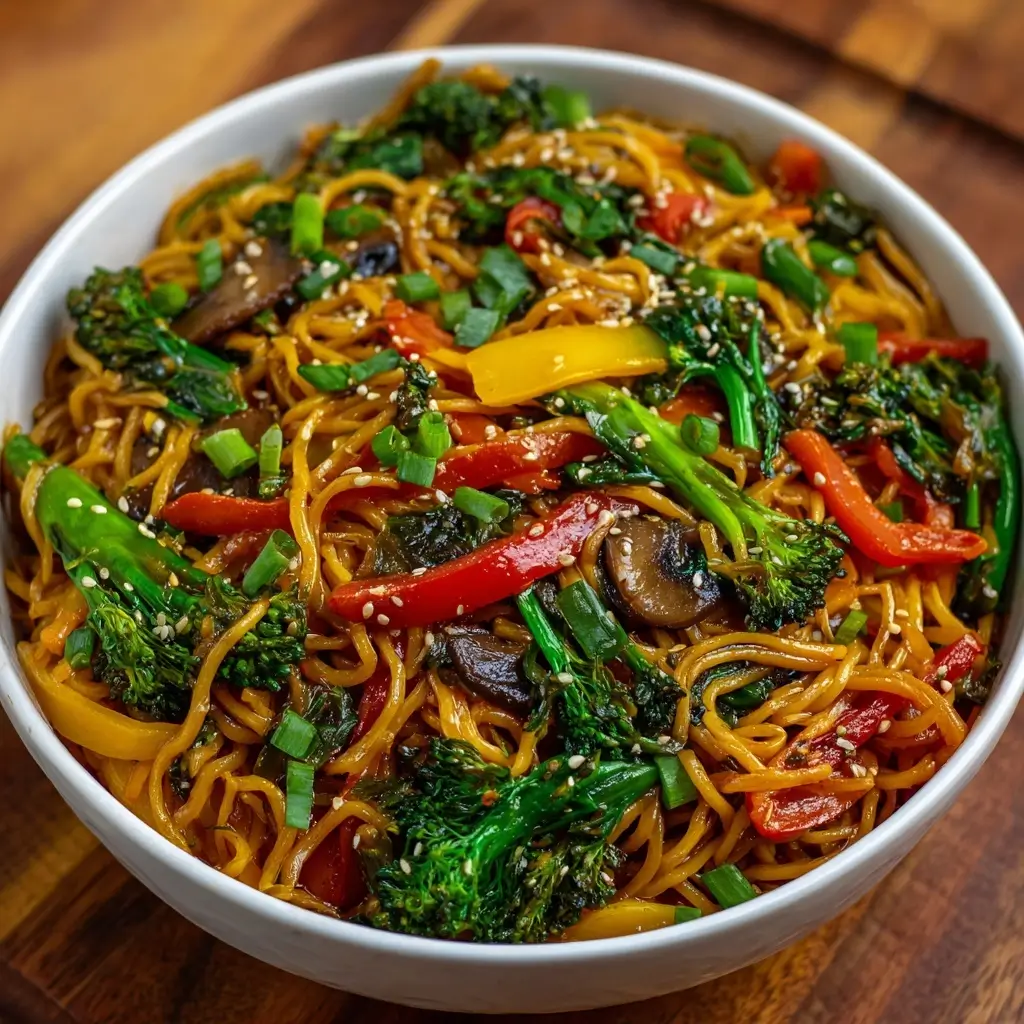
Veggie Loaded Stir Fry Noodles: A Flavor-Packed, Healthy Delight
Craving a quick, nutritious, and incredibly tasty meal that bursts with color, texture, and flavor? Look no further than Veggie Loaded Stir Fry Noodles. This vibrant dish brings together the best of fresh vegetables, savory sauces, and springy noodles for a satisfying experience in every bite. Whether you’re a busy professional looking for a weeknight dinner or someone wanting to pack more plant-based meals into your diet, this stir fry is your go-to solution. It’s customizable, easy to prepare, and endlessly delicious—perfect for vegans, vegetarians, and omnivores alike.
The History of Stir Fry Noodles
Stir frying is a cooking technique that originated in China over 2,000 years ago during the Han Dynasty. The method was developed out of necessity—quickly cooking small pieces of food over high heat preserved nutrients, saved fuel, and maximized efficiency in crowded urban kitchens. The wok, a versatile round-bottomed pan, became central to this cooking style due to its ability to distribute heat evenly and cook food rapidly.
Over centuries, stir fry techniques spread across Asia, adapting to local tastes and ingredients in countries like Thailand, Vietnam, Korea, and Japan. Each region added its own flair—Thai versions often include bold chili and fish sauce, while Japanese renditions might feature soy sauce and mirin. Noodles, originally made from wheat, rice, or mung bean starch, were natural companions to stir-fried vegetables and proteins.
In the West, stir fry gained popularity in the mid-20th century as Asian cuisines became more accessible. American-Chinese dishes like chop suey and lo mein paved the way for home cooks to experiment with their own versions. Today, veggie-loaded stir fry noodles are a global favorite, celebrated for their balance of health, convenience, and flavor. Modern interpretations emphasize colorful vegetables, whole grain noodles, and healthier oils, making it a staple in clean-eating and plant-forward diets.
Ingredients Breakdown: What Makes This Dish Shine
The magic of Veggie Loaded Stir Fry Noodles lies in its diverse, nutrient-rich ingredients. Each component plays a role in building layers of flavor, texture, and nutrition:
- Noodles: Choose from rice noodles (gluten-free), soba (buckwheat, rich in fiber), udon (chewy wheat noodles), or whole wheat spaghetti. These form the hearty base of the dish.
- Vegetables: A rainbow of veggies ensures a wide range of vitamins and antioxidants. Common choices include bell peppers (vitamin C), broccoli (fiber and vitamin K), carrots (beta-carotene), snap peas (crunch and sweetness), mushrooms (umami depth), zucchini (low-calorie bulk), cabbage (gut-friendly fiber), and spinach (iron and folate).
- Aromatics: Garlic, ginger, and green onions are essential for building flavor. Freshly minced or grated, they release aromatic oils when sautéed, forming the flavor foundation.
- Sauce: A balanced stir fry sauce typically includes soy sauce (or tamari for gluten-free), rice vinegar (tang), sesame oil (nutty richness), maple syrup or agave (natural sweetness), and a touch of chili paste or sriracha (heat). Cornstarch may be added to thicken the sauce slightly.
- Protein (optional): While this recipe focuses on vegetables, you can add tofu, tempeh, edamame, chickpeas, or seitan for extra protein.
- Fats: Use a high-smoke-point oil like avocado, grapeseed, or peanut oil for stir frying. A drizzle of toasted sesame oil at the end enhances aroma.
- Garnishes: Sesame seeds, chopped peanuts, cilantro, lime wedges, and red pepper flakes elevate both appearance and taste.
Step-by-Step Recipe: How to Make Veggie Loaded Stir Fry Noodles
Follow these detailed steps to create a restaurant-quality stir fry at home:
- Prepare Ingredients: Wash and chop all vegetables into uniform, bite-sized pieces. Mince garlic and ginger. Slice green onions. Measure out sauce ingredients and whisk them together in a bowl. Cook the noodles according to package instructions until al dente, then rinse under cold water and toss with a little oil to prevent sticking.
- Heat the Wok or Pan: Place a large wok or non-stick skillet over high heat. Add 1–2 tablespoons of cooking oil and swirl to coat the surface evenly.
- Sauté Aromatics: Add minced garlic and ginger, stirring constantly for about 30 seconds until fragrant but not browned.
- Cook Hard Vegetables First: Add dense vegetables like carrots, broccoli, and bell peppers. Stir fry for 3–4 minutes until they begin to soften but remain crisp.
- Add Softer Vegetables: Toss in quicker-cooking veggies such as mushrooms, zucchini, snap peas, and cabbage. Stir fry for another 2–3 minutes.
- Incorporate Greens: Add leafy greens like spinach or bok choy and stir just until wilted—about 1 minute.
- Combine Noodles and Sauce: Add the cooked noodles and pour the prepared sauce over everything. Use tongs or two spatulas to toss continuously, ensuring even coating. Cook for 2–3 minutes until heated through and the sauce has slightly thickened.
- Finish and Serve: Remove from heat. Drizzle with a teaspoon of toasted sesame oil for aroma. Transfer to serving plates and garnish with green onions, sesame seeds, chopped peanuts, and a squeeze of fresh lime juice.
Tips for the Perfect Stir Fry Every Time
- Prep Ahead: Chop all ingredients before turning on the stove. Stir frying is fast, and you won’t have time to cut things mid-cook.
- High Heat is Key: Use the highest heat your stove allows to achieve the signature “wok hei” (breath of the wok)—that smoky, seared flavor.
- Don’t Overcrowd the Pan: Cook in batches if necessary. Too many ingredients will steam instead of stir fry, resulting in soggy vegetables.
- Keep Moving: Constant stirring prevents burning and ensures even cooking.
- Noodle Texture: Avoid overcooking noodles. They should be tender but still chewy. Rinsing stops the cooking process and removes excess starch.
- Sauce Balance: Taste your sauce before adding. Adjust sweetness, saltiness, and acidity to your preference. You can always add more, but you can’t take it out!
- Use the Right Tools: A wok or large flat-bottomed skillet works best. Long tongs or chopsticks make tossing easier.
Variations and Customizations
This recipe is highly adaptable. Here are some creative ways to switch it up:
- Gluten-Free: Use tamari instead of soy sauce and opt for rice noodles or 100% buckwheat soba.
- Low-Carb: Replace noodles with spiralized zucchini (zoodles), shirataki noodles, or kelp noodles.
- Protein-Packed: Add crispy baked tofu, marinated tempeh, grilled chicken, shrimp, or scrambled egg.
- Spicy Kick: Increase chili paste, add sliced fresh Thai chilies, or sprinkle with crushed red pepper flakes.
- Asian Fusion Flavors: Try a Thai-inspired version with peanut sauce, lime, and cilantro. Or go Japanese with miso, mirin, and nori flakes.
- Seasonal Swaps: In summer, use fresh corn, cherry tomatoes, and eggplant. In winter, try Brussels sprouts, sweet potatoes, and kale.
- Nut-Free: Skip peanuts and use sunflower seeds or omit entirely. Use coconut aminos instead of soy/tamari if needed.
Health Considerations and Nutritional Value
Veggie Loaded Stir Fry Noodles are a powerhouse of nutrition when prepared mindfully. Here’s why this dish supports a healthy lifestyle:
- Rich in Fiber: High vegetable content and whole grain noodles promote digestive health and help maintain stable blood sugar levels.
- Packed with Vitamins and Minerals: Bell peppers (vitamin C), carrots (vitamin A), broccoli (vitamin K and C), and leafy greens (folate, iron) contribute to immune function, vision, and bone health.
- Low in Saturated Fat: When made with minimal oil and plant-based ingredients, this dish is heart-healthy.
- Antioxidant-Rich: Colorful vegetables contain phytonutrients that combat oxidative stress and inflammation.
- Balanced Macronutrients: With added protein, this meal offers a good mix of carbs, protein, and healthy fats for sustained energy.
- Calorie-Controlled: A typical serving ranges from 350–500 calories, depending on ingredients and portion size—ideal for weight management.
Important Notes:
- Soy sauce is high in sodium. To reduce salt, use low-sodium soy sauce or tamari, and boost flavor with citrus, herbs, and spices.
- To preserve nutrients, avoid overcooking vegetables. Quick stir frying retains more vitamins than boiling.
- For those with diabetes, pair with a lower-glycemic noodle like soba or legume-based pasta and monitor sauce sugar content.
Ingredients
- 8 oz (225g) noodles (rice, soba, udon, or whole wheat)
- 2 tbsp high-heat oil (avocado, peanut, or grapeseed)
- 1 tbsp toasted sesame oil (for finishing)
- 4 cloves garlic, minced
- 1 tbsp fresh ginger, grated
- 1 medium carrot, julienned
- 1 cup broccoli florets
- 1 red bell pepper, sliced
- 1 cup snap peas
- 1 cup mushrooms (shiitake or button), sliced
- 1 small zucchini, halved and sliced
- 1 cup shredded purple cabbage
- 2 cups baby spinach or bok choy
- 4 green onions, sliced
Stir Fry Sauce:
- 3 tbsp soy sauce (or tamari)
- 1 tbsp rice vinegar
- 1 tbsp maple syrup or agave
- 1 tsp sriracha or chili garlic sauce (optional)
- 1 tsp cornstarch (optional, for thickening)
- 1 clove garlic, minced
- 1/2 tsp grated ginger
Garnishes (optional):
- 2 tbsp sesame seeds
- 2 tbsp chopped roasted peanuts or cashews
- Fresh cilantro leaves
- Lime wedges
- Red pepper flakes
Directions
- Cook the noodles according to package directions. Drain, rinse under cold water, and toss with a bit of neutral oil to prevent sticking. Set aside.
- In a small bowl, whisk together all sauce ingredients until smooth. Set aside.
- Heat a large wok or skillet over high heat. Add 2 tablespoons of cooking oil and swirl to coat.
- Add garlic and ginger; stir for 30 seconds until aromatic.
- Add carrots and broccoli first; stir fry for 3–4 minutes.
- Add bell pepper, snap peas, mushrooms, and zucchini; stir fry for 2–3 minutes.
- Add cabbage and stir fry for 1–2 minutes until slightly softened.
- Add spinach and green onions; stir until spinach wilts, about 1 minute.
- Add cooked noodles and sauce. Toss everything together and cook for 2–3 minutes until heated through and well combined.
- Remove from heat. Drizzle with toasted sesame oil and toss gently.
- Transfer to bowls and garnish with sesame seeds, chopped nuts, cilantro, lime wedges, and red pepper flakes as desired.
- Serve immediately and enjoy!
FAQ
Can I make this ahead of time?
Yes! You can prep all ingredients in advance and store them separately in airtight containers for up to 2 days. Cook just before serving for best texture. Leftovers keep well in the fridge for 3–4 days but may become softer upon reheating.
How do I reheat stir fry noodles?
Reheat in a skillet over medium heat with a splash of water or soy sauce to refresh moisture. Avoid microwaving if possible, as it can make noodles mushy.
Are stir fry noodles healthy?
Absolutely—when made with whole ingredients, minimal oil, and plenty of vegetables. Opt for whole grain or legume-based noodles and control sodium and sugar in the sauce for maximum health benefits.
Can I freeze this dish?
Freezing is not recommended, as the vegetables may become watery and noodles gummy upon thawing. Best enjoyed fresh or refrigerated short-term.
What can I use instead of soy sauce?
Try tamari (gluten-free), coconut aminos (soy-free, lower sodium), or liquid aminos. Each adds umami with slight variations in flavor.
Why are my noodles sticky?
This happens if they’re overcooked or not rinsed after boiling. Always rinse with cold water and toss with oil to prevent clumping.
Can I make this in an electric wok or non-stick pan?
Yes! While traditional carbon steel woks deliver the best results, a heavy non-stick skillet or electric wok works perfectly for home cooks.
Summary
Veggie Loaded Stir Fry Noodles are a vibrant, nutritious, and endlessly customizable meal that brings the bold flavors of Asia to your kitchen in under 30 minutes. Packed with colorful vegetables, wholesome noodles, and a savory-sweet sauce, this dish satisfies hunger and nourishes the body.