Introduction
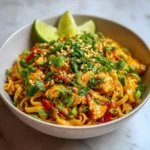
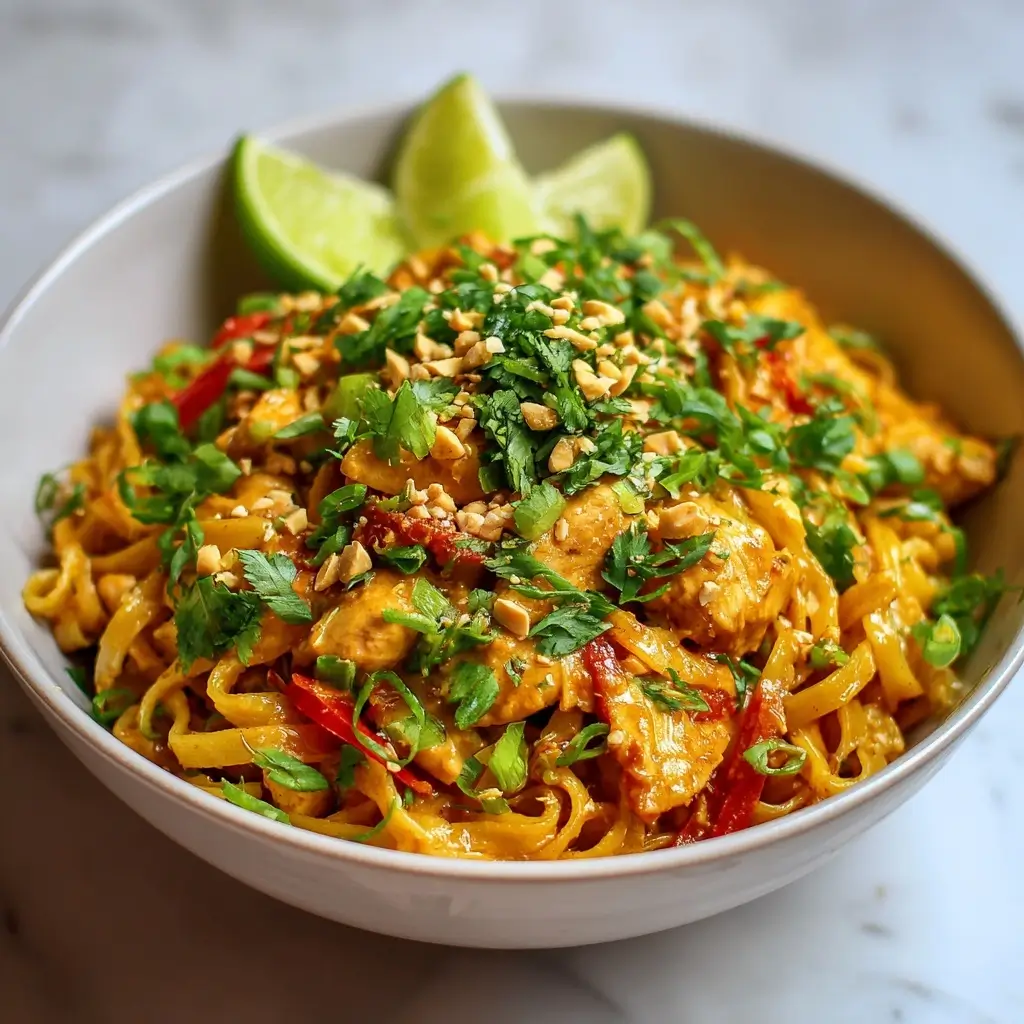
Thai Peanut Chicken Noodles is a vibrant, flavorful, and satisfying dish that brings together the bold tastes of Thai cuisine with the comforting heartiness of noodles. This beloved recipe combines tender strips of chicken, perfectly cooked rice noodles, and a rich, creamy peanut sauce that’s both sweet and savory, with just the right amount of tang and spice. Whether you’re cooking for a weeknight dinner or entertaining guests, this dish delivers an explosion of flavor in every bite. It’s a popular choice not only in Thailand but across the globe, especially in Thai restaurants where its aromatic fragrance and colorful presentation make it a standout favorite.
The History
The origins of Thai Peanut Chicken Noodles can be traced back to the rich culinary traditions of Thailand, particularly within the central and southern regions where peanuts are commonly used in sauces and curries. While there isn’t a single historical document pinpointing the exact birth of this dish, peanut-based sauces have long been a staple in Southeast Asian cooking. Influences from Chinese immigrants who brought noodle-making techniques merged with local Thai ingredients such as lemongrass, chili, lime, and fish sauce, resulting in fusion dishes like this one.
In recent decades, Thai Peanut Chicken Noodles gained international popularity through the global rise of Thai cuisine. Western palates were captivated by the balance of sweet, salty, sour, and spicy flavors—enhanced by the nutty depth of peanut butter. The dish evolved further in home kitchens and restaurants outside of Thailand, adapting to local tastes while maintaining its essential character. Today, it stands as a symbol of modern Thai fusion cooking, celebrated for its versatility and crowd-pleasing appeal.
Ingredients Breakdown
The magic of Thai Peanut Chicken Noodles lies in its harmonious blend of fresh, aromatic, and pantry-friendly ingredients. Each component plays a vital role in building layers of flavor and texture:
- Chicken Breast or Thighs: Lean and tender, chicken breast is commonly used, though thighs offer more juiciness and flavor due to their higher fat content.
- Rice Noodles: Typically flat rice sticks (like pad Thai noodles), which are gluten-free and absorb sauces beautifully without becoming mushy.
- Peanut Butter: Smooth, natural peanut butter forms the base of the sauce, providing creaminess and nuttiness. Avoid overly processed versions with added sugars and oils when possible.
- Coconut Milk: Adds richness and balances the acidity; full-fat coconut milk gives a silkier texture.
- Fish Sauce: A quintessential Thai ingredient that enhances umami and saltiness without tasting fishy when used properly.
- Lime Juice: Brings bright acidity that cuts through the richness of the peanut sauce.
- Soy Sauce or Tamari: For depth and additional saltiness; tamari is a gluten-free alternative.
- Brown Sugar or Coconut Sugar: Balances the tang and heat with a touch of caramel-like sweetness.
- Garlic and Ginger: Freshly minced for pungent, warm undertones that elevate the sauce.
- Chili Paste or Sriracha: Introduces heat; adjustable based on preference.
- Vegetables: Common additions include bell peppers, carrots, snap peas, broccoli, and cabbage for crunch and nutrition.
- Toppings: Chopped roasted peanuts, fresh cilantro, sliced green onions, lime wedges, and bean sprouts add freshness and texture.
Step-by-Step Recipe
- Prepare the Noodles: Soak rice noodles in warm water according to package instructions (usually 20–30 minutes) until pliable. Drain and set aside. If using pre-cooked style, briefly boil and rinse under cold water to prevent sticking.
- Cook the Chicken: Slice chicken into thin strips. Heat a tablespoon of oil in a large skillet or wok over medium-high heat. Add chicken and cook until golden brown and fully cooked through (about 5–7 minutes). Remove and set aside.
- Make the Peanut Sauce: In a bowl, whisk together 1/2 cup smooth peanut butter, 1/3 cup coconut milk, 3 tablespoons soy sauce, 2 tablespoons lime juice, 1–2 tablespoons brown sugar, 1 minced garlic clove, 1 teaspoon grated ginger, and 1–2 teaspoons chili paste. Adjust thickness with warm water if needed.
- Sauté the Vegetables: In the same pan, add a bit more oil if necessary. Toss in sliced bell peppers, carrots, and any other vegetables. Stir-fry for 3–4 minutes until crisp-tender.
- Combine Everything: Return the chicken to the pan. Add drained noodles and pour the peanut sauce over the mixture. Toss gently but thoroughly to coat everything evenly. Cook for another 2–3 minutes to heat through.
- Adjust Seasoning: Taste and adjust with extra lime juice for acidity, soy sauce for saltiness, sugar for sweetness, or chili for heat.
- Serve Immediately: Plate the noodles and garnish generously with chopped peanuts, cilantro, green onions, bean sprouts, and lime wedges on the side.
Tips
- Noodle Perfection: Do not over-soak rice noodles—they should be flexible but still slightly firm before stir-frying, as they’ll finish cooking in the pan.
- Sauce Consistency: The peanut sauce should be pourable but thick. Thin it gradually with warm water, vegetable broth, or extra coconut milk until it coats the back of a spoon.
- Prep Ahead: Mince garlic, grate ginger, slice veggies, and make the sauce in advance to streamline cooking.
- High Heat Cooking: Use high heat when stir-frying to achieve a slight sear on the chicken and vegetables without making them soggy.
- Avoid Clumping: Toss noodles with a little sesame or neutral oil after soaking to keep them separated.
- Balancing Flavors: Always taste and adjust the sauce before adding it to the noodles. The ideal balance should feature all four elements: sweet, salty, sour, and spicy.
- Use Fresh Ingredients: Fresh lime juice, real ginger, and raw garlic make a noticeable difference compared to powdered or bottled alternatives.
Variations and Customizations
This dish is incredibly versatile and easily adapted to suit different dietary needs and flavor preferences:
- Vegetarian/Vegan: Omit chicken and use tofu, tempeh, or chickpeas. Replace fish sauce with soy sauce or a vegan fish sauce alternative.
- Gluten-Free: Ensure tamari is used instead of soy sauce, and verify that all other ingredients (especially peanut butter) are certified gluten-free.
- Low-Carb/Keto: Substitute rice noodles with spiralized zucchini (zoodles), shirataki noodles, or kelp noodles. Use sugar-free peanut butter and replace brown sugar with a keto-approved sweetener like erythritol.
- Spicier Version: Add fresh red chilies, extra sriracha, or a dash of chili oil for intense heat.
- Milder for Kids: Reduce or eliminate chili paste and increase coconut milk for a creamier, gentler flavor.
- Different Proteins: Try shrimp, pork, beef, or even duck for a gourmet twist.
- Noodle Swaps: Use soba, udon, or even whole wheat spaghetti for a different texture and flavor profile.
- Extra Veggies: Add mushrooms, baby corn, bok choy, spinach, or kale for increased fiber and nutrients.
- Curry Twist: Stir in a spoonful of red or green Thai curry paste to deepen the flavor complexity.
- Herb Variations: Mint, Thai basil, or even parsley can complement or replace cilantro depending on availability and taste.
Health Considerations and Nutritional Value
Thai Peanut Chicken Noodles can be a nutritious meal when prepared with wholesome ingredients and balanced proportions. Here’s a breakdown of key nutritional aspects:
- Protein: Chicken provides high-quality protein essential for muscle repair and satiety. One serving (with 4 oz chicken) contains approximately 25–30g of protein.
- Healthy Fats: Peanuts and coconut milk contribute monounsaturated and medium-chain triglycerides (MCTs), which may support heart health and energy metabolism.
- Carbohydrates: Rice noodles are primarily composed of carbohydrates. A 2-ounce serving has about 40–45g carbs. Opting for legume-based or low-carb noodles can reduce glycemic impact.
- Vitamins & Minerals: Vegetables add fiber, vitamin A (from carrots), vitamin C (from bell peppers and lime), and antioxidants. Fish sauce contributes trace minerals like iodine.
- Sodium Watch: Soy sauce and fish sauce are high in sodium. To reduce salt content, use low-sodium versions or dilute with water.
- Allergens: Contains peanuts—a major allergen. Always label clearly if serving to others. Tree nuts are not typically included unless added as garnish.
- Calorie Range: Depending on portion size and ingredients, a typical serving ranges from 450–650 calories. Using less oil, leaner chicken, and reduced sugar helps lower calorie count.
- Digestive Benefits: Ginger aids digestion, while lime juice promotes gut health through citric acid and vitamin C.
When made with care, this dish offers a well-rounded macronutrient profile and can fit into various eating patterns including Mediterranean-inspired, flexitarian, or balanced omnivorous diets.
Ingredients
- 8 oz boneless, skinless chicken breasts or thighs, thinly sliced
- 8 oz dried rice noodles (flat, medium width)
- 1/2 cup smooth natural peanut butter (unsweetened)
- 1/3 cup canned full-fat coconut milk
- 3 tbsp soy sauce (or tamari for gluten-free)
- 2 tbsp fresh lime juice (about 1 lime)
- 1–2 tbsp packed brown sugar or coconut sugar
- 1 tsp fish sauce (optional, for umami depth)
- 1 clove garlic, finely minced
- 1 tsp fresh ginger, grated
- 1–2 tsp sriracha or chili garlic paste (adjust to taste)
- 2 tbsp neutral oil (like avocado or grapeseed), divided
- 1 cup shredded carrots
- 1 bell pepper (red or yellow), thinly sliced
- 1 cup sugar snap peas or broccoli florets
- 1/4 cup chopped roasted unsalted peanuts (for garnish)
- 1/4 cup fresh cilantro leaves, chopped
- 2 green onions, sliced
- Lime wedges, for serving
- Bean sprouts (optional, for crunch)
Directions
- Bring a large pot of warm water to a gentle simmer (not boiling). Place rice noodles in a large bowl and cover with hot water. Let soak for 20–30 minutes until softened but still slightly chewy. Drain and rinse under cool water. Toss with a teaspoon of oil to prevent sticking. Set aside.
- In a small bowl, prepare the sauce: Whisk together peanut butter, coconut milk, soy sauce, lime juice, brown sugar, fish sauce (if using), minced garlic, grated ginger, and chili paste until smooth. If too thick, add 2–4 tablespoons of warm water to reach a creamy, pourable consistency. Set aside.
- Heat 1 tablespoon of oil in a large non-stick skillet or wok over medium-high heat. Add chicken slices in a single layer and cook for 5–7 minutes, stirring occasionally, until golden and cooked through. Remove chicken and set aside.
- Add remaining 1 tablespoon of oil to the pan. Add carrots, bell pepper, and snap peas. Stir-fry for 3–4 minutes until vegetables are bright and crisp-tender.
- Return the cooked chicken to the pan. Add the soaked noodles and about 3/4 of the prepared peanut sauce. Toss everything together gently using tongs or two forks, ensuring even coating. Cook for 2–3 minutes to heat through.
- Taste and adjust seasoning: Add more sauce, lime juice for tang, soy sauce for saltiness, or sugar for sweetness as desired. If needed, warm additional sauce and mix in gradually.
- Remove from heat. Divide among serving bowls. Drizzle with extra sauce if preferred.
- Garnish generously with chopped peanuts, cilantro, green onions, bean sprouts, and serve with lime wedges on the side for squeezing over the top.
- Enjoy immediately while warm and fragrant!
FAQ
Can I make this ahead of time?
Yes! Prepare the sauce and chop ingredients up to 2 days in advance. Store separately in airtight containers. Assemble and cook just before serving for best texture.
How do I store leftovers?
Keep in an airtight container in the refrigerator for up to 3 days. Reheat gently in a skillet with a splash of water or coconut milk to loosen the sauce, as it thickens when chilled.
Why is my sauce too thick?
Peanut butter firms up when cooled. Simply reheat the sauce and whisk in warm water, 1 tablespoon at a time, until desired consistency is reached.
Is this dish authentic Thai?
While inspired by traditional Thai flavors, this version is considered Thai-American or fusion cuisine. Authentic Thai dishes rarely use peanut butter directly but may feature ground peanuts in certain regional recipes.
Can I freeze Thai Peanut Chicken Noodles?
Freezing is not recommended due to the dairy-like nature of coconut milk and the tendency of noodles to become mushy upon thawing. Best enjoyed fresh or refrigerated short-term.
What can I use instead of peanut butter?
Sunflower seed butter, almond butter, or cashew butter work as substitutes, though they alter the flavor slightly. For a nut-free option, try tahini (sesame paste), though the taste will be distinctly different.
Are rice noodles gluten-free?
Most rice noodles are naturally gluten-free, but always check labels to ensure no cross-contamination or additives containing gluten.
Can I bake the chicken instead of sautéing?
Absolutely. Bake seasoned chicken at 375°F (190°C) for 20–25 minutes until internal temperature reaches 165°F (74°C). Slice and add during final mixing.
Summary
Thai Peanut Chicken Noodles is a delicious fusion dish that blends tender chicken, silky rice noodles, and a luscious, flavor-packed peanut-coconut sauce infused with garlic, ginger, lime, and chili. Packed with vibrant vegetables and customizable for various diets, it’s a quick, healthy, and restaurant-worthy meal perfect for any day of the week.