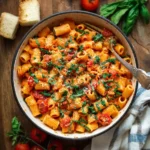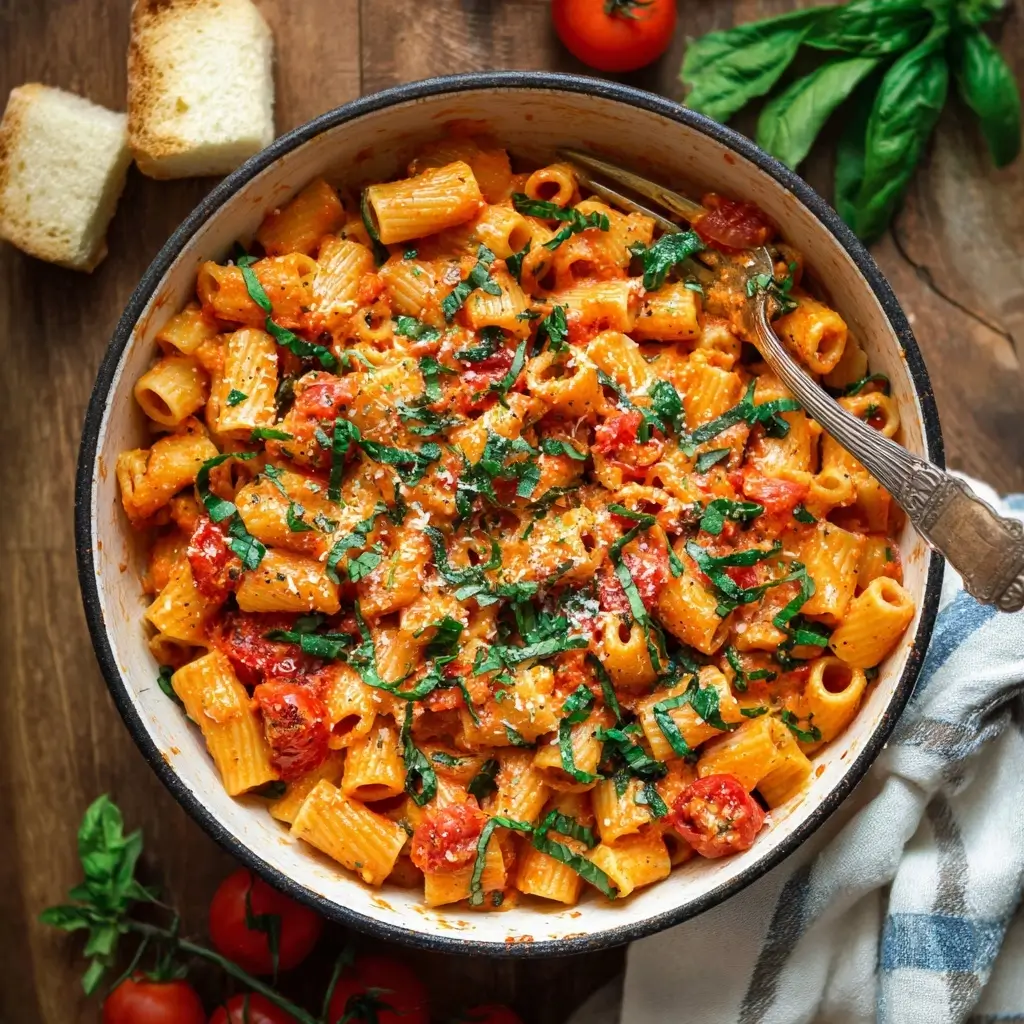
One Pot Creamy Tomato Basil Pasta: A Comfort Food Classic Made Simple
If you’re craving a rich, velvety pasta dish that hugs your soul with every bite, look no further than One Pot Creamy Tomato Basil Pasta. This modern culinary marvel has taken home kitchens and food blogs by storm, offering an indulgent yet surprisingly simple way to enjoy a restaurant-quality meal in the comfort of your own kitchen. The beauty of this recipe lies not only in its sumptuous flavor but also in its efficiency—cooked entirely in one pot, it minimizes cleanup while maximizing taste.
The History Behind the Dish
While creamy tomato-based pasta dishes have roots stretching back through Italian-American culinary traditions, the “one-pot” version is a relatively recent innovation born from the fast-paced demands of modern life. In the early 2010s, food bloggers and home cooks began experimenting with streamlined methods to recreate classic comfort foods without sacrificing depth or richness. The goal? To deliver bold flavors with minimal effort and cleanup.
One Pot Creamy Tomato Basil Pasta emerged as a standout among these innovations. It draws inspiration from traditional Italian sauces like pasta al pomodoro, enriched with cream for added silkiness—a technique popularized in American-Italian cuisine. By combining all ingredients into a single vessel, from dry pasta to fresh herbs, the method allows flavors to meld seamlessly as the starch from the pasta helps emulsify the sauce naturally. Today, it’s celebrated not just for its convenience but also for its ability to bring gourmet satisfaction to weeknight dinners.
Ingredients Breakdown: What Makes This Dish Shine
The magic of One Pot Creamy Tomato Basil Pasta comes from a harmonious blend of high-quality ingredients, each playing a crucial role in building layers of flavor and texture:
- Pasta: Short shapes like penne, rigatoni, or fusilli work best—they hold sauce beautifully and cook evenly in the broth.
- Canned Tomatoes: Whole peeled San Marzano tomatoes are ideal for their sweet, low-acidity profile. Crushed by hand or blended slightly, they form the base of the sauce.
- Fresh Garlic and Onion: These aromatics build the foundational flavor. Sautéed gently at the beginning, they infuse the oil and liquid with savory depth.
- Vegetable or Chicken Broth: Adds moisture and enhances umami. Low-sodium versions allow better control over seasoning.
- Heavy Cream: Provides the luxurious mouthfeel and balances the acidity of the tomatoes. For a lighter option, half-and-half or full-fat coconut milk can be used.
- Fresh Basil: Added at the end, its bright, herbal notes cut through the richness and elevate the entire dish.
- Parmesan Cheese: Grated finely and stirred in off the heat, it adds saltiness and a nutty complexity while helping thicken the sauce.
- Olive Oil: Used for sautéing, it contributes fruity undertones and promotes even cooking.
- Red Pepper Flakes (optional): A pinch introduces subtle heat that complements the sweetness of the tomatoes.
- Salt and Black Pepper: Essential seasonings that tie everything together.
Step-by-Step Recipe: How to Make One Pot Creamy Tomato Basil Pasta
- Gather Your Ingredients: Before starting, measure out all ingredients. Mise en place ensures smooth execution, especially since this recipe moves quickly once heated.
- Heat the Pot: Place a large, deep skillet or Dutch oven over medium heat. Add 2 tablespoons of olive oil and let it warm until shimmering but not smoking.
- Sauté Aromatics: Add 1 small diced onion and cook for 4–5 minutes until translucent and soft. Stir in 3–4 minced garlic cloves and red pepper flakes (if using) and cook for another 30 seconds until fragrant—be careful not to burn the garlic.
- Add Tomatoes and Broth: Pour in one 28-ounce can of whole peeled tomatoes (with juice). Use a wooden spoon to crush them against the side of the pot. Stir in 2 cups of low-sodium vegetable or chicken broth.
- Incorporate Pasta: Add 12 ounces (about 340g) of uncooked pasta directly into the pot. Ensure it’s fully submerged in the liquid; if needed, add a splash more broth or water.
- Simmer Until Tender: Bring the mixture to a gentle boil, then reduce to a simmer. Cook uncovered, stirring occasionally to prevent sticking, for about 15–18 minutes, or until the pasta is al dente and most of the liquid has been absorbed.
- Stir in Cream: Reduce heat to low. Slowly pour in ¾ cup of heavy cream while stirring constantly. Let it integrate smoothly into the sauce without boiling vigorously, which could cause separation.
- Add Cheese and Herbs: Remove the pot from heat. Stir in ½ cup of freshly grated Parmesan cheese and a generous handful of torn fresh basil leaves. The residual heat will melt the cheese and release the herb’s aroma.
- Taste and Adjust: Season with sea salt and freshly ground black pepper to taste. If the sauce seems too thick, loosen it with a few tablespoons of reserved pasta water or additional broth.
- Serve Immediately: Spoon the creamy pasta into warmed bowls. Garnish with extra Parmesan, a drizzle of olive oil, and a few whole basil leaves for presentation.
Tips for Perfect Results Every Time
- Don’t Rush the Aromatics: Take time to properly sweat the onions and toast the garlic. This builds a deeper flavor foundation.
- Use Quality Tomatoes: Opt for premium canned tomatoes like San Marzano DOP for superior sweetness and less bitterness.
- Stir Occasionally—but Not Too Much: Frequent stirring prevents scorching, but excessive agitation can break the pasta. Aim for every 3–4 minutes.
- Reserve Extra Liquid: Keep some broth or water on hand to adjust consistency during or after cooking.
- Avoid Overcooking: Check the pasta a minute or two before the recommended time. You want it tender with a slight bite (al dente), as it continues to absorb liquid off the heat.
- Add Dairy Off Heat: Adding cream and cheese when the pot is too hot can cause curdling. Lower the temperature first.
- Let It Rest: Allow the pasta to sit for 2–3 minutes after mixing in the cream and cheese. This helps the sauce cling better to the noodles.
- Warm Your Bowls: Serving in pre-warmed dishes keeps the pasta hotter longer, enhancing the dining experience.
Variations and Customizations
This recipe is incredibly adaptable—perfect for using up leftovers or tailoring to dietary preferences. Here are some creative ways to personalize your One Pot Creamy Tomato Basil Pasta:
- Protein-Packed Versions: Add grilled chicken strips, Italian sausage, pancetta, shrimp, or plant-based meat alternatives. Brown proteins separately and stir in at the end.
- Veggie Boost: Fold in spinach, sun-dried tomatoes, roasted red peppers, mushrooms, zucchini, or peas during the last 5 minutes of cooking.
- Dairy-Free Option: Replace heavy cream with full-fat coconut milk and use nutritional yeast or vegan Parmesan instead of dairy cheese.
- Gluten-Free Adaptation: Substitute regular pasta with gluten-free penne or rice pasta. Adjust liquid amounts slightly, as GF pastas often absorb differently.
- Spicy Kick: Increase red pepper flakes or add a dash of hot sauce like Calabrian chili paste or sriracha.
- Lemon Zest Twist: Brighten the dish with a teaspoon of lemon zest added at the end for a citrusy lift.
- Herb Swaps: Try oregano, thyme, or parsley in addition to or in place of basil for different flavor profiles.
- Cream Alternatives: Use mascarpone, ricotta thinned with milk, or cashew cream for unique textures and richness.
- Seafood Style: Add clams, mussels, or scallops in the final minutes of cooking for a luxurious twist.
- Tomato-Free Version: Use roasted red pepper puree or butternut squash purée as a creamy base for a non-tomato alternative.
Health Considerations and Nutritional Value
While undeniably decadent, One Pot Creamy Tomato Basil Pasta can be adapted to suit various health goals. Let’s break down the standard version and explore how to make it more balanced:
Nutritional Profile (per serving, approximately 1/4 of recipe):
- Calories: ~550–650 kcal
- Fat: 25–30g (mostly from cream and cheese)
- Saturated Fat: 12–15g
- Carbohydrates: 70–80g (from pasta and tomatoes)
- Fiber: 5–7g
- Protein: 15–18g
- Sodium: Varies widely based on broth and cheese—can range from 600–1000mg per serving.
- Vitamins & Minerals: Rich in lycopene (from tomatoes), calcium (dairy), vitamin C, and antioxidants from garlic and basil.
Ways to Lighten It Up:
- Swap heavy cream for half-and-half, Greek yogurt, or evaporated milk.
- Use whole wheat or legume-based pasta for increased fiber and protein.
- Reduce cheese quantity or choose lower-fat varieties.
- Increase vegetables to bulk up volume with fewer calories.
- Limit portion sizes and serve with a side salad or steamed greens.
Dietary Notes:
- Keto-Friendly? Not traditionally, due to pasta content. However, spiralized zucchini or shirataki noodles can be used as substitutes.
- Lactose Intolerant? Lactose-free cream and cheese options are widely available.
- Heart-Healthy Modifications: Focus on unsaturated fats (olive oil), limit sodium, and incorporate heart-friendly veggies like spinach and bell peppers.
Complete Ingredient List
- 2 tbsp extra-virgin olive oil
- 1 medium yellow onion, finely diced
- 3–4 garlic cloves, minced
- ¼ tsp red pepper flakes (optional)
- 1 (28 oz) can whole peeled San Marzano tomatoes (with juices)
- 2 cups low-sodium vegetable or chicken broth
- 12 oz (340g) short-cut pasta (penne, rigatoni, or fusilli)
- ¾ cup heavy cream (or substitute)
- ½ cup freshly grated Parmesan cheese, plus extra for serving
- ½ cup fresh basil leaves, loosely packed and torn
- Salt and freshly ground black pepper, to taste
- (Optional additions: cooked chicken, shrimp, spinach, mushrooms, etc.)
Detailed Directions
- In a large, heavy-bottomed pot or deep skillet, heat olive oil over medium heat.
- Add diced onion and sauté for 4–5 minutes until soft and translucent. Do not brown.
- Stir in minced garlic and red pepper flakes. Cook for 30 seconds until fragrant.
- Pour in the canned tomatoes with their juice. Use a wooden spoon to crush the tomatoes coarsely in the pot.
- Add the broth and stir well to combine.
- Place the uncooked pasta into the pot, ensuring it’s submerged. Add a splash more broth or water if necessary.
- Bring the mixture to a boil, then reduce heat to maintain a steady simmer.
- Cook uncovered for 15–18 minutes, stirring every 3–4 minutes, until pasta is al dente and liquid is mostly absorbed.
- Lower the heat to minimum. Stir in the heavy cream gradually until the sauce becomes silky and uniform.
- Remove the pot from heat. Immediately stir in Parmesan cheese and fresh basil.
- Season generously with salt and pepper. Taste and adjust—remember, the cheese adds saltiness.
- If the sauce is too thick, thin it with 2–4 tablespoons of warm broth or water.
- Let rest for 2–3 minutes to allow flavors to settle and sauce to thicken slightly.
- Serve hot, garnished with extra Parmesan, a drizzle of olive oil, and fresh basil leaves.
Frequently Asked Questions (FAQ)
Can I make this ahead of time?
Yes, though it’s best served fresh. Reheat gently on the stove with a splash of broth or water to restore creaminess. Avoid microwaving if possible, as it can separate the sauce.
How long does leftovers last?
Store in an airtight container in the refrigerator for up to 4 days. The pasta will continue absorbing liquid, so expect a thicker texture upon reheating.
Can I freeze creamy tomato basil pasta?
Freezing is not recommended due to the dairy content—cream and cheese may separate and become grainy upon thawing. For best quality, enjoy within a few days.
Why did my sauce turn out watery?
This usually happens if too much liquid was used or the pasta wasn’t cooked long enough to absorb it. Simmer uncovered a bit longer to reduce, or remove some liquid before adding cream.
Why is my sauce too thick?
Over-reduction or excess cheese can lead to a dense texture. Loosen with warm broth, water, or cream until desired consistency is reached.
Can I use dried basil instead of fresh?
You can, but fresh basil is strongly preferred for its vibrant flavor. If using dried, reduce the amount to 1–2 teaspoons and add earlier in the cooking process.
Is this recipe suitable for vegetarians?
Yes! Just ensure you’re using vegetable broth and check that your pasta doesn’t contain egg (some brands do).
Can I double the recipe?
Yes, but use a very large pot to avoid overflow. Doubling may require slightly longer cooking times and careful monitoring to prevent burning.
What kind of pan should I use?
A heavy-bottomed Dutch oven or deep stainless steel/silicone-coated skillet works best. Avoid thin pans that heat unevenly.
Can I cook this in an Instant Pot?
Absolutely! Sauté onions and garlic, add remaining ingredients (except cream and cheese), pressure cook on high for 4 minutes, quick release, then stir in cream and Parmesan. Finish with basil.
Summary
One Pot Creamy Tomato Basil Pasta is a luscious, satisfying dish that combines ease, elegance, and deep flavor—all in a single pan. With its velvety texture, aromatic herbs, and customizable options, it’s the ultimate comfort meal for busy nights and special gatherings alike.