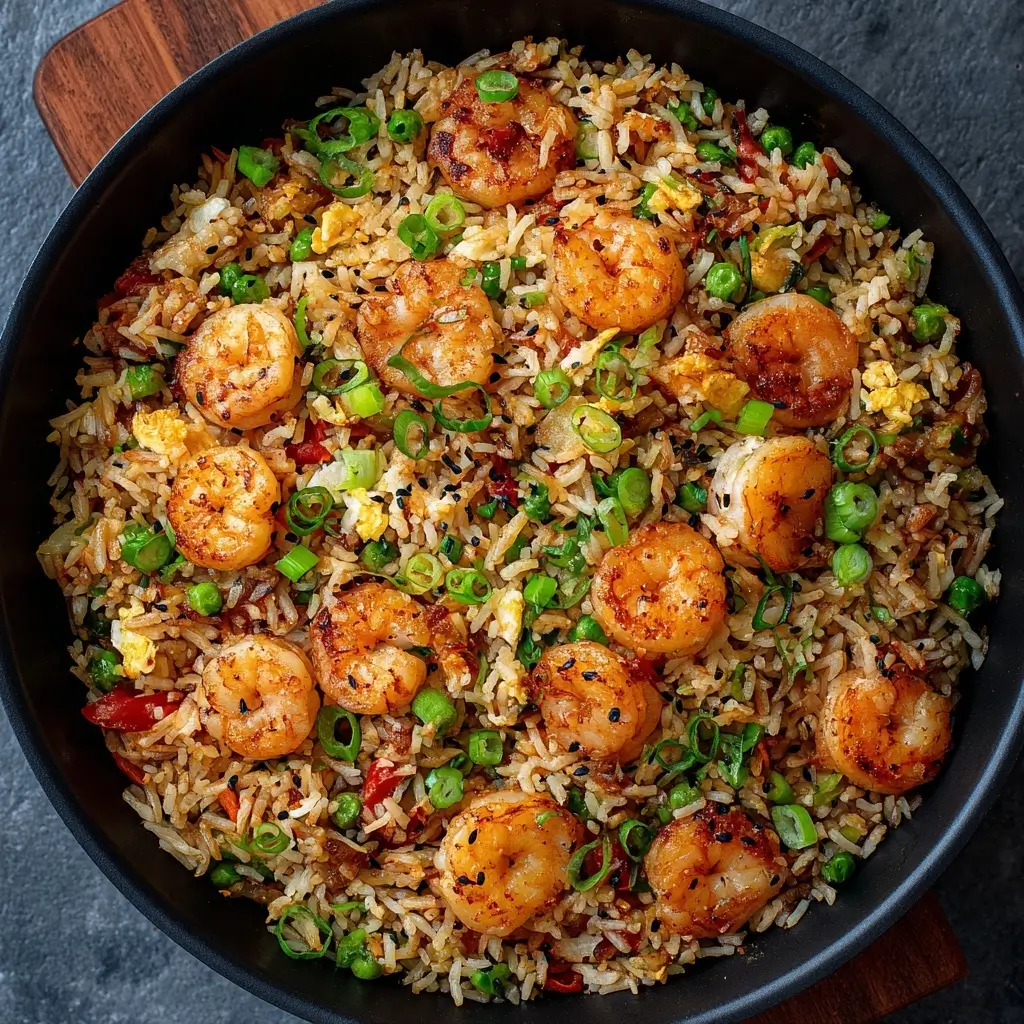
Shrimp Fried Rice Better Than Takeout
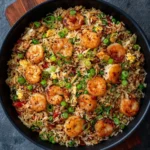
If you’re a fan of takeout-style fried rice but want something fresher, healthier, and bursting with flavor—look no further than this homemade Shrimp Fried Rice Better Than Takeout. Packed with plump shrimp, fluffy long-grain rice, colorful vegetables, and the perfect balance of savory umami from soy sauce and sesame oil, this dish rivals any restaurant version. With just a few simple ingredients and smart cooking techniques, you can create a restaurant-quality meal in your own kitchen that’s not only tastier but also more nutritious and cost-effective.
The History of Fried Rice
Fried rice is one of the most iconic dishes in Chinese cuisine, with roots tracing back to the Sui Dynasty (589–618 AD). The concept was born out of necessity—using leftover rice the next day to prevent waste. Over time, regional variations emerged across China and later spread throughout Southeast Asia, each adapting to local tastes and ingredients. In Cantonese cuisine, where this dish originates, fried rice is typically made with cold, day-old rice, eggs, scallions, and a protein like chicken, pork, or shrimp.
In Western countries, particularly the United States, fried rice became a staple of Chinese-American takeout menus. While convenient, many restaurant versions are loaded with excess oil, sodium, preservatives, and lower-quality proteins. That’s why mastering the art of making shrimp fried rice at home allows you to elevate the dish—controlling ingredients, reducing sodium, boosting freshness, and adding premium components for a truly superior experience. This recipe captures the essence of authentic Cantonese fried rice while enhancing it with modern culinary insights to make it better than anything you’d get delivered.
Ingredients Breakdown: Why Each One Matters
The magic of great fried rice lies not just in technique but in the quality and function of each ingredient. Here’s a detailed look at what goes into this exceptional shrimp fried rice and why it makes such a difference:
- Cold Cooked Long-Grain White Rice: Preferably jasmine or basmati rice, cooked and refrigerated overnight. Cold rice has less moisture, which prevents mushiness and ensures each grain stays separate and slightly crispy when stir-fried.
- Raw Shrimp (Peeled & Deveined): Medium to large-sized shrimp add sweetness and texture. Using fresh or properly thawed frozen shrimp ensures juiciness and avoids rubbery results.
- Eggs: Scrambled into fine curds before mixing into the rice, they provide richness and body. Free-range or omega-3 eggs enhance both flavor and nutrition.
- Vegetables: A vibrant mix of peas, carrots, bell peppers, and green onions adds color, crunch, and essential nutrients. Freshness is key here—avoid canned or overly processed veggies.
- Garlic and Ginger: These aromatics form the flavor foundation, giving the dish depth and warmth without overpowering.
- Soy Sauce (Low-Sodium Preferred): Adds saltiness and umami. We use a combination of light soy for flavor and dark soy (optional) for color and subtle sweetness.
- Oyster Sauce: Not traditional in all fried rice recipes, but it deepens the savory profile and gives a glossy finish.
- Sesame Oil: A finishing touch that imparts a nutty aroma and elevates the overall fragrance.
- Neutral Oil (like Avocado or Canola): High smoke point oils are ideal for high-heat stir-frying without burning.
- White Pepper: Milder than black pepper, it blends seamlessly into the dish with a gentle heat.
Optional enhancements include a splash of dry sherry or rice wine for complexity, a pinch of MSG (or mushroom powder for natural umami), and garnishes like cilantro or toasted sesame seeds.
Step-by-Step Recipe: How to Make Shrimp Fried Rice That Outshines Takeout
- Prepare All Ingredients Ahead of Time (Mise en Place): Stir-frying happens quickly, so have everything chopped, measured, and ready near the stove. This includes cold rice broken up into grains, shrimp patted dry, vegetables diced uniformly, and sauces mixed in a small bowl.
- Heat Your Wok or Skillet Over High Heat: Use a carbon steel wok if possible, or a large nonstick skillet. Heat until very hot—almost smoking—to achieve proper sear and “wok hei” (the breath of the wok), that elusive smoky flavor found in professional kitchens.
- Add Neutral Oil and Cook Shrimp: Swirl in 1 tablespoon of oil. Add shrimp in a single layer and sear for about 1–2 minutes per side until pink and opaque. Remove immediately to prevent overcooking and set aside.
- Scramble the Eggs: Add another drizzle of oil, then pour in beaten eggs. Let them begin to set, then gently scramble into soft curds. Remove and reserve with the shrimp.
- Sauté Aromatics and Vegetables: Add more oil if needed. Toss in minced garlic and ginger, stir for 15 seconds until fragrant, then add carrots and bell peppers. Stir-fry for 2–3 minutes until crisp-tender. Add peas last (they cook faster).
- Add Rice and Break It Up: Pour in the cold rice. Use a spatula to break apart clumps, pressing down and stirring constantly to distribute heat evenly. Let the rice fry for 2–3 minutes, allowing some grains to develop a light golden crust.
- Pour in Sauce Mixture: Combine 2 tablespoons low-sodium soy sauce, 1 tablespoon oyster sauce, 1 teaspoon sesame oil, and (optional) 1 teaspoon rice wine in a bowl. Drizzle over rice and toss thoroughly to coat every grain. Avoid dumping all at once; add gradually for even distribution.
- Return Shrimp and Eggs: Gently fold in the cooked shrimp and scrambled eggs. Continue tossing for another 1–2 minutes until everything is heated through.
- Finish with Green Onions: Stir in sliced scallions (both white and green parts) for freshness and color contrast.
- Taste and Adjust Seasoning: Add a pinch of white pepper, a dash more soy sauce, or a sprinkle of flaky sea salt if needed. For brightness, a tiny squeeze of lime juice works wonders.
- Serve Immediately: Plate while hot, ideally in shallow bowls to showcase the vibrant colors and textures.
Tips for Perfect Shrimp Fried Rice Every Time
- Use Day-Old Rice: Freshly cooked rice releases too much steam and turns gummy. Refrigerated rice dries out slightly, resulting in distinct, non-sticky grains.
- Don’t Skip the Chill: If you don’t have leftover rice, cook it ahead and spread it on a tray in the fridge for at least 2 hours—or freeze briefly for 15 minutes to reduce moisture.
- High Heat Is Crucial: This isn’t a slow-cooked dish. Fast, intense heat ensures caramelization and prevents sogginess.
- Work in Batches if Necessary: Overcrowding the pan lowers the temperature and steams instead of fries. Cook proteins and veggies separately if your pan isn’t large enough.
- Pat Dry Ingredients: Moisture is the enemy of crisp fried rice. Always dry shrimp, tofu, or vegetables before adding them.
- Season in Layers: Don’t rely solely on soy sauce at the end. Light seasoning during each stage builds deeper flavor.
- Minimize Soy Sauce Splashes: Mix sauces together first and drizzle around the sides of the wok so they sizzle and caramelize before blending in.
- Keep It Loose: The finished rice should be fluffy and separate, not clumped or wet. If it seems sticky, return to heat and stir-fry a bit longer.
Variations and Customizations
This shrimp fried rice recipe is incredibly versatile. Once you master the base, feel free to experiment with these delicious twists:
- Protein Swaps: Replace shrimp with diced chicken, thinly sliced beef, Chinese sausage (lap cheong), char siu pork, or even flaked salmon. For vegetarian options, try tofu, tempeh, or edamame.
- Rice Alternatives: Try brown rice, cauliflower rice (for low-carb), or quinoa for different textures and nutritional profiles. Note: cauliflower rice releases water, so sauté it first to remove moisture.
- Veggie Boosts: Add broccoli florets, mushrooms, corn, bok choy, zucchini, or bean sprouts. Just ensure they’re cut small and pre-cooked if necessary.
- Spicy Kick: Stir in sriracha, chili garlic sauce, or red pepper flakes. Top with sliced fresh Thai chilies or a drizzle of chili oil for extra heat.
- Pineapple Shrimp Fried Rice: Add diced fresh pineapple, cashews, and a touch of curry powder for a sweet-and-savory Thai-inspired twist.
- Kimchi Fried Rice: Swap half the soy sauce for kimchi juice and add chopped kimchi, gochujang, and a fried egg on top for a Korean fusion version.
- Lemon-Herb Fusion: Finish with lemon zest, chopped parsley or cilantro, and a hint of garlic butter for a Mediterranean flair.
Health Considerations and Nutritional Value
Compared to typical takeout versions—which can pack over 1,000 calories, 2,000 mg of sodium, and unhealthy trans fats—this homemade shrimp fried rice is a far healthier alternative. By controlling ingredients, you significantly improve its nutritional profile:
- Calories: Approximately 350–400 per serving (1.5 cups), depending on oil and portion size.
- Protein: Around 20–25g per serving, thanks to shrimp and eggs—supporting muscle repair and satiety.
- Carbohydrates: ~45g from rice and vegetables. Opt for brown rice to increase fiber (~5g per serving) and lower glycemic impact.
- Fats: Mostly unsaturated from healthy oils and shrimp. Limit added oil to 1–2 tablespoons total for heart-friendly preparation.
- Sodium: Keep under 600mg per serving by using low-sodium soy sauce and minimizing additional salt.
- Vitamins & Minerals: Rich in vitamin A (carrots, bell peppers), vitamin C (peppers, peas), iron (shrimp), selenium (seafood), and B vitamins (eggs, rice).
To make it even healthier:
- Reduce oil using a good nonstick pan or well-seasoned wok.
- Increase vegetable ratio to 50% of the dish for more fiber and antioxidants.
- Avoid MSG or use natural substitutes like dried mushrooms or nutritional yeast.
- Serve with a side of miso soup or steamed greens for a balanced meal.
Ingredients
- 3 cups cold cooked long-grain white rice (preferably jasmine)
- 12 oz raw shrimp, peeled and deveined
- 3 large eggs, lightly beaten
- 1 cup frozen peas and carrots blend, thawed
- 1/2 red bell pepper, finely diced
- 4 green onions, sliced (whites and greens separated)
- 3 cloves garlic, minced
- 1 tbsp fresh ginger, grated
- 3 tbsp neutral oil (avocado, canola, or vegetable), divided
- 2 tbsp low-sodium soy sauce
- 1 tbsp oyster sauce (use vegetarian oyster sauce if desired)
- 1 tsp toasted sesame oil
- 1/2 tsp white pepper
- Optional: 1 tsp rice wine or dry sherry, pinch of sugar, splash of lime juice
Directions
- Break up the cold rice with your hands or a fork to ensure no large clumps remain.
- In a small bowl, whisk together soy sauce, oyster sauce, sesame oil, and rice wine (if using). Set aside.
- Heat a wok or large skillet over high heat until smoking hot. Add 1 tablespoon of oil, swirl to coat.
- Add shrimp in a single layer; sear for 1–2 minutes per side until pink and curled. Remove and set aside.
- Add another tablespoon of oil. Pour in beaten eggs; scramble gently until soft curds form. Remove and combine with shrimp.
- Add remaining oil. Stir in garlic and ginger; cook 15 seconds until fragrant.
- Add carrots, bell pepper, and white parts of green onions. Stir-fry 2–3 minutes until tender-crisp.
- Add peas; cook 1 minute more. Push veggies to one side.
- Add rice to center of wok. Spread out and press down with spatula. Stir-fry 2–3 minutes, tossing occasionally, until grains are heated through and lightly toasted.
- Pour sauce mixture around the edge of the wok so it sizzles and caramelizes. Quickly toss everything together.
- Return shrimp and eggs to the wok. Add green onion tops. Stir-fry 1–2 minutes until fully combined and hot.
- Taste and adjust seasoning with white pepper, a pinch of salt, or lime juice.
- Serve immediately in warm bowls, optionally garnished with extra scallions, sesame seeds, or a fried egg on top.
FAQ
Can I use frozen shrimp?
Yes, just thaw them completely in cold water and pat dry before cooking. Never cook frozen shrimp directly—it will release water and steam instead of searing.
Why is my fried rice soggy?
Most likely due to using warm or freshly cooked rice, overcrowding the pan, or adding too much sauce. Always use chilled rice and measure liquids carefully.
Can I make this ahead of time?
Fried rice is best served fresh, but you can prep ingredients (rice, chop veggies, marinate shrimp) up to a day in advance. Assemble and cook just before serving.
Is this gluten-free?
Traditional soy sauce contains wheat. Use tamari or certified gluten-free soy sauce to make it GF. Also confirm oyster sauce is gluten-free or substitute with coconut aminos.
How do I store leftovers?
Cool completely and refrigerate in an airtight container for up to 3 days. Reheat in a skillet over medium heat with a splash of water or oil to restore texture.
Can I freeze shrimp fried rice?
Yes, though texture may soften slightly upon thawing. Freeze in portions and reheat in a pan for best results.
What kind of rice is best?
Jasmine or long-grain white rice holds its shape well and doesn’t get sticky. Avoid short-grain or sushi rice unless you prefer a chewier texture.
Summary
This Shrimp Fried Rice recipe delivers bold, restaurant-quality flavor with fresh, wholesome ingredients you control—making it genuinely better than any takeout. Quick to prepare, endlessly customizable, and packed with protein and veggies, it’s a weeknight dinner hero that satisfies cravings and nourishes the body.