Garlic Rosemary Roasted Lamb Chops: A Culinary Masterpiece of Flavor and Tradition
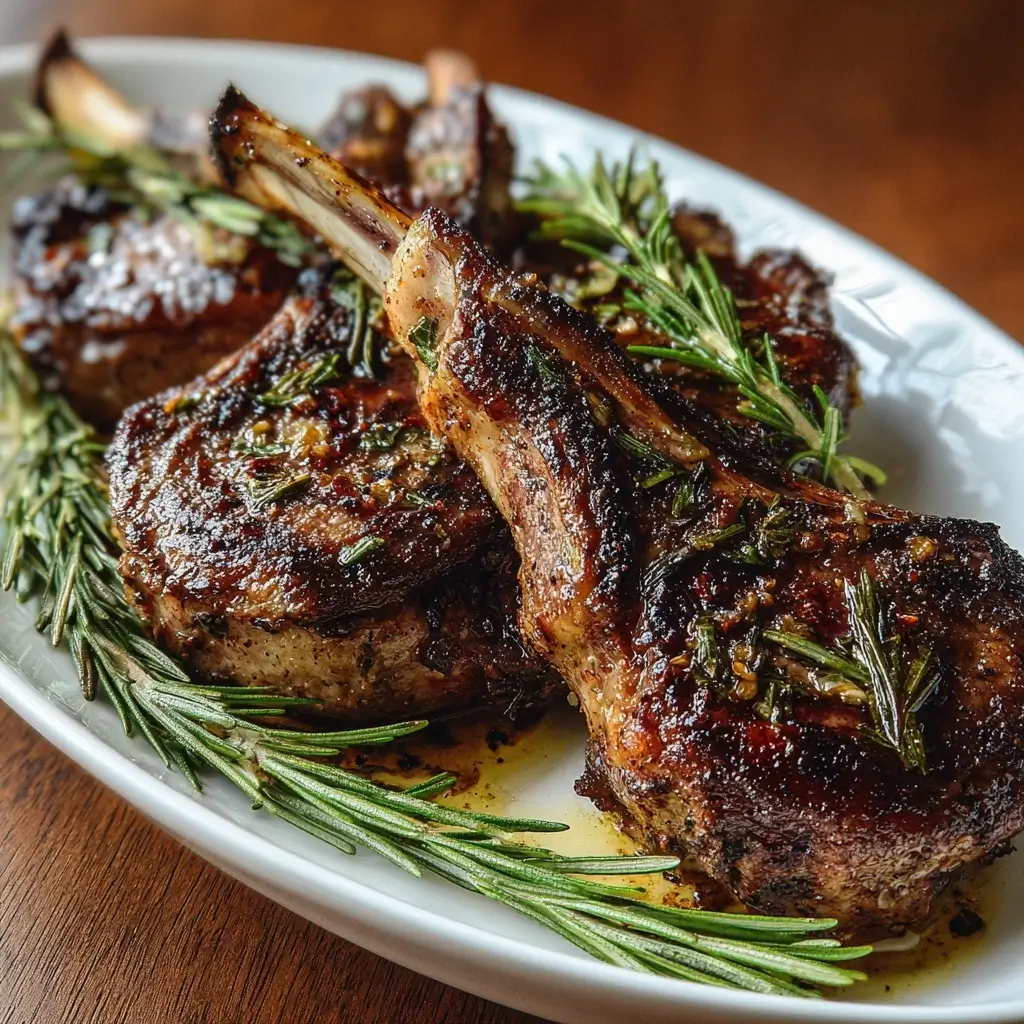
Lamb chops are one of the most luxurious cuts of meat, prized for their tenderness, rich flavor, and melt-in-the-mouth texture. When elevated with the bold aroma of garlic and the earthy fragrance of rosemary, they transform into a gourmet dish that’s both rustic and elegant. Garlic Rosemary Roasted Lamb Chops are not just a meal—they’re an experience. Whether served at a family dinner, romantic evening, or festive holiday gathering, this recipe brings warmth, sophistication, and unforgettable taste to the table.
The History Behind the Dish
Lamb has been a staple in human diets for thousands of years, dating back to ancient civilizations across the Mediterranean, Middle East, and Central Asia. Sheep were among the first animals domesticated by early humans, and lamb quickly became associated with celebration, sacrifice, and feasting due to its tender meat and cultural significance.
In regions like Greece, Italy, France, and Morocco, lamb is prepared with aromatic herbs such as rosemary, thyme, oregano, and garlic—ingredients that grow abundantly in the region’s sun-drenched hills. The combination of lamb with rosemary and garlic dates back centuries, where it was believed that rosemary could aid digestion and enhance the richness of fatty meats like lamb.
Rosemary, native to the Mediterranean coast, has long been revered not only for its culinary uses but also for its symbolic meaning—representing remembrance, loyalty, and protection. In medieval times, rosemary sprigs were worn by guests at weddings and placed under pillows to ward off nightmares. Its strong pine-like scent pairs perfectly with the robust flavor of lamb, cutting through the fat and adding a layer of herbal complexity.
Roasting, one of the oldest cooking methods, allows the natural juices of the lamb to caramelize while forming a delicious crust on the outside. This technique has evolved over time—from open-fire roasting to modern oven baking—but the essence remains unchanged: high heat, simple seasonings, and respect for quality ingredients. Today, Garlic Rosemary Roasted Lamb Chops stand as a testament to timeless culinary traditions, blending history, culture, and flavor into every bite.
Ingredients Breakdown: Why Each One Matters
The magic of this dish lies in its simplicity and the synergy between a few high-quality ingredients. Here’s what goes into making perfect Garlic Rosemary Roasted Lamb Chops—and why each component plays a crucial role:
- Lamb Chops (Frenched Rib Chops or Loin Chops): These cuts come from the rib or loin section of the lamb and are known for their tenderness and marbling. Frenched rib chops have the bone cleaned for an elegant presentation, ideal for special occasions.
- Fresh Rosemary: More than just a garnish, fresh rosemary infuses the meat with its woody, slightly camphorous aroma. It stands up well to high heat and complements the gaminess of lamb without overpowering it.
- Garlic (Fresh Cloves): Minced or thinly sliced garlic releases its pungent, sweet-savory compounds when roasted, creating golden-brown flecks that add depth and umami richness to the crust.
- Olive Oil (Extra Virgin): Acts as a carrier for flavors, helps crisp the exterior, and keeps the meat moist during roasting. Extra virgin olive oil adds a fruity note that enhances the overall profile.
- Kosher Salt: Essential for enhancing natural flavors and drawing out moisture to promote browning. Kosher salt is preferred for its clean taste and even distribution.
- Freshly Ground Black Pepper: Adds a subtle heat and complexity, balancing the sweetness of the meat and herbs.
- Lemon Zest (Optional but Recommended): A small amount brightens the dish, cutting through the richness and adding a citrusy lift that makes the flavors pop.
- Shallot or Red Onion (Finely Minced – Optional): Adds a mild allium sweetness that blends beautifully with garlic and rosemary, especially if making a pan sauce afterward.
- Dijon Mustard (Optional Marinade Base): Helps bind the rub to the meat and adds tanginess, which balances the fat content of the lamb.
- Balsamic Glaze or Reduction (For Finishing – Optional): Drizzled lightly after roasting, it adds a touch of sweetness and acidity, elevating the dish to restaurant-quality status.
Each ingredient serves a purpose—not just for flavor, but also for texture, aroma, and visual appeal. Using fresh, high-quality components ensures the best possible outcome.
Step-by-Step Recipe: How to Make Perfect Garlic Rosemary Roasted Lamb Chops
Ingredients (Serves 2–3)
- 8–10 lamb rib chops (about 1.5 inches thick)
- 4 cloves garlic, minced
- 2 tablespoons fresh rosemary leaves, finely chopped (plus extra whole sprigs for roasting)
- 3 tablespoons extra virgin olive oil
- 1 teaspoon kosher salt (adjust to taste)
- ½ teaspoon freshly ground black pepper
- 1 teaspoon lemon zest (from about half a lemon)
- 1 tablespoon Dijon mustard (optional)
- 1 shallot, finely minced (optional)
- 2 sprigs fresh rosemary (for the roasting pan)
- 2 garlic cloves, smashed (for the roasting pan)
Directions
- Prepare the Lamb Chops: Pat the lamb chops dry with paper towels. This step is essential for achieving a good sear and preventing steaming in the oven.
- Make the Herb Rub: In a small bowl, combine minced garlic, chopped rosemary, olive oil, salt, pepper, lemon zest, minced shallot (if using), and Dijon mustard (if using). Mix into a thick paste.
- Season the Chops: Generously coat each lamb chop on both sides with the herb mixture. Use your hands to massage it into the meat, ensuring full coverage. For deeper flavor, cover and refrigerate for 2–4 hours (or up to overnight).
- Bring to Room Temperature: Remove the seasoned chops from the refrigerator 30 minutes before cooking. This promotes even cooking and prevents the center from being too cold.
- Preheat Oven: Preheat your oven to 400°F (200°C). Place a heavy-duty oven-safe skillet (like cast iron) or a roasting pan inside to heat up. A hot pan ensures a beautiful sear.
- Sear the Chops: Carefully remove the hot pan from the oven. Add a splash of olive oil, then place the lamb chops in the pan in a single layer. Sear for 2–3 minutes per side until deeply browned. Work in batches if needed to avoid overcrowding.
- Add Aromatics: After searing, scatter smashed garlic cloves and fresh rosemary sprigs around the chops in the pan. Spoon some of the rendered fat over the top to baste them.
- Roast in Oven: Transfer the entire pan to the preheated oven. Roast for 6–10 minutes for medium-rare (internal temperature of 130–135°F / 54–57°C), or 10–12 minutes for medium (140°F / 60°C). Cooking time depends on thickness and desired doneness.
- Rest the Meat: Remove the chops from the oven and transfer to a plate or cutting board. Tent loosely with foil and let rest for 5–10 minutes. This allows the juices to redistribute, resulting in juicier, more flavorful meat.
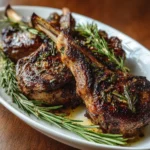
- Serve: Arrange the lamb chops on a warm platter. Garnish with additional fresh rosemary and a twist of lemon zest. Optionally drizzle with balsamic glaze or serve with a red wine reduction.
Tips for Success: Expert Techniques for Restaurant-Quality Results
- Choose Quality Lamb: Look for bright pink meat with creamy white fat. Grass-fed or pasture-raised lamb often has better flavor and texture.
- Don’t Skip the Sear: Searing creates a Maillard reaction—the chemical process that produces complex flavors and a rich, caramelized crust.
- Use a Meat Thermometer: Guessing doneness can lead to overcooked lamb. Insert an instant-read thermometer into the thickest part of the chop (avoiding the bone) for accuracy.
- Resting is Non-Negotiable: Cutting into lamb too soon causes precious juices to spill out, leaving the meat dry.
- Cast Iron is Key: A preheated cast-iron skillet retains heat exceptionally well, ensuring an even roast and consistent browning.
- Don’t Overcrowd the Pan: If too many chops are in the pan, they steam instead of sear. Cook in batches if necessary.
- Enhance with Pan Juices: After removing the lamb, deglaze the pan with red wine, beef broth, or balsamic vinegar to create a quick, flavorful sauce.
- Let the Herbs Shine: Always use fresh rosemary—dried versions lack the vibrant aroma and can taste dusty.
Variations and Customizations: Make It Your Own
This recipe is incredibly versatile. Here are several creative twists to personalize your Garlic Rosemary Roasted Lamb Chops:
- Mediterranean Style: Add crumbled feta, olives, sun-dried tomatoes, and oregano. Serve over couscous or Greek salad.
- Provençal Herbs de Provence: Replace some rosemary with herbes de Provence blend for a French countryside flair.
- Spiced North African Version: Incorporate cumin, coriander, smoked paprika, and harissa paste into the rub. Serve with mint yogurt and flatbread.
- Asian Fusion: Swap rosemary for fresh thyme and add ginger, soy sauce, and sesame oil. Finish with scallions and toasted sesame seeds.
- Citrus-Herb Marinade: Add orange juice and zest along with lemon for a brighter, fruit-forward profile.
- Coffee-Chili Crust: Mix finely ground coffee, chili powder, brown sugar, and smoked paprika into the rub for a bold, smoky contrast.
- Stuffed Chops: Butterfly the chops and stuff with spinach, goat cheese, sun-dried tomatoes, or blue cheese before roasting.
- Keto & Low-Carb Friendly: Naturally low in carbs, this dish fits perfectly into ketogenic or paleo diets. Serve with roasted vegetables or cauliflower mash.
- Grill Option: Instead of roasting, finish the chops on a hot grill for charred lines and a smoky flavor.
Health Considerations and Nutritional Value
While lamb is rich in flavor, it’s important to understand its nutritional profile and how to enjoy it as part of a balanced diet.
Nutritional Benefits
- High-Quality Protein: Lamb provides all nine essential amino acids, supporting muscle growth and repair.
- Rich in Iron: Especially heme iron, which is easily absorbed and helps prevent anemia.
- Vitamin B12: Crucial for nerve function and red blood cell formation.
- Zinc: Supports immune health and wound healing.
- Selenium: An antioxidant mineral that protects cells from damage.
- Conjugated Linoleic Acid (CLA): Found in grass-fed lamb, CLA may have anti-inflammatory and fat-burning properties.
Considerations
- Saturated Fat Content: Lamb contains more saturated fat than poultry or fish. Opt for leaner cuts and moderate portion sizes (3–4 oz per serving).
- Cholesterol: As with all red meats, lamb contains dietary cholesterol. Those with heart conditions should consume in moderation.
- Cooking Method Matters: Roasting and searing are healthier than deep-frying. Avoid charring excessively, as burnt meat may contain harmful compounds like heterocyclic amines (HCAs).
- Portion Control: Stick to 1–2 chops per person. Pair with fiber-rich sides like roasted Brussels sprouts, asparagus, or quinoa.
When enjoyed occasionally and paired with vegetables, healthy fats, and whole grains, Garlic Rosemary Roasted Lamb Chops can be a nutritious and satisfying part of a well-rounded diet.
Frequently Asked Questions (FAQ)
Q: Can I make this recipe without searing?
A: While you can roast the chops directly in the oven, skipping the sear will result in less flavor and a less appealing texture. Searing locks in juices and builds a savory crust.
Q: What’s the best cut of lamb for roasting?
A: Frenched rib chops and loin chops are ideal due to their tenderness and optimal fat-to-meat ratio. Shoulder chops are cheaper but tougher and better suited for slow cooking.
Q: How do I know when lamb chops are done?
A: Use a meat thermometer. Medium-rare is 130–135°F (54–57°C), medium is 140°F (60°C), and well-done is 150°F+ (65°C+). Note that temperature rises 5–10 degrees during resting.
Q: Can I marinate the lamb overnight?
A: Yes! Overnight marinating enhances flavor penetration. Just keep it covered in the fridge and bring to room temperature before cooking.
Q: Are there vegetarian substitutes for this recipe?
A: Portobello mushrooms or eggplant steaks can mimic the texture and absorb similar flavors, though they won’t replicate the richness of lamb.
Q: Can I use dried rosemary instead of fresh?
A: Fresh is always better, but if necessary, use 1 teaspoon dried rosemary for every tablespoon of fresh. Crush it well before mixing.
Q: What sides pair well with roasted lamb chops?
A: Excellent options include garlic mashed potatoes, roasted root vegetables, green beans almondine, arugula salad with shaved Parmesan, or creamy polenta.
Q: Can I freeze cooked lamb chops?
A: Yes, but texture may degrade slightly. Freeze in an airtight container for up to 3 months. Reheat gently in the oven to preserve moisture.
Summary
Garlic Rosemary Roasted Lamb Chops combine succulent meat with fragrant herbs and bold aromatics for a dish that’s both elegant and deeply satisfying. With precise technique and quality ingredients, this recipe delivers gourmet results in under an hour.