Introduction
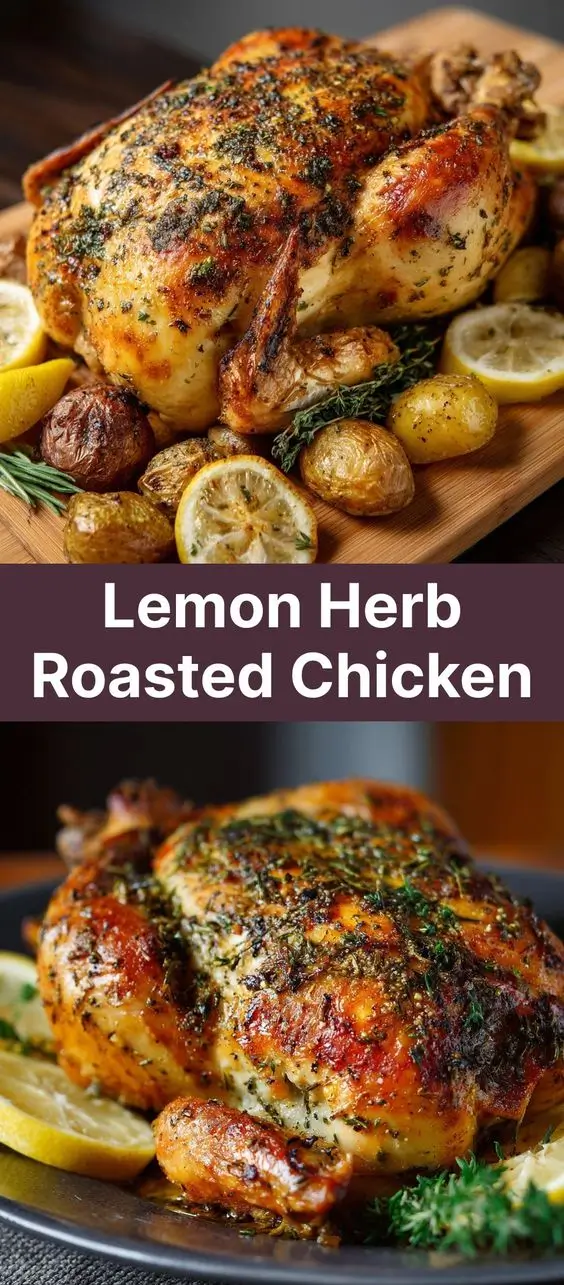
Lemon Herb Roasted Chicken is a culinary masterpiece that combines simplicity with elegance, delivering a dish that’s both comforting and impressive enough for dinner parties. This classic recipe brings together the bright, zesty tang of fresh lemons with the earthy aroma of herbs, creating a harmonious blend that elevates tender chicken to new heights. Whether you’re cooking for your family on a weeknight or hosting guests on a special occasion, this dish never fails to delight. The golden-brown, crisp skin encases juicy, flavorful meat infused with citrus and aromatic seasonings, making every bite a celebration of taste and texture.
The beauty of Lemon Herb Roasted Chicken lies not only in its exquisite flavor but also in its versatility. It can be served alongside roasted vegetables, mashed potatoes, rice pilaf, or a fresh garden salad, adapting effortlessly to any meal setting. Its preparation is straightforward, requiring minimal hands-on time while delivering maximum impact. Once you master this recipe, you’ll find yourself returning to it again and again—each roast bringing warmth, nourishment, and the comforting scent of home-cooked goodness wafting through your kitchen.
The History
The tradition of roasting chicken dates back thousands of years, with evidence suggesting that ancient civilizations such as the Greeks, Romans, and Persians all enjoyed various forms of roasted poultry. Chickens were domesticated over 4,000 years ago, originally used more for religious ceremonies and cockfighting than for food. However, by the time of the Roman Empire, roasted chicken had become a staple at feasts and banquets, often seasoned with herbs, honey, and wine.
The addition of lemon and herbs to roasted chicken likely emerged from Mediterranean culinary practices, where citrus fruits and aromatic plants grow abundantly. In countries like Greece, Italy, and Southern France, lemons have long been used to enhance the flavor of meats, seafood, and vegetables. The acidity cuts through fat, tenderizes proteins, and brightens rich dishes—making it an ideal companion to roasted chicken.
Herbs such as rosemary, thyme, sage, and parsley have been used since antiquity for both their flavor and medicinal properties. Ancient cooks would stuff chickens with these herbs before roasting them over open flames or in wood-fired ovens. Over time, regional variations developed: Provençal cuisine embraced garlic and herbes de Provence, while Greek versions featured oregano and olive oil. These traditions eventually influenced modern Western cooking, culminating in today’s beloved Lemon Herb Roasted Chicken—a dish that honors centuries of gastronomic evolution.
In the 20th century, the recipe gained widespread popularity in American home kitchens, especially during the mid-century era when roasting whole chickens became a symbol of wholesome, family-centered meals. Cookbooks from Julia Child to James Beard featured variations of herb-roasted poultry, cementing its place in culinary history. Today, Lemon Herb Roasted Chicken remains a timeless favorite, bridging cultures, generations, and palates with its universal appeal.
Ingredients Breakdown
To create a truly exceptional Lemon Herb Roasted Chicken, each ingredient plays a vital role in building layers of flavor, moisture, and texture. Here’s a detailed look at what goes into this dish and why it matters:
- Whole Chicken (3.5–4.5 lbs): A medium-sized bird ensures even cooking without drying out. Look for organic, free-range, or air-chilled chickens if possible—they tend to have better texture and flavor.
- Fresh Lemons (2 large): One is thinly sliced for stuffing and basting; the other is juiced to mix with herbs and oils. Lemon adds acidity, brightness, and helps break down proteins slightly for more tender meat.
- Fresh Garlic (6–8 cloves): Minced and mixed into the herb butter, garlic provides pungency and depth. When roasted, it becomes sweet and mellow, infusing the chicken throughout.
- Fresh Herbs (Rosemary, Thyme, Parsley – about 1 cup total): Rosemary offers pine-like intensity, thyme delivers earthy notes, and parsley brings freshness. Using fresh herbs makes a significant difference compared to dried ones.
- Unsalted Butter (½ cup / 1 stick), softened: Acts as a carrier for flavors, basting the chicken internally and externally. It promotes browning, keeps the meat moist, and enhances mouthfeel.
- Olive Oil (2 tablespoons): Adds richness and helps crisp the skin when combined with butter. Extra virgin olive oil contributes a fruity undertone.
- Kosher Salt (1.5–2 teaspoons): Essential for seasoning and enhancing natural flavors. Kosher salt adheres well and dissolves evenly without overpowering.
- Freshly Ground Black Pepper (1 teaspoon): Provides subtle heat and complexity. Always use freshly ground for optimal aroma and taste.
- Onion (1 large, quartered): Placed inside the cavity, onion releases steam and imparts sweetness, preventing the chicken from tasting one-dimensionally citrusy.
- Carrots, Celery Stalks (optional, for roasting pan): Create a bed for the chicken, elevate it off the bottom to promote airflow, and absorb drippings for a flavorful base if making gravy.
- White Wine or Chicken Broth (½ cup, optional): Deglazes the pan and creates steam during roasting, keeping the environment humid and helping develop fond for sauces.
Each component works synergistically—lemon balances fat, herbs add fragrance, butter carries flavor deep into the meat, and proper salting ensures succulence. Choosing high-quality, fresh ingredients is key to achieving restaurant-quality results at home.
Step-by-Step Recipe
- Preparation (One Hour Before Cooking): Remove the chicken from the refrigerator and let it sit uncovered on a plate or rack in the fridge overnight or for at least one hour before roasting. This dries the skin, which leads to crispier results. Pat the chicken thoroughly dry with paper towels—moisture is the enemy of crispy skin.
- Season the Cavity: Sprinkle kosher salt and pepper inside the cavity. Insert half of the lemon slices, crushed garlic cloves, quartered onion, and a few sprigs of thyme and rosemary. This aromatizes the interior as it cooks.
- Make the Herb Butter: In a small bowl, combine softened unsalted butter, minced garlic, chopped parsley, finely chopped rosemary, thyme leaves, lemon zest (from one lemon), lemon juice (2 tablespoons), olive oil, 1 teaspoon salt, and ½ teaspoon black pepper. Mix until smooth and well blended.
- Loosen the Skin: Gently slide your fingers under the skin of the breast and thighs to separate it from the meat, being careful not to tear it. This creates pockets where the herb butter can be inserted directly against the flesh for maximum flavor infusion.
- Apply the Herb Butter: Spoon or pipe the herb butter mixture beneath the skin, spreading it evenly over the breasts and thighs. Massage the outside of the skin gently to distribute the butter. Rub any remaining butter over the exterior of the chicken.
- Truss the Chicken (Optional): Tie the legs together with kitchen twine and tuck the wing tips under the body. Trussing promotes even cooking and gives the bird a neat appearance.
- Prepare the Roasting Pan: Place chopped carrots, celery, and onion in a roasting pan or Dutch oven. Pour in chicken broth or white wine. Set a wire rack inside the pan if available, or place the chicken directly on the vegetables.
- Roast Initial Phase: Preheat oven to 425°F (220°C). Place the chicken breast-side up in the pan. Roast for 15 minutes at this high temperature to kickstart browning and crisping of the skin.
- Reduce Heat and Continue Roasting: Lower the oven temperature to 375°F (190°C). Baste the chicken with pan juices after 30 minutes. Continue roasting for approximately 1 to 1.25 hours total (depending on size), or until the internal temperature reaches 165°F (74°C) in the thickest part of the thigh, avoiding bone contact.
- Check Doneness: Insert a meat thermometer into the inner thigh near—but not touching—the bone. Juices should run clear when pierced. If needed, return to oven in 5-minute increments.
- Rest the Chicken: Once cooked, transfer the chicken to a cutting board and tent loosely with foil. Let rest for 15–20 minutes. This allows juices to redistribute, ensuring moist meat upon carving.
- Carve and Serve: Remove twine, then carve using a sharp knife. Start by removing legs and wings, then slice breast meat against the grain. Serve warm with pan juices drizzled on top.
Tips
- Dry the Skin Thoroughly: Moisture prevents browning. Pat the chicken dry inside and out, and consider refrigerating it uncovered for several hours or overnight for ultra-crispy skin.
- Use a Meat Thermometer: Guesswork leads to overcooked or undercooked chicken. Invest in a reliable instant-read or leave-in probe thermometer for precision.
- Bring Ingredients to Room Temperature: Cold butter won’t spread easily, and a cold chicken takes longer to cook. Let butter soften and remove chicken from fridge ahead of time.
- Baste Strategically: Open the oven quickly to baste midway through cooking, but avoid doing it too often—it lowers the oven temperature and extends cooking time.
- Let It Rest: Skipping the resting phase causes juices to spill out when carved, leaving the meat dry. Be patient—resting improves texture dramatically.
- Save the Drippings: The rendered fat and browned bits in the pan are liquid gold. Skim excess fat and use the fond to make a quick sauce, gravy, or flavor grains and soups.
- Rotate the Pan (if needed): Ovens have hot spots. Rotate the roasting pan halfway through for even browning, especially if using electric ovens.
- Don’t Overcrowd the Pan: Ensure air circulates around the chicken. Use a pan large enough so the bird isn’t touching the sides.
Variations and Customizations
Lemon Herb Roasted Chicken is wonderfully adaptable. With a few tweaks, you can transform it into a globally inspired dish or tailor it to dietary preferences:
- Mediterranean Style: Add Kalamata olives, capers, and oregano. Use extra lemon juice and finish with crumbled feta cheese and chopped tomatoes after roasting.
- Provençal Twist: Replace some herbs with herbes de Provence. Add sliced tomatoes and niçoise olives to the roasting pan. Deglaze with dry white wine and stir in anchovy paste for umami depth.
- Garlic Lover’s Version: Increase garlic to 12–15 cloves. Roast half separately in olive oil and mash into the herb butter for intense flavor.
- Spicy Kick: Mix in red pepper flakes or smoked paprika into the herb butter. Alternatively, rub the skin with harissa paste before applying butter.
- Citrus Variations: Substitute limes or oranges for lemons. Blood oranges add a beautiful color and sweeter profile. Try combining multiple citrus types for complexity.
- Butterflied (Spatchcocked) Chicken: Cut along the backbone and flatten the bird for faster, more even cooking. Ideal for weeknights—roasts in about 40–45 minutes.
- Brined Option: Soak the chicken in a wet brine (water, salt, sugar, herbs, lemon slices) for 4–12 hours before roasting. Results in exceptionally juicy meat, especially useful for leaner birds.
- Dairy-Free/Vegan Adaptation: Replace butter with high-quality olive oil or plant-based butter. Infuse oil with herbs and garlic for similar flavor delivery.
- Smoked Lemon Infusion: Use smoked sea salt or add a few drops of liquid smoke to the herb mixture for a campfire twist.
- Stuffed Variants: Fill the cavity with wild rice, sausage stuffing, or quinoa pilaf mixed with dried cranberries and nuts for a one-pan meal.
Health Considerations and Nutritional Value
Lemon Herb Roasted Chicken is not only delicious but also nutritious when prepared mindfully. Here’s a breakdown of its health aspects:
- High-Quality Protein: A 3-ounce serving of roasted chicken breast contains about 26 grams of protein—an excellent source for muscle repair, satiety, and metabolic function.
- Low in Carbohydrates: Naturally carb-free (unless stuffed or glazed), making it suitable for low-carb, keto, paleo, and diabetic diets.
- Healthy Fats: Skin-on chicken contains saturated fat, but moderate consumption is acceptable within balanced diets. Removing the skin reduces fat content significantly. Olive oil contributes heart-healthy monounsaturated fats.
- Vitamins and Minerals: Chicken is rich in B vitamins—especially niacin (B3) and vitamin B6—which support energy metabolism and nervous system health. It also provides selenium, phosphorus, and zinc.
- Lemon Benefits: Vitamin C from lemon boosts immunity, aids iron absorption, and acts as an antioxidant. Its acidity may help regulate post-meal blood sugar spikes.
- Herbal Advantages: Rosemary and thyme contain antioxidants like rosmarinic acid and carnosic acid, which may reduce inflammation and oxidative stress.
- Sodium Awareness: While salt enhances flavor, excessive sodium intake can contribute to hypertension. Use kosher salt judiciously, and consider reduced-sodium alternatives if necessary.
- Portion Control: A typical serving is 4–6 ounces of meat. Balance with fiber-rich sides like roasted vegetables or whole grains for a complete meal.
- Food Safety: Always cook chicken to a minimum internal temperature of 165°F (74°C) to eliminate harmful bacteria like Salmonella and Campylobacter. Avoid cross-contamination by washing hands, utensils, and surfaces after handling raw poultry.
For those managing cholesterol, opting for skinless portions or trimming the skin post-roasting can help. Overall, this dish fits well into balanced, whole-food-based eating patterns when paired with vegetables and healthy starches.
Ingredients
- 1 whole chicken (3.5 to 4.5 pounds)
- 2 large lemons (1 sliced, 1 juiced and zested)
- 8 garlic cloves, divided (6 minced, 2 lightly crushed)
- 1/2 cup (1 stick) unsalted butter, softened
- 3 tablespoons fresh rosemary, finely chopped
- 3 tablespoons fresh thyme leaves
- 1/4 cup fresh parsley, chopped
- 2 tablespoons olive oil
- 1.5–2 teaspoons kosher salt, plus more for cavity
- 1 teaspoon freshly ground black pepper
- 1 large yellow onion, quartered
- 2 carrots, roughly chopped
- 2 celery stalks, roughly chopped
- 1/2 cup chicken broth or dry white wine (optional)
- Kitchen twine (for trussing)
Directions
- Remove chicken from refrigerator and pat dry thoroughly with paper towels. Let sit at room temperature for 1 hour.
- Preheat oven to 425°F (220°C). Adjust rack to middle position.
- Sprinkle salt and pepper inside the cavity. Stuff with half the lemon slices, crushed garlic, onion quarters, and a few herb sprigs.
- In a bowl, mix softened butter, minced garlic, lemon zest, 2 tablespoons lemon juice, chopped rosemary, thyme, parsley, olive oil, 1.5 tsp salt, and 1 tsp pepper until creamy.
- Gently loosen skin over breasts and thighs. Spread herb butter underneath, massaging gently to distribute. Rub excess on outside.
- Truss legs with twine and tuck wing tips under body.
- In a roasting pan, scatter carrots, celery, and onion. Pour in broth or wine. Place chicken on top, breast-side up.
- Roast at 425°F for 15 minutes. Reduce heat to 375°F and continue roasting for 60–75 minutes, basting once halfway.
- Check internal temperature: 165°F in the thigh. If browning too fast, tent loosely with foil.
- Once done, remove from oven and transfer to a cutting board. Tent with foil and rest for 15–20 minutes.
- Remove twine, carve chicken, and serve with pan juices drizzled over top.
FAQ
Q: Can I use a frozen chicken?
A: Not recommended. Always thaw completely in the refrigerator (allow 24–48 hours). Cooking from frozen leads to uneven doneness and poor texture.
Q: How do I get super crispy skin?
A: Dry the chicken well and let it air-chill uncovered in the fridge for 8–24 hours before roasting. Starting at a high temperature (425°F) also helps.
Q: Can I roast vegetables underneath?
A: Yes! Root vegetables like potatoes, carrots, and parsnips work beautifully. Just toss them in oil and season before placing under the chicken.
Q: What do I do with leftovers?
A: Shred or slice leftover chicken for salads, sandwiches, soups (like chicken noodle), tacos, casseroles, or grain bowls. Store in airtight containers for up to 4 days.
Q: Can I make this ahead of time?
A: You can prepare the herb butter and stuff the cavity a day in advance. Keep covered in the fridge. Bring close to room temp before roasting.
Q: Is it safe to eat pink chicken near the bone?
A: Sometimes darker meat near bones appears pink even when fully cooked due to myoglobin. Always verify with a thermometer—165°F means it’s safe.
Q: Can I use dried herbs instead of fresh?
A: Fresh herbs are strongly preferred for superior flavor and aroma. If substituting, use one-third the amount (e.g., 1 tbsp dried for 3 tbsp fresh).
Q: Why did my chicken come out dry?
A: Likely causes include overcooking, skipping the rest period, not using enough fat (butter/oil), or failing to brine a lean bird. Use a thermometer and don’t rush the process.
Summary
Lemon Herb Roasted Chicken is a timeless, flavorful dish that combines juicy meat, crisp skin, and aromatic citrus-herb notes for a meal that satisfies both comfort and sophistication. Easy to customize and perfect for any occasion, it’s a must-have recipe in every home cook’s repertoire.