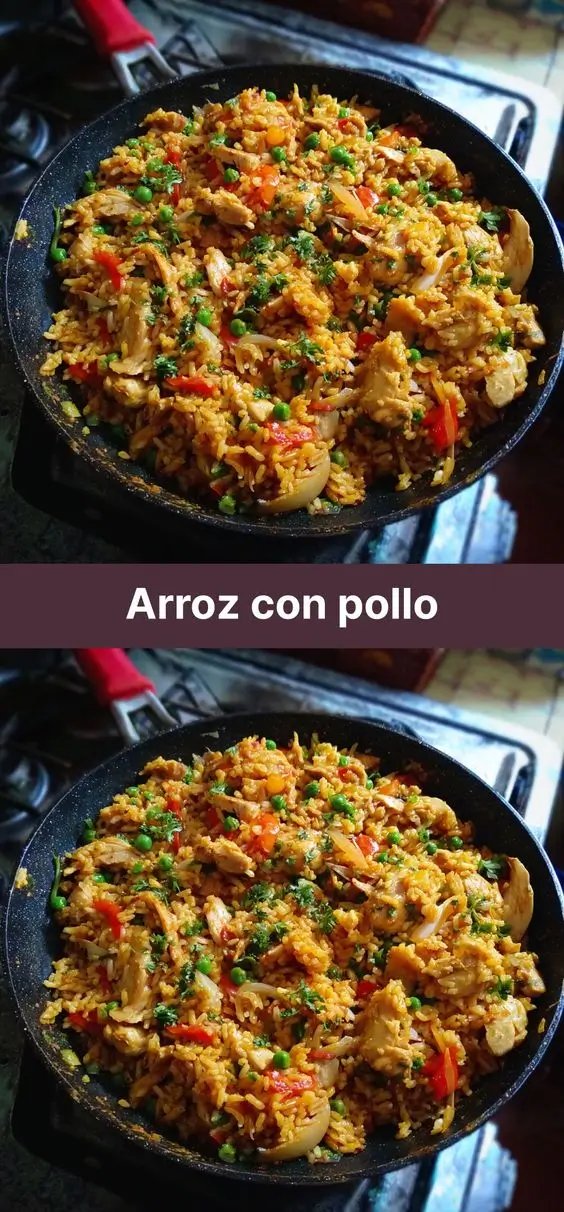
Arroz con Pollo: The Ultimate Comfort Dish from Latin America
Arroz con pollo, which translates to “rice with chicken,” is one of the most beloved and iconic dishes across many Latin American countries, as well as parts of the Caribbean and Spain. With its vibrant colors, aromatic spices, tender chicken, and perfectly cooked rice, this one-pot meal embodies comfort, tradition, and cultural fusion. Whether served at family gatherings, festive celebrations, or a comforting weeknight dinner, arroz con pollo brings people together through its rich flavors and homely warmth.
The History of Arroz con Pollo
The origins of arroz con pollo are deeply rooted in a blend of culinary traditions—Spanish, African, and indigenous influences converging over centuries. While the dish shares similarities with Spanish paella (especially due to the use of saffron and rice), it has evolved uniquely in various regions such as Puerto Rico, Cuba, Dominican Republic, Colombia, Venezuela, and Peru.
Historically, rice was introduced to the Americas by Spanish colonizers during the 15th and 16th centuries. Over time, enslaved Africans and local populations adapted European recipes using native ingredients like annatto, culantro, ají peppers, and coconut milk, resulting in distinct regional variations. In Puerto Rico, for instance, arroz con pollo often includes sofrito and sazón, while Peruvian versions may incorporate beer and cilantro for a green-hued twist.
Although there’s no single definitive version of arroz con pollo, the dish symbolizes cultural amalgamation—a true testament to how food can transcend borders and evolve into something greater than the sum of its parts.
Ingredients Breakdown: What Makes Arroz con Pollo So Flavorful?
The magic of arroz con pollo lies in its layers of flavor, achieved through a combination of fresh herbs, aromatic vegetables, spices, and quality proteins. Below is a detailed breakdown of the essential components that bring this dish to life:
- Chicken: Traditionally, bone-in, skin-on chicken pieces (such as thighs and drumsticks) are used for maximum flavor and tenderness. However, boneless cuts can be substituted depending on preference.
- Rice: Long-grain white rice is preferred because it holds its shape well and absorbs flavors without becoming mushy. Some variations use medium-grain or even bomba rice for a paella-like texture.
- Sofrito: A cornerstone of Latin cooking, sofrito is a fragrant blend of onions, bell peppers, garlic, tomatoes, culantro (recao), and sometimes cilantro or ají dulce. It forms the flavor base of the dish.
- Annatto Oil (Aceite de Achiote): This golden-orange oil imparts both color and a mild earthy flavor, giving the rice its signature hue.
- Saffron or Turmeric: Used sparingly for aroma and color; saffron provides a floral note, while turmeric offers a more affordable alternative with similar coloring properties.
- Tomato Sauce or Paste: Adds depth, acidity, and richness to the sauce.
- Broth: Chicken broth enhances the savory profile and ensures the rice cooks evenly.
- Peas and Carrots: Commonly added for sweetness, texture, and visual appeal.
- Spices: Includes cumin, oregano, garlic powder, onion powder, salt, pepper, and sometimes smoked paprika.
- Olives and Capers (optional): Especially in Cuban and Dominican versions, these add a briny contrast.
- Lemon Juice: Brightens the overall flavor and cuts through the richness.
Step-by-Step Recipe: How to Make Authentic Arroz con Pollo
Making arroz con pollo from scratch might seem daunting, but when broken down into manageable steps, it becomes an enjoyable process that fills your kitchen with mouthwatering aromas. Follow this detailed guide for a foolproof result.
Ingredients
- 1.5 kg (3–4 lbs) chicken pieces (thighs, drumsticks, or a mix)
- 2 cups long-grain white rice, rinsed and drained
- 1 large onion, finely chopped
- 1 green bell pepper, finely chopped
- 4 cloves garlic, minced
- 1 cup tomato sauce or crushed tomatoes
- 3 tablespoons olive oil or vegetable oil
- 2 tablespoons annatto seeds or 2 teaspoons ground annatto (or 3 tbsp achiote oil)
- 4 cups chicken broth, warm
- 1 cup frozen peas, thawed
- 1/2 cup diced carrots
- 1/4 cup pimento-stuffed green olives (optional)
- 2 tablespoons capers (optional)
- 1 teaspoon ground cumin
- 1 teaspoon dried oregano
- 1/2 teaspoon smoked paprika (optional)
- A pinch of saffron threads soaked in 2 tbsp warm water (or 1/2 tsp turmeric)
- Juice of 1 lemon
- Salt and black pepper to taste
- Fresh cilantro or parsley, chopped (for garnish)
Directions
- Prepare the Chicken: Pat the chicken dry with paper towels and season generously with salt, pepper, garlic powder, and oregano. Let it marinate for at least 30 minutes (or up to 2 hours in the fridge for deeper flavor).
- Make Annatto Oil (if not using pre-made): Heat 3 tablespoons of oil in a skillet over low heat. Add 2 tablespoons of annatto seeds and simmer gently for 5 minutes until the oil turns deep orange. Strain and set aside. Discard the seeds or save for another use.
- Sear the Chicken: In a large heavy-bottomed pot or Dutch oven, heat 2 tablespoons of annatto oil or regular oil over medium-high heat. Sear the chicken pieces skin-side down until golden brown, about 5–6 minutes per side. Remove and set aside.
- Sauté the Sofrito Base: In the same pot, add chopped onions, bell pepper, and garlic. Cook for 5–7 minutes until softened and fragrant. Stir in tomato sauce and cook for another 3–4 minutes to develop flavor.
- Add Spices: Stir in cumin, oregano, paprika, and saffron (with soaking liquid). Cook for 1 minute to toast the spices.
- Incorporate Rice: Add the rinsed rice and stir well to coat each grain with the sofrito mixture. Toast the rice for 2–3 minutes until slightly translucent at the edges.
- Return Chicken to Pot: Place the seared chicken pieces on top of the rice. Pour in warm chicken broth carefully so as not to disturb the layers.
- Simmer and Steam: Bring the mixture to a gentle boil, then reduce heat to low. Cover tightly with a lid and cook for 25–30 minutes. Avoid lifting the lid—this allows steam to build properly and cook the rice evenly.
- Add Vegetables: After 20 minutes of cooking, scatter peas, carrots, olives, and capers (if using) over the top. Gently press them into the rice without stirring.
- Finish Cooking: Continue cooking covered until the rice is tender and liquid is absorbed. The chicken should reach an internal temperature of 165°F (74°C).
- Rest and Fluff: Turn off the heat and let the pot sit, covered, for 10 minutes. This resting period helps finish steaming and makes the rice fluffy.
- Garnish and Serve: Squeeze fresh lemon juice over the top, sprinkle with chopped cilantro, and serve hot directly from the pot.
Tips for Perfect Arroz con Pollo Every Time
- Use Bone-In Chicken: Bones add flavor and moisture. Skin-on pieces also help render fat that enriches the rice.
- Don’t Skip the Searing: Browning the chicken creates fond (browned bits) in the pot, which adds complexity to the final dish.
- Rinse the Rice: Rinsing removes excess starch and prevents clumping. Never skip this step unless you’re aiming for sticky rice.
- Toasting the Rice: Coating and lightly toasting the rice in oil before adding liquid gives it a nuttier flavor and helps maintain separate grains.
- Keep the Lid Closed: Resist the urge to peek! Trapped steam is crucial for proper rice texture. Only uncover near the end to add veggies.
- Let It Rest: Allowing the dish to rest after cooking ensures even moisture distribution and fluffier rice.
- Adjust Liquid: Depending on your rice type and altitude, you may need slightly more or less broth. Adjust accordingly based on experience.
- Double the Batch: Arroz con pollo reheats beautifully and tastes even better the next day as flavors meld further.
Variations and Customizations Across Regions
One of the greatest charms of arroz con pollo is its adaptability. Each country—and even household—has its own take on the recipe. Here are some popular regional twists:
- Puerto Rican Arroz con Pollo: Features sofrito, sazón, and adobo seasoning. Often includes pigeon peas (gandules) instead of green peas.
- Cuban Arroz con Pollo: Uses simpler seasonings—onion, garlic, tomato, cumin—and often includes olives and capers. Sometimes finished under the broiler for a crispy top layer.
- Dominican Arroz con Pollo: Similar to Puerto Rican style but may include sliced potatoes and sweet plantains on the side.
- Peruvian Arroz con Pollo: Unique for its green color derived from a cilantro-based marinade or blended herb sauce. Often served with fried sweet plantains and a vinegar-based slaw.
- Colombian Arroz con Pollo: May include chorizo, corn, and carrots. Typically served with avocado slices and arepas.
- Venezuelan Style: Often features beer in place of some broth, adding a subtle malty flavor and enhancing browning.
- Spanish-Inspired Version: Closer to paella, with seafood additions or rabbit, though still delicious with chicken.
- Vegetarian/Vegan Option: Replace chicken with mushrooms, tofu, or jackfruit. Use vegetable broth and omit animal products. Nutritional yeast can mimic umami depth.
You can also customize the dish based on dietary preferences:
- Add extra vegetables like zucchini, corn, or spinach.
- Use brown rice or cauliflower rice for healthier alternatives (note: cooking times vary).
- Make it spicy with diced jalapeños, habaneros, or hot sauce.
- Gluten-free? Ensure all sauces and broths are certified gluten-free.
Health Considerations and Nutritional Value
Arroz con pollo can be a balanced meal if prepared thoughtfully. Below is an approximate nutritional breakdown per serving (assuming 6 servings):
| Nutrient | Amount per Serving |
|---|---|
| Calories | ~450–550 kcal |
| Protein | ~30–35 g |
| Total Fat | ~15–20 g |
| Saturated Fat | ~3–5 g |
| Carbohydrates | ~45–50 g |
| Dietary Fiber | ~3–5 g |
| Sugar | ~5–7 g |
| Sodium | ~800–1200 mg (varies widely) |
Health Tips:
- Bone-In vs. Boneless: Bone-in chicken retains more moisture and nutrients, including collagen, which supports joint health.
- Skin-On vs. Skin-Off: Removing the skin reduces saturated fat content significantly. For a lighter version, skim fat off the broth before adding rice.
- Rice Choices: White rice has a high glycemic index; consider using brown rice, quinoa, or cauliflower rice for lower carbs and higher fiber.
- Sodium Control: Use low-sodium broth and limit added salt. Enhance flavor with herbs, citrus, and spices instead.
- Portion Size: Balance your plate with a serving of arroz con pollo alongside a fresh salad or steamed greens.
- Omega-3 Boost: Add a side of avocado or sprinkle with toasted pumpkin seeds for healthy fats.
While traditionally hearty, arroz con pollo can easily be adapted to fit heart-healthy, diabetic-friendly, or weight-conscious diets with mindful ingredient choices.
Frequently Asked Questions (FAQ)
Q: Can I make arroz con pollo in a rice cooker?
A: Yes! Sear the chicken in a pan first, then transfer everything to the rice cooker. Follow the same layering method and use the “white rice” setting. Add peas halfway through.
Q: Why is my rice mushy or undercooked?
A: Mushy rice usually results from too much liquid or stirring during cooking. Undercooked rice means insufficient liquid or heat. Always measure accurately and avoid opening the lid prematurely.
Q: Can I use leftover chicken?
A: Absolutely. Use already-cooked shredded chicken, but add it toward the end (last 5–10 minutes) to prevent drying out. Reduce broth slightly since cooked chicken won’t release as much liquid.
Q: Is arroz con pollo the same as paella?
A: Not exactly. While both are rice dishes with meat and share Spanish roots, paella typically uses short-grain rice, includes seafood, and is cooked uncovered to form a socarrat (crispy bottom layer). Arroz con pollo is more stew-like and varies greatly by region.
Q: How do I store leftovers?
A: Cool completely and store in an airtight container in the refrigerator for up to 4 days. Reheat in the microwave with a splash of water or broth to restore moisture.
Q: Can I freeze arroz con pollo?
A: Yes, it freezes well for up to 3 months. Freeze in portion-sized containers. Thaw overnight in the fridge before reheating.
Q: What should I serve with arroz con pollo?
A: Classic pairings include tostones (fried plantains), maduros (sweet fried plantains), ensalada mixta (mixed greens with vinaigrette), avocado slices, or a simple cucumber-tomato salad.
Q: My pot sticks to the bottom. How can I prevent this?
A: Use a heavy-duty pot with thick base (like cast iron or enameled steel). Maintain low, even heat and ensure enough liquid throughout cooking. Lining the bottom with banana leaves (used in some traditional methods) also helps prevent sticking.
Summary
Arroz con pollo is a soul-warming, culturally rich dish that combines tender chicken, flavorful sofrito, and perfectly seasoned rice into one harmonious meal. Its versatility across regions and adaptability to dietary needs make it a timeless favorite in Latin cuisine.