Introduction
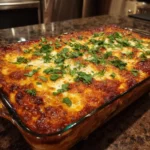
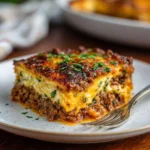
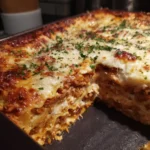
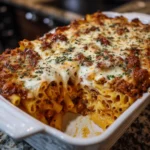
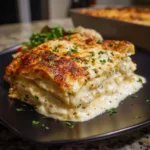
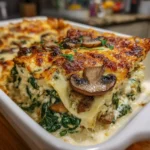
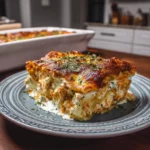
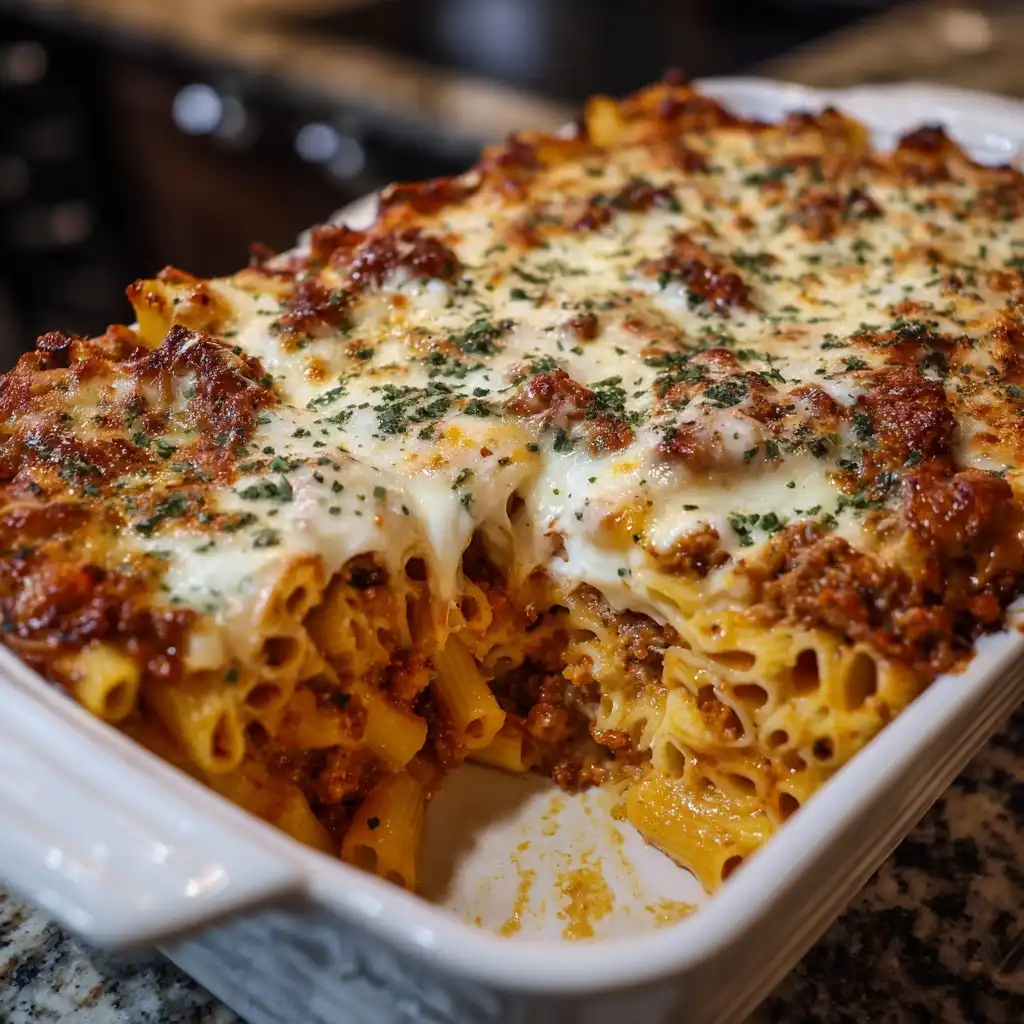
Baked Ziti Style Lasagna is a beloved hybrid pasta casserole that bridges the comforting richness of classic lasagna with the hearty, no-boil convenience and rustic charm of baked ziti. Unlike traditional lasagna—which features delicate, overlapping layers of flat, wide noodles—this innovative twist uses shorter, tubular ziti (or penne or rigatoni) that are tossed directly with sauce, cheese, and seasonings before being baked to golden perfection. The result is a deeply flavorful, texturally satisfying dish where every bite delivers creamy ricotta, tangy marinara, melty mozzarella, and savory Parmesan—all bound together by tender, sauce-infused pasta. Whether you’re feeding a crowd, prepping for meal prep, or simply craving a nostalgic Italian-American favorite with a creative upgrade, Baked Ziti Style Lasagna delivers soul-warming satisfaction without the fussy layering or delicate noodle handling of its namesake cousin.
The History
The origins of Baked Ziti Style Lasagna lie at the crossroads of Italian culinary tradition and American-Italian innovation. Traditional baked ziti traces back to Southern Italy—particularly Campania and Sicily—where “ziti” refers to long, thick hollow pasta cut into shorter lengths before baking. In Italian home kitchens, it was often prepared for festive occasions like weddings (“ziti” derives from the Italian word *zito*, meaning “bridegroom”), symbolizing prosperity and unity. When Italian immigrants arrived in the United States in the late 19th and early 20th centuries, they adapted recipes using locally available ingredients: mild American mozzarella replaced aged Italian provolone or caciocavallo, ricotta became more widely accessible, and canned San Marzano-style tomatoes gained popularity. Over time, regional variations flourished—especially in New York and New Jersey—where baked ziti evolved into a dense, cheesy, oven-baked staple served at family gatherings and church suppers. Meanwhile, lasagna—originating in medieval Italy as *lasanum* (a cooking pot)—underwent its own American transformation: layered with ricotta instead of béchamel, enriched with ground beef or sausage, and baked until bubbly. The fusion known today as “Baked Ziti Style Lasagna” emerged organically in the 1980s–1990s among home cooks and delis seeking the best of both worlds: the structural integrity and saucy depth of ziti’s tube shape, combined with lasagna’s luxurious cheese profile and layered complexity—even if deconstructed into a single-mix method. It’s not found in Italian cookbooks, but it *is* a genuine heirloom of Italian-American food culture—a testament to resourcefulness, flavor-first thinking, and the joy of communal feasting.
Ingredients Breakdown
Understanding each component deepens both your technique and appreciation for this dish’s layered harmony:
- Ziti or Short Pasta: Authentic baked ziti uses dried ziti—but modern versions embrace penne, rigatoni, or even fusilli for superior sauce adhesion. Their hollow or ridged shapes trap marinara and cheese, ensuring every bite is saturated. Avoid fresh pasta—it becomes mushy when baked with wet fillings.
- Marinara Sauce: A robust, slow-simmered tomato sauce forms the backbone. Opt for a high-quality jarred variety (look for San Marzano DOP-certified or low-sugar, herb-forward options) or make your own with crushed tomatoes, garlic, onion, olive oil, basil, oregano, and a splash of red wine for depth. Avoid overly sweet or acidic sauces unless balanced with grated carrot or a pinch of sugar.
- Ricotta Cheese: Whole-milk ricotta provides creaminess, mild sweetness, and structure. Drain excess whey (line a fine-mesh strainer with cheesecloth and refrigerate for 30 minutes) to prevent sogginess. For extra richness, mix in a beaten egg, lemon zest, and freshly cracked black pepper.
- Mozzarella: Low-moisture, whole-milk shredded mozzarella melts evenly and creates that iconic stretchy, golden-brown crust. Fresh mozzarella balls (torn, not sliced) can be added in layers for pockets of milky tenderness—but use sparingly, as excess moisture can steam the dish rather than bake it.
- Parmigiano-Reggiano or Grated Romano: These hard, aged cheeses add umami, saltiness, and granular texture. Always grate fresh—pre-grated versions contain anti-caking agents that hinder melt and flavor release.
- Meat Component (Optional but Traditional): Ground beef (80/20 fat ratio), Italian sausage (mild or hot), or a blend offers savory depth. Browning with aromatic mirepoix (onion, celery, carrot) and deglazing with wine builds foundational flavor. Vegetarian versions shine with lentils, crumbled tempeh, or roasted mushrooms and walnuts.
- Aromatics & Seasonings: Sautéed garlic and onions form the flavor base. Fresh basil (added at the end), dried oregano, crushed red pepper flakes, fennel seeds (if using sausage), and a generous grating of nutmeg (a secret weapon in ricotta mixtures) elevate complexity.
- Finishing Touches: A drizzle of high-quality extra-virgin olive oil before baking adds sheen and aroma; fresh parsley or basil after baking brings brightness; a final dusting of flaky sea salt enhances all flavors.
Step-by-Step Recipe
- Preheat & Prep: Position oven rack in the center. Preheat oven to 375°F (190°C). Lightly grease a 9×13-inch heavy-duty baking dish (glass or ceramic preferred for even heat distribution) with olive oil or non-stick spray.
- Cook the Pasta Al Dente: Bring 4–6 quarts of well-salted water (2 Tbsp kosher salt per gallon) to a rolling boil. Add 1 lb (450g) dried ziti or penne and cook for 1 minute less than package instructions—typically 8–9 minutes. Stir frequently to prevent sticking. Drain thoroughly in a colander, then rinse briefly under cool water to halt cooking. Shake vigorously to remove excess moisture. Toss immediately with 1–2 tsp olive oil to prevent clumping.
- Prepare the Meat Sauce (If Using): In a large Dutch oven or heavy-bottomed skillet, heat 2 Tbsp olive oil over medium heat. Add 1 finely diced yellow onion, 2 minced garlic cloves, and 1 finely diced carrot and celery stalk (mirepoix); sauté 5–7 minutes until softened. Add 1 lb ground beef and/or Italian sausage; break apart and cook until no pink remains (8–10 min). Drain excess fat (leave ~1 Tbsp for flavor). Stir in 2 tsp dried oregano, 1 tsp crushed red pepper, ½ tsp fennel seeds (optional), and ¼ tsp freshly grated nutmeg. Deglaze with ½ cup dry red wine, scraping up browned bits; simmer 2 minutes. Add 32 oz (4 cups) marinara sauce, 2 Tbsp tomato paste, and ¼ cup fresh basil leaves (chopped). Simmer uncovered 15–20 minutes to thicken and meld flavors. Season with salt and black pepper to taste.
- Make the Ricotta Mixture: In a large mixing bowl, combine 2 cups (16 oz) well-drained whole-milk ricotta, 1 large egg (lightly beaten), ½ cup grated Parmigiano-Reggiano, ¼ cup chopped fresh parsley, 2 Tbsp chopped fresh basil, 1 tsp lemon zest, ½ tsp freshly grated nutmeg, 1 tsp kosher salt, and ½ tsp black pepper. Mix gently with a spatula until just combined—do not overmix or it will become grainy.
- Assemble the Casserole: In a very large bowl, combine the drained, oiled pasta with the warm meat sauce (or vegetarian sauce). Fold gently until evenly coated. Spread half the sauced pasta into the prepared baking dish. Dollop half the ricotta mixture over top and spread gently with an offset spatula—not fully smoothing, but creating gentle swirls. Sprinkle with 1 cup shredded mozzarella and ¼ cup grated Parmigiano. Repeat layers: remaining sauced pasta, remaining ricotta, 1 cup mozzarella, and ¼ cup Parmigiano. For extra decadence, tuck small torn pieces of fresh mozzarella (about 4 oz) between the top layers before the final cheese sprinkle.
- Bake Covered: Cover tightly with aluminum foil (tent slightly to prevent cheese from sticking). Bake for 25 minutes to allow heat to penetrate and cheeses to soften.
- Bake Uncovered: Remove foil and continue baking 15–20 minutes, until the top is deeply golden, edges are bubbling vigorously, and internal temperature reaches 165°F (74°C) when checked with an instant-read thermometer inserted into the center.
- Rest Before Serving: Crucial step! Let the casserole rest uncovered for at least 20–25 minutes. This allows the structure to set, prevents runny slices, and lets residual heat finish cooking the center while redistributing moisture. Cutting too soon releases steam and causes collapse.
- Finish & Serve: Garnish generously with fresh basil or parsley, a drizzle of high-quality olive oil, and flaky sea salt. Serve with garlic bread, a crisp green salad dressed in lemon vinaigrette, and a bold Chianti or Montepulciano d’Abruzzo.
Tips
- Salting the Pasta Water Generously: This is your only chance to season the pasta itself—underseasoned water = bland noodles. Aim for seawater salinity: 2 Tbsp Diamond Crystal kosher salt per gallon of water.
- Undercook the Pasta Intentionally: Pasta continues to absorb liquid and cook in the oven. If fully cooked before baking, it turns to mush. Err on the side of al dente—even slightly firm is better than soft.
- Drain & Dry Thoroughly: Wet pasta dilutes sauce, creates steam pockets, and hinders cheese adhesion. After draining, shake the colander vigorously, then spread pasta on clean kitchen towels to air-dry for 2–3 minutes.
- Warm the Sauce Before Mixing: Cold sauce shocks the pasta and cools the ricotta mixture. Warm marinara (or meat sauce) to about 120°F (49°C) before combining—just warm to the touch, not scalding.
- Layer Strategically, Not Perfectly: Unlike lasagna, this dish thrives on rusticity. Swirling ricotta—not smoothing it—creates delightful pockets of creamy contrast. Don’t worry about visible seams or uneven coverage.
- Use Two Types of Mozzarella: Combine low-moisture shredded mozzarella (for melt and stretch) with fresh mozzarella (for bursts of milky richness). Tear fresh mozzarella instead of slicing—it integrates better.
- Add a Splash of Pasta Water (Optional but Effective): If your sauce seems thick or your ricotta stiff, stir in 2–3 Tbsp reserved starchy pasta water to loosen and bind without adding excess liquid.
- Rotate the Pan Mid-Bake: Ovens have hot spots. Rotate the dish 180° halfway through uncovered baking for even browning.
- Broil for the Final Touch (Optional): For extra caramelization, switch to broil for 1–2 minutes at the end—watch constantly to avoid burning.
- Double the Recipe? Scale Smartly: Use two 9×13 pans instead of one oversized pan. Baking time increases only slightly (add 5–7 min covered), but heat circulation remains optimal. Never try to bake this in a single 12×17 pan—it won’t cook evenly.
Variations and Customizations
This recipe is gloriously adaptable—here are inspired riffs tested across decades of home kitchens, restaurant menus, and culinary blogs:
- Vegetarian Powerhouse: Replace meat with 1½ cups cooked brown or green lentils (simmered in veg broth), 1 cup finely chopped cremini mushrooms (sautéed until golden), ½ cup toasted walnuts (for meaty texture), and ¼ cup sun-dried tomatoes (chopped, oil-packed). Boost umami with 1 Tbsp soy sauce or tamari in the sauce.
- Seafood Ziti-Lasagna Fusion: Swap meat for 1 cup lump crabmeat, ½ cup chopped cooked shrimp, and ¼ cup chopped calamari. Use a light white wine–infused tomato sauce with lemon zest, fennel, and dill. Top with a blend of mozzarella and Pecorino Romano.
- Spicy Arrabbiata Style: Use a fiery arrabbiata sauce (extra garlic, double red pepper flakes, a splash of Calabrian chili paste), omit meat, and add ½ cup crumbled spicy soppressata or ’nduja to the ricotta mixture.
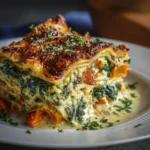
- White Ziti Lasagna (No-Tomato): Replace marinara with a rich béchamel infused with roasted garlic, sautéed leeks, and nutmeg. Layer with roasted butternut squash, caramelized onions, spinach, and fontina cheese for a creamy, autumnal take.
- Gluten-Free Adaptation: Use certified GF ziti (brown rice or corn-based) and verify all sauces and cheeses are GF. Add 1 tsp xanthan gum to the ricotta mixture to improve binding. Bake 5 minutes longer—GF pasta absorbs liquid differently.
- Kid-Friendly Mild Version: Skip red pepper and fennel; add ½ cup pureed carrots or pumpkin to the sauce for natural sweetness and nutrients. Use mild provolone in place of part of the mozzarella for familiar flavor.
- Meal-Prep Freezer Master: Assemble completely (unbaked), cover tightly with foil + plastic wrap, and freeze up to 3 months. Thaw overnight in fridge, then bake covered 40 min + uncovered 20–25 min. Or bake frozen: add 20–25 min covered, then uncover and bake until golden and 165°F internally.
- Gourmet Upscale Twist: Incorporate house-made porcini mushroom powder into the ricotta, top with truffle oil and micro basil, and finish with aged balsamic reduction drizzle.
- Low-Carb/Keto Option: Substitute shirataki rice or konjac ziti (thoroughly rinsed and dry-sautéed), use full-fat cheeses, and thicken sauce with xanthan gum instead of tomato paste. Note: texture differs significantly—best for strict dietary needs, not traditional expectations.
- Breakfast Lasagna-Ziti Hybrid: Layer cooked Italian sausage, scrambled eggs mixed with ricotta, sautéed peppers/onions, and cheddar-jack blend. Bake at 350°F for 30–35 minutes. Serve with hot sauce.
Health Considerations and Nutritional Value
Baked Ziti Style Lasagna can be a nutrient-dense, balanced meal—when thoughtfully composed. A standard serving (1/8 of a 9×13 pan, approx. 1.5 cups) made with lean ground turkey, part-skim ricotta, reduced-sodium marinara, and whole-wheat pasta contains approximately:
- Calories: 420–480 kcal
- Protein: 24–28 g (from dairy, eggs, and meat/lentils)
- Fat: 18–22 g (mostly unsaturated from olive oil and cheese; saturated fat ~9–11 g)
- Carbohydrates: 42–48 g (fiber: 4–6 g with whole-grain pasta or added veggies)
- Sodium: 680–850 mg (reduced by using no-salt-added tomatoes, low-sodium cheese, and limiting added salt)
- Key Micronutrients: Calcium (35% DV), Vitamin A (25% DV from tomatoes & cheese), Vitamin B12 (45% DV), Zinc (20% DV), and Lycopene (a powerful antioxidant increased by cooking tomatoes with olive oil).
Smart Swaps for Enhanced Wellness:
- Boost Fiber & Phytonutrients: Stir 2 cups finely chopped spinach or kale into the warm ricotta mixture—or fold 1 cup grated zucchini (salted, squeezed dry) into the sauce.
- Reduce Saturated Fat: Use part-skim mozzarella and ricotta, and substitute half the meat with mashed white beans or lentils for creaminess + plant protein.
- Lower Sodium Without Sacrificing Flavor: Make your own marinara using low-sodium canned tomatoes, fresh herbs, garlic, onion, and a splash of balsamic vinegar for tang.
- Support Gut Health: Add 2 Tbsp chopped fermented vegetables (like kimchi or sauerkraut) to the ricotta—or serve alongside a side of plain Greek yogurt with dill and cucumber.
- Diabetes-Friendly Tweaks: Choose whole-grain or legume-based pasta, increase non-starchy veg content (spinach, mushrooms, eggplant), and pair with a side salad rich in healthy fats (avocado, olive oil) to slow glucose absorption.
- Allergy-Aware Options: Dairy-free? Use cashew ricotta (soaked raw cashews, lemon, nutritional yeast, garlic), coconut-based mozzarella shreds, and vegan Parmesan. Nut-free? Try sunflower seed “ricotta” or silken tofu blended with lemon and miso.
While indulgent, this dish delivers satiety due to its balanced macros—protein and fat slow digestion, while complex carbs provide sustained energy. Portion awareness and vegetable integration make it suitable for regular inclusion in a heart-healthy, Mediterranean-style diet.
Ingredients
- 1 pound (450g) dried ziti, penne, or rigatoni
- 4 tablespoons (60ml) extra-virgin olive oil, divided
- 1 medium yellow onion, finely diced
- 2 cloves garlic, minced
- 1 medium carrot, finely diced
- 1 medium celery stalk, finely diced
- 1 pound (450g) ground beef (80/20) and/or Italian sausage (mild or hot)
- 2 teaspoons dried oregano
- 1 teaspoon crushed red pepper flakes (adjust to taste)
- ½ teaspoon fennel seeds, lightly crushed (optional, especially with sausage)
- ¼ teaspoon freshly grated nutmeg
- ½ cup (120ml) dry red wine (e.g., Chianti or Sangiovese)
- 32 ounces (946ml / 4 cups) high-quality marinara sauce (preferably low-sugar)
- 2 tablespoons (30g) tomato paste
- ¼ cup (15g) fresh basil leaves, chopped (plus extra for garnish)
- 2 cups (480g) whole-milk ricotta cheese, well-drained
- 1 large egg
- 1 cup (100g) grated Parmigiano-Reggiano, divided
- ¼ cup (15g) fresh flat-leaf parsley, finely chopped
- 1 tablespoon (6g) lemon zest
- 1 teaspoon kosher salt (plus more for pasta water)
- ½ teaspoon freshly ground black pepper
- 3 cups (340g) low-moisture whole-milk shredded mozzarella, divided
- 4 ounces (115g) fresh mozzarella, torn into small pieces (optional but recommended)
- Flaky sea salt and additional extra-virgin olive oil, for finishing
Directions
- Preheat oven to 375°F (190°C). Lightly grease a 9×13-inch baking dish with 1 tsp olive oil.
- Bring 4–6 quarts water to a rolling boil. Add 2 tablespoons kosher salt. Add pasta and cook 1 minute less than package directions for al dente. Drain thoroughly in a colander, rinse briefly with cool water, shake vigorously, then toss with 1 tsp olive oil. Spread on clean towels to air-dry 2–3 minutes.
- In a large Dutch oven or heavy skillet, heat 2 tbsp olive oil over medium heat. Add onion, garlic, carrot, and celery; sauté 6–7 minutes until softened. Add ground meat; cook, breaking apart, until no pink remains (~8–10 min). Drain excess fat, leaving ~1 tbsp.
- Stir in oregano, red pepper flakes, fennel seeds (if using), and nutmeg. Pour in wine; simmer 2 minutes, scraping up browned bits. Stir in tomato paste and marinara sauce. Add chopped basil. Simmer uncovered 15–20 minutes until thickened. Season with salt and pepper. Remove from heat.
- In a large bowl, combine ricotta, egg, ½ cup Parmigiano, parsley, lemon zest, 1 tsp salt, and ½ tsp pepper. Mix gently until just combined.
- In an extra-large bowl, combine drained pasta and warm meat sauce. Fold gently until evenly coated.
- Spoon half the pasta mixture into prepared dish. Dollop half the ricotta mixture over top and swirl gently with a spatula. Sprinkle with 1 cup mozzarella, ¼ cup Parmigiano, and half the fresh mozzarella pieces (if using). Repeat layers with remaining pasta, ricotta, cheeses.
- Cover tightly with foil (tent slightly). Bake 25 minutes.
- Remove foil. Bake uncovered 15–20 minutes, until top is golden-brown and edges bubble vigorously. Internal temperature should read 165°F (74°C).
- Let rest uncovered 20–25 minutes before cutting. Garnish with fresh basil, a drizzle of olive oil, and flaky sea salt. Serve warm.
FAQ
- Can I make this ahead of time?
- Absolutely. Assemble up to 1 day ahead (unbaked), cover tightly, and refrigerate. Add 5–10 minutes to covered bake time. For longer storage, freeze unbaked (up to 3 months) or baked (up to 2 months)—thaw overnight before reheating.
- Why does my baked ziti lasagna turn out watery?
- Common culprits: pasta not drained/dried enough, sauce too thin or high-moisture (e.g., fresh tomatoes), ricotta not drained, or cutting into it too soon. Always rest 20+ minutes—and consider reducing sauce longer or adding 1 tsp tomato paste to thicken.
- Can I use no-boil lasagna noodles instead of ziti?
- Yes—but adjust liquid. No-boil noodles require more moisture. Add ½ cup water or low-sodium broth to the sauce, and ensure ricotta mixture is slightly looser (add 2 tbsp pasta water). Cover tightly and bake 10 minutes longer covered.
- Is there a way to make it crispy on top?
- For ultimate crunch: After removing foil, brush the top with olive oil or melted butter, then sprinkle with panko breadcrumbs mixed with 2 tbsp grated Parmigiano. Broil 1–2 minutes until golden—watch closely!
- What’s the best cheese substitute for someone who can’t eat dairy?
- For ricotta: blend 1.5 cups raw cashews (soaked 4 hours), ¼ cup lemon juice, 2 tbsp nutritional yeast, 1 tsp apple cider vinegar, ½ tsp salt, and 2–3 tbsp water until ultra-smooth. For mozzarella: brands like Miyoko’s or Violife melt well. For Parmesan: homemade walnut-nutritional yeast blend (1 cup walnuts + ¼ cup yeast + ½ tsp salt, pulsed fine).
- Can I cook this in a slow cooker?
- Yes—with modifications. Assemble in a slow cooker liner: layer ⅓ pasta/sauce, ½ ricotta, ⅓ cheese; repeat. Cook on LOW 3–4 hours (not HIGH—can curdle ricotta). Rest 15 min before serving. Texture will be softer—ideal for tender palates.
- How do I reheat leftovers without drying them out?
- Individual portions: Microwave with a damp paper towel draped over the dish + 1 tsp water. For full pan: Cover with foil, bake at 325°F for 20–25 minutes until heated through. Drizzle with olive oil before reheating to refresh moisture.
- Can I add vegetables without changing the texture?
- Yes—roast or sauté first. Eggplant cubes (salted, pressed, roasted), spinach (wilted & squeezed dry), or roasted red peppers (drained well) integrate seamlessly. Avoid raw, watery veggies like cucumbers or tomatoes.
- What wine pairs best with this dish?
- Medium-bodied Italian reds shine: Chianti Classico, Barbera d’Alba, or Montepulciano d’Abruzzo. For white lovers, try an off-dry Vermentino or barrel-aged Pinot Grigio. Non-alcoholic? Spark