Introduction
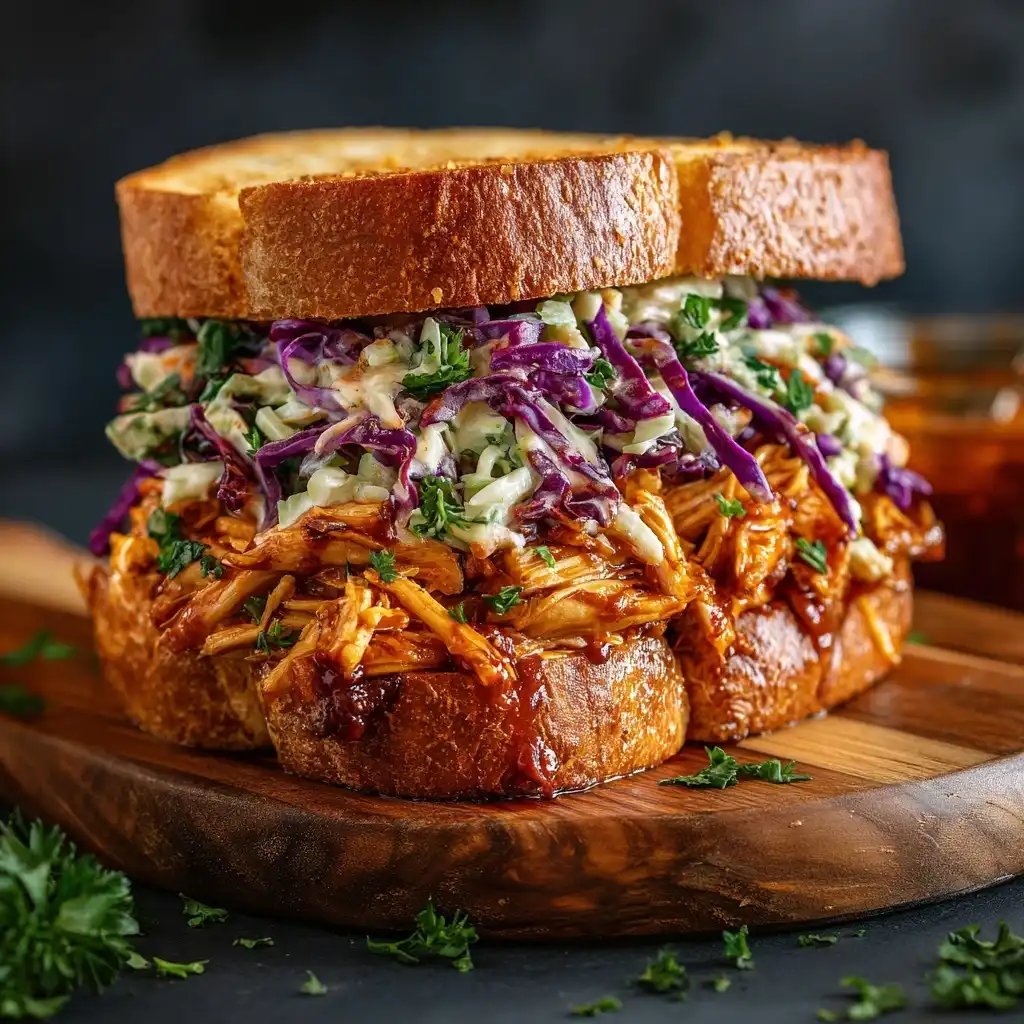
The BBQ Jackfruit Sandwich is a revolutionary plant-based alternative that has captured the hearts—and taste buds—of vegans, vegetarians, flexitarians, and curious omnivores alike. Unlike traditional pulled pork or chicken sandwiches, this dish delivers the unmistakable texture and smoky-sweet satisfaction of classic barbecue using young green jackfruit as its star ingredient. Native to South and Southeast Asia, jackfruit has long been cherished for its versatility, but it wasn’t until chefs and home cooks began experimenting with its fibrous, meat-like consistency in savory preparations that it truly rose to culinary stardom. Today, the BBQ Jackfruit Sandwich stands not just as a compassionate choice, but as a flavorful, nutrient-dense, and deeply satisfying meal that holds its own at summer cookouts, weekday lunches, and gourmet food trucks alike.
The History
Jackfruit’s journey from tropical staple to barbecue sensation is both fascinating and emblematic of global culinary evolution. For centuries, jackfruit has been cultivated across India, Bangladesh, Thailand, Indonesia, and the Philippines—used in everything from curries and desserts to fermented snacks. However, it was the rise of plant-based eating in the early 2010s—fueled by environmental concerns, ethical considerations, and expanding dietary awareness—that spotlighted young (unripe) jackfruit as a functional meat analog. Its neutral flavor and stringy, shreddable texture when cooked made it an ideal canvas for bold seasonings. Early adopters in the U.S., particularly in Southern California and Austin’s vibrant vegan food scene, began simmering canned jackfruit in homemade BBQ sauces, mimicking the slow-cooked tenderness of pulled pork. By 2015, food bloggers, YouTube chefs, and even major grocery chains began featuring “vegan pulled jackfruit” recipes—many centered around the now-iconic sandwich format. In 2017, Whole Foods named jackfruit one of its top food trends, and by 2020, restaurant chains like Native Foods and PLNT Burger had added BBQ jackfruit sandwiches to their permanent menus. The dish’s ascent reflects broader cultural shifts: sustainability-driven agriculture, innovation in plant protein science, and a growing demand for inclusive, delicious, and ethically grounded comfort food.
Ingredients Breakdown
Every exceptional BBQ Jackfruit Sandwich begins with intentionality—not just in sourcing, but in understanding how each component contributes to texture, depth, umami, balance, and mouthfeel. Below is a detailed breakdown of core and optional ingredients:
- Young Green Jackfruit (in brine or water, NOT syrup): This is non-negotiable. Only unripe, canned jackfruit packed in water or brine works—the ripe, sweet version is unsuitable. Look for “young,” “green,” or “savory” on the label. Drain and rinse thoroughly to remove excess sodium and brine flavor. A standard 20-ounce can yields ~2.5 cups shredded—enough for 4–6 sandwiches.
- Smoky Base Seasonings: Smoked paprika is the cornerstone, delivering authentic barbecue depth without liquid smoke (though that’s a fine optional add-in). Chipotle powder adds gentle heat and complexity; garlic powder and onion powder build foundational savoriness; ground cumin lends earthy warmth.
- Aromatics & Fresh Elements: Finely minced yellow onion and garlic provide aromatic brightness and caramelizable sweetness when sautéed. A splash of apple cider vinegar (or white vinegar) introduces essential tang—crucial for cutting richness and enhancing perception of smokiness.
- Sweetness & Balance: Pure maple syrup (not pancake syrup), coconut sugar, or brown sugar balances acidity and salt while promoting gentle caramelization during cooking. Avoid refined white sugar if aiming for whole-food integrity.
- Umami Boosters: Tamari or low-sodium soy sauce adds rich, fermented depth; nutritional yeast contributes nutty, cheesy notes and B-vitamin fortification; a teaspoon of tomato paste amplifies savory-sweet body and helps thicken the sauce.
- Liquid Component: Low-sodium vegetable broth is preferred over water—it adds mineral-rich depth and prevents blandness. Some chefs use a small amount of brewed coffee or strong black tea for subtle bitterness and complexity.
- Fat Medium: Extra-virgin olive oil or avocado oil ensures even heat distribution, aids in browning, and carries fat-soluble flavors (like smoked paprika’s compounds). A touch of vegan butter (e.g., Miyoko’s or Melt) stirred in at the end adds luxurious mouthfeel.
- Optional Enhancements: Liquid smoke (use sparingly—a few drops go far), mustard powder (for tangy sharpness), Worcestershire sauce (ensure vegan-certified), toasted sesame oil (for finish), or a dash of cayenne for heat escalation.
Each ingredient serves a precise sensory purpose—none are merely filler. Understanding these roles empowers customization and troubleshooting (e.g., too bland? Add more umami or acid; too dry? Adjust liquid-to-jackfruit ratio or add fat).
Step-by-Step Recipe
- Prep the Jackfruit: Drain and thoroughly rinse two 20-oz cans of young green jackfruit (in water or brine). Pat extremely dry with clean kitchen towels or paper towels—moisture is the enemy of texture development. Using your fingers or a fork, shred the jackfruit into thin, pull-apart strands, discarding any tough core pieces or overly fibrous sections. Place shredded jackfruit in a large mixing bowl.
- Sauté the Aromatics: Heat 2 tbsp avocado oil in a wide, heavy-bottomed skillet or Dutch oven over medium heat. Add 1 finely diced yellow onion and sauté for 4–5 minutes until translucent and fragrant. Add 4 minced garlic cloves and cook 60 seconds more—do not let garlic brown.
- Bloom the Spices: Stir in 2 tsp smoked paprika, 1 tsp chipotle powder, 1 tsp garlic powder, 1 tsp onion powder, ½ tsp ground cumin, ½ tsp black pepper, and a pinch of cayenne (optional). Toast for 1 minute, stirring constantly, to awaken volatile oils and deepen flavor complexity.
- Build the Sauce Base: Add 2 tbsp tomato paste and stir continuously for 90 seconds until it darkens slightly and coats the onions. Then pour in ¼ cup apple cider vinegar, ⅓ cup pure maple syrup, 3 tbsp tamari, and 1 cup low-sodium vegetable broth. Whisk vigorously to combine and dissolve any paste clumps.
- Simmer & Shred: Gently fold in the shredded jackfruit. Bring mixture to a gentle simmer, then reduce heat to low. Cover and cook for 25 minutes, stirring every 5–7 minutes to prevent sticking and ensure even absorption. After 25 minutes, uncover and continue simmering for another 15–20 minutes, stirring frequently, until most liquid is absorbed and jackfruit is tender yet retains chewy, pulled texture. It should glisten—not pool—and separate cleanly when pinched with forks.
- Finish & Rest: Remove from heat. Stir in 1 tbsp nutritional yeast, 1 tsp vegan butter (optional), and a final splash of vinegar (½ tsp) for brightness. Taste and adjust: more smoke? Add ¼ tsp smoked paprika. More tang? Another ½ tsp vinegar. More sweetness? 1 tsp maple syrup. Let rest, covered, for 10 minutes—this allows residual heat to further meld flavors and rehydrate any surface-dry spots.
- Toast the Buns: While jackfruit rests, lightly butter (vegan or regular) the cut sides of sturdy brioche, ciabatta, or potato rolls. Toast in a skillet or under a broiler until golden and crisp—this structural reinforcement prevents sogginess and adds textural contrast.
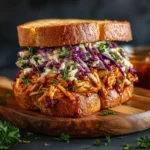
- Assemble with Intention: Spread a thin layer of vegan coleslaw or tangy mustard-mayo on both bun halves. Pile warm jackfruit generously (¾–1 cup per sandwich). Top with extra slaw, pickled red onions, jalapeño rings, or a drizzle of extra BBQ sauce. Serve immediately.
Tips
- Texture is Everything: Overcooking leads to mush; undercooking leaves jackfruit rubbery. Simmer covered first to steam and soften, then uncovered to concentrate and develop bite. If it seems too wet at the end, increase heat slightly and stir constantly for 2–3 minutes.
- Rinse Religiously: Brine residue can make the dish overly salty and impart off-flavors. Rinse under cold running water for 30+ seconds, then squeeze gently in a clean towel.
- Shred Smart: Use your hands—not a food processor. Machines over-process and create pasty clumps. Finger-shredding preserves fiber integrity and gives that coveted “pulled” look.
- Batch & Freeze: Cooked BBQ jackfruit freezes beautifully for up to 3 months. Portion into 1.5-cup servings in freezer-safe bags, removing air. Thaw overnight in fridge and reheat gently with a splash of broth.
- Low-Sodium Strategy: Use low-sodium broth and tamari, skip added salt initially, and rely on umami-rich ingredients (tomato paste, nutritional yeast, smoked paprika) for depth. You can always add sea salt at the end—but rarely need to.
- Broil for Crispness: For restaurant-style char, spread finished jackfruit on a parchment-lined sheet pan and broil 2–3 minutes until edges curl and darken slightly—watch closely!
- Rest Before Serving: Allowing the jackfruit to rest 10 minutes off heat lets starches relax and moisture redistribute—resulting in juicier, more cohesive bites.
- Toast Buns Last: Toasting right before assembly guarantees maximum crunch and prevents steam from softening the bread.
- Acid is Your Ally: Don’t skip the vinegar step—even if you’re not a fan of tang, it lifts the entire profile and prevents cloying sweetness. Try adding it twice: once in cooking, once at finish.
- Layer Flavors, Not Just Heat: Instead of dumping all spices in at once, bloom dry spices *after* aromatics, then add wet ingredients. This layered approach creates dimensional flavor instead of flat seasoning.
Variations and Customizations
The BBQ Jackfruit Sandwich is gloriously adaptable—whether you’re catering to regional palates, dietary restrictions, or seasonal inspiration. Here’s a curated list of globally inspired and functionally smart variations:
- Carolina-Style Vinegar BBQ: Replace tomato-based sauce with ½ cup apple cider vinegar, 2 tbsp brown sugar, 1 tbsp yellow mustard, 1 tsp crushed red pepper flakes, and ½ tsp celery seed. Omit tomato paste and smoked paprika—emphasize tang and heat over smoke.
- Texas-Style Dry Rub: Skip the liquid sauce entirely. Toss shredded jackfruit with 2 tbsp chili powder, 1 tbsp smoked paprika, 1 tsp each cumin, garlic powder, onion powder, and black pepper, plus ½ tsp cayenne and 1 tsp brown sugar. Roast at 375°F for 25 minutes on a parchment-lined sheet pan, flipping halfway.
- Korean-Inspired Gochujang: Swap BBQ sauce for 3 tbsp gochujang paste, 1 tbsp rice vinegar, 1 tbsp maple syrup, 1 tsp grated ginger, 1 minced garlic clove, and 2 tsp tamari. Finish with toasted sesame seeds and scallions.
- Jamaican Jerk: Blend 1 tbsp allspice berries, 1 tsp dried thyme, 1 tsp cinnamon, ½ tsp nutmeg, 1 minced scotch bonnet (or habanero), 2 garlic cloves, 1 tbsp lime juice, and 1 tbsp olive oil into a paste. Marinate jackfruit 30 minutes before simmering in ½ cup coconut milk + ¼ cup vegetable broth.
- Mexican Street Corn (Elote) Style: Mix finished jackfruit with vegan mayo, lime zest, chili-lime seasoning, crumbled cotija-style cheese (or tofu feta), and roasted corn kernels. Serve on grilled bolillo rolls.
- Breakfast BBQ Sandwich: Layer warm jackfruit on toasted English muffins with smashed avocado, quick-pickled red onions, and a fried (or scrambled) tofu “egg.” Drizzle with chipotle aioli.
- Gluten-Free Version: Use tamari labeled “gluten-free” or coconut aminos, and serve on certified GF buns (like Schar or Canyon Bakehouse). Double-check all spice blends for hidden gluten fillers.
- Oil-Free / Whole-Food Plant-Based: Sauté aromatics in ¼ cup vegetable broth instead of oil. Use date paste instead of maple syrup, and omit vegan butter. Thicken with 1 tsp arrowroot mixed with cold water if needed.
- Spicy Mango Habanero: Fold in ¼ cup finely diced fresh mango and 1 minced habanero (seeded) during the last 5 minutes of cooking. Finish with lime juice and cilantro.
- Gourmet Upscale: Serve on house-baked sourdough boule slices, topped with bourbon-barrel-aged maple glaze, crispy shallots, microgreens, and a smear of cashew-based “blue cheese” crumble.
These variations prove that jackfruit isn’t just a placeholder—it’s a dynamic, expressive ingredient capable of channeling diverse culinary traditions while remaining authentically plant-forward.
Health Considerations and Nutritional Value
When prepared thoughtfully, the BBQ Jackfruit Sandwich offers impressive nutritional advantages over conventional barbecue sandwiches—without sacrificing satisfaction. A standard serving (¾ cup BBQ jackfruit + 1 whole-grain bun + 2 tbsp coleslaw) provides approximately:
- Calories: 380–420 kcal (significantly lower than pulled pork equivalents, which average 550–650 kcal)
- Protein: 8–10g (modest but complemented well by legume-based sides or hemp seeds sprinkled on top)
- Dietary Fiber: 9–12g (nearly half the daily recommended intake—thanks to jackfruit’s natural fiber and whole-grain bun)
- Vitamin C: ~120% DV (from jackfruit itself—more than an orange!)
- Potassium: ~25% DV (supports healthy blood pressure and muscle function)
- Antioxidants: Rich in lignans, isoflavones, and flavonoids linked to reduced inflammation and cellular protection
- Sodium: Highly controllable—homemade versions contain 300–500mg vs. 900–1,400mg in restaurant or store-bought versions
- Saturated Fat: Less than 1g (vs. 8–12g in pork-based counterparts)
- Cholesterol: 0mg (naturally cholesterol-free)
Key Health Highlights:
- Digestive Support: Jackfruit’s high soluble and insoluble fiber content promotes regularity, feeds beneficial gut microbiota, and supports satiety—making it excellent for weight management and metabolic health.
- Cardiovascular Benefits: Naturally low in sodium and saturated fat, high in potassium and heart-healthy monounsaturated fats (when prepared with olive or avocado oil), and rich in antioxidants that combat oxidative stress linked to atherosclerosis.
- Blood Sugar Friendly: With a low glycemic index (~33–40), jackfruit digests slowly and causes minimal insulin spikes—especially when paired with fiber-rich whole grains and vinegar-based sauces (which further blunt glucose response).
- Allergen-Conscious: Naturally free of top-8 allergens (when prepared without nuts, soy, dairy, eggs, wheat, fish, shellfish, or sesame)—ideal for school cafeterias, allergy-sensitive events, and inclusive meal planning.
- Sustainability Bonus: Jackfruit trees require no irrigation, pesticides, or fertilizers, sequester significant carbon, and produce fruit year-round—making them one of the most eco-efficient crops on Earth.
Considerations & Mindful Modifications:
- Sodium Watch: Canned jackfruit and store-bought BBQ sauces can be high in sodium. Always choose low-sodium broth, rinse jackfruit well, and make your own sauce to control additives.
- Sugar Awareness: While natural sugars from maple syrup or fruit are preferable to refined corn syrup, portion awareness remains key—especially for those managing diabetes or insulin resistance.
- Protein Pairing: To boost complete protein profiles, serve alongside lentil soup, quinoa salad, or a side of edamame—or stir 2 tbsp hemp hearts or pumpkin seeds directly into the jackfruit before serving.
- Vitamin B12: Not naturally present in jackfruit—vegans should ensure supplementation or fortified foods elsewhere in the day.
- Oxalate Note: Jackfruit contains moderate oxalates—those prone to calcium-oxalate kidney stones may wish to moderate intake and pair with calcium-rich foods (like fortified plant milk) to aid binding.
Ultimately, the BBQ Jackfruit Sandwich exemplifies how “health food” doesn’t mean deprivation—it means abundance, vibrancy, and nourishment rooted in real ingredients and culinary joy.
Ingredients
- 2 (20-oz) cans young green jackfruit in water or brine, drained, rinsed, and patted very dry
- 2 tablespoons avocado oil or extra-virgin olive oil
- 1 medium yellow onion, finely diced
- 4 garlic cloves, minced
- 2 teaspoons smoked paprika (preferably Hungarian or Spanish)
- 1 teaspoon chipotle powder
- 1 teaspoon garlic powder
- 1 teaspoon onion powder
- ½ teaspoon ground cumin
- ½ teaspoon freshly ground black pepper
- Pinch of cayenne pepper (optional, for heat)
- 2 tablespoons tomato paste
- ¼ cup apple cider vinegar (plus extra ½ tsp for finishing)
- ⅓ cup pure maple syrup (or coconut sugar dissolved in 1 tbsp warm water)
- 3 tablespoons low-sodium tamari or soy sauce (ensure gluten-free if needed)
- 1 cup low-sodium vegetable broth
- 1 tablespoon nutritional yeast
- 1 teaspoon vegan butter (optional, for richness)
- Sea salt to taste (usually unnecessary if using tamari and broth)
- For Serving: 4–6 sturdy sandwich buns (brioche, ciabatta, or whole-grain), vegan coleslaw, pickled red onions, extra BBQ sauce, fresh cilantro or scallions
Directions
- Drain and thoroughly rinse jackfruit under cold water for at least 30 seconds. Transfer to a clean kitchen towel and pat *extremely* dry—moisture inhibits texture development. Using your fingers, shred jackfruit into thin, pulled strands; discard any hard core pieces.
- Heat oil in a large, heavy-bottomed skillet or Dutch oven over medium heat. Add diced onion and sauté for 4–5 minutes until soft and translucent. Stir in minced garlic and cook 60 seconds until fragrant—do not brown.
- Add smoked paprika, chipotle powder, garlic powder, onion powder, cumin, black pepper, and cayenne (if using). Stir constantly for 1 minute to toast spices and release essential oils.
- Stir in tomato paste and cook 90 seconds, scraping bottom to prevent sticking, until paste darkens slightly and becomes aromatic.
- Pour in apple cider vinegar, maple syrup, tamari, and vegetable broth. Whisk vigorously to combine and fully incorporate tomato paste.
- Gently fold in shredded jackfruit. Bring mixture to a gentle simmer, then reduce heat to low. Cover and cook for 25 minutes, stirring every 5–7 minutes.
- Uncover and continue simmering 15–20 minutes longer, stirring frequently, until liquid is nearly absorbed and jackfruit is tender but still fibrous and glistening—not mushy or dry.
- Remove from heat. Stir in nutritional yeast, vegan butter (if using), and final ½ tsp apple cider vinegar. Taste and adjust seasoning—add more smoked paprika for smoke, vinegar for tang, or maple syrup for balance.
- Let rest, covered, for 10 minutes to allow flavors to settle and moisture to redistribute.
- While jackfruit rests, lightly butter cut sides of buns and toast in a skillet or under broiler until golden and crisp.
- Assemble sandwiches: spread coleslaw or mustard-mayo on both bun halves, pile generously with warm jackfruit, and top with extras like pickled onions or jalapeños. Serve immediately.
FAQ
- Can I use fresh jackfruit instead of canned?
- Yes—but it’s labor-intensive. Fresh young green jackfruit must be peeled, deseeded, and boiled for 45–60 minutes until tender before shredding. Canned is far more practical and consistent for home cooks.
- Why does my jackfruit taste bland or “tinny”?
- Most commonly due to insufficient rinsing (brine residue), skipping the spice-blooming step, or using low-quality smoked paprika. Always rinse well, toast spices, and invest in reputable smoked paprika brands (e.g., La Chinata, Simply Organic).
- Can I make this oil-free?
- Absolutely. Sauté onions and garlic in ¼ cup vegetable broth instead of oil. You’ll lose some richness but retain full flavor—just stir more often to prevent sticking.
- Is jackfruit safe for people with latex allergy?
- Potentially. Jackfruit contains chitinases—proteins structurally similar to those in latex—so those with Type I latex allergy may experience cross-reactivity. Consult an allergist if concerned.
- How long does BBQ jackfruit keep?
- In an airtight container in the refrigerator: up to 5 days. Frozen: up to 3 months. Reheat gently on stove with a splash of broth to restore moisture.
- Can I use BBQ sauce instead of making my own sauce base?
- You can—but most commercial BBQ sauces contain high-fructose corn syrup, preservatives, and excessive sodium. For best texture and health, we recommend building your own base (takes 5 minutes) and using store-bought only as a finishing drizzle.
- What if my jackfruit turns out too dry?
- Stir in 1–2 tablespoons warm vegetable broth or apple juice and let sit covered for 5 minutes. Next time, reduce uncovered simmer time by 3–5 minutes and check earlier.
- Can I cook this in a slow cooker or Instant Pot?
- Yes! For slow cooker: combine all ingredients except vinegar finish and nutritional yeast; cook on LOW 4 hours. Stir in vinegar and yeast at end. For Instant Pot: Use “Sauté” to bloom spices, then pressure cook on HIGH for 8 minutes with natural release.
- Are there any anti-nutrients in jackfruit I should worry about?
- Jackfruit contains modest levels of tannins and trypsin inhibitors—compounds that can interfere with protein digestion—but they’re significantly reduced by cooking. Soaking is unnecessary; thorough simmering is sufficient.
- Can kids eat BBQ jackfruit sandwiches?
- Yes—and they often love them! For milder palates, omit chipotle and cayenne, double the maple syrup slightly, and add grated apple or pineapple for natural sweetness and moisture.
Summary
The BBQ Jackfruit Sandwich is a triumph of plant-powered ingenuity—transforming humble, sustainable jackfruit into a smoky, tender, deeply satisfying centerpiece that rivals any traditional barbecue experience in flavor, texture, and soul-satisfying comfort.
Nutrient-dense, environmentally regenerative, endlessly customizable, and inclusive by design, it’s far more than a meat substitute—it’s a celebration of culinary creativity, conscious consumption, and the joyful possibility of food that nourishes people and planet alike.