Introduction
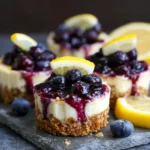
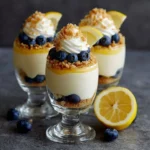
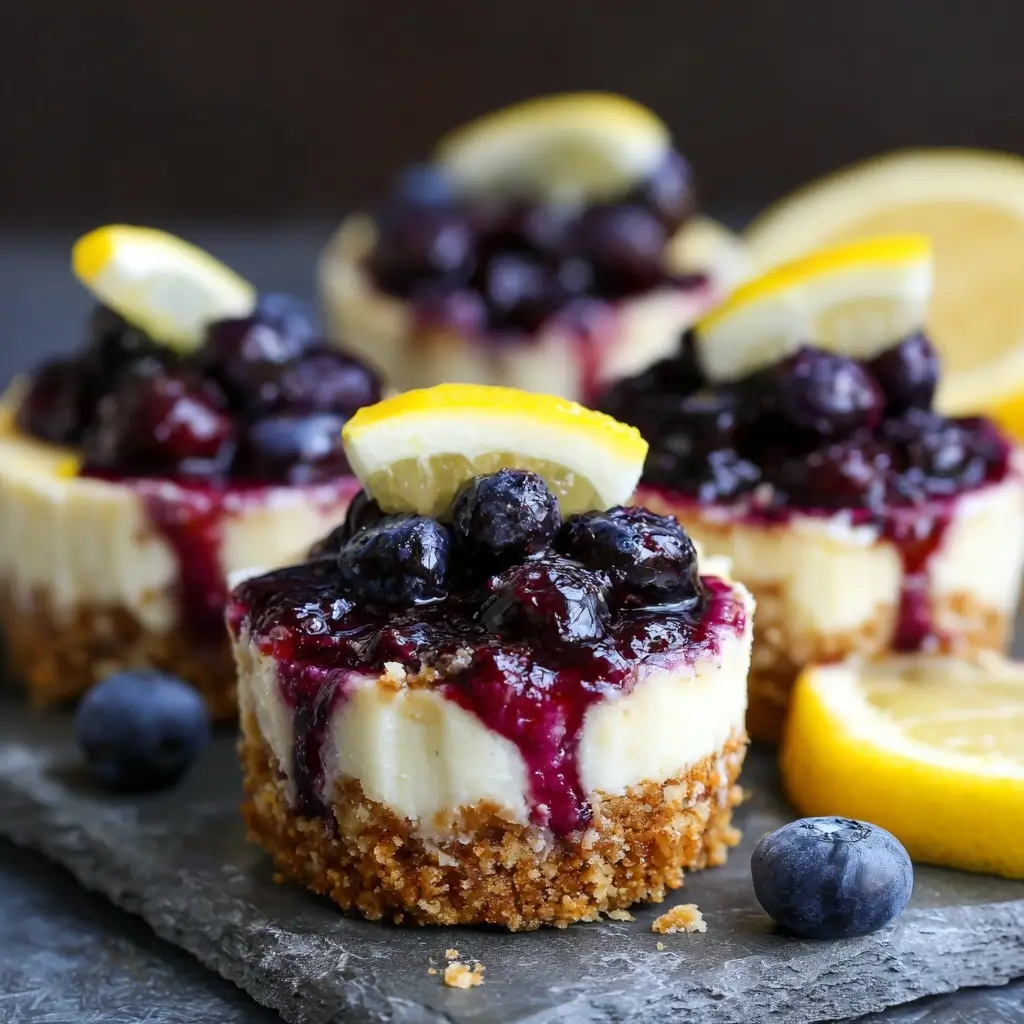
Blueberry Lemon Cheesecake Cups are the perfect marriage of bright citrus zest, luscious berry sweetness, and creamy, velvety cheesecake—served in individual, no-bake, portion-controlled servings. These elegant yet effortless mini desserts strike a masterful balance: the tart pop of fresh lemon juice and zest cuts through the rich, tangy cream cheese base, while bursts of juicy blueberries—whether fresh, frozen, or lightly cooked into a glossy compote—add natural sweetness, vibrant color, and antioxidant-rich depth. Designed for modern home bakers who value both flavor sophistication and practicality, these cups eliminate the stress of springform pans, water baths, cracking, or lengthy oven time—yet deliver all the luxurious mouthfeel and nostalgic charm of a classic New York-style cheesecake. Whether you’re prepping for a summer picnic, impressing guests at a bridal shower, satisfying a midnight craving, or packing a nutrient-conscious treat for your child’s lunchbox, Blueberry Lemon Cheesecake Cups offer versatility without compromise.
The History
The evolution of Blueberry Lemon Cheesecake Cups traces a fascinating lineage across centuries and continents. Cheesecake itself dates back to ancient Greece, where early versions made with honey-sweetened cheese, flour, and wheat were served to athletes during the first Olympic Games in 776 BCE. The Romans later adopted and adapted the dessert, spreading it throughout their empire. In medieval Europe, cheesecakes evolved with regional dairy traditions—England’s “cheese curd” cakes, Italy’s ricotta-based ricotta cheesecake, and Germany’s quark-laden variations. The American iteration emerged prominently in the late 19th century, notably popularized by Arnold Reuben in New York City in the 1920s, and later refined by Evelyn Roth at Lindy’s Restaurant—giving rise to the dense, baked, cream cheese–heavy style we cherish today.
Lemon and blueberry entered the cheesecake canon much later—driven by 20th-century agricultural expansion and flavor innovation. Blueberries, native to North America and long used by Indigenous peoples for food and medicine, became commercially cultivated in the early 1900s thanks to Elizabeth White and Dr. Frederick Coville’s pioneering work in New Jersey. Their availability surged post-WWII, coinciding with the rise of fruit-swirled desserts. Lemon, long prized for its preservative and brightening properties, found renewed popularity in mid-century American baking as home cooks sought zesty counterpoints to rich dairy. The fusion of lemon and blueberry—two quintessentially “bright + bold” American flavors—gained traction in the 1980s and ’90s in gourmet cookbooks and café menus, but it wasn’t until the 2010s that social media and food blogging catalyzed the miniaturized, no-bake, layered cup format. Inspired by parfaits, trifles, and yogurt cups, Blueberry Lemon Cheesecake Cups emerged as a viral favorite—ideal for meal prep, keto and gluten-free adaptations, and Instagram-worthy presentation. Today, they symbolize a broader culinary shift toward mindful indulgence: decadent in taste, intentional in portion, flexible in diet, and deeply rooted in seasonal, whole-food storytelling.
Ingredients Breakdown
Every element in Blueberry Lemon Cheesecake Cups serves a precise functional and sensory role—no ingredient is arbitrary. Here’s an in-depth, chef-level breakdown:
- Graham Cracker Crumbs (or Alternative Base): Provides structure, crunch, and subtle caramelized sweetness. Traditional graham crackers contain honey and cinnamon, which complement lemon’s acidity and blueberry’s earthiness. For gluten-free versions, almond flour–based crackers or certified GF graham alternatives maintain texture integrity without grittiness. The fat content (from oils or butter in the cracker) ensures the crust binds without excessive moisture absorption from the filling.
- Unsalted Butter (Melted): Acts as the binding agent for the crust. Unsalted butter allows precise sodium control and prevents masking delicate lemon notes. Its milk solids contribute gentle browning and nutty depth when lightly toasted in the crust step.
- Cream Cheese (Full-Fat, Room Temperature): The cornerstone of texture and tang. Full-fat (≥33% milkfat) is non-negotiable—it delivers richness, stability, and emulsification capacity. Cold cream cheese causes lumps; room temperature (65–70°F) ensures smooth incorporation and prevents overmixing, which can introduce air bubbles and lead to weeping or graininess.
- Powdered Sugar (Confectioners’ Sugar): Dissolves instantly into the filling—critical for a silky, lump-free texture. Contains cornstarch (typically 3%), which subtly thickens and stabilizes the mixture, enhancing shelf life and freeze-thaw resilience. Granulated sugar would yield graininess and require excessive mixing.
- Fresh Lemon Juice & Zest: Juice provides sharp, volatile acidity that balances fat and sugar; zest contributes aromatic lemon oil (limonene), adding top-note brightness and complexity far beyond juice alone. Bottled juice lacks enzymatic freshness and contains preservatives that dull flavor and may destabilize dairy proteins.
- Heavy Cream (36–40% Fat) or Sour Cream: Adds unctuousness, moisture, and slight tang. Heavy cream yields a lighter, airier texture; sour cream deepens tang and improves sliceability. Both contribute casein proteins that reinforce the filling’s colloidal network, preventing syneresis (weeping).
- Vanilla Extract (Pure, Not Imitation): Rounds out acidity and enhances perception of sweetness without added sugar. Real vanilla contains over 200 aromatic compounds—including vanillin, guaiacol, and furfural—that harmonize with lemon’s citral and blueberry’s anthocyanins.
- Fresh or Frozen Blueberries: Fresh berries offer firm texture and floral nuance; frozen (unsweetened, individually quick-frozen) provide consistent juiciness and deeper color due to cell-wall rupture during freezing—releasing more anthocyanins. Avoid canned blueberries (syrup alters pH and adds unwanted sweetness).
- Lemon Juice & Sugar (for Blueberry Compote): Acid (lemon) preserves vibrant purple-red hues by stabilizing anthocyanins in acidic pH (<3.5); sugar draws out juices, concentrates flavor, and forms a light pectin gel for spoonable consistency.
- Optional Enhancements: A pinch of sea salt heightens all flavors via sodium ion modulation; a teaspoon of cornstarch in the compote ensures glossy sheen and cling; a splash of orange blossom water or elderflower liqueur adds haute-cuisine dimensionality without overpowering.
Step-by-Step Recipe
This meticulously tested method guarantees flawless texture, clean layers, and professional results—every time. Yield: 12 standard 4-ounce mason jars or silicone muffin cups.
- Prepare the Crust (15 minutes + chilling): In a food processor, pulse 1 ½ cups graham cracker crumbs (about 10 full sheets), 2 tbsp granulated sugar, and ¼ tsp fine sea salt until uniform. Add 6 tbsp unsalted butter, melted and slightly cooled, and pulse until mixture resembles wet sand and holds together when pinched. Evenly divide among 12 (4 oz) jars or silicone molds (approx. 1 heaping tbsp each). Use the back of a measuring spoon or small tamper to press firmly into an even, compact ¼-inch layer. Refrigerate uncovered for at least 30 minutes—or freeze for 15 minutes—to fully set before filling.
- Make the Blueberry Compote (12 minutes): While crust chills, combine 1 ½ cups fresh or frozen (unthawed) blueberries, ⅓ cup granulated sugar, 1 tbsp fresh lemon juice, and 1 tsp cornstarch in a small nonstick saucepan. Stir gently to coat. Cook over medium-low heat, stirring constantly with a silicone spatula, until berries begin to burst (3–4 minutes). Reduce heat to low and simmer gently for 5–6 minutes, crushing larger berries lightly with the spatula, until thickened to a jam-like consistency that coats the back of a spoon. Remove from heat; stir in ½ tsp lemon zest. Transfer to a shallow dish and cool completely to room temperature (do not refrigerate yet—condensation will dilute flavor). Optional: strain for seedless elegance.
- Prepare the Cheesecake Filling (10 minutes): In a large bowl of a stand mixer fitted with the paddle attachment (or use a hand mixer), beat 16 oz full-fat brick-style cream cheese (2 standard 8-oz blocks), softened to true room temperature, on medium speed for 45 seconds until creamy and free of lumps. Scrape down bowl. Add 1 cup powdered sugar and beat on low for 30 seconds, then increase to medium for 1 minute until smooth and glossy. Scrape down bowl thoroughly. Add ¼ cup fresh lemon juice, 1 tbsp finely grated lemon zest, 1 tsp pure vanilla extract, and a generous pinch of sea salt. Beat on low for 20 seconds to incorporate, then medium for 45 seconds until homogeneous. With mixer running on low, slowly stream in ½ cup cold heavy cream (or full-fat sour cream) until just combined—do not overmix. Batter should be thick, smooth, and hold soft peaks.
- Assemble the Cups (8 minutes): Remove chilled crusts from refrigerator. Spoon or pipe 2 heaping tablespoons (≈50g) of cheesecake filling evenly over each crust layer. Smooth tops gently with an offset spatula or the back of a spoon dipped in warm water. Spoon 1 generous tablespoon (≈20g) of cooled blueberry compote over each filling. Using a toothpick or skewer, gently swirl once or twice—not overmixed—to create marbled ribbons while preserving distinct pockets of berry. Optional: reserve 12 whole fresh blueberries for garnish.
- Chill & Set (Minimum 6 hours, ideally overnight): Cover jars loosely with parchment-lined lids or plastic wrap (to prevent condensation and odor absorption). Refrigerate for at least 6 hours—but 12–24 hours is optimal for full texture development: the crust hydrates without sogginess, the filling firms to luxuriously dense-yet-creamy consistency, and flavors meld profoundly. Do not freeze at this stage unless following freezer instructions below.
- Final Touches & Serving (2 minutes): Just before serving, garnish each cup with a fresh blueberry, a tiny twist of lemon zest, and/or a mint leaf. For enhanced visual drama, drizzle with additional compote or a lemon–honey glaze (1 tbsp lemon juice + 1 tsp local honey, whisked smooth). Serve chilled, straight from the refrigerator.
Tips
- Temperature Is Everything: Never skip bringing cream cheese to true room temperature—it should yield slightly to gentle pressure, like cool butter. Cold cream cheese creates irreparable lumps, even with prolonged mixing. Conversely, overheated cream cheese (above 75°F) becomes oily and separates.
- Sift Your Powdered Sugar: Even “clump-free” confectioners’ sugar benefits from sifting—especially if stored in humid environments. Sifting prevents micro-lumps that become visible after chilling.
- Acid Balance Matters: Lemon juice acidity varies by variety and ripeness. Always taste your batter before assembling: it should be tangy but not eye-watering. If too sharp, add ½ tsp more powdered sugar; if too flat, add ½ tsp more juice.
- Compote Consistency Check: The ideal compote should mound slightly on a chilled spoon—not run off immediately, nor sit stiffly. If too thin after cooling, reheat with ¼ tsp cornstarch slurry; if too thick, stir in ½ tsp lemon juice.
- No Swirl Overkill: Swirling more than 3–4 times per cup eliminates visual contrast and turns the filling muddy. Think “lazy river,” not “whirlpool.”
- Crust Pressing Technique: Use upward pressure—not downward—to avoid pushing crumbs up jar sides. A flat-bottomed shot glass or small ramekin works better than a spoon for even compression.
- Chill Gradually: Avoid shocking warm filling into cold jars. Let filling rest at cool room temp (65°F) for 10 minutes before assembling to prevent thermal contraction cracks.
- Storage Wisdom: These cups keep impeccably for 5 days refrigerated. For longer storage, freeze assembled (but unfrosted) cups for up to 3 months: wrap individually in parchment + foil, thaw overnight in fridge—not at room temp—to preserve texture.
- Prevent Jar Condensation: Wipe jar exteriors completely dry before chilling. Place a folded paper towel beneath the storage tray to absorb ambient moisture.
- Flavor Layering Pro Tip: Steep lemon zest in the heavy cream for 15 minutes before adding to batter—then strain. This infuses subtle oil without bitterness from pith.
Variations and Customizations
Blueberry Lemon Cheesecake Cups are a canvas for creativity—adaptable across dietary frameworks, seasonal produce, global flavors, and occasion-specific styling:
- Gluten-Free Version: Substitute certified GF graham crackers or make a nut-based crust: 1 ¼ cups blanched almond flour + 2 tbsp coconut sugar + ¼ tsp xanthan gum + 5 tbsp melted coconut oil (refined for neutral taste). Toast crust at 350°F for 8 minutes before pressing.
- Vegan & Dairy-Free: Use high-fat cashew cream (soaked raw cashews blended with lemon juice, maple syrup, coconut oil, and probiotic powder for tang) for the filling; date-oat-walnut crust; and a chia-blueberry compote (chia seeds thicken naturally). Ensure lemon zest is organic (wax-free).
- Keto/Low-Carb Adaptation: Crust = 1 cup crushed pecans + 2 tbsp erythritol + 3 tbsp melted butter + ¼ tsp cinnamon. Filling = full-fat cream cheese, powdered erythritol or allulose, sour cream, lemon, and vanilla. Compote = 1 cup blueberries simmered with 2 tbsp powdered erythritol + 1 tsp lemon juice + ½ tsp glucomannan (konjac root fiber) as thickener.
- Protein-Powered: Blend 1 scoop unflavored or lemon-vanilla whey or collagen peptides into the filling after cream cheese stage. Add 1 tbsp hemp hearts to crust for crunch and omegas.
- Herbal & Floral Twists: Infuse compote with 1 tsp fresh thyme or lavender (strain before cooling); fold 1 tbsp finely chopped basil into filling; or finish with edible violets and lemon verbena.
- Seasonal Swaps: In fall—substitute roasted blackberries + orange zest; winter—cranberry-apple compote + ginger; spring—strawberry-rhubarb + pink peppercorn; summer—raspberry-lime + basil.
- Textural Upgrades: Add 2 tbsp toasted coconut flakes or crushed shortbread to crust; fold ¼ cup white chocolate chips or candied lemon peel into filling; top with candied blueberries or lemon sugar crystals.
- Alcoholic Elegance: Stir 1 tbsp limoncello or Chambord into compote; add 1 tsp bourbon to filling; or float a delicate lemon–blueberry shrub (vinegar-based syrup) on top.
- Miniature & Petite: Use 2-oz demi-tasse cups for elegant cocktail-hour bites—reduce crust to 2 tsp, filling to 1 tbsp, compote to 1 tsp. Perfect for weddings or tasting menus.
- Bakeable Version: Pour assembled cups (minus compote swirl) into foil-lined muffin tins and bake at 325°F for 18–22 minutes until edges are set but centers jiggle slightly. Cool completely, then top with compote.
Health Considerations and Nutritional Value
A single Blueberry Lemon Cheesecake Cup (standard recipe, 4-oz jar) delivers approximately 245–265 calories, with nuanced nutritional benefits that elevate it beyond typical indulgence desserts:
- Antioxidant Powerhouse: Blueberries rank #1 on the USDA’s ORAC (Oxygen Radical Absorbance Capacity) scale among common fruits—packed with anthocyanins, quercetin, and vitamin C. These compounds combat oxidative stress, support cognitive function, reduce inflammation, and promote cardiovascular health. One cup provides ~24% DV of vitamin C and 36% DV of vitamin K.
- Lemon Bioactives: Lemon zest contains limonene (a D-limonene monoterpene shown in studies to support liver detoxification enzymes) and hesperidin (a flavonoid linked to improved vascular elasticity and reduced LDL oxidation). Juice contributes citric acid, which enhances non-heme iron absorption from plant foods.
- Cream Cheese Nuances: While higher in saturated fat, full-fat cream cheese provides conjugated linoleic acid (CLA)—a naturally occurring trans-fat with documented anti-inflammatory and metabolic benefits in clinical trials. It also delivers appreciable calcium (15% DV per serving) and vitamin A (retinol).
- Dietary Fiber & Prebiotics: Graham cracker crust contributes ~1g dietary fiber; adding ground flaxseed (1 tsp per cup) boosts omega-3 ALA and soluble fiber. Blueberries themselves contain pectin—a prebiotic fiber that feeds beneficial gut Bifidobacteria.
- Lower Glycemic Impact: Compared to traditional cheesecake, the smaller portion size, presence of fiber and acid (lemon), and absence of refined flour in the filling result in a moderated blood sugar response—especially when paired with a protein-rich meal.
- Considerations & Mitigations: Sodium content (~180mg) is moderate—easily reduced by omitting added salt and using low-sodium crackers. For those monitoring saturated fat, substituting half the cream cheese with strained Greek yogurt (2% fat) maintains texture while lowering sat-fat by ~30%. Those with lactose sensitivity often tolerate aged cheeses better than milk—but cream cheese contains ~1g lactose per ounce; lactase enzyme drops added to filling pre-chill improve digestibility.
- Mindful Enjoyment Framework: These cups align beautifully with intuitive eating principles: honoring hunger/fullness cues (portion control built-in), respecting satisfaction (rich flavor prevents overeating), and gentle nutrition (whole-food ingredients, zero artificial colors/flavors/preservatives). They’re not “health food”—they’re *health-supportive* dessert.
Ingredients
Makes 12 (4-oz) servings
- For the Crust: 1 ½ cups graham cracker crumbs (about 10 full crackers), 2 tbsp granulated sugar, ¼ tsp fine sea salt, 6 tbsp unsalted butter, melted and cooled
- For the Blueberry Compote: 1 ½ cups fresh or unsweetened frozen blueberries, ⅓ cup granulated sugar, 1 tbsp fresh lemon juice, 1 tsp cornstarch, ½ tsp lemon zest (optional, for finishing)
- For the Cheesecake Filling: 16 oz full-fat brick-style cream cheese (2 × 8-oz packages), softened to room temperature, 1 cup powdered sugar, sifted, ¼ cup fresh lemon juice (from ~2 large lemons), 1 tbsp finely grated lemon zest (preferably organic), 1 tsp pure vanilla extract, Generous pinch of fine sea salt, ½ cup cold heavy cream (36–40% fat) or full-fat sour cream
- For Garnish (Optional): Fresh blueberries, extra lemon zest, fresh mint leaves, lemon–honey drizzle (1 tbsp lemon juice + 1 tsp honey)
Directions
- Prepare crust: In a food processor, pulse graham cracker crumbs, 2 tbsp granulated sugar, and ¼ tsp sea salt until fine. Add melted butter; pulse until mixture resembles wet sand and holds together when squeezed. Divide evenly among 12 (4-oz) jars or silicone molds (≈1 heaping tbsp each). Press firmly into even ¼-inch layers using a small tamper or flat-bottomed spoon. Refrigerate uncovered for at least 30 minutes.
- Make compote: In a small saucepan, combine blueberries, ⅓ cup sugar, 1 tbsp lemon juice, and 1 tsp cornstarch. Stir gently. Cook over medium-low heat, stirring constantly, until berries soften and burst (3–4 min). Reduce heat to low; simmer 5–6 min more, crushing berries lightly, until thickened to jam-like consistency. Remove from heat; stir in ½ tsp lemon zest. Transfer to shallow dish; cool completely to room temperature (≈45 min).
- Prepare filling: In stand mixer bowl with paddle attachment (or large bowl with hand mixer), beat cream cheese on medium 45 sec until smooth. Scrape bowl. Add powdered sugar; beat low 30 sec, then medium 1 min until glossy. Scrape bowl. Add lemon juice, zest, vanilla, and pinch of salt; beat low 20 sec, then medium 45 sec. With mixer on low, slowly pour in cold heavy cream; mix until just combined (do not overmix). Batter should be thick and smooth.
- Assemble: Remove chilled crusts. Spoon 2 heaping tbsp filling over each crust; smooth gently. Top with 1 generous tbsp cooled compote. Use toothpick to swirl gently 2–3 times per cup.
- Chill: Cover loosely with parchment-lined lids or plastic wrap. Refrigerate minimum 6 hours, ideally 12–24 hours.
- Serve: Garnish with fresh blueberries, lemon zest, or mint. Drizzle with lemon–honey glaze if desired. Enjoy chilled.
FAQ
- Can I use low-fat cream cheese?
- No—low-fat or neufchâtel cream cheese lacks sufficient milkfat (typically only 20–25%) to emulsify properly, resulting in a grainy, watery, or crumbly filling that weeps upon chilling. Full-fat is essential for structure and mouthfeel.
- Why did my filling crack or separate?
- Most commonly caused by: (1) Cold cream cheese—always soften to true room temp; (2) Overmixing after adding cream—stop as soon as incorporated; (3) Thermal shock—don’t assemble hot filling into cold jars; (4) Excess acid—too much lemon juice denatures proteins. Stick to recipe ratios.
- Can I make these ahead for an event?
- Absolutely—and recommended! They peak in flavor and texture at 24 hours chilled. Assemble up to 3 days ahead and store covered in fridge. For events >3 days out, freeze (see Tips section) and thaw overnight in fridge.
- My compote is too runny after chilling—what do I do?
- Reheat gently in saucepan over low heat, stirring constantly, until bubbling. Whisk in ¼ tsp cornstarch mixed with 1 tsp cold water; simmer 1 minute. Cool completely before using.
- Are frozen blueberries okay? Do I need to thaw them?
- Yes—unsweetened frozen blueberries work excellently and often yield deeper color and juicier bursts. Do NOT thaw before cooking; add directly from freezer to saucepan—this prevents excess water release.
- Can I substitute lime or orange for lemon?
- Yes—with caveats: Lime offers sharper, greener acidity—reduce juice by 1 tsp to avoid harshness; orange is sweeter and less acidic—use 3 tbsp juice + 1 tbsp lemon juice to retain balance. Adjust zest accordingly.
- How do I prevent the crust from getting soggy?
- Chilling the crust before filling is critical. Also ensure compote is completely cool (room temp), and never warm. For ultra-crisp crusts, pre-toast the crumb mixture in a skillet over medium heat for 2 minutes before adding butter.
- Can I use store-bought blueberry compote?
- Not recommended. Most contain added water, corn syrup, artificial flavors, and preservatives that dilute flavor, alter pH (affecting color), and introduce unwanted sweetness. Homemade takes 12 minutes and tastes infinitely superior.
- Is there a way to make these nut-free?
- Yes—simply avoid nut-based crust substitutions. Stick with GF graham crackers, digestive biscuits, or even crushed gluten-free pretzels for savory-sweet contrast. All other ingredients are naturally nut-free.
- What’s the best way to transport these?
- Use a rigid, insulated cooler bag with ice packs. Place jars upright in a snug-fitting container (like a divided bento box) to prevent shifting. Keep chilled until 15 minutes before serving.
Summary
Blueberry Lemon Cheesecake Cups are a masterclass in balanced indulgence—where zesty lemon brightens rich cream cheese, jewel-toned blueberries lend natural sweetness and superfood power, and a buttery graham crust anchors every bite with comforting crunch—all elegantly portioned into no-bake, make-ahead, endlessly customizable mini masterpieces.
With meticulous attention to ingredient quality, temperature control, and technique, they deliver restaurant-quality luxury in under 45 active minutes, making them as practical for weekday treats as they are spectacular for milestone celebrations—proving that mindful dessert-making is always within reach.