Introduction
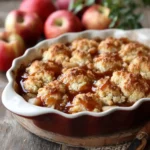
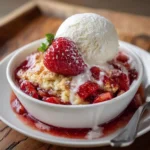
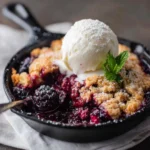
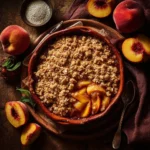
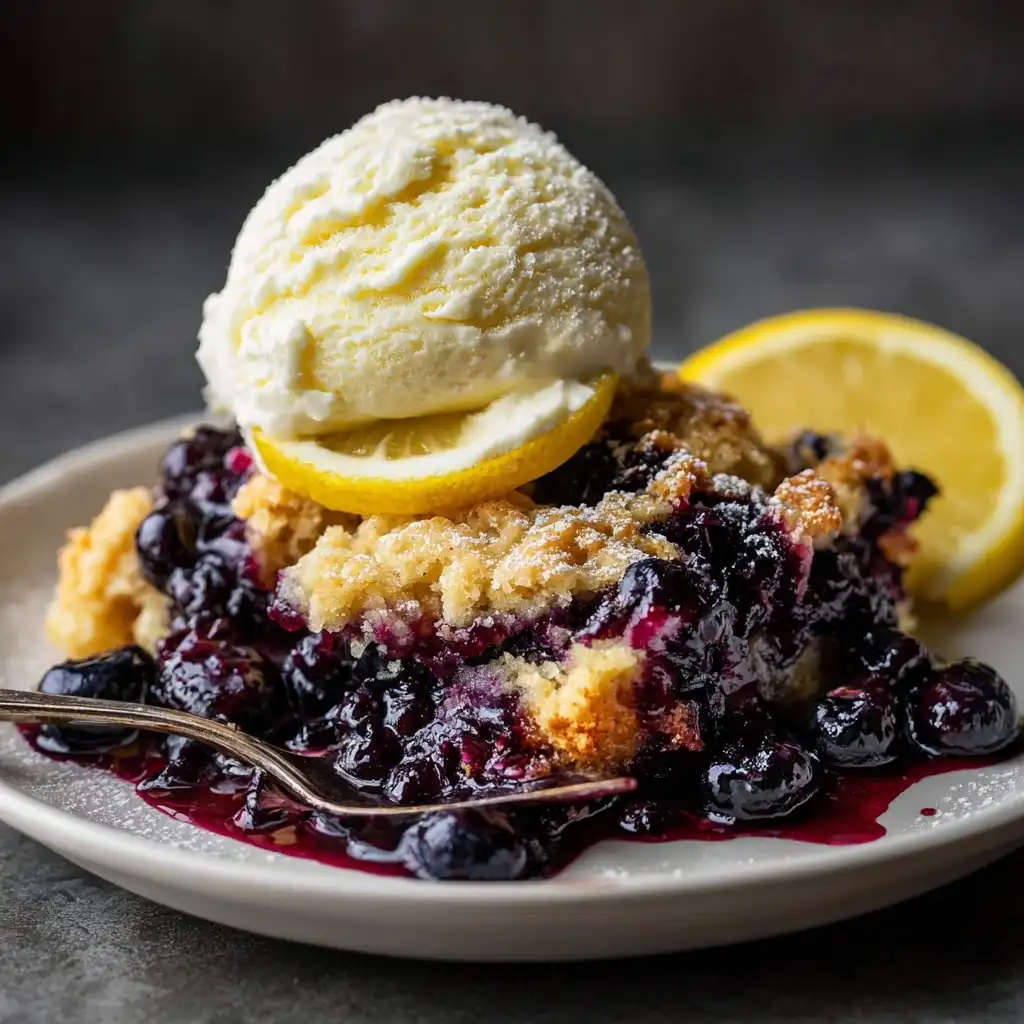
Blueberry Lemon Cobbler is a timeless American dessert that marries the deep, jammy sweetness of ripe blueberries with the bright, zesty tang of fresh lemon—a harmonious balance that awakens the palate and evokes nostalgia in every bite. More than just a seasonal treat, it’s a celebration of simplicity, rustic charm, and the magic that happens when fruit, butter, sugar, and flour come together under gentle heat. Whether served warm from the oven with a scoop of vanilla bean ice cream melting into its golden crust or enjoyed the next day with a dollop of crème fraîche, this cobbler embodies comfort, elegance, and effortless sophistication. Its versatility makes it equally at home at summer picnics, holiday gatherings, weekend brunches, or quiet Tuesday-night indulgences—proof that extraordinary flavor doesn’t require complexity, just intention, quality ingredients, and a little love.
The History
The cobbler—a baked fruit dessert topped with biscuit-like dough, dumplings, or cake batter—has roots stretching back to 17th-century England, where “coble” referred to something lumpy or uneven, describing the rustic, cobblestone-like appearance of the hand-dropped topping. When English colonists brought the concept to America, they adapted it using locally abundant fruits and pantry staples like buttermilk, lard, and cornmeal. By the mid-1800s, cobblers had become a cornerstone of Southern and Appalachian home cooking—prized for their frugality, adaptability, and forgiving technique. Blueberries, native to North America and harvested wild for centuries by Indigenous peoples (who used them medicinally and ceremonially), became widely incorporated into desserts after commercial cultivation began in New Jersey in the early 1900s. Lemon, though not native, arrived via Spanish explorers and gained popularity in the U.S. by the late 19th century; its acidity was soon recognized as the perfect counterpoint to sweet, sometimes overly soft berries. The Blueberry Lemon Cobbler likely emerged organically in the mid-20th century—perhaps first scribbled on a recipe card in a Maine farmhouse or a Florida citrus grove kitchen—as home bakers experimented with balancing tartness and sweetness. It gained renewed attention in the 2000s with the farm-to-table movement and the rise of artisanal baking blogs, evolving from humble homestead fare into a signature dessert featured in James Beard Award–winning cookbooks and upscale brunch menus nationwide.
Ingredients Breakdown
Every exceptional Blueberry Lemon Cobbler begins with a thoughtful, layered ingredient strategy—each component playing a distinct functional and sensory role:
- Fresh Blueberries (4 cups): The heart of the dessert. Opt for plump, deeply hued, firm berries—wild lowbush blueberries offer intense flavor and natural pectin; cultivated highbush varieties provide juiciness and yield. Avoid overripe or mushy berries, which break down excessively and dilute flavor. Frozen blueberries (unsweetened, unthawed) work beautifully year-round—they release controlled moisture and hold shape better than thawed counterparts.
- Fresh Lemon Zest (2 tbsp, finely grated): Packed with aromatic citrus oils, zest delivers concentrated brightness without added liquid. Use a microplane for fine, even shreds—avoid the bitter white pith underneath the yellow skin.
- Fresh Lemon Juice (¼ cup, about 1½–2 medium lemons): Provides essential acidity to cut richness and enhance berry flavor. Bottled juice lacks nuance and can taste metallic—always use freshly squeezed. Strain to remove seeds and pulp for clean texture.
- Granulated Sugar (¾ cup for filling, plus 2 tbsp for topping): Sweetens without masking fruit character. Adjust based on berry ripeness: underripe berries may need up to 1 cup; very sweet ones may need as little as ½ cup. A small portion sprinkled over the batter before baking encourages caramelization and adds textural contrast.
- Cornstarch (3 tbsp): The ideal thickener for fruit fillings—neutral flavor, clear gel, and reliable performance at high heat. Tapioca starch is a viable alternative (use same amount); avoid flour, which can leave a cloudy, pasty residue.
- Unsalted Butter (6 tbsp, cold and cubed): Adds flakiness, richness, and tender crumb to the biscuit topping. Cold butter creates steam pockets as it melts—key to lift and airy texture. Salted butter can be used, but reduce added salt accordingly.
- All-Purpose Flour (1¼ cups): Provides structure. For gluten-free versions, use a 1:1 certified GF blend with xanthan gum; add ¼ tsp extra xanthan gum if your blend doesn’t include it.
- Baking Powder (2 tsp) & Baking Soda (¼ tsp): Double-acting leavening ensures maximum rise and tenderness. The soda also neutralizes excess acidity from lemon, preventing a metallic aftertaste and promoting golden browning.
- Coarse Sea Salt (½ tsp): Enhances all flavors—especially fruit and butter—without tasting salty. Fine table salt can be substituted, but reduce to ¼ tsp.
- Heavy Cream (¾ cup, very cold): Adds moisture, fat, and tenderness without making the batter dense. Half-and-half or whole milk may be used—but expect slightly less richness and browning. For dairy-free, full-fat coconut milk (chilled, solid part only) works surprisingly well.
- Vanilla Extract (1 tsp, pure): Deepens warmth and rounds out sharp citrus notes. Madagascar bourbon vanilla is preferred for its creamy, floral complexity.
- Optional Garnishes: Whipped cream infused with lemon zest, candied lemon slices, toasted sliced almonds, lavender honey drizzle, or a sprinkle of turbinado sugar for crunch.
Step-by-Step Recipe
- Preheat & Prep: Position oven rack in the lower third. Preheat oven to 375°F (190°C). Lightly grease a 9×13-inch ceramic or glass baking dish (or two 8-inch square dishes for portion control). Line bottom and sides with parchment paper for foolproof removal—optional but highly recommended.
- Prepare the Filling: In a large bowl, gently toss blueberries with lemon zest, lemon juice, granulated sugar (¾ cup), cornstarch, and a pinch of salt until evenly coated. Let sit 10 minutes—this draws out juices and allows starch to hydrate. Transfer mixture (including all accumulated liquid) into prepared dish. Spread evenly. Do not pre-bake.
- Make the Batter: In a food processor fitted with the steel blade, pulse cold cubed butter and flour 4–5 times until mixture resembles coarse meal with some pea-sized butter pieces remaining. Alternatively, use a pastry cutter or two forks. Add baking powder, baking soda, salt, and pulse 2 more times to combine. Transfer to a medium bowl. Stir in cold heavy cream and vanilla with a silicone spatula or wooden spoon—mix *just* until a shaggy, slightly sticky dough forms. Do not overmix; streaks of flour are okay. Let rest 5 minutes to allow gluten relaxation and butter re-chilling.
- Assemble: Using a ¼-cup measuring cup or ice cream scoop, portion batter and drop evenly over blueberry layer. Gently spread each portion with the back of a spoon to cover most of the surface—don’t worry about gaps; they’ll fill during baking. Sprinkle top evenly with remaining 2 tbsp sugar and an extra light grating of lemon zest.
- Bake: Place dish on a rimmed baking sheet (to catch potential bubbling over). Bake 45–55 minutes, rotating halfway through, until topping is deeply golden brown, edges are bubbling vigorously, and center is set (a toothpick inserted into topping should emerge with moist crumbs—not wet batter). Internal temperature of filling should read 205–210°F on an instant-read thermometer.
- Cool & Set: Remove from oven and place on a wire rack. Let cool *at least* 45 minutes before serving. This critical step allows the filling to fully thicken and prevents a runny, soupy result. For best texture, cool 1.5–2 hours—or chill overnight and re-warm gently.
Tips
- Blueberry Wisdom: If using frozen berries, do *not* thaw—add directly from freezer. Their icy exterior helps keep the batter cold and slows initial juice release. Pat fresh berries dry with paper towels if damp—excess surface water dilutes flavor and interferes with thickening.
- Zest First, Juice Later: Always zest lemons before juicing—they’re easier to handle when firm and cold. Store unused zest in a sealed jar in the freezer for up to 6 months.
- Cold Is Crucial: Chill mixing bowl, cream, and even flour for 15 minutes before starting. Cold ingredients = flakier, loftier topping.
- No Overmixing: Stir batter only until *just* combined. Overworking develops gluten, yielding tough, dense biscuits instead of tender, cloud-like mounds.
- Rotate & Monitor: Ovens vary wildly. Rotate dish at 25 minutes—and begin checking at 40 minutes. If topping browns too fast, loosely tent with foil while continuing to bake until filling bubbles.
- Thickening Troubleshooting: If filling seems too thin after cooling, return dish to a 350°F oven for 10–15 minutes. Cornstarch needs sustained heat to fully activate.
- Make-Ahead Magic: Assemble filling and refrigerate up to 24 hours. Prepare batter and refrigerate (covered) up to 12 hours—let sit at room temp 10 minutes before dropping. Or freeze unbaked cobbler (tightly wrapped) up to 3 months—bake frozen, adding 15–20 minutes to time.
- Serving Secret: Serve warm—not hot. Heat dulls lemon brightness. A 15-minute rest after reheating restores vibrancy.
Variations and Customizations
- Blackberry-Lemon Twist: Substitute half or all blueberries with blackberries for deeper tannins and earthier notes. Add ½ tsp ground ginger to batter.
- Lavender-Infused: Steep 1 tsp culinary-grade dried lavender in warm cream for 10 minutes before straining and using. Pair with lemon verbena garnish.
- Oat-Top Cobbler: Replace ¼ cup flour in batter with old-fashioned rolled oats (not quick oats) for nutty texture and chew. Toast oats first for enhanced flavor.
- Vegan Version: Use cold coconut oil or vegan butter, unsweetened almond milk + 1 tsp apple cider vinegar (as buttermilk substitute), flax egg (1 tbsp ground flax + 3 tbsp water), and maple syrup (reduce sugar by 2 tbsp).
- Gluten-Free Adaptation: Use certified GF all-purpose blend (like King Arthur or Bob’s Red Mill 1:1). Add ¼ tsp xanthan gum if not included. Ensure cornstarch is GF-certified (most are).
- Herb-Forward: Fold 1 tbsp finely chopped fresh basil or thyme into filling—unexpected but sublime with lemon’s brightness.
- Spiced Variation: Add ¼ tsp ground cardamom + pinch of freshly grated nutmeg to batter. Complements blueberry’s floral notes.
- Mini Mason Jar Cobblers: Portion filling and batter into 6–8 (12-oz) wide-mouth mason jars. Bake at 375°F for 30–35 minutes. Perfect for gifting or portion control.
- Savory-Sweet Side: Stir 1 tbsp finely minced shallot and 1 tsp chopped rosemary into filling—ideal paired with roasted chicken or pork.
Health Considerations and Nutritional Value
A 1-serving (approx. 1/12 of 9×13 dish) of classic Blueberry Lemon Cobbler contains approximately 280–320 calories, with nuanced nutritional benefits and mindful considerations:
- Blueberry Power: Rich in anthocyanins (potent antioxidants linked to improved cognitive function and cardiovascular health), vitamin C (immune support), and dietary fiber (2–3g per serving)—which aids digestion and promotes satiety.
- Lemon Benefits: High in vitamin C, flavonoids like hesperidin (anti-inflammatory), and citric acid (supports kidney stone prevention). Zest contains limonene, studied for potential anticancer properties.
- Refined Sugar Notes: While sugar enhances flavor and texture, reducing by 2–3 tbsp (to ½ cup total) maintains structural integrity and reduces glycemic load. Substituting ¼ cup of sugar with monk fruit or erythritol blend yields ~25% fewer calories without sacrificing browning or mouthfeel.
- Butter & Fat Profile: Contains saturated fat, but also beneficial short-chain fatty acids and fat-soluble vitamins (A, D, E, K). Using grass-fed butter increases omega-3s and CLA (conjugated linoleic acid), associated with metabolic health.
- Glycemic Index Context: Moderate GI (~55–60) due to fiber from berries and acidity from lemon slowing glucose absorption—lower than many fruit pies or cakes.
- Dietary Accommodations: Naturally vegetarian. Easily adapted for vegan, gluten-free, or lower-sugar diets (see Variations). Not inherently high in sodium (<150mg/serving), making it suitable for heart-healthy plans.
- Mindful Enjoyment: Pair with Greek yogurt (protein/fat slows sugar absorption) rather than ice cream for balanced macros. One serving fits within most moderate-carb or Mediterranean diet frameworks.
Ingredients
- 4 cups fresh or frozen unsweetened blueberries (do not thaw if frozen)
- 2 tablespoons finely grated lemon zest (from 2–3 medium lemons)
- ¼ cup fresh lemon juice (about 1½–2 medium lemons)
- ¾ cup granulated sugar, plus 2 tablespoons for topping
- 3 tablespoons cornstarch
- ¼ teaspoon fine sea salt
- 6 tablespoons unsalted butter, cold and cubed
- 1¼ cups all-purpose flour (or certified gluten-free 1:1 blend)
- 2 teaspoons baking powder
- ¼ teaspoon baking soda
- ½ teaspoon coarse sea salt
- ¾ cup cold heavy cream (or full-fat coconut milk, chilled)
- 1 teaspoon pure vanilla extract
Directions
- Preheat oven to 375°F (190°C). Grease a 9×13-inch baking dish and line with parchment paper, leaving overhang on two opposite sides for easy removal.
- In a large bowl, gently combine blueberries, lemon zest, lemon juice, ¾ cup sugar, cornstarch, and pinch of salt. Let stand 10 minutes to macerate.
- Pour blueberry mixture (including all juices) into prepared dish. Spread evenly.
- In a food processor, pulse cold butter and flour until mixture resembles coarse crumbs with some pea-sized pieces. Add baking powder, baking soda, and ½ tsp salt; pulse 2 times to combine.
- Transfer to a bowl. Stir in cold heavy cream and vanilla with a spatula until just combined and shaggy—no more than 12–15 strokes. Let rest 5 minutes.
- Using a ¼-cup measure or scoop, portion batter and drop evenly over blueberries. Gently spread each portion to cover surface as much as possible.
- Sprinkle top with remaining 2 tbsp sugar and extra lemon zest.
- Place dish on a rimmed baking sheet. Bake 45–55 minutes, rotating at 25 minutes, until topping is deep golden and filling bubbles thickly around edges.
- Cool on wire rack for at least 45 minutes before serving. For optimal texture, cool 1.5–2 hours.
- Store covered at room temperature up to 2 days, or refrigerate up to 5 days. Reheat gently in 350°F oven (15 min) or microwave (20–30 sec per slice).
FAQ
- Can I use canned blueberries?
- Not recommended—canned berries are packed in syrup or heavy sugar, resulting in oversweet, mushy, and overly liquid filling. Drainage won’t compensate for texture loss or flavor dilution.
- Why does my cobbler have a soggy bottom?
- Common causes: underbaking (filling must bubble vigorously for 5+ minutes), using thawed frozen berries (releases too much water too fast), insufficient cornstarch, or skipping the 10-minute maceration (which allows starch to absorb juices).
- Can I make this ahead and freeze it?
- Absolutely. Assemble unbaked cobbler, wrap tightly in plastic + foil, and freeze up to 3 months. Bake frozen—add 15–20 minutes to bake time and tent with foil if topping browns too quickly.
- My batter is too wet/sticky—what do I do?
- Chill it 10 minutes—it will firm up. If still sticky, lightly dust hands with flour before scooping. Never add extra flour to bowl—it alters ratio and dries out topping.
- Is there a way to reduce the sugar without ruining texture?
- Yes! Reduce sugar in filling to ½ cup. Compensate with 1 tbsp honey or maple syrup (adds moisture and depth) and increase cornstarch to 3½ tbsp to maintain thickness.
- Can I use lemon extract instead of fresh juice/zest?
- Avoid it. Extract lacks volatile citrus oils and fresh acidity—resulting in artificial, one-dimensional flavor. Bottled juice is acceptable in a pinch, but zest is irreplaceable.
- What’s the best way to reheat leftovers?
- Oven is ideal: 350°F for 12–15 minutes, covered with foil first 8 minutes, then uncovered to crisp topping. Microwave works for speed (20–30 sec), but topping softens.
- Can I double this recipe?
- Yes—use two 9×13 dishes or one 14×18-inch commercial pan. Keep same temperature, but increase bake time by 5–8 minutes and check with thermometer (205–210°F).
Summary
Blueberry Lemon Cobbler is a masterclass in balance—where the sun-ripened sweetness of blueberries meets the vibrant, clarifying spark of lemon, all enveloped in a tender, golden biscuit topping that bakes up lofty and buttery. It’s a dessert rooted in heritage yet endlessly adaptable, nutritionally thoughtful without sacrifice, and profoundly comforting in its simplicity.
With meticulous attention to ingredient quality, temperature control, and patient resting, this cobbler transforms humble pantry staples into a showstopping, soul-warming experience—equally at home on a farmhouse table or a Michelin-starred dessert menu.