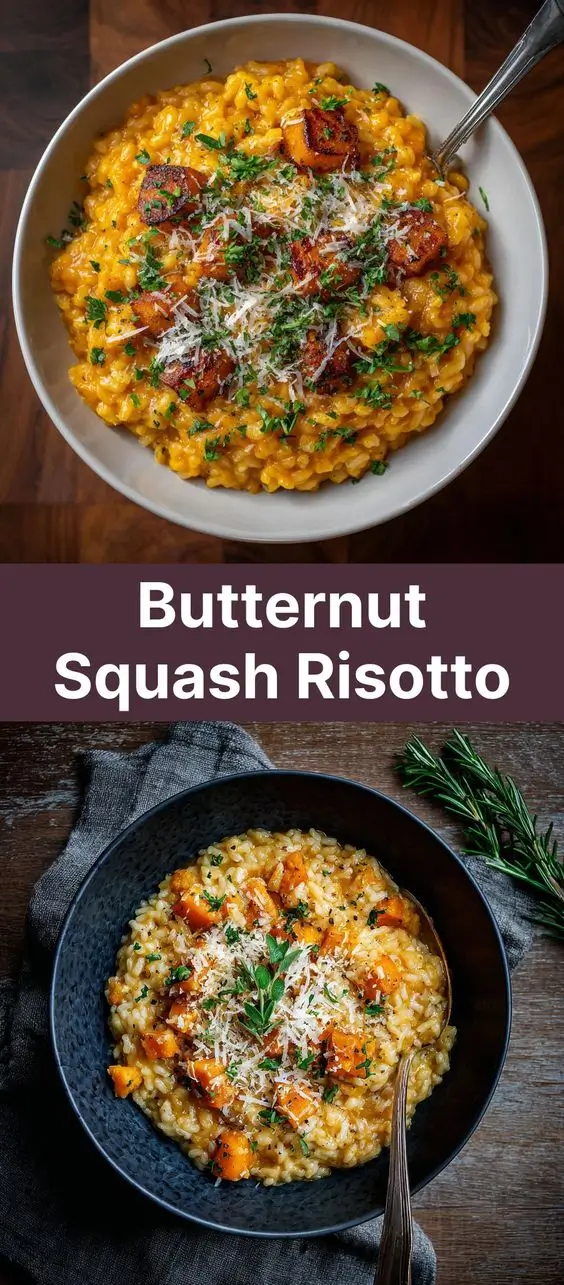
Butternut Squash Risotto: A Creamy, Comforting Delight
The History of Butternut Squash Risotto
Risotto, a quintessential Italian dish originating from the northern regions of Italy—particularly Lombardy and Piedmont—has been a culinary staple since the 14th century. Initially made with coarse rice varieties like Maratelli or Vialone Nano, risotto evolved over centuries into a refined method of cooking rice slowly in broth to create a creamy, luxurious texture without the addition of cream. The technique relies on constant stirring to release the starch from the rice grains, resulting in a velvety consistency.
Butternut squash, native to North America and domesticated thousands of years ago by Indigenous peoples, found its way into European cuisine after the Columbian Exchange. Its sweet, nutty flavor and smooth texture make it an ideal ingredient for autumnal dishes. The fusion of butternut squash with traditional risotto is a relatively modern innovation, emerging in the late 20th century as chefs began experimenting with seasonal produce and regional ingredients. Today, butternut squash risotto stands as a beloved fall favorite in both home kitchens and fine dining establishments across the globe, blending Italian culinary tradition with New World flavors.
Ingredients Breakdown
The magic of butternut squash risotto lies not only in its preparation but also in the quality and synergy of its ingredients. Each component plays a vital role in building layers of flavor, texture, and aroma.
- Arborio Rice: This short-grain rice is high in amylopectin, a type of starch that gives risotto its signature creaminess. It holds its shape well during prolonged cooking while absorbing liquid gradually.
- Butternut Squash: Sweet, earthy, and slightly nutty, roasted butternut squash adds natural sweetness and a vibrant orange hue. Roasting deepens its flavor and concentrates its sugars.
- Onion or Shallot: Finely diced shallots (preferred for their milder, sweeter taste) provide a savory base note that enhances the overall complexity.
- Garlic: Adds aromatic depth; use fresh cloves lightly sautéed to avoid bitterness.
- Dry White Wine: Such as Pinot Grigio or Sauvignon Blanc, used to deglaze the pan and add acidity that balances the richness of the dish.
- Vegetable or Chicken Broth: Warm broth is added gradually to cook the rice. Homemade broth yields superior flavor, but high-quality store-bought works well too.
- Fresh Sage: A classic herb pairing with squash, sage imparts an earthy, slightly peppery note. Fresh leaves are preferred, though dried can be substituted sparingly.
- Butter: Unsalted butter enriches the risotto at multiple stages—first to sauté aromatics, and later in the form of a mantecatura (final emulsification).
- Extra Virgin Olive Oil: Used for roasting squash and sometimes for sautéing; contributes fruity notes and prevents sticking.
- Parmesan Cheese: Aged Parmigiano-Reggiano melts smoothly and adds umami, saltiness, and body. Always grate fresh for best results.
- Salt and Black Pepper: Essential seasonings adjusted throughout cooking to layer flavor properly.
- Nutmeg (optional): A pinch enhances warmth and complements both squash and cheese.
- Heavy Cream (optional): While purists avoid cream in authentic risotto, some recipes include a splash for extra richness.
Step-by-Step Recipe
Preparation Time:
20 minutes | Cooking Time: 45 minutes | Total Time: 65 minutes | Servings: 4–6
Ingredients
- 1 medium butternut squash (about 2 lbs / 900g), peeled, seeded, and cubed into ¾-inch pieces
- 2 tablespoons olive oil (divided)
- Salt and freshly ground black pepper, to taste
- 5 cups low-sodium vegetable or chicken broth
- 1 cup dry white wine (e.g., Pinot Grigio)
- 1½ cups Arborio rice
- 2 tablespoons unsalted butter (divided)
- 1 large shallot (or small onion), finely chopped (~½ cup)
- 2 cloves garlic, minced
- 8–10 fresh sage leaves, thinly sliced (chiffonade)
- ½ cup freshly grated Parmesan cheese
- ¼ teaspoon freshly grated nutmeg (optional)
- Chopped fresh parsley, for garnish
- Toasted pumpkin seeds or pine nuts, for crunch (optional)
Directions
- Roast the Butternut Squash: Preheat oven to 400°F (200°C). Toss cubed squash with 1 tablespoon olive oil, salt, and pepper. Spread evenly on a parchment-lined baking sheet. Roast for 25–30 minutes, flipping halfway, until tender and caramelized at the edges. Set aside.
- Warm the Broth: In a medium saucepan, heat the broth over medium-low heat until steaming hot but not boiling. Keeping it warm ensures even absorption when added to the rice.
- Begin Cooking the Aromatics: In a heavy-bottomed pot or Dutch oven, melt 1 tablespoon butter with 1 tablespoon olive oil over medium heat. Add the chopped shallot and sauté for 3–4 minutes until translucent and soft. Add garlic and half the sage; cook for another 30 seconds until fragrant.
- Toast the Rice: Stir in the Arborio rice. Cook, stirring constantly, for 2–3 minutes until the grains become slightly translucent around the edges and emit a light toasted aroma. This step helps seal the rice and prevents mushiness.
- Deglaze with Wine: Pour in the white wine. Stir continuously until the liquid is fully absorbed, about 2–3 minutes. The alcohol evaporates, leaving behind acidity and fruit notes.
- Add Broth Gradually: Begin adding warm broth one ladleful (about ½ cup) at a time. Stir frequently and allow each addition to be mostly absorbed before adding the next. This process should take 18–22 minutes. Maintain a gentle simmer throughout.
- Incorporate the Squash: When the rice is al dente—tender with a slight bite—and has a creamy suspension around it, gently fold in the roasted butternut squash, reserving a few pieces for garnish. Cook for another 2–3 minutes to integrate flavors.
- Finish the Risotto (Mantecatura): Remove from heat. Stir in the remaining 1 tablespoon butter, grated Parmesan, nutmeg (if using), and remaining sage. This final enrichment creates a glossy, cohesive texture.
- Rest and Serve: Let the risotto rest for 1–2 minutes. It should spread slightly when plated but hold a mound. Adjust seasoning with salt and pepper if needed.
- Garnish and Present: Spoon into warm bowls. Top with additional Parmesan, chopped parsley, reserved roasted squash cubes, and toasted pumpkin seeds for contrast.
Tips for Perfect Butternut Squash Risotto
- Use Warm Broth: Cold broth slows cooking and disrupts the starch release, leading to uneven texture.
- Stir Frequently, Not Constantly: While regular stirring is important, you don’t need to stir nonstop. Focus on preventing sticking and ensuring even heat distribution.
- Choose the Right Pan: A wide, shallow skillet or flame-proof casserole spreads the rice for better evaporation and control over texture.
- Taste as You Go: Start checking rice doneness around the 15-minute mark. Overcooked risotto turns mushy.
- Don’t Skip the Roasting Step: Roasting intensifies the squash’s sweetness and adds depth through caramelization. Boiling or steaming results in a watery, bland flavor.
- Rest Before Serving: Allowing the risotto to rest briefly lets the starches settle and the texture stabilize.
- Serve Immediately: Risotto waits for no one! It continues to absorb liquid and thicken off the heat. If necessary, reheat gently with a splash of broth.
- Grate Your Own Cheese: Pre-grated cheeses contain anti-caking agents that hinder melting and leave a gritty texture.
Variations and Customizations
One of the joys of risotto is its adaptability. Here are inspired ways to personalize your butternut squash risotto:
- Vegan Version: Substitute butter with vegan margarine or olive oil, omit cheese or use nutritional yeast and cashew cream for a cheesy flavor.
- Protein Boost: Add grilled chicken, crispy pancetta, sautéed mushrooms, or white beans for heartier meals.
- Herb Swaps: Replace sage with thyme or rosemary for a different aromatic profile. Rosemary pairs especially well with squash.
- Spicy Kick: Add red pepper flakes or a dash of cayenne when sautéing onions for subtle heat.
- Gluten-Free Friendly: Naturally gluten-free, just ensure broth and wine are certified GF if needed.
- Citrus Twist: Finish with a zest of orange or lemon to brighten the earthy sweetness of squash.
- Creamier Texture: Blend half the roasted squash into a purée and stir it in during the last few minutes of cooking for ultra-creamy results.
- Alternative Grains: Try Carnaroli or Vialone Nano rice for more authentic texture. Avoid instant or long-grain rice.
- Fall Harvest Style: Mix in roasted apples, cranberries, or caramelized onions for festive holiday appeal.
- Seafood Fusion: Top with seared scallops or shrimp for an elegant twist combining land and sea.
Health Considerations and Nutritional Value
Butternut squash risotto, while rich and comforting, can be adapted to suit various dietary needs and health goals. Here’s a breakdown of its nutritional components per serving (based on 6 servings):
| Nutrient | Amount Per Serving |
|---|---|
| Calories | ~320–380 kcal |
| Total Fat | 10–14 g |
| Saturated Fat | 4–6 g |
| Cholesterol | 15–20 mg |
| Sodium | 400–700 mg (varies with broth and cheese) |
| Total Carbohydrates | 48–55 g |
| Dietary Fiber | 5–7 g |
| Sugars | 6–9 g (mostly natural from squash) |
| Protein | 7–10 g |
| Vitamin A | Over 200% DV (from beta-carotene in squash) |
| Vitamin C | ~35% DV |
| Potassium | ~15% DV |
| Calcium | ~10% DV |
| Iron | ~12% DV |
Health Benefits:
- Rich in Antioxidants: Butternut squash is loaded with beta-carotene, which the body converts to vitamin A, supporting vision, immunity, and skin health.
- Dietary Fiber: Promotes digestive health and helps regulate blood sugar levels.
- Low in Saturated Fat (when prepared mindfully): Can be part of a heart-healthy diet when butter and cheese are used in moderation.
- Complex Carbohydrates: Provides sustained energy due to slow-digesting rice and fiber-rich vegetables.
Considerations:
- High in Carbohydrates: May not be suitable for strict low-carb or ketogenic diets unless modified (e.g., cauliflower rice substitution, though this changes the dish significantly).
- Sodium Content: Can be high depending on broth and cheese. Use low-sodium broth and limit added salt for hypertension concerns.
- Lactose Intolerance: Contains dairy; use lactose-free cheese or omit for sensitive individuals.
- Balanced Meal Tip: Serve with a side salad or steamed greens to increase fiber and nutrient density.
Frequently Asked Questions (FAQ)
Can I make butternut squash risotto ahead of time?
Yes, but with caution. Risotto is best served immediately. However, you can par-cook the rice to al dente, cool it quickly, and refrigerate for up to 24 hours. Reheat gently with warm broth, stirring constantly, then finish with butter and cheese.
Can I freeze butternut squash risotto?
Freezing is not recommended. The texture becomes gummy upon thawing due to starch retrogradation. However, roasted squash can be frozen separately and added fresh during reheating.
Why is my risotto gluey or mushy?
This usually happens from over-stirring, using too much liquid, or overcooking. Aim for al dente texture and gradual broth addition. Remember: risotto should flow slowly like lava (“all’onda” – wavy consistency).
Can I use a different type of squash?
Absolutely! Acorn, kabocha, or pumpkin work well. Adjust roasting times based on density.
Is risotto gluten-free?
Yes, if made with pure rice and gluten-free broth. Always check labels on broth and wine if sensitivity is a concern.
Can I make this in a rice cooker or Instant Pot?
You can, though the texture may differ. For Instant Pot: Sauté aromatics, add rice and toast, then add wine and broth. Cook on high pressure for 6 minutes, quick release, then stir in squash and finish with butter and cheese.
What wine pairs well with butternut squash risotto?
A crisp white such as Pinot Grigio, unoaked Chardonnay, or Viognier complements the dish’s richness without overpowering the delicate squash flavor.
How do I store leftovers?
Cool within two hours and store in an airtight container in the refrigerator for up to 3 days. Reheat gently with broth or water to restore creaminess.
Summary
Butternut squash risotto combines the velvety richness of slow-cooked Arborio rice with the sweet, earthy depth of roasted squash, creating a harmonious autumnal dish that satisfies both comfort and elegance. With careful technique and quality ingredients, it transforms simple staples into a restaurant-worthy meal perfect for cozy nights or dinner parties.