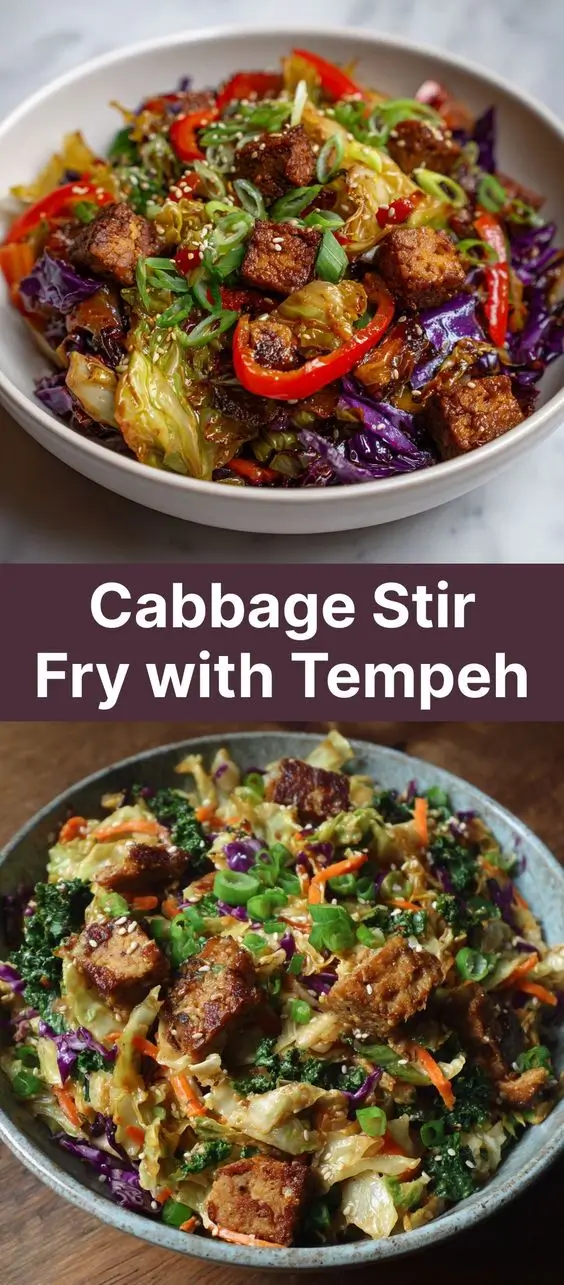
Cabbage Stir Fry with Tempeh: A Flavorful, Nutrient-Packed Plant-Based Delight
Introduction
If you’re looking for a hearty, healthy, and satisfying plant-based meal that comes together in under 30 minutes, look no further than this delicious Cabbage Stir Fry with Tempeh. Bursting with bold Asian-inspired flavors, crisp-tender vegetables, and protein-rich tempeh, this dish is perfect for weeknight dinners, meal prep, or impressing guests with your culinary flair. Whether you’re vegan, vegetarian, or simply trying to eat more plant-forward meals, this stir fry delivers on taste, texture, and nutrition. Packed with fiber, antioxidants, and essential amino acids, it’s not only delicious but also supports overall wellness. In this comprehensive guide, we’ll walk you through everything you need to know—from the history of stir-frying to ingredient breakdowns, detailed cooking instructions, expert tips, variations, nutritional insights, and frequently asked questions—to ensure your cabbage and tempeh stir fry turns out perfectly every time.
The History
Stir-frying is a centuries-old cooking technique that originated in China during the Han Dynasty (206 BCE – 220 CE), though it became especially popular during the Ming (1368–1644) and Qing (1644–1912) dynasties. The method was developed out of necessity—quick cooking over high heat conserved fuel and allowed families to prepare meals efficiently using minimal oil and ingredients. Traditionally, stir-fries were made in a wok over open flame, allowing for rapid searing and even heat distribution. Vegetables like bok choy, napa cabbage, and Chinese broccoli were commonly used, often paired with tofu or small amounts of meat due to economic constraints.
Tempeh, on the other hand, has its roots in Indonesia, specifically Java, where it has been consumed for over 400 years. Made from fermented soybeans pressed into a firm cake, tempeh was valued not only for its rich flavor and chewy texture but also for its excellent shelf life and digestibility compared to unfermented soy. It wasn’t until the late 20th century that tempeh gained popularity outside Southeast Asia, particularly among health-conscious and plant-based eaters in North America and Europe.
The fusion of Chinese-style stir-frying techniques with Indonesian tempeh creates a beautiful cross-cultural dish. Today’s Cabbage Stir Fry with Tempeh honors both traditions by combining quick, high-heat cooking with fermented plant protein and fresh vegetables—a modern homage to ancient culinary wisdom.
Ingredients Breakdown
Every great stir fry begins with quality ingredients. Here’s an in-depth look at each component of this recipe and why it matters:
- Cabbage: Green cabbage is the star here, offering a mild sweetness and satisfying crunch when stir-fried briefly. Rich in vitamin C, K, and fiber, cabbage also contains glucosinolates—compounds studied for their potential anti-cancer properties. You can substitute with napa cabbage for a more tender bite or red cabbage for added color and anthocyanins.
- Tempeh: This fermented soy product provides complete protein (containing all nine essential amino acids), probiotics, and a nutty, earthy flavor. Its firm texture holds up well to slicing, marinating, and stir-frying without falling apart. Look for organic, non-GMO tempeh whenever possible.
- Garlic & Ginger: These aromatics form the flavor foundation. Garlic adds pungency and depth, while fresh ginger brings warmth and a slight zing. Both have potent anti-inflammatory and immune-supportive properties.
- Shallots or Onion: Shallots offer a delicate sweetness and subtle sharpness, enhancing the savory profile without overpowering. Yellow onion works as a substitute if shallots aren’t available.
- Bell Peppers: Red or yellow bell peppers add vibrant color, natural sweetness, and a boost of vitamin A and C. They cook quickly and retain a pleasant crunch.
- Soy Sauce or Tamari: Provides umami and saltiness. Use low-sodium versions to control salt intake, and opt for tamari if you’re gluten-free.
- Rice Vinegar: Adds brightness and balances the richness of the sauce. Unseasoned rice vinegar is preferred so you can control sugar levels.
- Maple Syrup or Agave: A touch of natural sweetener helps balance the salty and sour elements, mimicking traditional stir fry sauces without refined sugar.
- Sesame Oil: Used sparingly for finishing, toasted sesame oil imparts a rich, nutty aroma that elevates the entire dish.
- Vegetable Oil: High smoke point oils like avocado, grapeseed, or refined coconut oil are ideal for stir-frying because they won’t burn at high temperatures.
- Red Pepper Flakes or Fresh Chilies: Optional heat enhancers. Thai bird chilies or serranos can be used for authentic spice, while red pepper flakes offer convenience.
- Cornstarch (optional): Used to thicken the sauce slightly for a glossy cling to the vegetables and tempeh.
- Sesame Seeds and Green Onions (garnish): For visual appeal and a final burst of flavor and texture.
Step-by-Step Recipe
Follow these detailed steps to create a restaurant-quality Cabbage Stir Fry with Tempeh right in your own kitchen.
- Prepare the Tempeh (Optional Marination Step):
Cut 8 oz (about 225g) of tempeh into thin rectangles or small cubes. In a shallow bowl, combine 2 tablespoons soy sauce, 1 tablespoon maple syrup, 1 tablespoon rice vinegar, 1 teaspoon grated ginger, and 1 minced garlic clove. Add the tempeh pieces and let marinate for 15–30 minutes. This step enhances flavor and tenderness. (You can skip marinating and season during cooking instead.) - Press and Pan-Fry the Tempeh:
Remove tempeh from marinade (reserve liquid for sauce) and pat dry with paper towels. Heat 1 tablespoon neutral oil in a large wok or skillet over medium-high heat. Add tempeh in a single layer and cook 3–4 minutes per side until golden brown and slightly crispy. Transfer to a plate and set aside. - Prep the Vegetables:
While tempeh cooks, thinly slice ½ head of green cabbage (about 4 cups). Slice 1 bell pepper into thin strips, mince 2 garlic cloves, grate 1-inch piece of ginger, slice 2 shallots or ½ small onion, and chop 2 green onions (separate whites from greens). - Heat the Wok:
Wipe out the pan if needed, then return to high heat. Add another tablespoon of oil, swirling to coat the surface evenly. - Sauté Aromatics:
Add shallots and stir-fry for 1 minute until fragrant. Add garlic, ginger, and the white parts of green onions. Stir constantly for 30 seconds—do not let them burn. - Add Harder Vegetables:
Toss in bell peppers and stir-fry for 2 minutes until slightly softened but still crisp. - Incorporate Cabbage:
Add sliced cabbage and stir-fry for 3–4 minutes, tossing frequently, until cabbage is wilted but retains some crunch. If the pan gets too dry, add a splash of water or vegetable broth to prevent sticking and create steam. - Create the Sauce:
In a small bowl, whisk together the reserved marinade, 1 tablespoon additional soy sauce, 1 tablespoon rice vinegar, 1 teaspoon maple syrup, ¼ teaspoon red pepper flakes (optional), and 1 teaspoon cornstarch mixed with 2 tablespoons water (only if you want a thicker sauce). - Combine Everything:
Pour the sauce over the vegetables. Stir well and cook for 1–2 minutes until the sauce bubbles and thickens slightly, coating the ingredients evenly. - Return Tempeh:
Add the pan-seared tempeh back into the wok. Toss gently to combine and heat through for another minute. - Finish and Serve:
Drizzle with ½–1 teaspoon toasted sesame oil. Taste and adjust seasoning—add more soy sauce for saltiness, vinegar for tang, or sweetener for balance. Garnish with sliced green onion tops and a sprinkle of sesame seeds.
Serve immediately over steamed brown rice, quinoa, noodles, or enjoy it on its own for a low-carb option.
Tips
- Use High Heat: Stir-frying requires intense heat to achieve that signature “wok hei” (breath of the wok)—a smoky, seared flavor. Don’t overcrowd the pan; cook in batches if necessary.
- Prep Ahead: Mise en place is crucial. Have all ingredients chopped, measured, and within reach before turning on the stove—stir fries move fast!
- Don’t Overcook Cabbage: Aim for crisp-tender texture. Overcooked cabbage becomes mushy and loses nutrients.
- Boost Umami: Add a splash of mushroom soy sauce, miso paste (dissolved in warm water), or a few drops of liquid aminos for deeper savoriness.
- Reduce Bitterness in Tempeh: Some find raw tempeh slightly bitter. To mellow the flavor, steam it for 10 minutes before marinating or frying. Simply place slices in a steamer basket over boiling water.
- Oil Control: Use just enough oil to prevent sticking. Too much makes the dish greasy.
- Customize Texture: Like it crunchier? Add snow peas or bean sprouts at the very end. Prefer softer veggies? Cover briefly to steam after adding cabbage.
- Double the Batch: This stir fry reheats beautifully and tastes great the next day. Store in an airtight container for up to 4 days.
Variations and Customizations
This recipe is highly adaptable. Here are creative ways to switch things up based on dietary needs, preferences, or what’s in your fridge:
- Gluten-Free Version: Use tamari or coconut aminos instead of soy sauce. Ensure your tempeh is certified gluten-free (some brands use grains in fermentation).
- Low-Sodium Option: Choose reduced-sodium tamari and limit added salt. Boost flavor with extra ginger, garlic, citrus zest, or herbs like cilantro.
- Spicy Kick: Add sriracha, gochujang (Korean chili paste), or fresh sliced Thai chilies. Finish with a drizzle of chili oil.
- Extra Veggies: Toss in carrots, mushrooms, broccoli florets, baby corn, water chestnuts, or zucchini. Adjust cooking times accordingly.
- Protein Swaps: Replace tempeh with tofu (extra-firm, pressed), seitan, edamame, or chickpeas for variety.
- Noodle Stir Fry: Turn it into a full meal by serving over soba, udon, rice noodles, or glass noodles.
- Thai-Inspired Twist: Swap soy sauce for fish sauce (or vegan fish sauce), add lime juice, peanut butter, and fresh basil or mint.
- Chinese-Style: Include five-spice powder, hoisin sauce, and wood ear mushrooms for a more authentic Cantonese feel.
- Keto/Low-Carb: Reduce cabbage slightly and increase low-carb veggies like bok choy, kale, or spinach. Skip cornstarch and sweeteners.
- Raw Boost: Top with raw cabbage slaw or kimchi for contrasting textures and probiotic benefits.
Health Considerations and Nutritional Value
This Cabbage Stir Fry with Tempeh isn’t just tasty—it’s a powerhouse of nutrition. Let’s break down the health benefits of key ingredients:
- Tempeh: One of the most nutrient-dense plant proteins available. A 3-ounce (85g) serving contains about 16–20 grams of protein, 9 grams of fiber, and significant amounts of iron, calcium, magnesium, phosphorus, and B vitamins. Fermentation increases bioavailability of nutrients and supports gut health via probiotics.
- Cabbage: Extremely low in calories yet rich in antioxidants like vitamin C (over 50% DV per cup cooked) and vitamin K (essential for blood clotting and bone health). Contains sulforaphane and indole-3-carbinol, compounds linked to cancer prevention and hormone balance.
- Ginger and Garlic: Known for anti-inflammatory, antimicrobial, and digestive-supportive effects. Regular consumption may help lower cholesterol and support cardiovascular health.
- Healthy Fats: Sesame oil contains sesamin and sesamolin—lignans shown to reduce oxidative stress. Using moderate amounts contributes heart-healthy monounsaturated and polyunsaturated fats.
- Fiber-Rich: With an estimated 7–10 grams of fiber per serving (depending on portion size), this dish supports satiety, blood sugar regulation, and digestive regularity.
- Low Glycemic Impact: When served without rice or with whole grains, this meal has a low to moderate glycemic load, making it suitable for diabetics or those managing insulin sensitivity.
Nutrition Estimate (Per Serving, serves 3–4):
| Nutrient | Amount |
|---|---|
| Calories | ~280–320 |
| Protein | 18–22g |
| Carbohydrates | 25–30g |
| Dietary Fiber | 7–9g |
| Sugars | 8–10g (mostly natural) |
| Total Fat | 12–15g |
| Saturated Fat | 2–3g |
| Sodium | 600–800mg (varies with soy sauce) |
| Vitamin C | Over 100% DV |
| Vitamin K | Over 70% DV |
| Iron | 20–25% DV |
| Calcium | 15–20% DV |
Note: Values are approximate and depend on specific ingredients and portion sizes. To reduce sodium, rinse tempeh after marinating or dilute soy sauce with water.
Ingredients
- 8 oz (225g) tempeh, cubed or sliced
- ½ large head green cabbage, thinly sliced (~4 cups)
- 1 red or yellow bell pepper, julienned
- 2 shallots or ½ small onion, thinly sliced
- 3 cloves garlic, minced
- 1-inch piece fresh ginger, grated
- 2 green onions, sliced (whites and greens separated)
- 2 tbsp soy sauce or tamari (low-sodium preferred)
- 1 tbsp rice vinegar
- 1 tbsp pure maple syrup or agave nectar
- 1 tsp cornstarch (optional, for thickening)
- 2 tbsp neutral oil (avocado, grapeseed, or refined coconut)
- ½ tsp toasted sesame oil (for finishing)
- ¼ tsp red pepper flakes (optional)
- Sesame seeds, for garnish
Directions
- In a bowl, combine 2 tablespoons soy sauce, 1 tablespoon rice vinegar, 1 tablespoon maple syrup, 1 teaspoon grated ginger, and 1 minced garlic clove. Add tempeh pieces and marinate 15–30 minutes. Reserve marinade.
- Heat 1 tablespoon neutral oil in a large wok or skillet over medium-high heat. Remove tempeh from marinade (pat dry), then pan-fry 3–4 minutes per side until golden. Set aside.
- Wipe pan clean, reheat with another tablespoon oil. Sauté shallots for 1 minute, then add garlic, ginger, and white parts of green onions; stir 30 seconds.
- Add bell peppers and stir-fry 2 minutes. Then add cabbage and cook 3–4 minutes until wilted but crisp.
- In a small bowl, mix reserved marinade with 1 tablespoon soy sauce, 1 tablespoon rice vinegar, 1 teaspoon maple syrup, red pepper flakes, and cornstarch slurry (if using).
- Pour sauce into wok, bring to simmer, and cook 1–2 minutes until slightly thickened.
- Return tempeh to wok, toss to combine, and heat through 1 minute.
- Remove from heat. Drizzle with toasted sesame oil. Garnish with green onion tops and sesame seeds.
- Serve hot over rice, quinoa, or noodles.
FAQ
Can I make this stir fry ahead of time?
Yes! Cook and store in an airtight container in the refrigerator for up to 4 days. Reheat in a skillet or microwave. Note: cabbage may soften slightly upon reheating.
Is tempeh safe for people with soy allergies?
No. Tempeh is made from fermented soybeans and should be avoided if you have a soy allergy. Consider substituting with lentils, chickpeas, or commercially available soy-free tempeh (made from beans or legumes).
Why is my tempeh bitter?
Some tempeh brands have a naturally earthy or slightly bitter taste. Steaming it for 10 minutes before cooking helps mellow the flavor. Marinating also counteracts bitterness.
Can I freeze this dish?
Yes, though texture may change slightly due to cabbage releasing water. Freeze in portioned containers for up to 2 months. Thaw overnight in fridge and reheat gently.
Can I use frozen cabbage?
Not recommended. Frozen cabbage becomes very soft and watery when thawed, losing its desirable crunch. Always use fresh cabbage for stir fries.
What can I use instead of rice vinegar?
Apple cider vinegar or white wine vinegar work as substitutes. Avoid distilled white vinegar—it’s too harsh. For a sweeter note, try champagne vinegar.
How do I prevent burning while stir-frying?
Keep the pan moving constantly, use sufficient oil, and don’t leave unattended. If ingredients start to stick, add a splash of vegetable broth or water to deglaze.
Is this recipe kid-friendly?
Absolutely! Kids often enjoy the sweet-savory flavor and fun textures. Serve with mild seasoning and pair with noodles for picky eaters.
Summary
Cabbage Stir Fry with Tempeh is a vibrant, nutritious, and flavorful plant-based meal that combines the hearty texture of fermented soy with crisp vegetables and savory Asian-inspired sauce. Quick to prepare and endlessly customizable, it’s a perfect weeknight staple that nourishes body and soul.