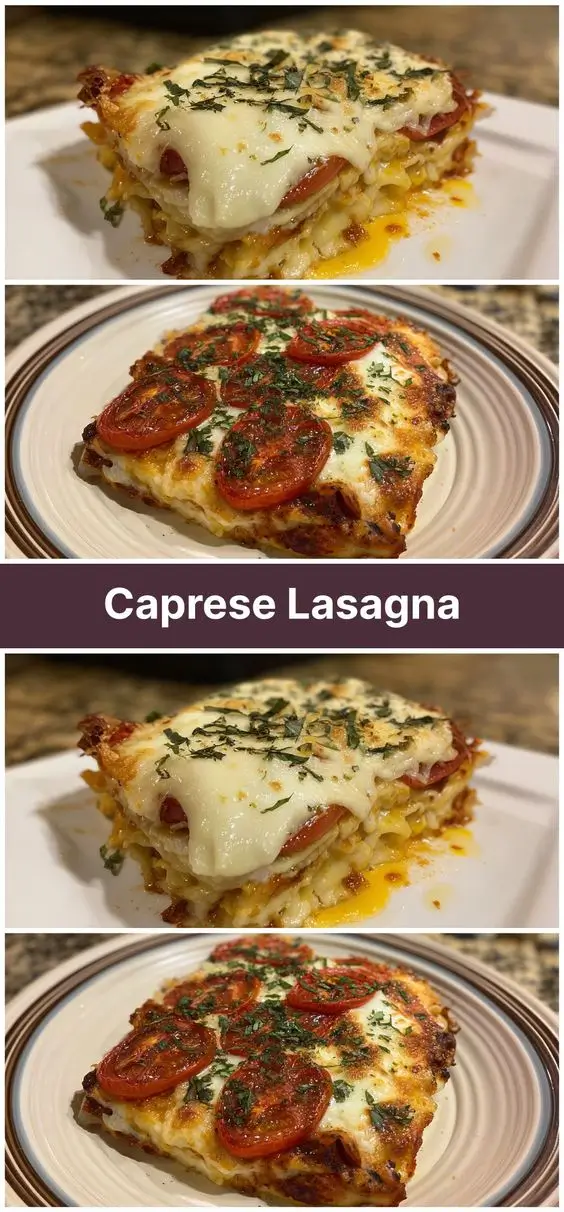
Caprese Lasagna: A Hearty Twist on a Classic Italian Favorite
The Caprese salad—famous for its vibrant combination of ripe tomatoes, fresh mozzarella, and fragrant basil—is one of Italy’s most iconic dishes. Simple, elegant, and bursting with flavor, it captures the essence of Mediterranean cuisine. But what happens when you take that beloved flavor profile and transform it into a rich, comforting baked casserole? Enter Caprese Lasagna: a modern fusion dish that marries the freshness of Caprese with the indulgent layers of traditional lasagna. This innovative recipe has gained popularity in recent years, especially among home cooks looking to elevate their weeknight dinners or impress guests with a gourmet twist on familiar ingredients.
The History of Caprese Lasagna
The origins of Caprese salad trace back to the early 20th century on the island of Capri in southern Italy. Legend has it that the dish was created as a patriotic tribute to the Italian flag, with its red (tomatoes), white (mozzarella), and green (basil) colors symbolizing national pride. Over time, the salad became a staple of Italian-American cuisine and inspired countless reinterpretations.
Caprese Lasagna is a relatively new culinary innovation, born from the growing trend of deconstructing classic dishes and rebuilding them into heartier formats. While there’s no definitive record of who first invented it, food bloggers, chefs, and home cooks began experimenting with layering Caprese elements between pasta sheets in the 2010s. The result? A satisfying, oven-baked dish that retains the fresh taste of summer while offering the warmth and comfort of a traditional baked pasta. It reflects the evolution of Italian-American cooking—honoring tradition while embracing creativity and seasonal ingredients.
Ingredients Breakdown: What Makes Caprese Lasagna Special?
Caprese Lasagna stands out due to its balance of freshness and richness. Each ingredient plays a vital role in creating a harmonious blend of textures and flavors:
- Fresh Ripe Tomatoes: Preferably vine-ripened or heirloom varieties like beefsteak or Roma, these provide juiciness and a slightly acidic brightness.
- Fresh Mozzarella Cheese: Not the low-moisture kind—this should be the soft, milky cheese packed in water, sliced or torn into pieces for maximum melt and creaminess.
- Fresh Basil Leaves: Essential for authentic Caprese flavor, added both during baking and as a fresh garnish at the end.
- Lasagna Noodles: Traditional dried lasagna sheets work, but for best results, use no-boil noodles or pre-cooked ones. Some modern versions even substitute with thinly sliced zucchini for a low-carb option.
- Marinara Sauce: A high-quality, herb-infused tomato sauce forms the savory backbone. Homemade is ideal, but a premium store-bought version works well too.
- Ricotta Cheese: Adds a creamy, slightly tangy layer between the noodles, mimicking the texture found in classic lasagna.
- Parmesan Cheese: Grated finely, it enhances umami and helps form a golden crust on top.
- Eggs: Often mixed with ricotta to bind the filling and prevent it from oozing out during baking.
- Garlic, Olive Oil, Salt & Pepper: Simple seasonings that elevate every component without overpowering the delicate Caprese profile.
- Balsamic Glaze (optional): Drizzled on top before serving for a sweet-tart finish that complements the tomatoes.
Step-by-Step Recipe: How to Make Caprese Lasagna
Follow this detailed guide to create a stunning Caprese Lasagna that’s perfect for family dinners, potlucks, or weekend entertaining.
Ingredients
- 12 no-boil lasagna noodles (or 9 regular lasagna noodles, cooked al dente)
- 4 cups marinara sauce (homemade or high-quality store-bought)
- 3 large ripe tomatoes, thinly sliced
- 1 pound fresh mozzarella, sliced or torn into pieces
- 2 cups fresh basil leaves, plus extra for garnish
- 2 cups whole-milk ricotta cheese
- 1 cup grated Parmesan cheese, divided
- 2 large eggs
- 3 cloves garlic, minced
- ¼ cup extra-virgin olive oil
- Salt and freshly ground black pepper, to taste
- 1 tablespoon balsamic glaze (optional, for finishing)
Directions
- Preheat Oven: Preheat your oven to 375°F (190°C). Lightly grease a 9×13-inch baking dish with olive oil or non-stick spray.
- Prepare Ricotta Mixture: In a medium bowl, combine ricotta cheese, one egg, ½ cup of Parmesan cheese, minced garlic, salt, and pepper. Mix until smooth and set aside.
- Layer the First Base: Spread about ½ cup of marinara sauce evenly across the bottom of the baking dish to prevent sticking and add flavor.
- Add Noodles: Place a layer of lasagna noodles over the sauce—three no-boil noodles if using a standard box, or adjust based on size.
- Spread Ricotta: Dollop half of the ricotta mixture over the noodles and gently spread into an even layer.
- Add Tomatoes and Mozzarella: Layer half of the sliced tomatoes over the ricotta, followed by half of the fresh mozzarella and a generous handful of basil leaves. Season lightly with salt and pepper.
- Sauce It: Spoon 1½ cups of marinara sauce over the cheese layer, spreading gently to cover.
- Repeat Layers: Add another layer of noodles, then the remaining ricotta mixture, followed by the rest of the tomatoes, mozzarella, and basil. Top with another 1½ cups of marinara sauce.
- Final Noodle Layer: Add a third layer of noodles. Spread the remaining marinara sauce over the top, ensuring full coverage to prevent drying.
- Cheese Crown: Sprinkle the remaining ½ cup of Parmesan cheese over the top for a golden, flavorful crust.
- Seal and Bake: Cover the dish loosely with aluminum foil, tenting it slightly so it doesn’t touch the cheese. Bake for 25 minutes.
- Uncover and Brown: Remove the foil and bake for an additional 15–20 minutes, or until the top is bubbly and lightly browned.
- Egg Wash (Optional): For a richer top crust, beat the second egg and brush it lightly over the final noodle layer before adding sauce and cheese. This helps create a firmer, more cohesive structure.
- Rest Before Serving: Let the lasagna sit for 15 minutes after removing from the oven. This allows the layers to set and makes slicing cleaner.
- Garnish and Serve: Scatter fresh basil leaves over the top and drizzle with balsamic glaze if desired. Slice and serve warm.
Pro Tips for the Perfect Caprese Lasagna
- Dry Your Tomatoes: To avoid a watery lasagna, pat tomato slices dry with paper towels before layering. Excess moisture can make the dish soggy.
- Use Fresh Ingredients: Since this dish relies heavily on freshness, never substitute fresh mozzarella with shredded low-moisture mozzarella, and always opt for vine-ripened tomatoes in season.
- No-Boil Noodles Tip: Ensure there’s enough sauce surrounding the noodles so they absorb liquid and cook properly. If needed, add ¼ cup of water around the edges before covering.
- Make Ahead: Assemble the lasagna up to one day in advance, cover tightly, and refrigerate. Add 10–15 minutes to the baking time if cooking from cold.
- Freezing: Caprese Lasagna freezes well before baking. Wrap tightly in plastic and foil; freeze for up to 3 months. Thaw overnight in the fridge before baking.
- Crispy Top: For extra browning, broil for 2–3 minutes at the end—but watch closely to avoid burning.
- Sharp Knife: Use a sharp chef’s knife dipped in hot water to cut clean slices without dragging the cheese.
Variations and Customizations
Caprese Lasagna is incredibly adaptable. Here are some creative twists to suit different tastes and dietary needs:
- Vegetarian Boost: Add sautéed spinach, roasted bell peppers, or grilled zucchini between layers for more texture and nutrition.
- Protein-Packed Version: Layer in grilled chicken strips, Italian sausage, or plant-based crumbles for a heartier meal.
- Gluten-Free: Use gluten-free lasagna noodles or substitute with thin slices of zucchini or eggplant for a grain-free, paleo-friendly alternative.
- Dairy-Free: Replace ricotta with cashew ricotta, mozzarella with vegan mozzarella shreds, and Parmesan with nutritional yeast.
- Pesto Swirl: Mix a few tablespoons of basil pesto into the ricotta or spread a thin layer between the noodles for an herby punch.
- Single-Serve Jars: Create mini Caprese lasagnas in mason jars for appetizers or meal prep—layer ingredients in order and bake in a water bath.
- White Caprese Lasagna: Skip the tomato sauce and use a béchamel base with sun-dried tomatoes and roasted garlic for a creamy, sophisticated version.
Health Considerations and Nutritional Value
While Caprese Lasagna is undeniably delicious, understanding its nutritional profile can help you enjoy it mindfully.
Nutritional Highlights (per serving, based on 8 servings):
- Calories: ~380–420 kcal
- Protein: 18–22g (from cheese, eggs, and dairy)
- Fat: 20–25g (mostly unsaturated from olive oil and cheese)
- Carbohydrates: 30–35g (primarily from pasta and tomatoes)
- Fiber: 4–6g (especially if using whole wheat noodles or vegetables)
- Calcium: High (thanks to mozzarella and ricotta)
- Vitamin C & K: From tomatoes and basil
- Lycopene: A powerful antioxidant in tomatoes, enhanced when cooked with fat like olive oil.
Health Tips:
- Reduce Sodium: Use low-sodium marinara sauce and limit added salt, especially if using store-bought sauce.
- Lighter Option: Substitute part-skim ricotta and reduced-fat mozzarella to lower fat content. However, note that full-fat cheeses offer better texture and flavor.
- Balanced Meal: Serve with a side salad and crusty whole-grain bread to increase fiber and balance macronutrients.
- Portion Control: This dish is rich—stick to one square (about 1/8 of the pan) to enjoy without overindulging.
- Heart-Healthy Fats: The olive oil and fresh cheeses contribute monounsaturated fats, which support cardiovascular health when consumed in moderation.
Frequently Asked Questions (FAQ)
Can I make Caprese Lasagna ahead of time?
Yes! Assemble it up to 24 hours in advance and refrigerate. Add 10–15 minutes to the baking time. You can also freeze it unbaked for up to 3 months.
Why is my lasagna watery?
This usually happens due to excess moisture from tomatoes or using wet ricotta. Always pat ingredients dry and consider salting tomato slices lightly and letting them drain for 10 minutes before use.
Can I use regular lasagna noodles?
Absolutely. Just cook them al dente before assembling. Undercooking prevents mushiness during baking.
Is Caprese Lasagna served hot or cold?
It’s best served warm, straight from the oven or reheated. However, leftovers can be enjoyed at room temperature, much like a deconstructed Caprese salad.
Can I skip the eggs in the ricotta?
You can, but eggs help bind the mixture and prevent separation. For a vegan version, use flax eggs or cornstarch as a thickener.
What wine pairs well with Caprese Lasagna?
A light-bodied red like Chianti or Sangiovese complements the tomato and herbs. Alternatively, a crisp white such as Pinot Grigio or Vermentino works beautifully.
Can I grill the components instead?
Yes! Some chefs grill the tomatoes and even the mozzarella briefly to intensify flavor before layering—a technique known as “grilled Caprese lasagna.”
Summary
Caprese Lasagna reimagines the classic Italian salad into a comforting, layered baked dish that celebrates fresh tomatoes, creamy mozzarella, and aromatic basil—all bound by tender pasta and rich sauces. It’s a showstopping fusion of freshness and comfort, perfect for any occasion.