Introduction
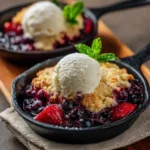
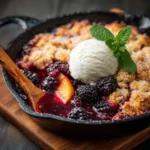
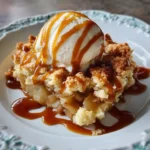
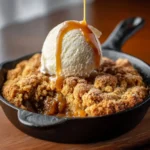
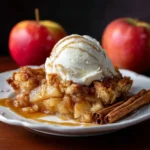
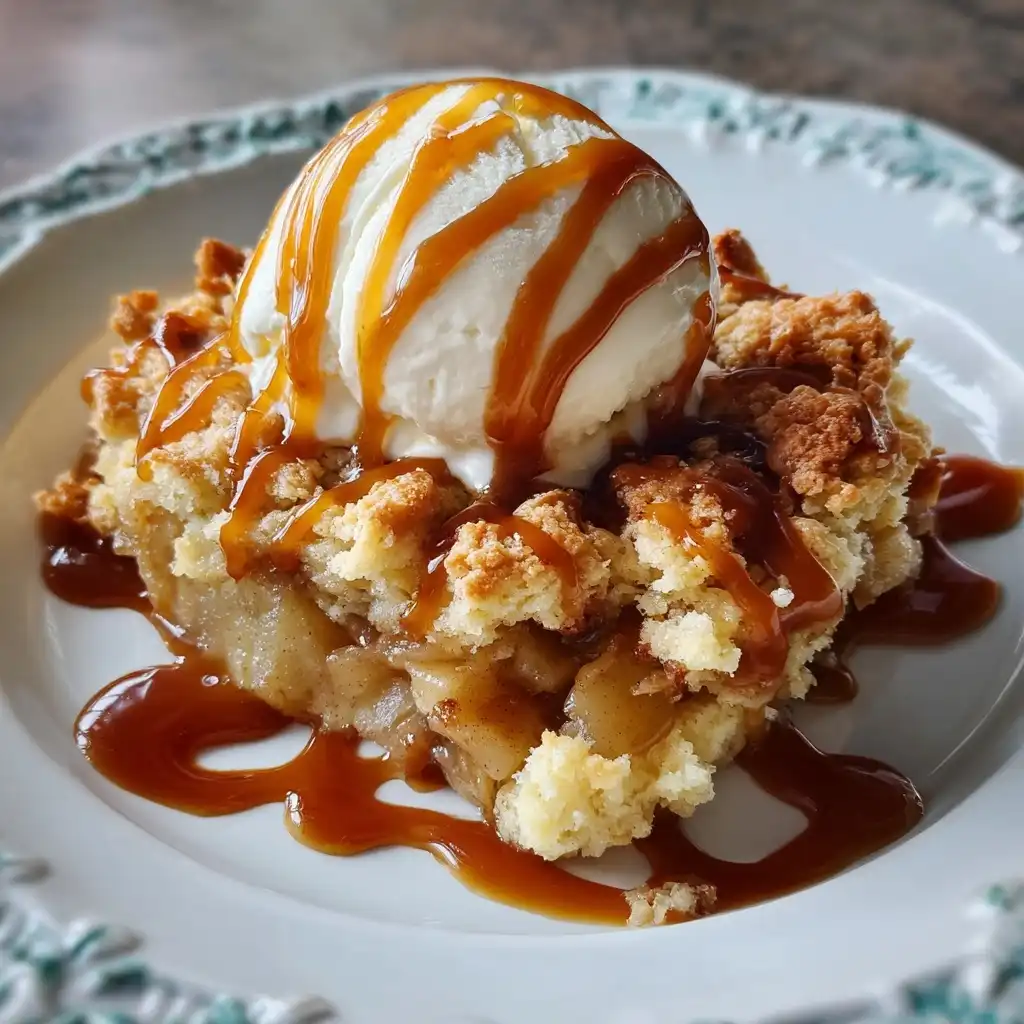
Caramel Apple Cobbler is the quintessential American dessert—a warm, comforting symphony of tender spiced apples, rich buttery caramel, and a golden, biscuit-like or cakey topping that bakes up crisp on the edges and tender in the center. More than just a seasonal treat, it’s a nostalgic embrace of autumn harvests, family gatherings, and slow-simmered sweetness. Unlike crisps (which feature an oat-based streusel) or crumbles (with a flour-butter-sugar crumb), a true cobbler boasts a distinctive “cobbled” appearance—its topping traditionally dropped by spoonfuls or rolled into rustic rounds, creating irregular mounds that rise and set like miniature cobblestones around pools of bubbling fruit. This version elevates the classic with a deep, house-made caramel sauce that infuses every layer with velvety richness, balanced by tart-sweet heirloom apples and nuanced warm spices. Whether served à la mode with vanilla bean ice cream, drizzled with extra caramel and a pinch of flaky sea salt, or enjoyed solo with a splash of cold whole milk, Caramel Apple Cobbler delivers soul-soothing satisfaction in every bite.
The History
The origins of cobbler stretch back centuries—long before electric ovens or pre-packaged baking mixes. Its name likely derives from the Old English word “cobeler,” meaning “wooden bowl,” or more plausibly from the visual resemblance of its uneven, “cobbled” topping to cobblestone streets—a description first appearing in American cookbooks in the early 1800s. Early cobblers were born of practicality: colonial settlers and frontier families adapted English “cup cakes” and “slump” desserts using whatever was on hand—wild berries, foraged fruit, and simple pantry staples like flour, lard, and molasses. Apples, abundant across North America and prized for their long storage life, quickly became the most beloved cobbler fruit. By the mid-19th century, regional variations flourished: Southern cobblers often used buttermilk biscuits; Midwestern versions leaned into yeast-raised doughs; and New Englanders favored a drop-biscuit method ideal for cast-iron skillets over open hearths. Caramel entered the cobbler lexicon later—its widespread use coinciding with the industrialization of sugar refining in the late 1800s and the rise of dairy-based confections in the early 20th century. The marriage of caramel and apple, however, feels inevitable: both share deep Maillard-driven notes, buttery undertones, and a natural affinity for cinnamon and nutmeg. Today’s Caramel Apple Cobbler honors this layered heritage—paying homage to resourceful roots while embracing modern techniques like slow-simmered, scratch-made caramel and thoughtful apple varietal pairing for optimal texture and flavor balance.
Ingredients Breakdown
Every exceptional Caramel Apple Cobbler begins with intention—not just measurement. Below is a meticulous, chef-level breakdown of each ingredient’s purpose, sourcing notes, and functional role:
- Apples (6–7 medium, ~2.5 lbs): A blend is non-negotiable. Use 3–4 Granny Smith (tart, firm, holds shape), 2 Honeycrisp (juicy, subtly sweet, aromatic), and 1 Braeburn or Jonagold (complex spice notes, balanced acidity). Avoid Red Delicious or Fuji—they turn mushy or overly sweet. Peel with a Y-peeler for even thickness; core and slice ¼-inch thick for uniform cooking. Toss immediately in lemon juice to prevent oxidation.
- Granulated Sugar (¾ cup, plus 2 tbsp for topping): Provides structure, sweetness, and caramelization. The ¾ cup dissolves into the apple layer to draw out juices and create syrup; the extra 2 tbsp is reserved for sprinkling the topping pre-bake to add crunch and sparkle.
- Brown Sugar (½ cup, packed dark): Adds molasses depth, moisture retention, and rich toffee notes. Dark brown sugar contains more molasses than light, enhancing the caramel’s complexity.
- All-Purpose Flour (3 tbsp): Acts as a thickener for the bubbling fruit base. Too much yields gluey syrup; too little results in runny filling. Whisk thoroughly with sugars before adding apples to ensure no lumps.
- Ground Cinnamon (1½ tsp), Ground Nutmeg (¼ tsp), Ground Allspice (⅛ tsp), and Pinch of Ground Cloves: The “autumn quartet.” Cinnamon provides warmth and backbone; nutmeg adds floral earthiness; allspice lends subtle berry-like brightness; cloves offer pungent, warming intensity—use sparingly to avoid bitterness. For maximum aroma, grate whole spices fresh using a microplane.
- Salted Butter (10 tbsp / 1¼ sticks, cold & cubed): Essential for flakiness and richness in the biscuit topping. Cold butter creates steam pockets as it melts in the oven, yielding lift and tenderness. Unsalted butter is acceptable, but added salt must be adjusted accordingly.
- Heavy Cream (¾ cup, cold): Adds fat, tenderness, and luxurious mouthfeel to the topping. Substitute half-and-half only if necessary—but expect slightly less richness and browning.
- Baking Powder (2 tsp) and Baking Soda (¼ tsp): Dual leaveners. Baking powder provides primary lift; baking soda reacts with the acid in brown sugar and cream to enhance browning and neutralize tang.
- Vanilla Extract (2 tsp, pure, not imitation): Deepens caramel notes and rounds out spice sharpness. Madagascar Bourbon vanilla is ideal.
- Sea Salt (1 tsp fine, plus flaky Maldon for finishing): Balances sweetness and amplifies all other flavors. Fine salt integrates into batter; flaky salt adds textural contrast and bursts of salinity atop warm servings.
- Homemade Caramel Sauce (1½ cups): Not optional—and not store-bought. Made from granulated sugar, heavy cream, unsalted butter, and a splash of vanilla, this sauce is simmered to 240°F (soft-ball stage) for velvety texture without graininess. Infuse with a cinnamon stick or pinch of smoked sea salt for nuance. Cool to room temperature before layering—it should be pourable but not runny.
Step-by-Step Recipe
- Prep & Preheat: Position oven rack in lower-middle position. Preheat oven to 375°F (190°C). Generously butter a 9×13-inch ceramic or glass baking dish (or two 8-inch square dishes for portion control). Line a rimmed baking sheet with parchment—this catches potential overflow.
- Make the Caramel Sauce (if not prepared ahead): In a heavy-bottomed 3-quart saucepan, melt 1 cup granulated sugar over medium-low heat, swirling gently (no stirring!) until fully liquefied and amber-colored (~8–10 min). Remove from heat; carefully whisk in ½ cup cold heavy cream (mixture will bubble vigorously). Return to low heat; stir in 6 tbsp unsalted butter until melted. Stir in 1 tsp vanilla and a pinch of salt. Cool completely—about 45 minutes. Measure 1½ cups for recipe; reserve remainder for serving.
- Prepare the Apple Filling: In a large bowl, combine apples, ¾ cup granulated sugar, ½ cup dark brown sugar, 3 tbsp flour, cinnamon, nutmeg, allspice, cloves, and ½ tsp fine salt. Toss vigorously for 2 minutes until apples are evenly coated and glossy. Let sit 15 minutes to macerate—juices will pool.
- Layer the Base: Pour macerated apples (including all liquid) into the buttered baking dish. Smooth into an even layer. Drizzle evenly with 1 cup of the cooled caramel sauce. Gently tilt dish to distribute without disturbing apple slices.
- Make the Biscuit Topping: In a food processor, pulse 2 cups all-purpose flour, 2 tsp baking powder, ¼ tsp baking soda, and remaining ½ tsp fine salt until combined. Add cold, cubed butter; pulse 12–15 times until mixture resembles coarse crumbs with pea-sized butter bits. Transfer to a bowl; stir in 2 tsp vanilla. Gradually pour in cold heavy cream while stirring with a fork until shaggy clumps form—do not overmix. Dough should hold together when pinched but remain slightly moist.
- Assemble the Cobbler: Drop heaping ¼-cup portions of dough evenly over apple layer—12–14 mounds, spaced 1 inch apart. Gently flatten each mound to ½-inch thickness with damp fingers (they’ll spread during baking). Sprinkle entire surface with remaining 2 tbsp granulated sugar and a generous pinch of flaky sea salt.
- Bake to Perfection: Place dish on prepared baking sheet. Bake 55–65 minutes, rotating halfway through, until topping is deep golden brown, edges are bubbling thickly, and a skewer inserted into center topping comes out clean (not sticky). Internal fruit temperature should read 205°F (96°C) at center—this ensures apples are tender but not disintegrated.
- Cool & Set: Remove from oven and cool on wire rack for *at least 45 minutes*. This critical step allows the caramel-apple syrup to thicken and the topping to firm up. Cutting too soon releases steam and causes collapse.
- Final Caramel Drizzle: Just before serving, gently re-warm remaining ½ cup caramel sauce (if needed) and drizzle generously over the entire cobbler. Sprinkle with additional flaky salt.
Tips
- Apple Slicing Consistency is Key: Use a mandoline set to ¼-inch for uniform thickness. Uneven slices cook at different rates—some turning to mush while others stay crunchy.
- Cold Butter = Flaky Topping: Chill butter for 15 minutes before cubing. If your kitchen exceeds 72°F, freeze butter cubes for 5 minutes before processing.
- Don’t Overmix the Dough: Once cream is added, mix *only* until clumps form. Overworking develops gluten, resulting in tough, dense biscuits instead of tender, airy ones.
- Rotate & Monitor Religiously: Ovens vary wildly. Start checking at 50 minutes. If topping browns too fast, loosely tent with foil—but remove last 10 minutes for crispness.
- Thickening Power Boost: For ultra-luscious syrup, replace 1 tbsp of the 3 tbsp flour with instant clearjel or tapioca starch—both withstand prolonged baking without breaking down.
- Stovetop Finish (Optional Pro Tip): After baking, place dish over low heat for 2–3 minutes, covered, to further reduce bubbling syrup and intensify caramel flavor—stirring gently once.
- Make-Ahead Magic: Assemble cobbler through Step 6 (topping dropped), cover tightly, and refrigerate up to 24 hours. Add 5–8 minutes to bake time. Or freeze unbaked cobbler for up to 3 months—bake from frozen, adding 20–25 minutes.
- Leftover Revival: Reheat individual portions in a toaster oven at 350°F for 10–12 minutes—never microwave, which steams the topping. Serve with a scoop of salted caramel ice cream and a spoonful of crème fraîche.
Variations and Customizations
This foundational recipe invites endless creativity—whether adapting to dietary needs, seasonal produce, or global flavor profiles. Here are meticulously tested, chef-approved variations:
- Gluten-Free Cobbler: Swap all-purpose flour for a 1:1 GF blend containing xanthan gum (e.g., King Arthur Measure for Measure). Add 1 extra tbsp cold butter to topping for structure. Use certified GF oats in a streusel variation if preferred over biscuit.
- Vegan Version: Replace butter with vegan butter (Miyoko’s or Earth Balance); use full-fat coconut milk (canned, chilled) instead of heavy cream; substitute applesauce + maple syrup for caramel (simmer 1 cup coconut milk, ¾ cup maple syrup, 2 tbsp coconut oil, 1 tsp vanilla to 235°F). Top with toasted pecans.
- Spiced Pear-Ginger Cobbler: Replace half the apples with ripe Bosc pears; add 2 tbsp finely grated fresh ginger and 1 star anise pod (removed before baking) to filling. Use cardamom instead of allspice.
- Blackberry-Apple Hybrid: Fold in 1 cup fresh or frozen blackberries (tossed with 1 tsp cornstarch) with apples. Reduce granulated sugar by 2 tbsp. Finish with lemon zest and thyme-infused caramel.
- Cheddar-Crusted Savory-Sweet: Add ½ cup sharp white cheddar (finely grated, cold) to biscuit dough. Sprinkle extra cheese over topping before baking. Serve with cider-glazed onions on the side.
- Overnight Oat-Topped Cobbler: Replace biscuit topping with a hearty oat crumble: 1 cup old-fashioned oats, ½ cup almond flour, ⅓ cup melted butter, ¼ cup maple syrup, 1 tsp cinnamon, pinch of salt. Press firmly over apples.
- Mini Mason Jar Cobblers: Portion filling and topping into 6 (12-oz) wide-mouth mason jars. Bake at 375°F for 35–40 minutes. Perfect for gifting or portion control.
- Boozy Caramel Infusion: Stir 2 tbsp bourbon, Calvados, or apple brandy into warm caramel sauce. Reduce by 1 tbsp to compensate for liquid.
Health Considerations and Nutritional Value
While undeniably indulgent, Caramel Apple Cobbler can be thoughtfully contextualized within a balanced diet—especially when prepared with intentional modifications. A standard serving (1/12 of 9×13-inch dish, approx. 1 cup) contains approximately:
- Calories: 385 kcal (moderate for dessert—comparable to a slice of pumpkin pie)
- Total Fat: 18g (11g saturated)—primarily from butter and caramel. Using grass-fed butter adds CLA (conjugated linoleic acid), linked to metabolic benefits in emerging research.
- Carbohydrates: 54g (38g sugars)—naturally occurring fructose from apples contributes ~12g; remaining from added sugars. Apples provide 4g fiber per serving (16% DV), supporting gut health and satiety.
- Protein: 3g—minimal, but enhanced with Greek yogurt topping or a sprinkle of hemp seeds.
- Vitamins & Minerals: Rich in vitamin C (12% DV from apples), potassium (8% DV), and manganese (15% DV from cinnamon and whole grains in topping). Cinnamon may support healthy blood sugar response when consumed regularly.
Dietitian Notes:
- Portion Mindfulness: Serve in ¾-cup portions alongside protein (Greek yogurt, cottage cheese) and healthy fat (toasted walnuts) to slow glucose absorption.
- Sugar Reduction Strategies: Cut granulated sugar by ¼ cup; boost sweetness with 1 tsp pure monk fruit extract or 2 tbsp date paste. Increase cinnamon and nutmeg to enhance perceived sweetness.
- Fiber Amplification: Stir 2 tbsp ground flaxseed or chia seeds into apple mixture—adds omega-3s and 3g soluble fiber per serving.
- Gut-Friendly Twist: Top with a spoonful of unsweetened applesauce fermented with probiotics (e.g., homemade kefir-apple sauce) for digestive support.
- Not for Everyone: Those managing diabetes should consult a registered dietitian before regular consumption. Individuals with lactose intolerance can use lactose-free butter and cream alternatives (coconut or oat-based).
Ingredients
- 6–7 medium mixed apples (Granny Smith, Honeycrisp, Braeburn), peeled, cored, sliced ¼-inch thick (~2.5 lbs)
- ¾ cup granulated sugar, plus 2 tbsp for topping
- ½ cup dark brown sugar, packed
- 3 tablespoons all-purpose flour
- 1½ teaspoons ground cinnamon
- ¼ teaspoon ground nutmeg
- ⅛ teaspoon ground allspice
- Pinch of ground cloves
- 1 teaspoon fine sea salt, divided
- 1½ cups homemade caramel sauce (see breakdown), cooled
- 2 cups all-purpose flour (for topping)
- 2 teaspoons baking powder
- ¼ teaspoon baking soda
- 10 tablespoons unsalted butter, very cold, cubed
- 2 teaspoons pure vanilla extract
- ¾ cup cold heavy cream
- Flaky sea salt (Maldon or Jacobsen), for finishing
Directions
- Preheat oven to 375°F (190°C). Butter a 9×13-inch baking dish and place on a parchment-lined rimmed baking sheet.
- In a large bowl, toss apple slices with ¾ cup granulated sugar, brown sugar, 3 tbsp flour, cinnamon, nutmeg, allspice, cloves, and ½ tsp fine salt. Let sit 15 minutes.
- Pour apple mixture (with juices) into prepared dish. Smooth evenly. Drizzle with 1 cup cooled caramel sauce.
- In a food processor, pulse 2 cups flour, baking powder, baking soda, and remaining ½ tsp fine salt. Add cold butter; pulse until coarse crumbs form. Transfer to bowl; stir in vanilla. Gradually add cream, stirring with fork until dough clumps.
- Drop 12–14 heaping ¼-cup portions of dough over apples. Flatten gently to ½-inch thickness. Sprinkle with 2 tbsp granulated sugar and flaky salt.
- Bake 55–65 minutes, until topping is deep golden and center registers 205°F. Rotate pan halfway.
- Cool on wire rack for minimum 45 minutes.
- Drizzle with remaining ½ cup warmed caramel sauce. Serve warm with ice cream, whipped cream, or crème fraîche.
FAQ
- Can I use canned apple pie filling?
- No—canned fillings contain excessive thickeners, preservatives, and artificial flavors that mute caramel depth and create gummy texture. Fresh apples provide essential pectin and nuanced flavor.
- Why did my topping sink or become gummy?
- Two common causes: 1) Overmixing the dough (gluten development), or 2) Adding warm caramel to hot apples before assembling—steam prevents proper setting. Always use cooled caramel and room-temp apples.
- Can I make this dairy-free?
- Absolutely—with caveats. Use high-fat coconut milk (full-fat, canned) for cream; vegan butter with at least 80% fat content; and a caramel made from coconut sugar + coconut cream. Texture will be denser but deeply flavorful.
- How do I store leftovers?
- Cool completely, cover tightly, and refrigerate up to 5 days. Reheat in 350°F oven for 15 minutes (covered first 10, uncovered last 5). Do not freeze assembled cobbler—freezing degrades biscuit texture. Freeze unbaked only.
- What’s the best apple for cobbler?
- No single variety wins. A blend is essential: Granny Smith for tartness and structure, Honeycrisp for juiciness and sweetness, and Braeburn or Jonagold for aromatic complexity. Avoid mealy or overly sweet apples.
- Can I prepare the caramel sauce ahead?
- Yes—homemade caramel keeps refrigerated for up to 3 weeks or frozen for 3 months. Re-warm gently over low heat, whisking in 1 tsp hot water if too thick.
- My cobbler is too runny. How do I fix it?
- Next time, add 1 extra tbsp flour to filling—or substitute 1 tbsp quick-cooking tapioca. For current batch: Simmer excess syrup in a saucepan until reduced by half, then spoon back over cobbler.
- Can I use a cast-iron skillet?
- Yes—and highly recommended! A 10-inch seasoned skillet yields stunning crust-to-filling ratio and superior browning. Reduce baking time by 5 minutes and monitor closely.
Summary
Caramel Apple Cobbler is a masterclass in balance—where tart-sweet heirloom apples meet slow-simmered, buttery caramel and crown themselves with tender, golden biscuit mounds that bake up crisp-edged and cloud-soft within.
Rooted in centuries of American ingenuity and elevated by modern technique, it’s not merely dessert—it’s edible heritage, science-backed comfort, and a warm invitation to gather, savor, and linger just a little longer at the table.