Introduction
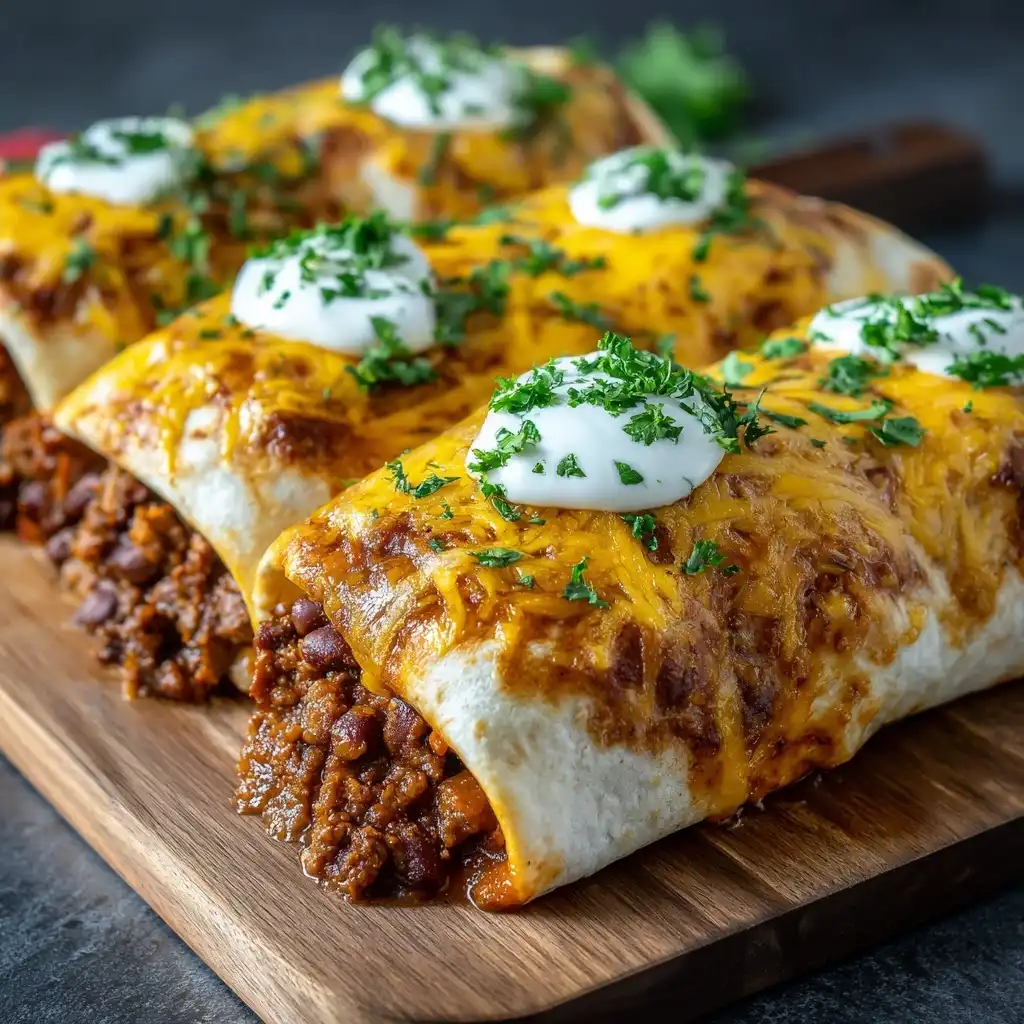
Welcome to the ultimate guide for Cheesy Beef Bean Burritos — a hearty, flavorful, and deeply satisfying Mexican-American classic that brings together savory ground beef, creamy refried or whole beans, melty cheese, and warm flour tortillas in perfect harmony. Whether you’re meal prepping for the week, feeding a hungry family after soccer practice, hosting casual game-day guests, or simply craving comfort food with a bold southwestern flair, these burritos deliver robust taste, textural contrast, and nostalgic warmth in every bite. Unlike overly complicated gourmet versions, this recipe stays true to its roots: approachable, scalable, customizable, and built for real-life kitchens — no fancy equipment or hard-to-find ingredients required. We’ll walk you through everything from the cultural origins and ingredient science to pro-level assembly techniques, smart substitutions, dietary adaptations, and even reheating hacks that preserve integrity (no soggy, exploded burritos here!). Consider this your definitive, no-fluff, kitchen-tested resource — written not just for cooks who follow recipes, but for those who want to understand *why* each step matters.
The History
Cheesy Beef Bean Burritos are a quintessential product of culinary fusion — born from the dynamic cross-pollination between Indigenous Mesoamerican foodways, Spanish colonial influence, and 20th-century American innovation. While the humble burrito traces its lineage to northern Mexico (particularly Ciudad Juárez and Chihuahua), where farmworkers wrapped beans, meat, and salsa in hand-pressed corn tortillas for portable sustenance, the modern flour-tortilla-based, cheese-laden, fully loaded version emerged prominently in the U.S. Southwest during the mid-1900s. The rise of commercial flour tortillas (made possible by industrial milling and hydrogenated shortening in the 1930s–40s), the widespread availability of mild American cheeses like cheddar and Monterey Jack, and post-WWII suburbanization all contributed to the burrito’s evolution into a hearty, protein-forward, family-style meal. By the 1970s and ’80s, Tex-Mex restaurants and fast-casual chains began popularizing “beef and bean” combinations — often featuring seasoned ground beef, canned refried beans, shredded cheese, and lettuce/tomato garnishes — cementing the Cheesy Beef Bean Burrito as an American pantry staple. It’s important to note that while traditional Mexican burritos tend to be minimalist and regionally specific (e.g., *burritos de carne* in Sonora or *burritos placeros* in central Mexico), the cheesy, beef-and-bean iteration is proudly a homegrown adaptation — one that honors authenticity not through rigid adherence, but through intentionality, respect for core ingredients, and joyful customization.
Ingredients Breakdown
Understanding *why* each ingredient is included — and how it functions chemically and sensorially — empowers you to troubleshoot, substitute wisely, and elevate flavor without guesswork. Let’s dissect them layer by layer:
- Ground Beef (80/20 lean-to-fat ratio): The foundational protein. The 20% fat is non-negotiable for moisture, caramelization, and rich mouthfeel. Leaner beef (90/10 or higher) dries out quickly and lacks depth; fattier blends (70/30) can become greasy unless properly drained. Opt for freshly ground chuck or a chuck–brisket blend for optimal beefiness and texture.
- Dry Spices (chili powder, cumin, smoked paprika, garlic powder, onion powder, oregano): These aren’t mere “seasoning” — they’re aromatic anchors. Chili powder provides earthy heat and fruitiness; cumin adds warm, nutty pungency essential for authenticity; smoked paprika contributes subtle campfire depth (not heat); garlic and onion powders offer concentrated, evenly distributed umami; Mexican oregano (distinct from Mediterranean oregano) delivers citrusy, floral notes. Toasting whole spices before grinding maximizes volatile oil release.
- Fresh Aromatics (onion, garlic, jalapeño): The flavor trinity. Yellow or white onions build sweetness and structure when sautéed until translucent; fresh garlic adds pungent brightness (add late to avoid burning); minced jalapeño (seeds and ribs removed for mildness, kept for heat) injects vegetal fire and acidity that cuts through richness.
- Beans (refried pinto or black beans, or whole-kidney-bean mash): Acts as both binder and flavor amplifier. Refried beans provide creaminess, starch-based thickening, and deep leguminous savoriness — crucial for holding the burrito together and preventing “filling slippage.” Canned beans work brilliantly when rinsed and mashed slightly; homemade refried beans (simmered pinto beans + lard or avocado oil + epazote) offer superior complexity. Black beans add visual contrast and slightly sweeter, earthier notes; kidney beans lend heft and fiber.
- Cheese (shredded sharp cheddar, Monterey Jack, or a blend): Melting performance is key. Monterey Jack melts luxuriously with mild buttery notes; sharp cheddar adds tang and structural integrity (it doesn’t disappear into goo). Avoid pre-shredded cheese — anti-caking agents (like cellulose) inhibit melt and cause graininess. Freshly shredded = better texture, richer flavor, and superior binding.
- Tortillas (10- to 12-inch flour tortillas): Not just a wrapper — they’re structural engineering. Larger size prevents tearing during rolling; pliability comes from gentle warming (dry skillet or microwave with damp paper towel). Look for tortillas with minimal ingredients (flour, water, fat, salt) and no preservatives — they steam better and absorb less oil. Corn tortillas *can* be used for gluten-free versions but require double-layering and careful handling due to lower tensile strength.
- Supporting Liquids & Fats (vegetable oil, beef broth or water): Oil ensures even browning and spice blooming; low-sodium beef broth (or water + Better Than Bouillon) adds savory depth and rehydrates dried spices without oversalting. Never skip this — it transforms dry seasoning into aromatic paste.
- Optional Enhancers (lime juice, fresh cilantro, pickled red onions, chipotle in adobo, sour cream): Added post-cooking or as garnish, these brighten, cut fat, add acidity, smoke, or cooling contrast — balancing the burrito’s inherent richness.
Step-by-Step Recipe
- Prep & Measure Everything (Mise en Place): Dice 1 medium yellow onion (½ cup), mince 3 garlic cloves, seed and finely dice 1 jalapeño (optional: wear gloves), shred 2 cups cheese (cheddar/Monterey Jack blend), drain and rinse 1 (15 oz) can pinto or black beans, then lightly mash with a fork. Measure all spices into a small bowl. This prevents scorching or uneven cooking while you multitask.
- Bloom the Spices: Heat 1 tbsp neutral oil (avocado or vegetable) in a large heavy-bottomed skillet or Dutch oven over medium heat. Add 2 tsp chili powder, 1½ tsp ground cumin, 1 tsp smoked paprika, 1 tsp garlic powder, 1 tsp onion powder, ½ tsp dried oregano, and a pinch of cayenne (if using). Stir constantly 45–60 seconds until fragrant and oil turns deep orange-red — *do not let smoke*. This unlocks essential oils and eliminates raw spice taste.
- Sauté Aromatics: Immediately add diced onion and jalapeño. Cook 4–5 minutes until softened and edges begin to turn golden. Add minced garlic; stir 60 seconds until aromatic — *garlic burns easily, so keep heat steady and stir frequently*.
- Brown the Beef: Increase heat to medium-high. Add 1 lb ground beef, breaking it apart with a wooden spoon. Cook undisturbed 2 minutes to develop fond, then continue breaking and stirring until no pink remains (~6–8 min total). Drain excess grease *only if pooling visibly* — retain ~1 tbsp for flavor and moisture.
- Deepen Flavor with Liquid: Pour in ¼ cup low-sodium beef broth (or water + ½ tsp bouillon). Scrape bottom to lift browned bits (fond). Simmer 2 minutes until liquid reduces by half — this concentrates flavor and integrates spices.
- Incorporate Beans: Stir in mashed beans until fully combined and heated through (~2 minutes). The mixture should be cohesive but not soupy — if too wet, simmer 1–2 extra minutes. Remove from heat and let cool 5 minutes — critical for preventing tortilla steam-tears later.
- Add Cheese & Finish: Gently fold in 1½ cups shredded cheese (reserve ½ cup for topping). Stir just until melted and streaky — overmixing makes filling gummy. Taste and adjust: more lime juice for brightness, pinch of salt if needed, dash of hot sauce for kick.
- Warm Tortillas: Heat a dry stainless steel or cast-iron skillet over medium. Warm each tortilla 15–20 seconds per side until pliable and lightly spotted. Stack wrapped in a clean kitchen towel to trap steam and stay soft.
- Assemble with Precision: Place warmed tortilla on a clean surface. Spoon ¾–1 cup filling horizontally across center, leaving 2-inch borders on left/right and 1.5-inch top/bottom margins. Fold bottom edge up over filling, then fold left and right sides inward snugly (like an envelope), and roll tightly away from you — tucking filling as you go. Press seam-side down gently.
- Optional Crisp Finish: For restaurant-style texture, heat 1 tbsp oil in skillet over medium. Place burrito seam-side down first; cook 2–3 minutes per side until golden and crisp. Alternatively, air-fry at 375°F for 8–10 minutes, flipping halfway.
Tips
- Cool the Filling Before Rolling: This is the #1 secret to leak-proof burritos. Hot filling creates instant steam inside the tortilla, causing separation and tears. Let it rest 5–10 minutes — use this time to prep garnishes or warm tortillas.
- Don’t Overfill: More than 1 cup per 10-inch tortilla guarantees bursting. Err on the side of less — you’ll get cleaner rolls and better heat penetration.
- Roll Tight, But Not Squeezing: Apply firm, even pressure as you roll — think “snug hug,” not “vise grip.” Over-compression forces filling out the ends.
- Double-Wrap for Meal Prep: After rolling, wrap each burrito tightly in parchment paper, then aluminum foil. This locks in moisture, prevents freezer burn, and makes reheating seamless — just unwrap, microwave 2–3 minutes, or bake at 375°F for 25 minutes.
- Revive Stale Tortillas: If your tortillas stiffen, spritz lightly with water and microwave 10 seconds — or wrap in damp paper towels and steam in a covered pot for 1 minute.
- Drain Beans Thoroughly: Excess bean liquid = soggy burritos. Rinse canned beans well, then press gently in a colander with paper towels.
- Use a Cast-Iron Skillet for Browning: Superior heat retention gives deeper Maillard reactions on beef and better spice blooming than nonstick pans.
- Add a “Glue” Layer: For extra security, spread 1 tsp mashed beans or refried beans on the tortilla *before* adding main filling — it acts like edible tape.
- Freeze Smart: Freeze uncooked burritos (wrapped in parchment + foil) for up to 3 months. No need to thaw — bake frozen at 375°F for 40–45 minutes or air-fry 15–18 minutes.
- Rest Before Cutting: If serving sliced (for presentation), let cooked burritos sit 3 minutes before cutting — allows cheese to set slightly and prevents oozing.
Variations and Customizations
These burritos thrive on personalization — here’s how to adapt them for dietary needs, global flavors, seasonal produce, or sheer creativity:
- Protein Swaps: Ground turkey or chicken (add 1 tsp poultry seasoning + extra ½ tsp soy sauce for umami); plant-based crumbles (Linda McCartney or black lentil-walnut blend); shredded carnitas or barbacoa; flaked grilled salmon (for a coastal twist); or scrambled tofu with turmeric and nutritional yeast (vegan).
- Bean Alternatives: Smashed roasted sweet potatoes + black beans; white beans + rosemary + lemon zest; lentils cooked with tomato paste and garam masala (Indian-inspired); edamame + shiitake mushrooms + ginger-soy glaze (Asian fusion).
- Cheese Innovations: Queso fresco or cotija for salty, crumbly contrast; pepper jack for layered heat; smoked gouda for campfire nuance; vegan cashew queso or almond ricotta; or a sprinkle of feta + mint for Mediterranean brightness.
- Global Flavor Profiles:
- Taco Tuesday Upgrade: Add pickled red onions, crumbled bacon, avocado slices, and chipotle crema.
- Mediterranean Twist: Swap cumin/chili for za’atar and sumac; use garbanzo beans, kalamata olives, feta, and roasted red peppers.
- Korean BBQ Style: Marinate beef in gochujang, soy, sesame oil, and pear puree; add kimchi and scallions; top with toasted sesame seeds.
- Breakfast Burrito Version: Replace beef with chorizo or breakfast sausage; add scrambled eggs, roasted potatoes, and pepper jack.
- Dietary Adaptations:
- Gluten-Free: Use certified GF 10-inch tortillas (Mission or Siete brands) or large collard green leaves for raw wraps.
- Keto/Low-Carb: Skip beans entirely; bulk up with riced cauliflower, sautéed spinach, and extra cheese — serve open-faced or in lettuce cups.
- Vegan: Use lentil-walnut “beef,” mashed pinto beans, nutritional yeast “cheese,” and avocado oil. Boost umami with tamari, liquid smoke, and sun-dried tomatoes.
- Low-Sodium: Omit added salt; rely on herbs, citrus, smoked paprika, and no-salt-added beans/broth. Rinse beans thoroughly.
- Vegetable Boosters: Roasted corn kernels, sautéed zucchini ribbons, wilted kale, caramelized bell peppers, shredded cabbage, or charred broccoli florets — add just before rolling to retain texture.
- Sauce Swaps: Chipotle mayo, tomatillo verde salsa, mango-habanero chutney, cilantro-lime crema, roasted garlic aioli, or even a drizzle of tahini-lemon sauce.
Health Considerations and Nutritional Value
A single Cheesy Beef Bean Burrito (using 1 lb 80/20 ground beef, 1 (15 oz) can pinto beans, 2 cups cheese, 4 large flour tortillas, and standard seasonings) yields approximately 4 servings. Per serving (one 10-inch burrito), nutrition estimates are:
- Calories: ~580–650 kcal
- Protein: 32–38g (excellent source — supports muscle maintenance and satiety)
- Total Fat: 28–32g (of which ~11–14g saturated — primarily from cheese and beef fat)
- Carbohydrates: 52–58g (including 8–10g dietary fiber from beans and whole-grain tortillas)
- Sodium: 720–950mg (moderate — highly dependent on broth, cheese, and added salt; easily reduced with low-sodium swaps)
- Vitamins & Minerals: Rich in iron (heme iron from beef + non-heme from beans), zinc, B12, folate, magnesium, potassium, and antioxidants (lutein from tortillas, lycopene from tomatoes if added).
Health Highlights:
- High-Fiber Synergy: Combining beans and whole-grain tortillas promotes gut health, stabilizes blood sugar, and enhances fullness — making these burritos surprisingly balanced for sustained energy.
- Iron Absorption Boost: Vitamin C from lime juice, tomatoes, or peppers significantly increases non-heme iron absorption from beans — always include a citrus or fresh veg element.
- Healthy Fat Profile: When made with grass-fed beef or avocado oil, burritos contain beneficial omega-3s and monounsaturated fats — especially when paired with avocado or guacamole.
- Meal-Prep Friendly: High-protein, high-fiber composition helps prevent afternoon crashes and supports weight management goals when portion-controlled.
Considerations & Mitigations:
- Sodium Awareness: Canned beans, cheese, and broth are sodium hotspots. Choose no-salt-added beans, low-sodium broth, and reduce added salt by 50%. Rinse beans thoroughly — removes up to 40% sodium.
- Saturated Fat Moderation: Opt for 90/10 beef *only if draining all fat*, or use lean turkey + extra beans for volume. Replace half the cheese with mashed avocado or Greek yogurt-based “crema.”
- Refined Carb Note: Standard flour tortillas are refined. Upgrade to whole-wheat, sprouted grain, or almond-flour tortillas for added fiber, protein, and slower glucose response.
- Allergen Transparency: Contains dairy (cheese), gluten (tortillas), and potential soy (in some broths or cheeses). Always verify labels if managing allergies or sensitivities.
Ingredients
- 1 tablespoon avocado oil or vegetable oil
- 1 medium yellow onion, finely diced (about ½ cup)
- 1 jalapeño, seeded and finely minced (optional for heat)
- 3 garlic cloves, minced
- 1 pound 80/20 ground beef (chuck preferred)
- 2 teaspoons chili powder (ancho or blend)
- 1½ teaspoons ground cumin
- 1 teaspoon smoked paprika
- 1 teaspoon garlic powder
- 1 teaspoon onion powder
- ½ teaspoon dried Mexican oregano
- ¼ teaspoon cayenne pepper (optional)
- ¼ cup low-sodium beef broth or water + ½ teaspoon beef bouillon
- 1 (15 oz) can pinto beans or black beans, rinsed, drained, and lightly mashed
- 2 cups shredded sharp cheddar and/or Monterey Jack cheese, divided
- 4 (10- to 12-inch) flour tortillas
- Optional garnishes: fresh cilantro, lime wedges, pickled red onions, sour cream, diced tomato, hot sauce
Directions
- Prepare all ingredients as listed above — dice, mince, shred, measure, and mash beans. Keep spices in one bowl and liquids in another for efficiency.
- Heat oil in a large heavy-bottomed skillet over medium heat. Add chili powder, cumin, smoked paprika, garlic powder, onion powder, oregano, and cayenne. Stir constantly for 45–60 seconds until fragrant and oil is tinted.
- Add diced onion and jalapeño; cook 4–5 minutes, stirring occasionally, until softened and translucent. Stir in minced garlic and cook 60 seconds more — do not brown.
- Increase heat to medium-high. Add ground beef, breaking it apart with a wooden spoon. Cook undisturbed for 2 minutes to sear, then continue breaking and stirring until fully browned with no pink remaining (6–8 minutes total). Drain excess grease if pooling (leave ~1 tbsp).
- Pour in beef broth. Scrape up browned bits from pan bottom. Simmer 2 minutes until liquid is mostly absorbed.
- Stir in mashed beans until fully incorporated and heated through (~2 minutes). Reduce heat to low, remove from stove, and let cool 5 minutes.
- Gently fold in 1½ cups cheese (reserve ½ cup). Taste and adjust seasoning — add lime juice for brightness or hot sauce for heat.
- Warm tortillas individually in a dry skillet over medium heat for 15–20 seconds per side until soft and pliable. Stack wrapped in a clean kitchen towel.
- Place one tortilla flat. Spoon ¾–1 cup filling across center. Fold bottom edge up, fold sides in, then roll tightly away from you. Press seam-side down.
- For crisp exterior: Heat 1 tbsp oil in skillet. Place burrito seam-side down; cook 2–3 minutes per side until golden. Or bake at 375°F for 20–22 minutes, flipping halfway. Serve immediately with garnishes.
FAQ
- Can I make these ahead and freeze them?
- Absolutely! Assemble burritos, wrap tightly in parchment paper, then double-wrap in aluminum foil. Freeze up to 3 months. Bake from frozen at 375°F for 40–45 minutes, or air-fry at 375°F for 15–18 minutes (flip halfway). No thawing needed.
- Why do my burritos always fall apart?
- Three main culprits: (1) Filling too hot → creates steam → weakens tortilla; always cool 5+ minutes. (2) Overfilling → exceeds structural capacity; stick to ¾–1 cup per 10-inch tortilla. (3) Under-warmed tortillas → brittle and prone to cracking; always steam or pan-warm before rolling.
- Can I use corn tortillas instead?
- Yes — but with adjustments. Use 6-inch corn tortillas, warm *two at a time* in a dry skillet until very pliable, then stack and wrap in cloth to steam. Double-layer each burrito for strength. Fill lightly and roll gently. Best served immediately or grilled briefly.
- What’s the best cheese for melting?
- Monterey Jack is the gold standard for smooth, buttery melt. Sharp cheddar adds tang and body but doesn’t flow as freely. A 50/50 blend delivers ideal balance. Avoid pre-shredded cheese — cellulose coating inhibits melting and causes graininess.
- How do I make these spicier or milder?
- For milder: Omit jalapeño and cayenne; use mild chili powder; deseed all peppers. For spicier: Add 1–2 tsp chipotle in adobo, ½ tsp crushed red pepper flakes with spices, or a dash of habanero hot sauce to filling. Serve with extra hot sauce on the side.
- Are refried beans necessary?
- No — but they’re highly recommended for binding and creaminess. Whole beans work if mashed well with a fork or immersion blender. For ultra-creamy texture, stir in 1–2 tbsp reserved bean liquid or sour cream while mashing.
- Can I make vegetarian or vegan versions?
- Easily! Swap beef for 1 cup cooked brown lentils + ½ cup walnuts (pulsed fine), or 1 (12 oz) package plant-based crumbles. Use mashed pinto beans, nutritional yeast “cheese,” avocado oil, and tamari instead of broth. Add 1 tsp liquid smoke for depth.
- What’s the best way to reheat without drying them out?
- Oven or air-fryer wins every time. Microwave works only if wrapped in damp paper towel and heated in 30-second bursts. For oven: 350°F for 15–18 minutes, uncovered. For air-fryer: 375°F for 6–8 minutes, flip once. Always let rest 2 minutes before cutting.
- Can I cook these on a griddle or flat-top?
- Yes — ideal for batch cooking. Preheat griddle to 350°F. Lightly oil surface. Place assembled burritos seam-side down first, pressing gently. Cook 3–4 minutes per side, rotating 90° halfway for even grill marks and crispness.
- How do I add more vegetables without making them soggy?
- Sauté or roast veggies first to drive off moisture (e.g., zucchini, mushrooms, peppers). Cool completely before adding to filling. Or add raw, high-water-content veggies (tomatoes, lettuce) *only as garnish* — never inside the roll.
Summary
Cheesy Beef Bean Burritos are a timeless, endlessly adaptable canvas — rooted in Southwestern tradition yet flexible enough for keto, vegan, gluten-free, or globally inspired reinvention, all while delivering crave-worthy comfort, balanced macros, and kitchen-confidence-building technique.
From spice-blooming science to foolproof rolling methods and freezer-to-oven convenience, this guide equips you not just to make bur