Introduction
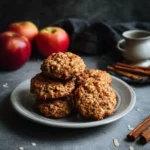
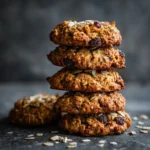
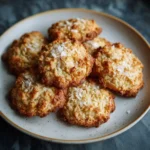
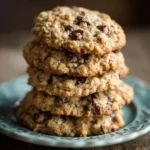
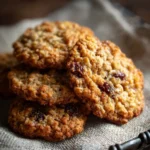
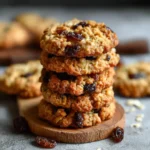
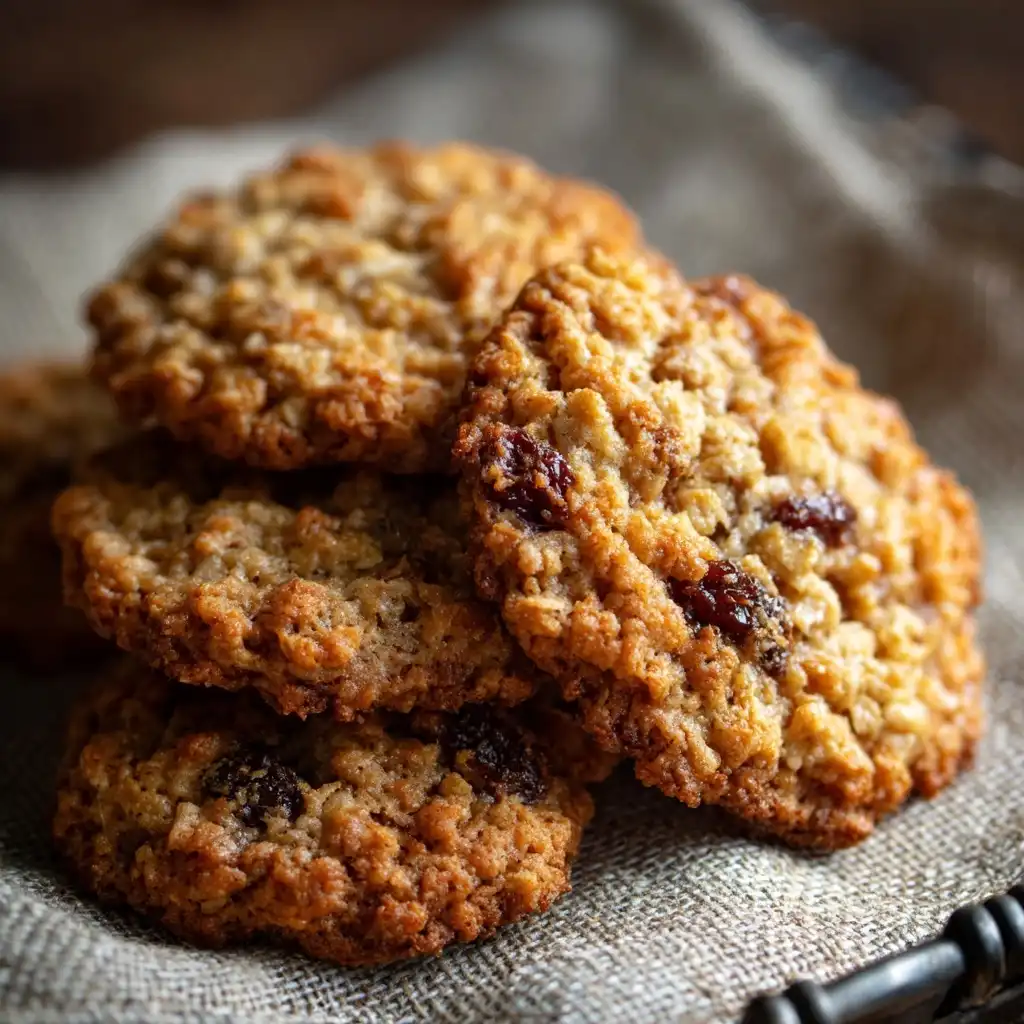
Chewy oatmeal cookies are a timeless American classic—warm, comforting, deeply aromatic, and irresistibly soft with just the right amount of resilient bite. Unlike their crisp, snap-prone cousins, chewy oatmeal cookies boast a tender, moist crumb, slightly caramelized edges, and a rich, toasty depth from slow-cooked oats and brown sugar. They evoke nostalgia—baking on rainy afternoons, lunchbox treats wrapped in parchment, or midnight snacks paired with cold milk. What sets them apart is not just texture but balance: the earthy nuttiness of rolled oats, the molasses-laced sweetness of dark brown sugar, the buttery richness of properly creamed fat, and the subtle warmth of cinnamon—all harmonizing into a cookie that satisfies both craving and comfort. This guide dives deep into every dimension of the perfect chewy oatmeal cookie: its cultural roots, precise ingredient science, foolproof method, pro-level troubleshooting, creative riffs for every palate, evidence-based nutrition insights, and answers to the questions bakers ask most.
The History
The origins of the oatmeal cookie trace back to 19th-century Scotland and England, where oatcakes—simple, hearty flatbreads made from oats, water, and salt—were staple fare for farmers and laborers due to oats’ hardiness in cool, damp climates. As oats migrated across the Atlantic with Scottish and Irish immigrants in the 1700s and 1800s, they became widely cultivated in North America, particularly in Wisconsin, Minnesota, and Ontario. Early American “oat cakes” appeared in cookbooks like Fannie Farmer’s Boston Cooking-School Cook Book (1896), often resembling dense, unleavened biscuits. The true evolution into the soft, sweet, drop-style cookie we recognize today began in earnest during the Great Depression and World War II eras, when home bakers sought economical, shelf-stable treats using pantry staples: oats (a cheap source of fiber and bulk), lard or shortening (when butter was rationed), and molasses or corn syrup (as sugar substitutes). The 1941 edition of The Joy of Cooking included a recognizable oatmeal cookie recipe calling for rolled oats, brown sugar, shortening, eggs, and spices—marking a pivotal shift toward tenderness and chew. General Mills’ 1950s Betty Crocker campaign further cemented the cookie’s status by promoting Quaker Oats in home baking, while the rise of Toll House–style chocolate chip integration in the 1960s transformed it into a beloved hybrid. Today, the chewy iteration—emphasizing moisture retention through higher brown sugar ratios, underbaking, and careful chilling—has become the gold standard among artisanal bakeries, food scientists, and home cooks alike, celebrated for its textural sophistication and nostalgic resonance.
Ingredients Breakdown
Every ingredient in a chewy oatmeal cookie serves a precise functional and sensory role—far beyond mere flavor. Understanding these roles empowers bakers to troubleshoot, adapt, and elevate:
- Old-Fashioned Rolled Oats (not instant or quick oats): The structural and textural heart. Their coarse, flattened flakes absorb liquid slowly, retain moisture during baking, and provide chew without gumminess. Instant oats disintegrate; steel-cut oats remain too hard. Quaker Old Fashioned Oats or Bob’s Red Mill are consistently reliable. Toasting them lightly before mixing deepens nuttiness and reduces raw grain flavor.
- Unsalted Butter (preferably European-style, 82–84% fat): Provides richness, flakiness in layers, and steam for lift. Unsalted allows precise sodium control. European-style butter’s lower water content minimizes gluten development (keeping cookies tender) and yields superior browning and caramelization. Melted butter creates denser, fudgier cookies; softened (65–68°F) and properly creamed butter creates optimal air incorporation for slight lift and chewy resilience.
- Packed Dark Brown Sugar (not light or granulated): The #1 secret to chewiness. Its high molasses content (6–10%) adds acidity (which weakens gluten), hygroscopicity (binds and retains water), and complex caramel notes. Dark brown sugar has nearly double the molasses of light brown, yielding deeper color, richer flavor, and significantly more moisture retention. Never substitute cup-for-cup with white sugar—it will produce crisp, dry, bland cookies.
- Granulated Sugar: Adds sweetness and aids in slight spreading and surface crispness at the edges—creating the ideal contrast to the soft center. A 2:1 ratio of brown to granulated sugar is ideal for maximum chew without sogginess.
- Large Eggs (room temperature): Provide structure via proteins, emulsification via yolks (binding fat and water), and moisture. Room-temperature eggs incorporate more evenly into creamed butter-sugar, creating a stable, airy base. Cold eggs can cause mixture to curdle and yield dense, greasy cookies.
- Pure Vanilla Extract (not imitation): Enhances all other flavors and contributes subtle phenolic complexity. Bourbon-vanilla or Tahitian vanilla adds floral nuance; Mexican vanilla offers spicy warmth. Alcohol evaporates during baking, leaving only aroma.
- All-Purpose Flour (unbleached, 10–11% protein): Provides gluten for structure—but only enough. Too much flour = tough cookies; too little = spread disaster. Spoon-and-level method is non-negotiable. For ultra-chewy results, replace 1–2 Tbsp flour with cornstarch: it inhibits gluten formation and increases tenderness without sacrificing shape.
- Baking Soda (not powder): Reacts with the acidity in brown sugar and molasses to create carbon dioxide *immediately* upon mixing and again in the oven’s heat—lifting the dough just enough to create an open, tender crumb. Baking powder would add unnecessary acid and cause over-leavening and cakey texture.
- Ground Cinnamon (freshly ground preferred): Not just spice—it’s a flavor catalyst that amplifies sweetness and complements oats’ earthiness. Ceylon cinnamon offers delicate citrus notes; Cassia delivers bold, woody warmth. Avoid pre-ground “cinnamon” blends with fillers.
- Fine Sea Salt (e.g., Diamond Crystal): Critical for balancing sweetness and enhancing all other flavors. It also subtly strengthens gluten for better chew integrity. Kosher salt is acceptable; table salt is too intense per volume.
- Optional Add-Ins (chocolate chips, raisins, dried cranberries, toasted nuts, etc.): Must be room temperature and patted dry if juicy (e.g., soaked raisins). Chocolate should be high-quality (60–70% cacao) with cocoa butter—not vegetable oil—to prevent greasiness and bloom.
Step-by-Step Recipe
- Prep & Toast Oats (10 min, includes cooling): Preheat oven to 350°F (175°C). Spread 3 cups old-fashioned rolled oats evenly on a parchment-lined rimmed baking sheet. Toast 8–10 minutes, stirring once halfway, until fragrant and pale golden. Cool completely (15–20 min)—warm oats will melt butter and cause greasiness.
- Cream Butter & Sugars (3–4 min): In a large stand mixer fitted with paddle attachment, beat 1 cup (2 sticks / 227g) unsalted, softened (65–68°F) European-style butter, 1 cup (200g) packed dark brown sugar, and ½ cup (100g) granulated sugar on medium speed until light, fluffy, and pale—scraping bowl and paddle twice. Proper creaming traps air for lift and tenderness.
- Incorporate Wet Ingredients (1.5 min): Add 2 large room-temperature eggs one at a time, beating 30 seconds after each until fully emulsified. Beat in 2 tsp pure vanilla extract. Mixture should be smooth, glossy, and homogeneous—no streaks or separation.
- Whisk Dry Ingredients (2 min): In a separate medium bowl, whisk together 1¾ cups (210g) unbleached all-purpose flour, 2 Tbsp (16g) cornstarch, 1 tsp baking soda, 1½ tsp ground cinnamon, and 1 tsp fine sea salt until fully aerated and lump-free.
- Combine Dry & Wet (45 sec): With mixer on low, gradually add dry ingredients to wet in three additions, mixing only until *just combined* after each. Overmixing develops gluten → toughness. Then gently fold in cooled toasted oats with a silicone spatula until evenly distributed—no streaks of flour.
- Add Mix-Ins (30 sec): Fold in 1½ cups (255g) semi-sweet chocolate chips (or preferred add-ins) until evenly dispersed. Do not overfold.
- Chill Dough (Non-Negotiable: 2 hours minimum, up to 72 hours): Divide dough into two equal portions. Shape each into a 2-inch-thick log, wrap tightly in parchment paper, then plastic wrap. Refrigerate for *at least* 2 hours—or ideally, 12–24 hours. Chilling solidifies butter, prevents overspreading, hydrates oats fully, mellowed flavors, and concentrates sugars for deeper caramelization.
- Preheat & Prep (15 min before baking): Position racks in upper and lower thirds. Preheat oven to 350°F (175°C). Line two heavy-duty baking sheets with parchment paper (NOT silicone mats—they insulate and prevent bottom browning).
- Portion & Bake (Critical Timing): Slice chilled dough logs into ¼-inch-thick rounds (≈1.5 oz / 43g each). Place 2 inches apart on sheets. Bake *one sheet at a time* for 11–12 minutes—rotating pan front-to-back at 6 minutes—until edges are set and lightly golden, centers look *soft, puffed, and slightly underdone*, with faint cracks forming. They will *not* look done—that’s intentional. Underbaking preserves chew.
- Cool Completely on Sheet (10 min): Remove from oven. Let cookies rest on hot baking sheet for exactly 10 minutes—this finishes cooking the centers gently via residual heat and sets structure without drying. Then transfer carefully to wire racks to cool fully (20+ min) before eating. They firm up as they cool but retain chew.
Tips
- Butter Temperature is Everything: Use an instant-read thermometer. Butter between 65–68°F creams perfectly. Too cold = grainy; too warm = greasy, flat cookies. If unsure, cut cold butter into ½-inch cubes and let sit at room temp 20–25 min before creaming.
- Weigh Your Ingredients: Volume measuring of flour and oats varies wildly (+/- 25%). A kitchen scale ensures consistency—especially critical for chewy texture. 1 cup AP flour = 120g; 1 cup oats = 90g.
- Toast Your Oats—Always: Raw oats taste dusty and bland. Toasting unlocks Maillard reactions, adding depth and reducing moisture absorption competition with other ingredients.
- Chill Time Cannot Be Rushed: Skipping or shortening chill leads to thin, greasy, uneven cookies. If desperate, freeze shaped dough balls for 45 minutes—but refrigeration yields superior flavor development.
- Bake One Sheet at a Time: Crowded ovens trap steam, causing soggy bottoms and uneven browning. Rotate pans mid-bake for uniformity.
- Underbake Relentlessly: Pull cookies when centers look softly puffed and *barely* set. They’ll carryover-cook on the sheet. Overbaked = cakey or crisp.
- Cool on the Sheet—No Exceptions: Moving them too soon causes breakage. The 10-minute rest is where chew integrity locks in.
- Store for Peak Chew: Once fully cooled, store in an airtight container with a slice of plain white bread—its starches release moisture, keeping cookies soft for 5–7 days. Replace bread every 2 days.
- Revive Stale Cookies: Place in a 300°F oven for 3–4 minutes—steam rehydrates them instantly.
- Freeze Like a Pro: Portion unbaked dough balls onto a tray, freeze solid (2 hrs), then transfer to freezer bag. Bake straight from frozen—add 1–2 minutes to bake time. Dough keeps 3 months.
Variations and Customizations
Chewy oatmeal cookies are a masterclass in versatility—each variation honors the core texture while exploring new dimensions of flavor, dietary need, and seasonal inspiration:
- Oatmeal Raisin (Classic Revival): Soak 1 cup plump raisins in hot apple cider or rum for 15 minutes, drain well, and pat *completely* dry. Fold in with oats. Add ½ tsp freshly grated orange zest to batter for brightness that cuts sweetness.
- Maple Pecan: Replace ¼ cup brown sugar with 3 Tbsp pure maple syrup (reduce granulated sugar by 1 Tbsp to compensate for added liquid). Fold in 1 cup toasted, chopped pecans and 2 Tbsp maple sugar crystals for crunch.
- Double Chocolate Espresso: Add 3 Tbsp unsweetened Dutch-process cocoa powder + 1 Tbsp instant espresso powder to dry ingredients. Use dark chocolate chunks (70%) and ¼ cup mini chocolate chips for layered melt.
- Ginger-Spiced with Crystallized Ginger: Add 1 Tbsp finely minced crystallized ginger + 1 tsp ground ginger + ¼ tsp ground cloves to dry ingredients. Fold in ⅔ cup chopped ginger pieces—adds chewy, spicy bursts.
- Vegan Chewy Oatmeal: Use 1 cup vegan butter (Miyoko’s or Earth Balance), 2 flax eggs (2 Tbsp ground flax + 6 Tbsp warm water, rested 10 min), and coconut sugar (for molasses-like depth). Ensure oats are certified gluten-free if needed.
- Gluten-Free Chewy: Substitute 1:1 gluten-free all-purpose blend (Bob’s Red Mill or King Arthur) + 1 Tbsp xanthan gum. Use certified GF oats. Add 1 extra Tbsp brown sugar for moisture.
- Protein-Powered: Add ¼ cup unflavored collagen peptides or whey protein isolate to dry ingredients. Reduce flour by 2 Tbsp. Increases satiety without altering texture.
- Overnight Oatmeal Cookie Bars: Press dough into a parchment-lined 9×13” pan. Bake at 325°F for 28–32 minutes until edges are golden and center springs back. Cool completely before cutting into 16 squares—dense, fudgy, and intensely chewy.
- Spiced Pear & Cardamom: Fold in 1 cup finely diced, peeled Bartlett pears (tossed in 1 tsp lemon juice) and 1½ tsp ground cardamom. Adds floral sweetness and juicy tenderness.
- Savory-Sweet Rosemary & Sea Salt: Omit cinnamon. Add 1 Tbsp very finely minced fresh rosemary + 1 tsp flaky sea salt sprinkled on top before baking. Unexpected, elegant, and deeply aromatic.
Health Considerations and Nutritional Value
A single standard chewy oatmeal cookie (approx. 43g, based on this recipe) provides roughly: 185 calories, 9g fat (5g saturated), 24g carbohydrates (1g fiber, 14g sugars), 2g protein, and 115mg sodium. While undeniably indulgent, thoughtful formulation elevates its nutritional profile meaningfully:
- Oats: The Whole-Grain Powerhouse: Rich in beta-glucan—a soluble fiber clinically proven to reduce LDL cholesterol, stabilize blood sugar, and promote satiety. One serving delivers ~1g of this heart-healthy fiber. Steel-cut or old-fashioned oats retain more intact fiber than instant varieties.
- Brown Sugar vs. White Sugar: Though still added sugar, dark brown sugar contributes trace minerals (calcium, potassium, iron) and antioxidants (polyphenols) from molasses—unlike refined white sugar, which is nutritionally void.
- Healthy Fat Profile: Using grass-fed butter adds conjugated linoleic acid (CLA), associated with anti-inflammatory benefits. Vegan versions with almond or coconut oil offer monounsaturated fats.
- Antioxidant Boost from Add-Ins: Dark chocolate (70%+) contributes flavonoids; cinnamon has anti-glycation and insulin-sensitizing properties; walnuts add omega-3 ALA; blueberries deliver anthocyanins.
- Lower Glycemic Impact: The combination of fiber (oats), fat (butter), and protein (eggs) slows carbohydrate absorption, resulting in a gentler blood sugar curve than sugar-cookie counterparts.
- Considerations & Moderation: High in added sugars (14g/cookie)—stay within AHA guidelines (≤25g/day for women, ≤36g for men). Those with celiac disease must use certified gluten-free oats. Individuals managing diabetes should pair with protein/fat (e.g., Greek yogurt) and monitor portions. Not low-calorie—but nutrient-dense *for a treat*.
- Functional Upgrades: Swap ¼ cup flour for oat flour (blend rolled oats) for extra fiber. Add chia or flax seeds (1 Tbsp) for omega-3s and binding. Use date paste (¼ cup) to replace ⅓ of brown sugar for natural sweetness and fiber.
Ingredients
- 3 cups (270g) old-fashioned rolled oats (certified gluten-free if needed)
- 1 cup (227g / 2 sticks) unsalted European-style butter, softened to 65–68°F
- 1 cup (200g) packed dark brown sugar
- ½ cup (100g) granulated sugar
- 2 large eggs, room temperature
- 2 tsp pure vanilla extract
- 1¾ cups (210g) unbleached all-purpose flour
- 2 Tbsp (16g) cornstarch
- 1 tsp baking soda
- 1½ tsp ground cinnamon (Ceylon or Cassia)
- 1 tsp fine sea salt (Diamond Crystal)
- 1½ cups (255g) semi-sweet chocolate chips (60% cacao, cocoa butter only)
Directions
- Preheat oven to 350°F (175°C). Line two heavy-duty baking sheets with parchment paper. Set aside.
- In a single layer, spread oats on a rimmed baking sheet. Toast in preheated oven 8–10 minutes, stirring once, until fragrant and pale golden. Transfer to a cool plate; let cool completely (15–20 min).
- In the bowl of a stand mixer fitted with paddle attachment, beat butter, brown sugar, and granulated sugar on medium speed 3–4 minutes until light, fluffy, and pale. Scrape bowl and paddle thoroughly.
- Add eggs one at a time, beating 30 seconds after each until fully incorporated. Add vanilla; beat 30 seconds more. Mixture should be smooth and glossy.
- In a separate bowl, whisk together flour, cornstarch, baking soda, cinnamon, and salt until fully blended and aerated.
- With mixer on low, gradually add dry ingredients to wet in three parts, mixing only until no dry streaks remain after each addition. Stop mixer immediately when combined.
- Using a silicone spatula, gently fold in cooled toasted oats until evenly distributed. Fold in chocolate chips just until dispersed—do not overmix.
- Divide dough in half. Shape each portion into a 2-inch-thick log. Wrap tightly in parchment paper, then plastic wrap. Refrigerate for at least 2 hours, or up to 72 hours.
- When ready to bake, position oven racks in upper and lower thirds. Preheat oven to 350°F (175°C). Line fresh parchment on baking sheets.
- Remove one dough log from fridge. Slice into ¼-inch-thick rounds (≈1.5 oz / 43g each). Place 2 inches apart on prepared sheets.
- Bake one sheet at a time for 11–12 minutes, rotating pan front-to-back at 6 minutes, until edges are set and lightly golden, centers appear soft, puffed, and slightly underdone with faint surface cracks.
- Immediately remove sheet from oven. Let cookies rest on hot sheet for exactly 10 minutes—do not move. Then carefully transfer to wire racks to cool completely (20+ min) before storing or serving.
- Repeat with remaining dough. Store cooled cookies in an airtight container at room temperature with a slice of white bread for up to 7 days. Freeze baked cookies or unbaked dough balls for up to 3 months.
FAQ
- Why are my oatmeal cookies cakey instead of chewy?
- Likely causes: overmixing after adding flour (develops gluten), using baking powder instead of soda, skipping the chill step, overbaking, or substituting quick/instant oats. Also check butter temperature—too warm causes greasiness and collapse.
- Can I use oil instead of butter?
- You can—but texture shifts dramatically. Neutral oil (avocado, grapeseed) yields softer, more fragile cookies with less browning and richness. Reduce oil by 2 Tbsp versus butter volume and add 1 extra Tbsp brown sugar to compensate for lost moisture and flavor.
- My cookies spread too much—even after chilling. What’s wrong?
- Check your flour measurement—too little causes spread. Ensure you’re spooning and leveling, not scooping. Also verify your baking soda isn’t expired (test in vinegar—it should fizz vigorously). And confirm your oats are *old-fashioned*, not quick or instant.
- How do I make them gluten-free without losing chew?
- Use a high-quality 1:1 GF blend *with xanthan gum* (e.g., King Arthur Measure for Measure). Add 1 Tbsp GF oat flour and reduce total flour by 1 Tbsp. Chill dough at least 3 hours—GF flours hydrate slower.
- Can I make these dairy-free and still get chew?
- Absolutely. Use high-fat vegan butter (Miyoko’s) and flax eggs. Add 1 extra Tbsp brown sugar and 1 tsp apple cider vinegar (reacts with soda for lift). Toast oats extra well to boost flavor lost without dairy.
- What’s the best way to add fruit without making cookies soggy?
- Pat dried fruit *bone-dry* with paper towels. For fresh fruit (apples, pears), toss diced pieces in 1 tsp cornstarch + 1 tsp lemon juice, then drain excess liquid. Limit to ¾ cup max per batch.
- Why do you recommend European butter?
- Higher fat (82–84% vs. 80%), lower water content means less steam = less gluten activation = more tender, chewy crumb. Also superior browning and flavor compounds due to longer culturing.
- Can I double this recipe?
- Yes—but mix in two separate batches. Doubling in one bowl risks undercreaming or overmixing. Also, chill logs separately to ensure even firmness.
- How do I get that signature crackled top?
- That comes from proper creaming (trapping air), sufficient brown sugar (molasses creates surface tension), and the *exact* moment of underbaking—when surface dries and cracks before interior fully sets.
- Are chewy oatmeal cookies safe for kids with nut allergies?
- Yes—if you omit nuts and verify all ingredients (oats, chocolate chips, vanilla) are processed in nut-free facilities. Look for certified nut-free labels on packaging.
Summary
Chewy oatmeal cookies achieve their legendary texture through a precise synergy of toasted old-fashioned oats, high-molasses dark brown sugar, properly creamed European butter, strategic cornstarch, mandatory chilling, and intentional underbaking—transforming humble pantry staples into a deeply satisfying, moist, resilient, and nostalgically rich treat.
They’re endlessly adaptable—from vegan and gluten-free to gourmet spiced or protein-enriched—while offering meaningful nutritional benefits from whole-grain oats and antioxidant-rich add-ins, proving that indulgence and wellness can coexist deliciously in every soft, golden-brown bite.