Introduction
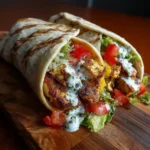
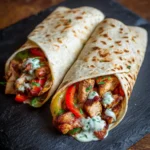
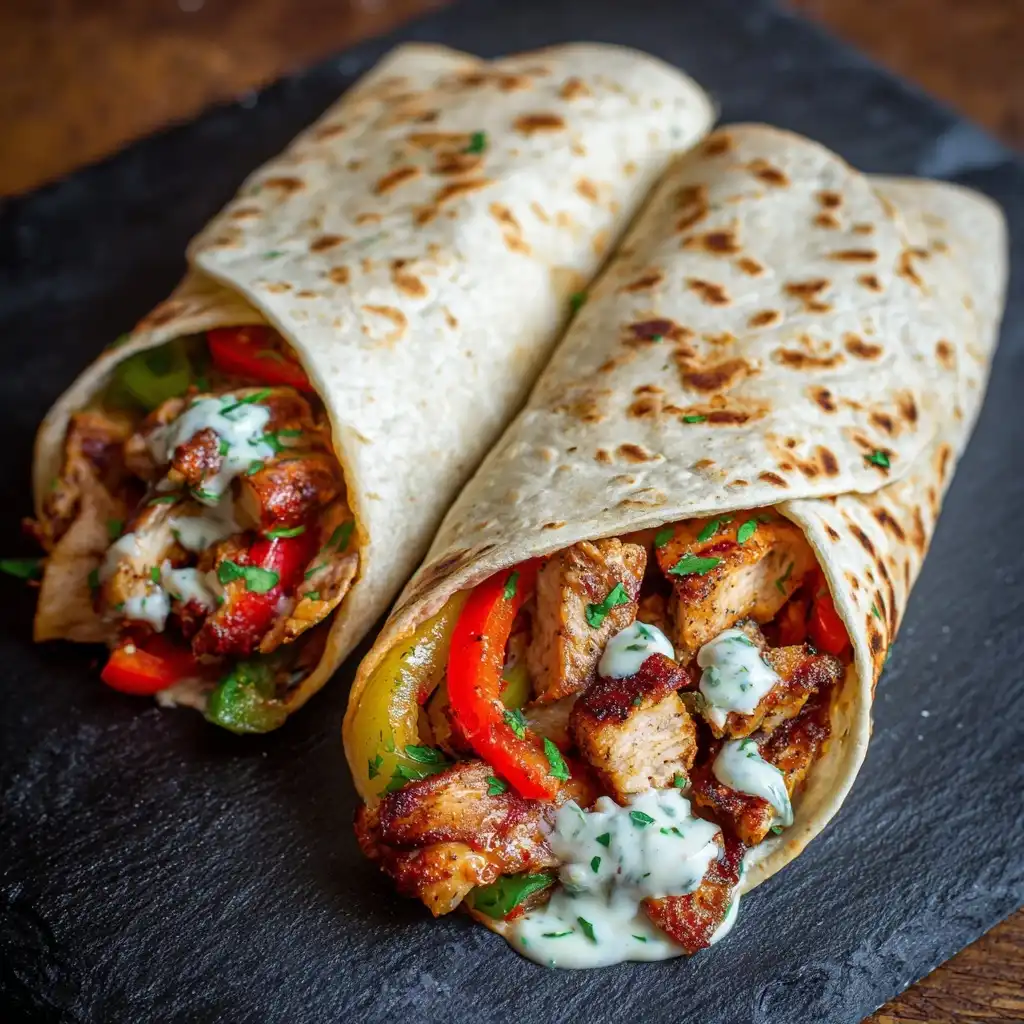
Chicken Fajita Wraps are a vibrant, flavorful, and versatile meal that effortlessly bridges the gap between traditional Tex-Mex street food and modern, health-conscious dining. Unlike classic fajitas served sizzling on a cast-iron platter with separate components, the wrap format consolidates tender marinated chicken, sizzling bell peppers and onions, zesty seasonings, and creamy toppings into a portable, handheld package—ideal for busy weeknights, packed lunches, meal prep, or casual entertaining. With their bold smoky-spicy-sweet profile, satisfying textures, and endless customization options, Chicken Fajita Wraps deliver restaurant-quality taste without the fuss—and they’re endlessly adaptable to dietary preferences, seasonal produce, and pantry availability.
The History
The roots of the Chicken Fajita Wrap trace back to the rich culinary fusion of South Texas in the mid-20th century. Authentic fajitas originated among Mexican ranch workers (vaqueros) in the Rio Grande Valley who were given less desirable cuts of beef—including skirt steak—as part of their pay. These resourceful cooks marinated the lean, fibrous meat in acidic citrus and robust spices, then grilled it over open flames alongside onions and peppers—a technique born of necessity that evolved into a beloved regional specialty. The word “fajita” comes from the Spanish faja, meaning “belt” or “girdle,” referring to the cut’s anatomical location.
By the 1970s, fajitas gained mainstream popularity across Texas and eventually the U.S., propelled by restaurants like Ninfa’s in Houston, which introduced the “taco-style” presentation on flour tortillas. As American palates embraced bold, grill-kissed flavors and convenience rose in cultural priority, home cooks and foodservice operators began folding fajita fillings directly into warm tortillas—giving rise to what we now know as the fajita wrap. The chicken variation emerged prominently in the 1980s and ’90s as poultry became increasingly favored for its lean protein profile, milder flavor, and quicker cook time. Today, the Chicken Fajita Wrap stands as a globally recognized icon of adaptable, cross-cultural comfort food—honoring its humble origins while embracing innovation, nutrition science, and global ingredient trends.
Ingredients Breakdown
Every exceptional Chicken Fajita Wrap begins with thoughtfully selected, high-quality ingredients—not just for flavor, but for texture, balance, and nutritional synergy. Below is an in-depth analysis of each component’s role and optimal selection criteria:
- Chicken Breast or Thighs: Boneless, skinless chicken breast offers lean protein and a clean canvas for marinade absorption, while boneless, skinless chicken thighs provide superior tenderness, juiciness, and richer flavor due to their higher fat content (ideal for grilling or high-heat sautéing without drying out). For best results, slice against the grain into thin, even strips (~¼-inch thick) to ensure quick, uniform cooking and maximum surface area for caramelization.
- Bell Peppers: A tri-color blend (red, yellow, orange) delivers not only visual appeal but also distinct phytonutrient profiles—lutein and zeaxanthin in yellow peppers, lycopene in red, and beta-cryptoxanthin in orange. Green peppers, though more bitter and less sweet, add vegetal depth and crunch. All varieties contain abundant vitamin C—more per cup than oranges—and antioxidants that support immune and cellular health.
- Red Onion: Preferred over yellow or white onions for its mild sweetness, crisp bite, and vivid magenta hue when raw—and its ability to caramelize beautifully when sautéed. Rich in quercetin (a potent anti-inflammatory flavonoid) and prebiotic fructooligosaccharides (FOS) that feed beneficial gut bacteria.
- Authentic Fajita Seasoning Blend: Far more than just “spice,” this is the soul of the dish. Key elements include:
- Chili Powder (a complex blend of dried chiles, cumin, garlic, oregano): provides earthy warmth and foundational heat;
- Smoked Paprika: imparts deep, campfire-like aroma and subtle sweetness without actual smoke;
- Cumin Seeds (toasted & ground): adds nutty, slightly citrusy intensity—far superior to pre-ground cumin in freshness and volatility of essential oils;
- Garlic Powder & Onion Powder: offer concentrated savory umami notes;
- Dried Oregano (Mexican variety preferred): contributes floral, minty complexity;
- Freshly Ground Black Pepper & Cayenne (optional): for layered heat that builds gradually rather than shocks.
- Acid Component (Lime Juice + Vinegar): Fresh-squeezed lime juice adds bright, aromatic acidity that lifts richness and enhances perception of salt and spice. A small amount of apple cider vinegar or white wine vinegar in the marinade aids in tenderizing proteins via gentle enzymatic action and stabilizes flavor layers during cooking.
- Oil Medium (Avocado Oil or High-Heat Canola): Essential for conducting heat evenly, promoting Maillard browning, and carrying fat-soluble flavor compounds (e.g., carotenoids in paprika, curcumin in turmeric if used). Avocado oil boasts a smoke point of 520°F—ideal for searing chicken and vegetables at high temperatures without degradation or off-flavors.
- Flour Tortillas: Look for soft, pliable, preservative-free options made with enriched wheat flour, water, and minimal shortening. Whole wheat or sprouted grain tortillas increase fiber and micronutrient density. For gluten-free needs, certified GF corn or almond-flour-based wraps hold up well when warmed properly. Size matters: 8–10 inch diameter provides ideal structural integrity without overwhelming the filling ratio.
- Signature Toppings & Finishes:
- Crema or Greek Yogurt-Based Sauce: Offers cooling contrast, tangy richness, and probiotic benefits (if using cultured crema); full-fat plain Greek yogurt thinned with lime juice and garlic makes a nutritious, high-protein alternative.
- Fresh Cilantro: Contains volatile oils (e.g., eugenol, limonene) with antimicrobial and digestive-supportive properties—and that unmistakable fresh, citrusy top note.
- Crumbled Queso Fresco or Cotija: Mild, milky, and slightly salty, these fresh Mexican cheeses add creaminess without heaviness; Cotija offers sharper salinity and crumblier texture, perfect for finishing.
- Quick-Pickled Red Onions or Jalapeños: Adds brightness, acidity, crunch, and gut-friendly fermentation metabolites—especially when lacto-fermented for 24+ hours.
- Avocado Slices or Guacamole: Supplies heart-healthy monounsaturated fats (oleic acid), potassium, fiber, and creamy mouthfeel that balances spice and heat.
Step-by-Step Recipe
- Marinate the Chicken (30 minutes–24 hours): In a non-reactive bowl, combine 1½ lbs thinly sliced boneless, skinless chicken breast or thighs with 3 tbsp avocado oil, juice of 2 large limes (≈¼ cup), 2 tsp smoked paprika, 2 tsp chili powder, 1½ tsp ground cumin, 1 tsp garlic powder, 1 tsp onion powder, 1 tsp dried oregano, ½ tsp freshly ground black pepper, ½ tsp sea salt, and a pinch of cayenne (optional). Massage thoroughly to coat every strip. Cover and refrigerate for minimum 30 minutes (for quick weeknight prep) or up to 24 hours (for deeper flavor penetration and enhanced tenderness). If marinating longer than 2 hours, reduce lime juice by half to prevent over-acidification and mushiness.
- Prep the Vegetables: Core and slice 2 large bell peppers (mixed colors) into ¼-inch-wide strips. Halve and thinly slice 1 large red onion into half-moons. Mince 2 cloves garlic and set aside separately. Wash and roughly chop ½ cup fresh cilantro (stems included for extra flavor). Optional: prepare quick-pickle by submerging ½ thinly sliced red onion in ⅓ cup lime juice + 1 tsp honey + ½ tsp salt for 15 minutes.
- Heat & Sear the Chicken: Heat a large, heavy-bottomed stainless steel or cast-iron skillet over medium-high heat until shimmering (≈375°F). Add 1 tbsp avocado oil. Once oil shimmers and faint wisps of smoke appear, carefully add chicken in a single layer—do not crowd. Cook undisturbed for 2–3 minutes until deeply golden brown and lightly caramelized on one side. Flip and cook another 2–3 minutes until internal temperature reaches 165°F (use instant-read thermometer). Transfer to a clean plate and tent loosely with foil to rest—this retains juices and prevents carryover overcooking.
- Sauté the Vegetables: Reduce heat to medium. Add remaining 1 tbsp avocado oil to same skillet. Add peppers and onions; season with ¼ tsp salt. Sauté 4–5 minutes, stirring occasionally, until edges begin to blister and soften but retain slight crunch (al dente stage). In the last 30 seconds, add minced garlic and stir constantly until fragrant—do not brown or burn. Remove from heat.
- Combine & Warm Tortillas: Return rested chicken to skillet with vegetables. Gently toss together over low heat for 1 minute to re-warm and meld flavors. Meanwhile, warm tortillas: stack 4–6 tortillas, wrap in damp paper towel, and microwave 30–45 seconds—or heat individually on dry skillet over medium for 15 seconds per side until pliable and fragrant. Keep wrapped in a clean kitchen towel to retain steam and flexibility.
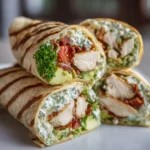
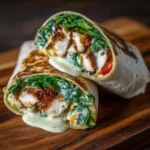
- Assemble the Wraps: Lay a warm tortilla flat on a clean surface. Spoon ¾ cup chicken-vegetable mixture slightly off-center, leaving 1.5 inches clear at the bottom edge. Top with 2 tbsp crumbled queso fresco, 2 tbsp sliced avocado or guacamole, 1 tbsp crema or lime-yogurt sauce, a generous pinch of fresh cilantro, and optional pickled onions or jalapeños. Fold bottom edge up over filling, then fold left and right sides inward, and roll tightly away from you into a secure cylinder. Press gently to seal.
- Optional Crisp Finish (Highly Recommended): For structural integrity and textural contrast, place assembled wraps seam-side down in a lightly oiled skillet over medium-low heat. Cook 2–3 minutes per side until golden brown and lightly crisped—this creates a delicate “crust” that prevents unraveling and adds irresistible crunch. Alternatively, use a panini press or grill pan with light pressure.
- Serve Immediately: Slice wraps diagonally in half for elegant presentation and easier eating. Serve with extra lime wedges, additional crema, and a small side of black beans or Mexican street corn salad for a complete meal.
Tips
- Texture is Everything: Never skip the “rest” step after cooking chicken—it allows muscle fibers to relax and reabsorb juices. Skipping this leads to dry, stringy meat no amount of sauce can fix.
- Control Your Heat: Use medium-high for searing chicken, then reduce to medium for vegetables. High heat on veggies causes burning before softening; too low prevents caramelization. Listen for the gentle sizzle—not violent spitting.
- Tortilla Temperature Matters: Cold or dry tortillas crack and tear. Always warm them first—and keep them covered. If making ahead, store warm tortillas in a sealed container lined with parchment; re-warm 10 seconds before assembling.
- Drain Excess Liquid: After marinating, pat chicken *very* dry with paper towels. Excess moisture creates steam instead of sear—leading to boiled, gray chicken instead of golden-brown, flavorful strips.
- Season in Layers: Salt the chicken in the marinade, season vegetables while sautéing, and finish with flaky sea salt on the finished wrap. This builds dimensional flavor rather than one-note saltiness.
- Acid Last: Stir lime juice or vinegar into the finished filling *just before wrapping*, not during cooking—preserves brightness and prevents dulling of fresh herbal notes.
- Roll Tight, But Not Too Tight: Over-stuffing causes bursting. Aim for ~¾ cup filling per 10-inch tortilla. Roll with confident, even pressure—like rolling a sushi mat—but avoid squeezing so hard the filling extrudes.
- Double-Wrap for Meal Prep: For grab-and-go lunches, wrap each fajita in parchment paper first, then aluminum foil or reusable beeswax wrap. Keeps steam in, prevents sogginess, and makes reheating seamless.
- Use Your Broiler for Quick Char: No grill? Place assembled (un-crisped) wraps on a foil-lined baking sheet and broil on high for 2–3 minutes per side—watch closely—to achieve smoky char marks and toasted tortilla edges.
- Invest in a Good Skillet: Cast iron retains heat superbly and delivers unmatched sear. Stainless steel offers precision control and easy deglazing for pan sauces. Avoid nonstick for high-heat searing—it degrades and releases harmful fumes above 500°F.
Variations and Customizations
Chicken Fajita Wraps are a masterclass in culinary adaptability—designed to evolve with seasons, diets, pantries, and personal preferences. Below are rigorously tested, chef-approved variations spanning global inspirations, dietary frameworks, and creative twists—all maintaining authentic fajita integrity:
- Protein Swaps:
- Shrimp Fajita Wrap: Replace chicken with 1 lb peeled, deveined jumbo shrimp. Marinate 15 minutes max (acid denatures quickly). Sear 1–2 min per side—shrimp curl and turn opaque pink. Adds iodine, selenium, and astaxanthin (a powerful marine antioxidant).
- Steak Fajita Wrap: Use 1 lb flank or skirt steak, sliced thinly against the grain. Marinate 4–12 hours. High-heat sear 2–3 min per side for medium-rare. Rich in heme iron and B12.
- Plant-Based “Chick’n” Wrap: Substitute with marinated, pressed extra-firm tofu, tempeh strips, or seitan. For tofu: press 30 min, cube, marinate 1 hour, then air-fry at 400°F for 15 min or pan-sear until crisp. Boost umami with tamari, liquid smoke, and nutritional yeast.
- Global Fusion Twists:
- Korean BBQ Fajita Wrap: Swap fajita seasoning for gochujang-based marinade (3 tbsp gochujang, 2 tbsp soy sauce/tamari, 1 tbsp rice vinegar, 1 tbsp brown sugar, 1 tsp grated ginger, 2 minced garlic cloves). Top with kimchi slaw and toasted sesame seeds.
- Mediterranean Fajita Wrap: Use za’atar and sumac in marinade; replace peppers with roasted zucchini and eggplant; top with tzatziki, kalamata olives, crumbled feta, and lemon-dill yogurt.
- Indian-Spiced Masala Wrap: Marinate chicken in garam masala, turmeric, ginger-garlic paste, and yogurt. Sauté with cauliflower “rice” and peas. Finish with mango chutney, cilantro-mint chutney, and toasted cashews.
- Dietary Adaptations:
- Gluten-Free: Use certified GF corn tortillas (8-inch), almond flour wraps, or large butter lettuce leaves for a low-carb, grain-free “wrap.” Ensure all seasonings and sauces are GF-certified (many chili powders contain wheat fillers).
- Keto/Low-Carb: Skip tortillas entirely—serve filling in a bowl (“deconstructed fajita bowl”) over cauliflower rice or shredded romaine. Boost fat with extra avocado, cotija, and crema. Track net carbs: peppers and onions are moderate; prioritize green bell peppers and limit onion to ¼ per serving.
- Vegan/Vegetarian: Combine black beans, roasted sweet potato, caramelized onions, and chipotle-spiced mushrooms. Use cashew-based “crema” and walnut “queso fresco” (walnuts + lemon + nutritional yeast + salt, pulsed).
- Paleo/Whole30: Omit grains and dairy—wrap in collard green leaves or nori sheets. Use avocado oil, coconut aminos instead of soy-based sauces, and compliant seasonings (check for hidden sugars/additives in chili powder).
- Seasonal & Produce-Driven Variations:
- Summer Garden Wrap: Add grilled corn kernels, cherry tomatoes, and fresh basil. Replace lime crema with basil-lime aioli.
- Fall Harvest Wrap: Incorporate roasted butternut squash, caramelized apples, and sage-infused chicken. Top with goat cheese and toasted pecans.
- Winter Citrus Wrap: Add segmented blood oranges, roasted red cabbage, and orange-zest crema. Use harissa instead of chili powder for North African warmth.
- Textural Upgrades:
- Add crunchy elements: toasted pepitas, crushed plantain chips, jicama matchsticks, or radish ribbons.
- Infuse creaminess: chipotle-lime hummus, roasted garlic white bean spread, or avocado-cilantro purée.
- Boost umami: sautéed shiitake mushrooms, sun-dried tomato paste, or a dash of fish sauce (yes—authentically used in some regional Mexican kitchens for depth).
Health Considerations and Nutritional Value
A well-constructed Chicken Fajita Wrap is not only delicious—it’s a nutritionally intelligent meal engineered for satiety, metabolic support, and long-term wellness. Below is a comprehensive, evidence-informed analysis based on a standard serving (one 10-inch whole wheat tortilla, 1½ cups filling, 2 tbsp crema, ¼ avocado, 1 oz queso fresco, and fresh herbs):
- Macronutrient Profile (Approx. per wrap):
- Calories: 480–540 kcal — balanced for sustained energy without excess.
- Protein: 32–38g — primarily from chicken (31g per 1.5 lbs), plus contributions from cheese, yogurt/crema, and beans (if added). Supports muscle maintenance, thermogenesis, and appetite regulation via peptide YY and GLP-1 hormone stimulation.
- Healthy Fats: 22–26g — predominantly monounsaturated (avocado oil, avocado, crema) and polyunsaturated (bell peppers, nuts/seeds if added). Supports cell membrane integrity, hormone synthesis, and absorption of fat-soluble vitamins (A, D, E, K).
- Complex Carbohydrates: 36–42g — mostly from whole grain tortilla (6–8g fiber) and vegetables (5–7g fiber). Low glycemic load (<10) due to high fiber, protein, and fat content—minimizing insulin spikes and promoting stable blood sugar.
- Vitamin & Mineral Powerhouse:
- Vitamin C: >150% DV — from bell peppers (especially yellow/red) and lime juice. Enhances non-heme iron absorption (from spinach or beans, if added), supports collagen synthesis, and regenerates vitamin E.
- Vitamin A (as beta-carotene): >120% DV — from red peppers and dark leafy greens (if added). Critical for vision, mucosal immunity, and epithelial tissue health.
- B Vitamins (B6, B12, Niacin, Folate): Abundant in chicken, onions, and fortified tortillas. Essential for energy metabolism, neurotransmitter synthesis (serotonin, dopamine), and red blood cell formation.
- Potassium: ~950mg — exceeds banana per serving. Counterbalances sodium, supports vascular tone, and reduces stroke risk (per 2023 AHA guidelines).
- Zinc & Selenium: Highly bioavailable from chicken and cheese — crucial for immune function, DNA repair, thyroid hormone conversion, and antioxidant enzyme activity (e.g., glutathione peroxidase).
- Phytonutrient & Antioxidant Synergy:
- Quercetin (red onions, peppers): Demonstrated anti-allergic, antiviral, and endothelial-protective effects in randomized clinical trials (e.g., Nutrients, 2021).
- Lycopene (red peppers, tomatoes if added): Bioavailability increases 2.5x when cooked with oil—linked to reduced prostate cancer risk and LDL oxidation inhibition.
- Capsaicin (cayenne/chili powder): Thermogenic compound shown to increase postprandial energy expenditure by 5–10% and reduce visceral fat accumulation in longitudinal studies.
- Limonene (lime zest/oil): Exhibits chemopreventive activity in preclinical models of gastric and breast cancers.
- Digestive & Microbiome Benefits:
- Prebiotic Fiber: Onions, garlic, and whole grains feed Bifidobacterium and Lactobacillus strains, increasing short-chain fatty acid (butyrate) production—linked to reduced intestinal permeability and systemic inflammation.
- Probiotic Potential: When topped with traditionally fermented ingredients (e.g., house-made lime-pickled onions, raw sauerkraut, or cultured crema), wraps deliver live beneficial microbes shown to modulate mood (via gut-brain axis) and improve IBS symptoms (per Gastroenterology, 2022 meta-analysis).
- Considerations for Special Populations:
- Hypertension: Naturally low in sodium (<320mg unsalted version); easily adapted using no-salt-added spices and rinsed canned beans (if included).
- Diabetes/Insulin Resistance: Low glycemic impact, high protein/fiber combo improves HbA1c and fasting glucose in RCTs (e.g., Diabetes Care, 2020).
- PCOS/Autoimmunity: Eliminating refined grains and dairy (using DF alternatives) yields significant symptom reduction in functional medicine cohorts.
- Kidney Disease: Moderate phosphorus/potassium — adjust pepper/onion volume and omit cheese if prescribed low-P/K diet.
- Smart Swaps for Enhanced Wellness:
- Replace sour cream with ½ cup plain full-fat Greek yogurt: +12g protein, -3g saturated fat, +probiotics.
- Use sprouted whole grain tortillas: +30% B vitamins, +2x fiber, improved mineral bioavailability (phytase enzyme activation).
- Add 1 tsp ground flax or chia: +2.5g ALA omega-3, +fiber, lignans with phytoestrogenic activity.
- Finish with microgreens (radish, broccoli sprouts): +40x sulforaphane concentration vs mature broccoli—potent Nrf2 pathway activator for detoxification.
Ingredients
- 1½ pounds boneless, skinless chicken breast or thighs, sliced into ¼-inch strips
- ¼ cup fresh lime juice (juice of 2–3 large limes)
- 3 tablespoons avocado oil (or high-heat canola oil), divided
- 2 tablespoons smoked paprika
- 2 tablespoons chili powder (ancho or blend)
- 1½ teaspoons ground cumin (preferably toasted & ground)
- 1 teaspoon garlic powder
- 1 teaspoon onion powder
- 1 teaspoon dried Mexican oregano
- ½ teaspoon freshly ground black pepper
- ½ teaspoon fine sea salt (plus more to taste)
- Pinch of cayenne pepper (optional, for heat)
- 2 large bell peppers (assorted colors), cored and sliced into ¼-inch strips
- 1 large red onion, halved and sliced into ¼-inch half-moons
- 2 cloves garlic, minced
- 8–10 inch whole wheat, sprouted grain, or gluten-free flour tortillas (6–8 total)
- ½ ripe avocado, sliced or mashed into guacamole
- ½ cup crumbled queso fresco or cotija cheese
- ⅓ cup Mexican crema, or substitute: ¼ cup plain full-fat Greek yogurt + 1 tbsp lime juice + 1 small garlic clove, minced
- ½ cup fresh cilantro leaves and tender stems, chopped
- Lime wedges, for serving