Introduction
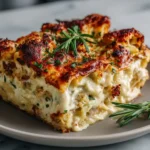
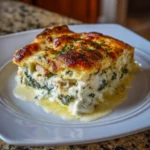
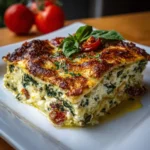
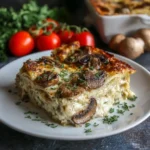
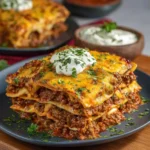
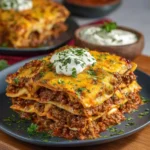
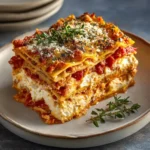
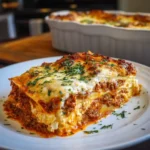
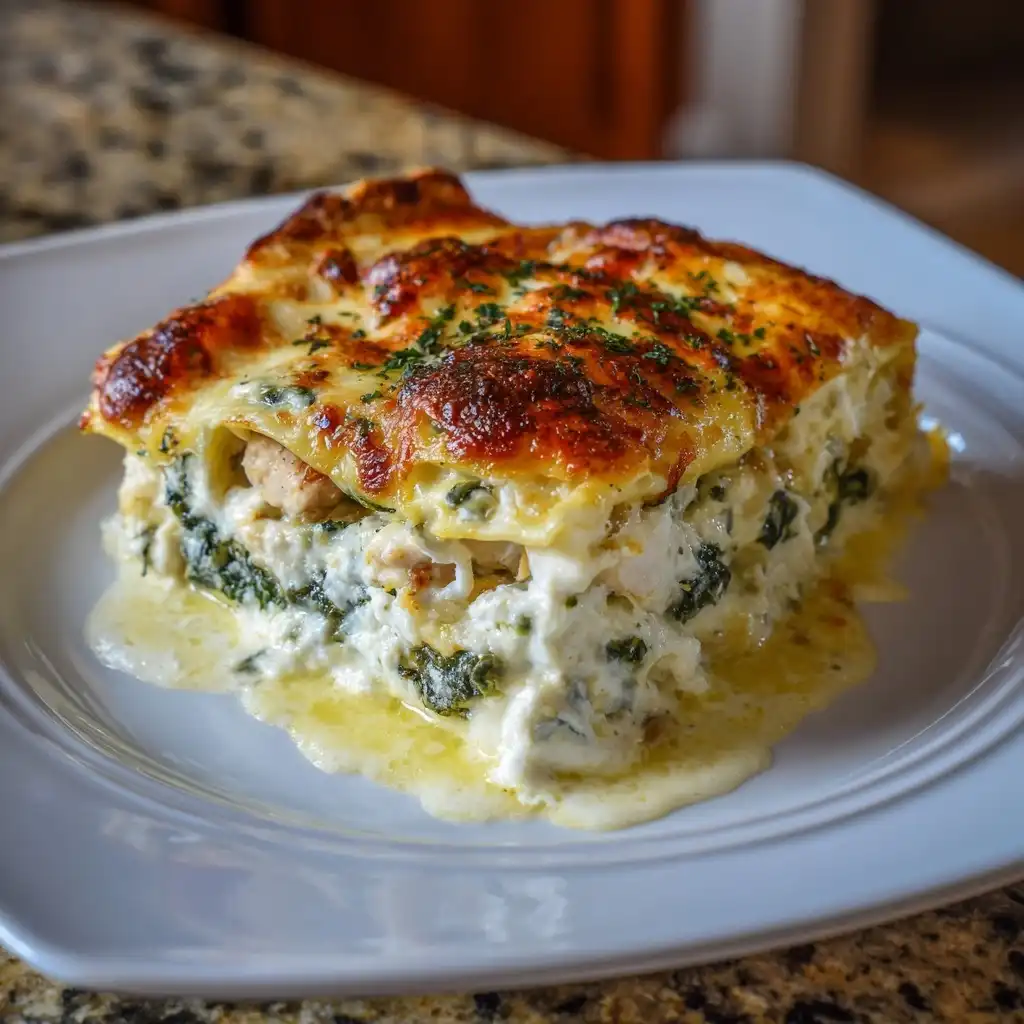
Chicken Florentine Lasagna is a rich, comforting, and elegantly layered Italian-American casserole that reimagines the classic lasagna with tender shredded chicken, vibrant spinach, creamy béchamel or ricotta-based sauce, and sharp Parmesan—infused with the timeless sophistication of Florence. Unlike traditional meat-and-tomato versions, this rendition embraces the Florentine tradition (named after Florence, Italy) where spinach (“spinaci”) and cream or cheese are hallmarks—think Chicken Florentine à la carte, now transformed into a hearty, oven-baked, sliceable masterpiece. It’s perfect for weeknight family dinners, holiday gatherings, potlucks, or meal prepping—offering depth of flavor, satisfying texture contrasts, and visual appeal with its golden-brown crust and emerald-green flecks of wilted spinach peeking through delicate pasta ribbons.
The History
The origins of “Florentine” in culinary terms trace back to 16th-century France and Italy, where Catherine de’ Medici—born in Florence and married to the future King Henry II of France—brought her Florentine chefs and gastronomic sensibilities to the French court. Among their contributions was an elevated use of spinach, then considered a delicacy and symbol of refinement. Dishes prepared “à la Florentine” came to signify preparations featuring spinach, a creamy white sauce (often Mornay or béchamel), and cheese—frequently paired with poultry or fish. Over centuries, this style migrated across Europe and into American home cooking, especially post-WWII, as Italian-American chefs began fusing regional European techniques with accessible pantry staples. Lasagna itself has ancient roots—from Roman “lasanum” (a cooking pot) to medieval Italian layered pastas—but the modern baked, ricotta-enriched version solidified in the U.S. during the 20th century. Chicken Florentine Lasagna thus represents a delicious confluence: the Tuscan reverence for fresh greens, French-inspired cream-and-cheese elegance, and Italian-American ingenuity in reinventing pasta classics for home ovens and hungry families.
Ingredients Breakdown
Every component of Chicken Florentine Lasagna plays a deliberate role in harmony, balance, and texture. Below is an in-depth analysis of each category:
Protein & Base Flavor
- Chicken Breast or Thighs (2–2.5 lbs): Boneless, skinless breasts offer lean tenderness; thighs provide richer flavor and juicier texture—ideal for slow-simmered or roasted preparation. Poaching in herb-infused broth (with garlic, onion, bay leaf, thyme) adds depth without overpowering.
- Garlic (4–6 cloves, minced): Sautéed until fragrant—not browned—to build aromatic foundation. Raw garlic can turn bitter when overcooked; roasted garlic adds mellow sweetness if substituted.
- Onion (1 medium yellow or sweet onion, finely diced): Provides savory-sweet umami backbone. Shallots may be used for subtler nuance.
Leafy Green Component
- Fresh Spinach (16–20 oz, ~10 cups loosely packed): Preferred over frozen for superior texture and less water content. Must be thoroughly washed to remove grit—even “pre-washed” varieties benefit from a cold-water rinse and spin-dry. Baby spinach is tender and quick-wilting; mature leaves offer more earthiness but require slightly longer sauté time.
- Optional Greens Boost: A handful of chopped Swiss chard stems (sautéed separately) or baby kale adds color, nutrients, and subtle bitterness to offset richness.
Cheese Ensemble
- Ricotta Cheese (3 cups whole-milk, well-drained): The creamy heart of the filling. Low-moisture ricotta prevents sogginess; straining overnight in cheesecloth or a fine-mesh sieve removes excess whey. Cottage cheese (blended smooth) can substitute for tangier profile and added protein.
- Mozzarella (3–4 cups shredded, low-moisture, part-skim or whole-milk): Melts luxuriously and forms the signature stretchy, golden-brown top layer. Fresh mozzarella (torn, not shredded) adds delicate milky notes but releases more moisture—best combined with low-moisture shreds for structural integrity.
- Parmigiano-Reggiano (1.5 cups freshly grated): Non-negotiable for umami depth and salty complexity. Pre-grated versions contain anti-caking agents that inhibit melting and dull flavor. A microplane yields optimal surface area for integration.
- Fontina or Asiago (½ cup grated, optional): Adds nutty, buttery layers and enhances browning—especially effective when blended into the ricotta mixture or sprinkled between layers.
Sauce System
- Béchamel Sauce (3 cups): Made from scratch with butter, flour, warm whole milk, nutmeg, white pepper, and a pinch of cayenne. This velvety white sauce binds the layers, adds silkiness, and balances acidity. For shortcut-friendly versions, a high-quality store-bought béchamel or even a rich Alfredo base (lightened with a splash of milk) works—though homemade offers unmatched control over thickness and seasoning.
- Optional Light Tomato Accent: While not traditional, a swirl of roasted tomato purée (¼ cup) or sun-dried tomato paste (1 tbsp) stirred into the béchamel adds gentle brightness and visual contrast—honoring Italian regional variations without compromising the Florentine identity.
Pasta Foundation
- No-Boil Lasagna Noodles (12–15 sheets): Engineered to hydrate fully during baking using moisture from sauces and cheeses. Must be completely covered during assembly to prevent drying. Alternatively, oven-ready or gluten-free no-boil noodles (certified GF if needed) perform reliably. Traditional boiled noodles (al dente) are viable but require precise timing and extra sauce hydration—add ¼ cup extra béchamel per layer to compensate.
- Gluten-Free Option: Brown rice or lentil-based no-boil noodles have improved dramatically—look for brands with xanthan gum for better cohesion. Soak 10 minutes in warm milk before layering if manufacturer recommends.
Aromatics & Seasonings
- Fresh Nutmeg (¼ tsp freshly grated): Essential in béchamel—its warm, woody sweetness defines Florentine authenticity.
- Dried Herbs (1 tsp dried oregano + 1 tsp dried basil): Use sparingly; fresh herbs dominate in finishing. If using fresh, triple the quantity and stir in at the end of ricotta mixing.
- White Pepper (½ tsp): Preferred over black for visual purity and milder heat—complements dairy without speckling.
- Lemon Zest (from ½ lemon, finely grated): Brightens the ricotta mixture and cuts through richness—a modern, brightening twist inspired by Ligurian and Tuscan citrus traditions.
Finishing Touches
- Extra Virgin Olive Oil (1 tbsp): Drizzled over top before baking for glossy sheen and fruity aroma.
- Fresh Basil or Parsley (¼ cup, chiffonade): Added post-bake for vibrancy, freshness, and herbaceous lift.
- Red Pepper Flakes (¼ tsp, optional): For those who enjoy subtle heat—sprinkled on top just before serving.
Step-by-Step Recipe
This meticulously tested method ensures flawless texture, even baking, and restaurant-worthy results—every time.
Step 1: Prepare the Chicken
- In a large Dutch oven or deep skillet, combine 1 lb boneless, skinless chicken breasts and 1 lb thighs with 6 cups low-sodium chicken broth, 1 halved yellow onion, 4 smashed garlic cloves, 2 bay leaves, 1 tsp black peppercorns, and 2 sprigs fresh thyme.
- Bring to a gentle simmer over medium heat—do not boil vigorously. Reduce heat to low, cover partially, and poach for 18–22 minutes, or until internal temperature reaches 165°F.
- Remove chicken with tongs; reserve broth for later use (e.g., deglazing or thinning sauce). Let chicken cool 10 minutes, then shred finely using two forks or pulse briefly in a food processor (avoid over-processing into paste).
- Season shredded chicken generously with salt, white pepper, and a squeeze of lemon juice. Set aside.
Step 2: Sauté the Aromatics & Spinach
- In a wide, heavy-bottomed skillet, heat 2 tbsp olive oil over medium heat. Add diced onion and sauté 4–5 minutes until translucent.
- Add minced garlic and cook 60 seconds until fragrant—do not brown.
- Gradually add spinach in batches, stirring constantly as each batch wilts (about 2–3 minutes total). Press out excess liquid using a potato masher or clean kitchen towel—this step is critical to prevent watery lasagna.
- Stir in lemon zest, ¼ tsp nutmeg, and a pinch of salt. Cool completely before combining with other fillings.
Step 3: Make the Béchamel Sauce
- In a heavy saucepan, melt 6 tbsp unsalted butter over medium-low heat. Whisk in 6 tbsp all-purpose flour and cook 2 minutes, stirring constantly, until pale blonde (do not brown).
- Gradually whisk in 3 cups warm whole milk (heated in microwave or small saucepan), ¼ tsp freshly grated nutmeg, ½ tsp white pepper, and ½ tsp fine sea salt.
- Continue whisking constantly until thickened and bubbling gently (8–10 minutes). Remove from heat and stir in ½ cup grated Parmigiano-Reggiano. Cool slightly (to lukewarm) before folding into ricotta.
Step 4: Prepare the Ricotta Filling
- In a large bowl, combine 3 cups well-drained whole-milk ricotta, cooled béchamel, cooled spinach mixture, shredded chicken, 1 cup grated Parmigiano-Reggiano, ½ cup grated Fontina, 1 tsp lemon zest, 1 tbsp chopped fresh parsley, and ¼ tsp freshly ground white pepper.
- Gently fold with a spatula until uniformly blended—do not overmix. Taste and adjust seasoning (a pinch more salt or lemon juice may be needed).
Step 5: Assemble the Lasagna
- Preheat oven to 375°F (190°C). Grease a 9×13-inch glass or ceramic baking dish with olive oil or butter.
- Layer 1 (Base): Spread ¾ cup béchamel evenly across bottom (prevents sticking and adds moisture).
- Layer 2 (Noodles): Place 4 no-boil noodles side-by-side, slightly overlapping (they’ll expand). Trim if necessary to fit snugly.
- Layer 3 (Filling): Spread ⅓ of ricotta-chicken-spinach mixture (approx. 2 cups) evenly over noodles.
- Layer 4 (Cheese): Sprinkle with ½ cup shredded mozzarella and ¼ cup grated Parmigiano-Reggiano.
- Repeat: Two more complete layers (noodles → filling → cheese), ending with a final noodle layer.
- Top Layer: Pour remaining béchamel (about 1 cup) over top noodles, tilting dish to ensure full coverage. Sprinkle with remaining mozzarella (1.5 cups) and Parmigiano-Reggiano (¾ cup). Drizzle with 1 tbsp olive oil.
Step 6: Bake & Rest
- Cover tightly with greased aluminum foil (oil side down to prevent sticking). Bake 35 minutes.
- Remove foil and bake uncovered 20–25 minutes longer, until top is deeply golden, bubbly at edges, and internal temperature reads 165°F in center.
- Crucial Rest: Let lasagna rest uncovered for 30–45 minutes before cutting. This allows starches to set, layers to cohere, and residual heat to finish cooking—preventing a soupy or falling-apart result.
Tips
- Spinach Drainage Is Non-Negotiable: Even “dry-spin” spinach retains water. After wilting, transfer to a clean linen towel or several layers of paper towels and press firmly—then squeeze in a ball over the sink. Repeat until barely damp.
- Room-Temperature Fillings Prevent Cracking: Cold ricotta or chilled chicken can cause uneven heating and separation. Let all components reach room temp before assembling.
- No-Boil Noodle Hydration Hack: If your oven runs hot or your dish is shallow, pour ¼ cup reserved poaching broth around inner edges before covering—adds steam and prevents edge drying.
- Grate Your Own Cheese: Pre-shredded cheeses contain cellulose and starches that hinder melting and create graininess. Grating fresh ensures superior melt, flavor, and binding.
- Use a Laser Thermometer (or Instant-Read): Insert probe into center before removing from oven—165°F confirms food safety and ideal set point.
- For Crispier Top: Switch oven to broil (high) for final 2–3 minutes—watch closely to avoid burning.
- Make-Ahead Friendly: Assemble up to 24 hours ahead, cover tightly, and refrigerate. Add 10–15 minutes to covered bake time if starting cold.
- Freezing Instructions: Fully baked and cooled lasagna freezes beautifully for up to 3 months. Wrap double-layered in foil + freezer bag. Thaw overnight in fridge, then reheat covered at 350°F for 45 minutes, uncovered for 15 minutes.
- Cutting Tool Matters: Use a sharp chef’s knife dipped in hot water between cuts—or a serrated knife for clean slices without dragging.
- Leftovers Reheat Like New: Individual portions microwave well on 50% power for 90 seconds, or reheat covered in oven at 325°F for 20 minutes.
Variations and Customizations
Chicken Florentine Lasagna is wonderfully adaptable—whether accommodating dietary needs, seasonal produce, or global flavor inspirations.
Dietary Adaptations
- Gluten-Free: Use certified GF no-boil lasagna noodles (Tinkyada, Barilla GF, or Jovial). Ensure all sauces and broths are GF-certified. Thicken béchamel with GF flour blend (1:1 ratio) or cornstarch slurry (1 tbsp cornstarch + 2 tbsp cold milk, whisked into hot béchamel at end).
- Dairy-Free: Replace ricotta with blended silken tofu + nutritional yeast + lemon juice + garlic powder; swap béchamel for cashew cream (soaked raw cashews + garlic + onion powder + almond milk, blended ultra-smooth); use vegan mozzarella shreds (Miyoko’s or Daiya Cutting Board) and nutritional yeast instead of Parmesan.
- Low-Carb/Keto: Substitute no-boil noodles with thinly sliced zucchini (salted, pressed, and blotted), eggplant ribbons (roasted first), or cabbage leaves (briefly blanched). Increase cheese and reduce béchamel volume slightly.
- Vegetarian Version: Omit chicken; boost protein with 1 cup cooked white beans (cannellini or Great Northern), ½ cup toasted pine nuts, and 1 cup crumbled feta. Add roasted red peppers or artichoke hearts for complexity.
Flavor & Texture Twists
- Mediterranean-Inspired: Fold in ½ cup chopped kalamata olives, ¼ cup capers, and 2 tbsp chopped fresh oregano. Top with crumbled feta instead of mozzarella.
- Herbes de Provence: Infuse béchamel with 1 tsp Herbes de Provence and stir 2 tbsp chopped fresh lavender blossoms into ricotta mixture (use sparingly—lavender is potent!).
- Smoky Chipotle: Add 1 tsp chipotle powder + 1 tbsp adobo sauce to béchamel; garnish with pickled red onions and cilantro.
- Truffle Elegance: Finish with 1 tsp white truffle oil drizzled over baked lasagna and shaved black truffle (if available) before serving.
- Spring Vegetable: Add 1 cup blanched asparagus tips, ½ cup peas, and ¼ cup chopped fennel bulb to spinach mixture.
Regional & Cultural Riffs
- Tuscan Bean Lasagna: Stir 1 cup cooked cannellini beans into ricotta filling; top with crushed toasted breadcrumbs mixed with rosemary and olive oil instead of cheese.
- Calabrian Heat: Mix 2 tbsp ‘Nduja (spicy Calabrian pork spread) into béchamel for luxurious, fermented heat.
- Lebanese-Inspired: Replace spinach with sautéed Swiss chard and mint; use labneh instead of ricotta; finish with pomegranate molasses drizzle and toasted pistachios.
- Japanese Umami Fusion: Add 1 tbsp white miso paste to béchamel; fold in shiitake mushrooms (sautéed until crisp); top with bonito flakes and scallions.
Health Considerations and Nutritional Value
When thoughtfully prepared, Chicken Florentine Lasagna delivers balanced macronutrients, bioavailable micronutrients, and functional phytonutrients—far exceeding typical comfort-food expectations.
Nutritional Highlights (Per Standard Serving — 1/12 of Recipe)
- Calories: ~420–480 kcal (moderate for a main course; lower with part-skim cheeses and reduced béchamel)
- Protein: 32–38 g (excellent source—chicken provides complete amino acid profile; ricotta and Parmesan add casein and whey)
- Fat: 20–24 g (predominantly unsaturated from olive oil and dairy; saturated fat ~10–12 g—reduced by choosing part-skim mozzarella and limiting butter in béchamel)
- Carbohydrates: 26–30 g (mostly complex from pasta; fiber ~3 g from spinach and optional whole-grain noodles)
- Fiber: 3–4 g (enhanced significantly with whole-wheat or legume-based noodles + spinach’s insoluble and soluble fiber)
- Vitamin K: >500 mcg (90%+ DV)—critical for blood clotting and bone health; spinach is among the highest natural sources.
- Folate (B9): ~120 mcg (30% DV)—supports cellular repair and prenatal health; abundant in spinach and liver-rich chicken.
- Calcium: ~380 mg (30% DV)—from dairy cheeses and fortified béchamel; supports skeletal and muscular function.
- Iron (Non-Heme + Heme): ~3.2 mg total (18% DV)—spinach contributes non-heme iron (enhanced by vitamin C from lemon); chicken provides highly absorbable heme iron.
- Nutrient Synergy Tip: The vitamin C in lemon zest significantly boosts non-heme iron absorption from spinach—making this dish a textbook example of nutrient pairing.
Health-Conscious Modifications
- Lower Sodium: Use low-sodium broth, skip added salt in béchamel, rely on herbs, lemon, garlic, and nutritional yeast for flavor depth.
- Heart-Healthy Fats: Substitute half the butter in béchamel with extra-virgin olive oil; increase omega-3s by adding 2 tbsp ground flaxseed or chia seeds to ricotta mixture.
- Gut-Friendly Boost: Stir in 2 tbsp plain kefir or probiotic yogurt into ricotta for live cultures—ensure it’s added off-heat to preserve viability.
- Blood Sugar Balance: Pair with a side salad dressed in vinegar-based vinaigrette—the acetic acid slows gastric emptying and moderates glucose response.
- Allergen Awareness: Naturally nut-free and soy-free (unless using soy-based alternatives). Always verify cheese rennet source (vegetarian vs. animal) for strict dietary adherence.
Who Benefits Most?
- Active Individuals & Athletes: High-quality protein supports muscle synthesis; complex carbs fuel endurance.
- Postpartum & Menopausal Women: Iron, calcium, folate, and vitamin K address common deficiency risks.
- Older Adults: Protein helps combat age-related sarcopenia; vitamin K and calcium support bone density.
- Kids & Picky Eaters: Mild flavor profile, familiar textures, and hidden greens make it a stealth nutrition vehicle—especially when served with garlic-roasted carrots or apple-fennel slaw.
Ingredients
Makes 12 servings
- 2 lbs boneless, skinless chicken (1 lb breasts + 1 lb thighs)
- 6 cups low-sodium chicken broth
- 1 medium yellow onion, halved
- 4 garlic cloves, smashed
- 2 bay leaves
- 1 tsp black peppercorns
- 2 sprigs fresh thyme
- 2 tbsp extra-virgin olive oil (plus 1 tbsp for finishing)
- 1 medium yellow onion, finely diced
- 4 garlic cloves, minced
- 16 oz fresh spinach (about 10 cups loose)
- Zest of ½ lemon
- ¼ tsp freshly grated nutmeg
- ½ tsp fine sea salt (plus more to taste)
- 6 tbsp unsalted butter
- 6 tbsp all-purpose flour (or GF 1:1 blend)
- 3 cups warm whole milk
- ½ tsp white pepper
- 3 cups whole-milk ricotta, drained overnight
- 1.5 cups freshly grated Parmigiano-Reggiano (divided)
- ½ cup grated Fontina or Asiago
- 3–4 cups shredded low-moisture mozzarella (divided)
- 1 tbsp chopped fresh parsley
- ¼ cup fresh basil or parsley, for garnish
- Red pepper flakes (optional)
Directions
- Prepare Chicken: In Dutch oven, combine chicken, broth, halved onion, smashed garlic, bay leaves, peppercorns, and thyme. Simmer gently 18–22 min until 165°F. Cool, shred, season with salt, white pepper, and lemon juice.
- Sauté Aromatics & Spinach: Heat 2 tbsp olive oil. Sauté diced onion 4–5 min. Add garlic 1 min. Add spinach in batches, wilting completely. Squeeze dry. Stir in lemon zest, nutmeg, salt. Cool.
- Make Béchamel: Melt butter; whisk in flour 2 min. Gradually whisk in warm milk, nutmeg, white pepper, salt. Cook 8–10 min until thick. Off heat, stir in ½ cup Parmigiano. Cool to lukewarm.
- Combine Filling: In large bowl, mix ricotta, cooled béchamel, spinach, chicken, 1 cup Parmigiano, ½ cup Fontina, lemon zest, parsley, white pepper. Fold gently. Taste, adjust.
- Assemble