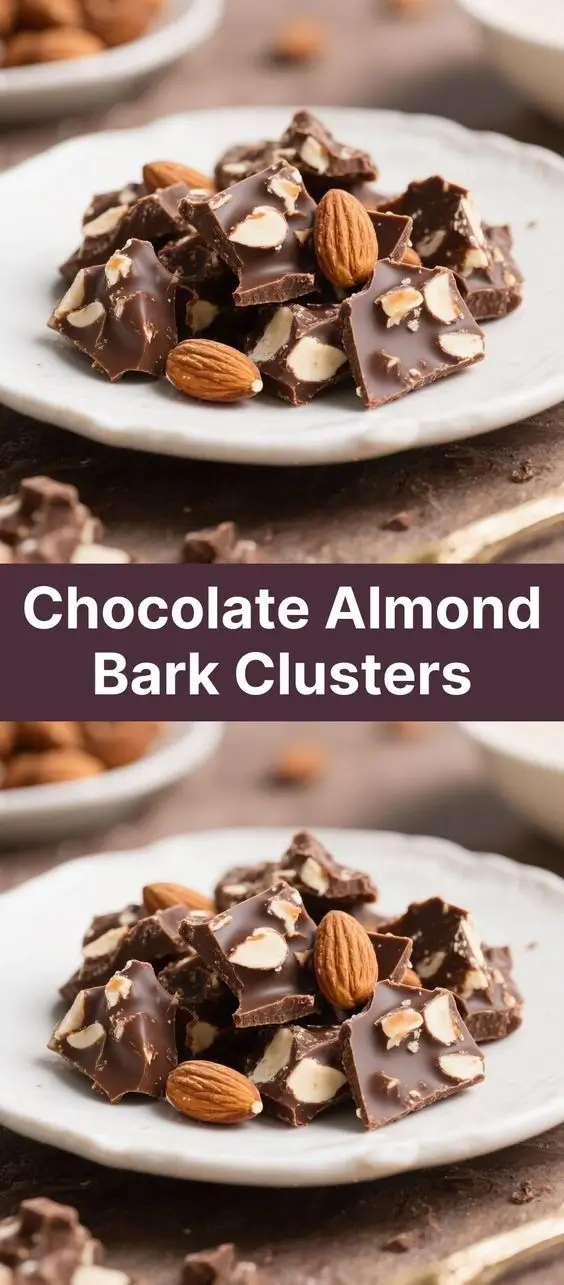
Chocolate Almond Bark Clusters: A Decadent Treat for Every Occasion
Introduction
Indulgence doesn’t have to be complicated. Enter the world of Chocolate Almond Bark Clusters — a rich, satisfying confection that combines the smoothness of premium chocolate with the satisfying crunch of toasted almonds. Whether you’re crafting these as holiday gifts, party favors, or simply treating yourself on a quiet evening, these clusters are guaranteed to impress. With their glossy finish, nutty depth, and melt-in-your-mouth texture, they stand out from ordinary candy bars and chocolates. What makes them truly special is their simplicity—few ingredients, minimal prep time, and maximum flavor.
These clusters strike the perfect balance between sweet and savory, making them ideal for cheese boards, dessert platters, or even as a midday energy boost. They’re also naturally gluten-free and can easily be adapted to vegan or dairy-free diets with simple ingredient swaps. In this comprehensive guide, we’ll explore everything you need to know about Chocolate Almond Bark Clusters—from their historical roots to modern-day variations, detailed preparation methods, health considerations, and expert tips for achieving bakery-quality results at home.
The History
The concept of chocolate bark dates back centuries, evolving from ancient Mesoamerican civilizations who first cultivated cacao. The Aztecs and Mayans revered chocolate not just as food but as currency and sacred offering. However, the modern form of chocolate bark—as we recognize it today—emerged in the 19th century during the industrialization of chocolate production in Europe. As chocolate became more accessible, confectioners began experimenting with ways to combine it with nuts, dried fruits, and spices.
The term “bark” likely originated from the cracked, irregular appearance of cooled chocolate slabs, resembling tree bark. Early American settlers and European immigrants adapted these ideas, creating rustic candies meant for preservation and sharing. By the early 20th century, almond bark specifically gained popularity in North America, particularly around holidays like Christmas and Hanukkah, where homemade treats were exchanged among families and neighbors.
In recent decades, the rise of artisanal chocolate-making and gourmet snacking has elevated bark from humble kitchen experiment to gourmet favorite. Today’s version—especially when formed into bite-sized clusters—offers both elegance and convenience. The addition of sea salt, vanilla, and high-quality dark chocolate reflects contemporary tastes while honoring traditional techniques.
Ingredients Breakdown
The magic of Chocolate Almond Bark Clusters lies in the quality and harmony of its components. Let’s dive deep into each ingredient and understand why it matters:
- Chocolate (Semi-Sweet, Dark, Milk, or White): The foundation of any great bark. High-quality chocolate with at least 60–70% cocoa content ensures a rich, complex flavor without excessive sweetness. Tempered chocolate gives a professional snap and shiny finish, though melted chocolate chips work well for home bakers.
- Toasted Almonds (Whole, Sliced, or Chopped): Almonds provide a buttery, earthy contrast to the chocolate. Toasting enhances their natural oils and deepens their flavor. You can use raw almonds, but toasting is highly recommended for optimal taste.
- Coconut Oil or Shortening (Optional): A small amount (about 1 tsp per cup of chocolate) helps thin the chocolate for easier spreading and creates a smoother set. It also prevents blooming (white streaks caused by fat or sugar separation).
- Vanilla Extract: Adds warmth and rounds out the flavor profile. Use pure vanilla extract—not imitation—for best results.
- Sea Salt (Flaky or Fine): A pinch elevates the overall taste by balancing sweetness. Flaky salt sprinkled on top adds a gourmet touch and pleasant crunch.
- Additional Mix-ins (Optional): Dried cherries, orange zest, crushed pretzels, shredded coconut, or even espresso powder can add complexity and variety.
Step-by-Step Recipe
Follow these detailed instructions to create flawless Chocolate Almond Bark Clusters every time:
- Toast the Almonds: Preheat your oven to 350°F (175°C). Spread 2 cups of raw almonds evenly on a baking sheet. Toast for 8–10 minutes, stirring once halfway through, until golden brown and fragrant. Remove and let cool completely. Optional: Chop coarsely if desired.
- Prepare Your Workspace: Line two large baking sheets with parchment paper or silicone mats. Have a spatula, measuring cups, and mixing bowls ready. Keep toppings nearby.
- Melt the Chocolate: In a heatproof bowl, combine 16 oz (3 cups) of chopped chocolate or chocolate chips with 1 tablespoon of coconut oil. Melt using either:
- Double Boiler Method: Place the bowl over a saucepan with 1 inch of simmering water (do not let the bowl touch the water). Stir frequently until smooth.
- Microwave Method: Heat in 30-second intervals at 50% power, stirring between each burst, until fully melted (usually 2–3 minutes total).
- Add Flavor Enhancers: Once melted, stir in 1 teaspoon of pure vanilla extract and a pinch of sea salt. Avoid introducing water, which can cause chocolate to seize.
- Combine with Almonds: Gently fold in 2 cups of cooled, toasted almonds until evenly coated. Be careful not to overmix, which can break the almonds.
- Form Clusters: Using a spoon or small cookie scoop, drop heaping tablespoons of the mixture onto the prepared baking sheets. Space them about 1 inch apart. Use the back of the spoon to gently press and shape into rustic mounds—some flat, some thick, for visual interest.
- Top with Finishing Touches: While still wet, sprinkle with flaky sea salt, additional chopped almonds, or other mix-ins like dried cranberries or coconut flakes.
- Chill to Set: Place baking sheets in the refrigerator for 20–30 minutes, or until firm and glossy. For faster setting, you may use the freezer for 10–15 minutes.
- Break or Separate: If made in one slab, score partially before chilling, then break into pieces. For individual clusters, simply peel off the parchment once set.
- Store Properly: Transfer to an airtight container and store in a cool, dry place away from sunlight.
Tips
- Use Premium Chocolate: Avoid low-quality chocolate with artificial stabilizers. Look for brands like Ghirardelli, Lindt, Callebaut, or Valrhona for superior taste and texture.
- Don’t Overheat Chocolate: Melting above 90°F (32°C) can burn delicate cocoa butter. Always go slow and stir often.
- Temper for Professional Results: For a glossy, snap-worthy finish, temper your chocolate by seeding melted chocolate with finely chopped solid chocolate until it reaches 88–90°F (dark) or 86–88°F (milk/white).
- Uniform Cooling Prevents Blooming: Ensure your kitchen isn’t too warm or humid when setting. Rapid temperature changes cause condensation and dull appearance.
- Prevent Moisture Contamination: Even a drop of water can make chocolate seize. Dry all utensils thoroughly and avoid steam exposure.
- Label and Date: Homemade bark lasts longer than expected, so label containers with date and contents for freshness tracking.
- Gift Presentation: Package clusters in clear cellophane bags tied with ribbon, or layer in decorative tins with parchment between tiers.
Variations and Customizations
One of the greatest strengths of Chocolate Almond Bark Clusters is their versatility. Here are creative twists to suit different palates and occasions:
- Dark Chocolate & Orange Zest: Add 1 tbsp of finely grated organic orange zest for a bright, citrusy lift. Pairs beautifully with toasted almonds.
- Salted Caramel Almond Cluster: Drizzle clusters with homemade or store-bought caramel sauce before chilling, then finish with extra sea salt.
- Maple Roasted Almond Version: Toss almonds in 1 tbsp maple syrup before toasting for a deeper, autumnal flavor.
- Vegan Option: Use dairy-free dark chocolate and ensure all add-ins are plant-based. Coconut oil replaces butter-based shortening.
- Protein-Packed Snack Clusters: Stir in a scoop of unflavored or vanilla whey or pea protein powder into the melted chocolate (add extra oil to maintain consistency).
- Festive Holiday Bark: Add red and green sprinkles, crushed peppermint, or dried cranberries for Christmas. Use gold dust or edible glitter for New Year’s.
- Spiced Almond Bark: Infuse chocolate with a pinch of cinnamon, nutmeg, or cayenne for a warm, spicy kick.
- White Chocolate & Macadamia Twist: Swap almonds for macadamia nuts and use white chocolate for a tropical flair.
- Peanut Butter Swirl: After dropping clusters, drizzle with warmed peanut butter and swirl with a toothpick for marbled effect.
- Espresso-Infused Bark: Dissolve 1 tsp instant espresso powder into the melted chocolate for a mocha twist perfect for coffee lovers.
Health Considerations and Nutritional Value
While Chocolate Almond Bark Clusters are undeniably indulgent, they do offer some nutritional benefits when consumed in moderation:
- Almonds: Rich in heart-healthy monounsaturated fats, vitamin E, magnesium, and plant-based protein. Regular consumption is linked to improved cholesterol levels and reduced risk of cardiovascular disease.
- Dark Chocolate (70%+ Cocoa): Contains flavonoids and antioxidants associated with lower blood pressure, improved circulation, and enhanced cognitive function.
- Portion Control Matters: Each cluster contains roughly 100–150 calories depending on size and ingredients. Enjoying 1–2 clusters as a mindful snack is reasonable within a balanced diet.
- Sugar Content: Commercial chocolate and added sweeteners increase sugar load. Opt for low-sugar chocolate or monk fruit-sweetened varieties for diabetic-friendly options.
- Allergen Alert: Contains tree nuts (almonds) and possibly milk (depending on chocolate type). Not suitable for individuals with nut or dairy allergies unless carefully substituted.
- Digestive Sensitivity: Some people may react to sugar alcohols (like maltitol) in “sugar-free” chocolates. Stick to real ingredients when possible.
A typical serving (about 30g or one medium cluster) provides approximately:
- Calories: 140–160
- Fat: 10–12g (mostly healthy fats)
- Saturated Fat: 4–5g
- Carbohydrates: 10–14g
- Sugars: 8–10g
- Protein: 3–4g
- Fiber: 2–3g
- Iron: 6% DV
- Magnesium: 15% DV
Ingredients
- 16 oz (3 cups) semi-sweet or dark chocolate chips or chopped chocolate
- 2 cups raw almonds (whole, sliced, or coarsely chopped)
- 1 tablespoon coconut oil or unsalted butter (optional, for smoother texture)
- 1 teaspoon pure vanilla extract
- ¼ teaspoon sea salt (plus more for garnish)
- Flaky sea salt, additional chopped almonds, or optional mix-ins for topping
Directions
- Preheat oven to 350°F (175°C). Spread almonds on a baking sheet and toast for 8–10 minutes, stirring once, until lightly golden and aromatic. Cool completely.
- Line two large baking sheets with parchment paper or silicone baking mats.
- In a heatproof bowl, combine chocolate and coconut oil. Melt using a double boiler or microwave method, stirring every 30 seconds until smooth.
- Remove from heat. Stir in vanilla extract and ¼ tsp sea salt.
- Fold in the cooled toasted almonds until evenly coated.
- Using a spoon or cookie scoop, drop rounded tablespoons of mixture onto prepared sheets, shaping into rustic clusters.
- Sprinkle each cluster with a pinch of flaky sea salt and any additional toppings.
- Refrigerate for 20–30 minutes, or until firm and set.
- Peel off parchment and transfer to an airtight container.
- Store in a cool, dry place for up to 2 weeks or freeze for up to 3 months.
FAQ
Q: Can I use milk chocolate instead of dark?
A: Absolutely! Milk chocolate offers a sweeter, creamier profile. Just be aware it sets softer and may require longer chilling.
Q: Why did my chocolate turn gray after cooling?
A: This is called “chocolate bloom” — either fat bloom (from temperature fluctuations) or sugar bloom (from moisture). It’s safe to eat but affects appearance. To prevent it, temper chocolate properly and store in a stable environment.
Q: Can I make this nut-free?
A: Yes. Substitute almonds with roasted sunflower seeds, pumpkin seeds, or crispy rice cereal for a nut-free alternative.
Q: How do I ship Chocolate Almond Bark Clusters?
A: Pack in an airtight container with parchment between layers. Include ice packs and insulated shipping boxes if sending in warm weather.
Q: Can I remelt seized chocolate?
A: Seized chocolate (grainy and clumpy) can sometimes be rescued by adding 1 tsp of vegetable oil or warm cream and stirring vigorously. However, texture may not be ideal for dipping or coating.
Q: Are these clusters keto-friendly?
A: Traditional versions are not keto due to sugar content. But you can make a keto version using sugar-free dark chocolate, erythritol-sweetened chips, and extra nuts to reduce carb density.
Q: Can I add extracts like almond or mint?
A: Yes, but use sparingly. ½ tsp of almond extract complements the nuts, while ¼ tsp peppermint extract creates a festive twist. Avoid water-based flavorings.
Summary
Chocolate Almond Bark Clusters are a luxurious yet easy-to-make treat that blends rich chocolate with crunchy, toasted almonds for a satisfying bite. Perfect for gifting, snacking, or elevating dessert spreads, they combine gourmet appeal with simple home preparation.