Introduction
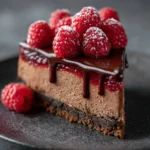
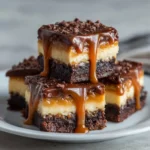
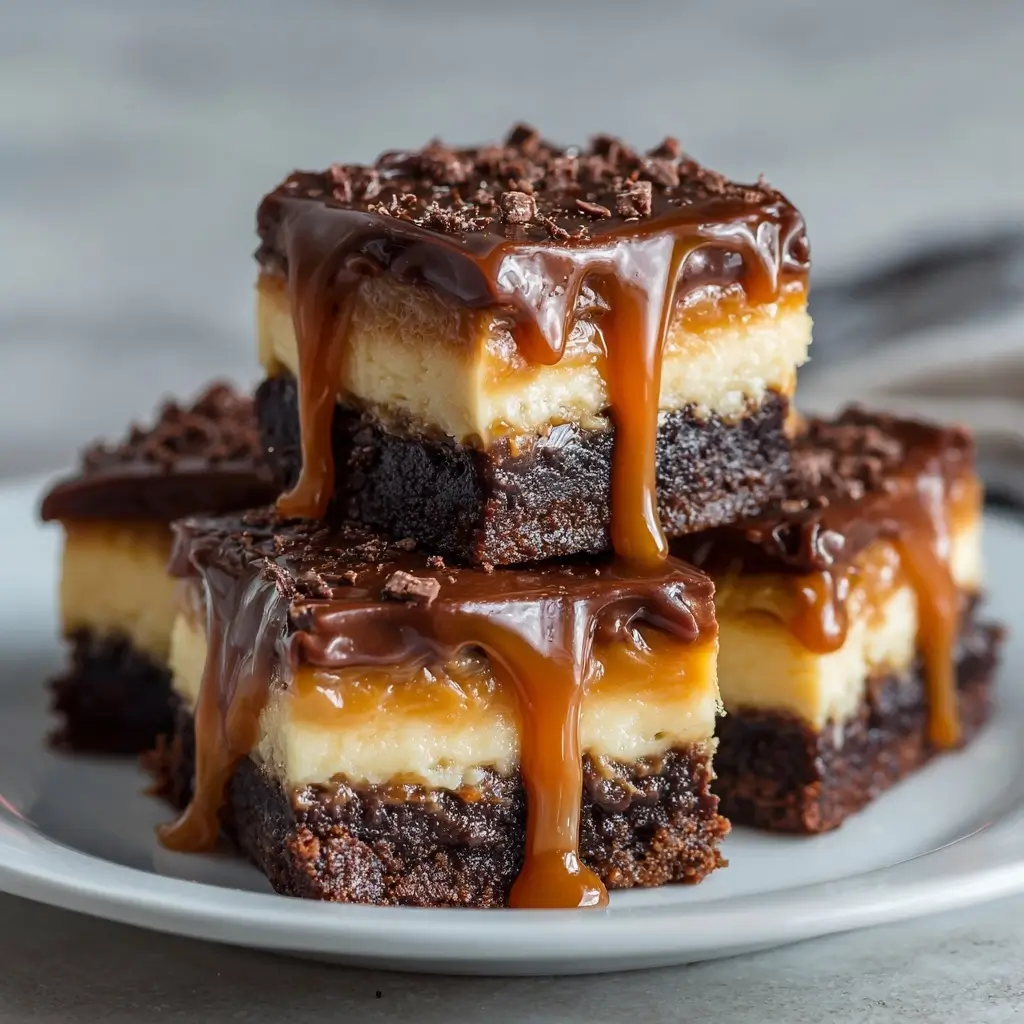
Indulge in the ultimate dessert experience with Chocolate Caramel Cheesecake Bars — a luxurious, multi-layered confection that marries the rich intensity of dark chocolate, the velvety sweetness of slow-simmered caramel, and the luxuriously creamy tang of New York–style cheesecake. These bars are more than just a treat; they’re a celebration in every bite — decadent yet balanced, elegant yet approachable, and perfectly portioned for sharing (or not!). Whether you’re hosting a holiday gathering, surprising loved ones with a homemade gift, or simply treating yourself after a long week, these bars deliver restaurant-quality sophistication with the comforting ease of a home-baked classic. Their stunning visual appeal — glossy caramel swirls bleeding into marbled chocolate batter atop a crisp, buttery graham cracker crust — makes them an instant showstopper on any dessert table.
The History
The evolution of Chocolate Caramel Cheesecake Bars is a delicious convergence of three iconic American dessert traditions. Cheesecake itself traces its roots to ancient Greece, where it was served to athletes at the first Olympic Games in 776 BCE — though the modern baked version emerged in late 19th-century New York, popularized by immigrant bakers using Philadelphia-style cream cheese. The bar format gained traction during the Great Depression and WWII era, when home cooks sought economical, scalable, and no-waste desserts — sheet cakes and bar cookies became staples due to their efficient use of ingredients and easy portioning. Meanwhile, caramel — originally derived from Middle Eastern sugar-boiling techniques — became widely beloved in the U.S. after the industrial production of condensed milk in the 1880s enabled smooth, shelf-stable dairy caramels. The fusion of chocolate, caramel, and cheesecake didn’t become mainstream until the 1990s and early 2000s, accelerated by food magazines, celebrity chefs like Ina Garten and Martha Stewart championing layered bar desserts, and viral internet recipes showcasing “swirl” techniques. Today’s Chocolate Caramel Cheesecake Bars represent both nostalgia and innovation: honoring time-tested baking science while embracing modern flavor layering, texture contrast, and visual storytelling on social media platforms.
Ingredients Breakdown
Every exceptional Chocolate Caramel Cheesecake Bar begins with intentionality — each ingredient serves a precise structural, textural, or flavor role. Let’s explore them in depth:
- Graham Cracker Crust Base: Whole graham crackers (not honey or cinnamon-flavored variants unless specified) provide the ideal balance of wheaty depth, subtle molasses notes, and crisp-yet-yielding structure. Melted unsalted butter binds the crumbs and adds richness, while granulated sugar enhances browning and balances the crackers’ natural bitterness. A pinch of fine sea salt intensifies all other flavors and counters sweetness overload.
- Cheesecake Layer: Full-fat brick-style cream cheese (ideally at true room temperature — 68–72°F) ensures smooth emulsification without lumps or air pockets. Sour cream contributes acidity, moisture, and a delicate tang that cuts through fat; its higher water content also improves sliceability and prevents cracking. Large eggs — again, at room temperature — act as emulsifiers and gentle leaveners; overmixing introduces excess air, leading to puffing and subsequent collapse. Pure vanilla extract (not imitation) delivers aromatic complexity, while granulated sugar dissolves fully into the batter to sweeten without grittiness. A small amount of all-purpose flour (or cornstarch) provides subtle stabilization — crucial for preventing weeping or separation during baking and cooling.
- Chocolate Layer: High-quality semi-sweet or bittersweet chocolate (60–70% cocoa solids) offers deep, nuanced flavor without excessive bitterness. Couverture chocolate is ideal for superior melt and shine. Unsalted butter enriches mouthfeel and aids in even melting. A touch of espresso powder (not coffee granules) amplifies chocolate’s inherent notes without adding detectable coffee flavor — a professional baker’s secret. Optional additions include flaky sea salt for contrast or a splash of orange zest for brightness.
- Caramel Component: Homemade salted caramel sauce — made from granulated sugar, heavy cream, unsalted butter, and flaky sea salt — delivers unparalleled depth, control over consistency, and absence of preservatives or artificial thickeners found in many store-bought versions. The Maillard reaction during sugar caramelization creates hundreds of aromatic compounds — nutty, toffee-like, and subtly smoky — that elevate the entire bar. Store-bought caramel can be used in a pinch, but opt for thick, pourable, refrigerated varieties labeled “real dairy” and avoid corn syrup–heavy or overly stiff “candy-making” caramels.
Step-by-Step Recipe
- Prep & Preheat: Position oven rack in the center position. Preheat oven to 325°F (163°C). Generously grease a 9×13-inch metal baking pan (preferably light-colored aluminum for even baking), then line it with two overlapping sheets of parchment paper, leaving 2-inch overhangs on the long sides for effortless lifting later. Set aside.
- Make the Crust: In a food processor, pulse 1 ½ cups (about 15 full-sheet graham crackers, ~180g) until finely ground into uniform crumbs (no large shards). Add 6 tbsp (85g) melted unsalted butter, ¼ cup (50g) granulated sugar, and ¼ tsp fine sea salt. Pulse 5–6 times until mixture resembles wet sand and holds together when pinched. Transfer to prepared pan and press firmly and evenly into bottom using the back of a measuring cup or flat-bottomed glass. Bake for 10 minutes until fragrant and lightly golden at edges. Remove and cool completely on a wire rack (at least 20 minutes) — do not skip cooling; warm crust will melt the cheesecake layer.
- Prepare Cheesecake Batter: In a large bowl using a stand mixer fitted with paddle attachment (or hand mixer on medium-low), beat 24 oz (680g / 3 standard blocks) full-fat cream cheese at room temperature until completely smooth and creamy (~2 minutes). Scrape bowl thoroughly. Add 1 cup (200g) granulated sugar and beat 2 more minutes until pale and fluffy — avoid overbeating. Add 1 cup (240g) full-fat sour cream and 2 tsp pure vanilla extract; mix just until combined. One at a time, add 3 large room-temperature eggs, mixing only until yolk disappears after each addition (~15 seconds per egg). Scrape bowl meticulously. Gently fold in 2 tbsp (16g) all-purpose flour (or cornstarch) using a silicone spatula until *just* incorporated — no streaks, no overmixing. Batter should be thick, glossy, and lump-free.
- Pour & Level: Carefully pour cooled cheesecake batter over the cooled crust. Tilt and gently tap pan to level surface. Use an offset spatula to smooth top. Refrigerate while preparing chocolate layer (15 minutes minimum) — this helps prevent layers from blending.
- Make Chocolate Layer: In a heatproof bowl set over a saucepan of barely simmering water (double boiler), combine 12 oz (340g) chopped high-quality chocolate and 6 tbsp (85g) unsalted butter. Stir constantly until fully melted, smooth, and glossy (~5–7 minutes). Remove from heat. Whisk in 1 tsp pure vanilla extract and ½ tsp instant espresso powder (optional but highly recommended). Let cool slightly — about 3–4 minutes — until warm but no longer hot to touch (roughly 95–100°F); if too hot, it will cook the cheesecake layer upon contact.
- Add Caramel Swirl: Warm ¾ cup (180ml) homemade salted caramel sauce in microwave (15-second bursts) until fluid but not boiling (~100°F). Spoon dollops of caramel evenly across the chilled cheesecake surface. Carefully spoon warm chocolate mixture in alternating dollops over caramel. Using a thin skewer, toothpick, or chopstick, gently drag through layers in figure-eight or zigzag motions to create dramatic marbling — do not over-swirl; aim for defined ribbons, not complete blending.
- Bake with Precision: Place pan on a larger baking sheet (for stability and spill protection). Bake at 325°F for 42–48 minutes. The bars are done when edges are puffed and set, center jiggles *slightly* like Jell-O (not liquid), and internal temperature reads 150–155°F on an instant-read thermometer inserted 1 inch from edge. Avoid opening oven door before 35 minutes to prevent sudden temperature drops and cracking.
- Cool & Chill Methodically: Turn off oven, crack door open 1 inch with a wooden spoon, and let bars rest inside for 1 hour. This gradual cooling prevents thermal shock and surface fissures. Then transfer pan to wire rack and cool completely at room temperature (2–3 hours). Once cool, cover tightly with plastic wrap and refrigerate *minimum 8 hours*, preferably overnight (12–16 hours). This chilling firms the texture, deepens flavor integration, and ensures clean, sharp slices.
- Finish & Serve: Using parchment overhangs, lift entire slab from pan onto cutting board. Run a long, thin knife under hot water, wipe dry, and cut into 12–16 even bars (3×4 or 4×4 grid). Wipe and reheat knife between cuts. For presentation, sprinkle each bar with flaky sea salt and/or drizzle with extra caramel just before serving. Store leftovers covered in refrigerator for up to 1 week.
Tips
- Room Temperature is Non-Negotiable: Cold cream cheese = lumps. Cold eggs = curdled batter. Cold sour cream = uneven incorporation. Plan ahead — remove dairy from fridge 2–3 hours before baking.
- Scrape Religiously: After every mixing step — especially after adding sugar, eggs, and flour — pause to scrape the bowl, beater, and sides with a flexible silicone spatula. This prevents dense pockets or unmixed streaks.
- Measure Flour by Weight or Spoon-and-Level: Scooping flour directly from the bag compacts it and leads to dry, crumbly bars. Use a kitchen scale (ideal) or spoon flour into measuring cup and level with a knife.
- Use a Water Bath? Not Required — But Steam Helps: While traditional cheesecakes benefit from a water bath, these bars are shallow enough that a steam tray works better: place a shallow roasting pan filled with 1 inch of hot water on the lowest oven rack during baking. It adds ambient moisture, minimizing surface cracks.
- Prevent Caramel Sinking: Ensure caramel is warm but not hot (max 105°F) when swirling — overheated caramel melts into the cheesecake. Also, don’t swirl too deeply — keep motion near the surface.
- Chill Before Cutting = Crisp Edges: Never attempt slicing warm or even slightly cool bars. The extended refrigeration allows fats to fully solidify and proteins to relax, yielding clean, non-crumbly cuts.
- Knife Technique Matters: Use a chef’s knife with a long, thin blade (8–10 inches). Heat under hot tap water, dry thoroughly, and cut with a single, confident downward motion — no sawing. Reheat and dry between every slice.
- Freeze for Long-Term Storage: Fully chilled bars freeze beautifully for up to 3 months. Wrap individual bars tightly in plastic, then place in a freezer bag. Thaw overnight in fridge — never at room temperature — to preserve texture.
Variations and Customizations
These bars are a canvas for creativity — here’s how to personalize them without compromising structure or flavor harmony:
- Dietary Adaptations: For gluten-free: Use certified GF graham crackers or a blend of almond flour + oat flour + xanthan gum for crust. For keto: Replace graham crust with almond flour + coconut flour + erythritol + butter; use sugar-free caramel (xylitol or allulose-based) and keto-approved chocolate (85%+). For vegan: Substitute cashew-based “cream cheese” (soaked & blended raw cashews + lemon + coconut oil), coconut yogurt for sour cream, flax eggs, and dairy-free chocolate/caramel — note texture will be softer.
- Flavor Twists: Add 1 tbsp orange zest to chocolate layer for citrus-chocolate brilliance. Infuse caramel with 1 tsp smoked sea salt or ½ tsp chipotle powder for smoky heat. Stir ½ cup toasted pecans or walnuts into crust for crunch. Fold ½ cup raspberries (lightly dusted with cornstarch) into cheesecake batter for tart bursts.
- Texture Enhancements: Press ½ cup toasted coconut flakes or crushed pretzels into the warm crust pre-bake. Top finished bars with a glossy chocolate ganache (heavy cream + chocolate, poured warm) and sea salt. Add a layer of raspberry coulis beneath the cheesecake for a vibrant, tangy contrast.
- Occasion-Specific Versions: For holidays: Add 1 tsp peppermint extract to chocolate layer and top with crushed candy canes. For summer: Swirl in fresh mango purée instead of caramel. For bridal showers: Pipe white chocolate lace patterns on top and garnish with edible flowers.
- Miniature Format: Bake in a lined 9×9-inch pan and cut into 36 mini squares — reduce bake time to 32–36 minutes. Or use a muffin tin lined with foil cups: fill crust ⅔ full, add cheesecake, swirl, and bake 22–26 minutes for elegant, portable bites.
Health Considerations and Nutritional Value
While undeniably indulgent, Chocolate Caramel Cheesecake Bars can be understood within a holistic wellness framework — not as “good” or “bad,” but as nutrient-dense *occasional* treats with mindful modifications possible. A standard 2×2-inch bar (1/16th of recipe) contains approximately:
- Calories: 380–420 kcal — primarily from complex carbohydrates (crust), high-quality dairy fats (cheese, sour cream, butter), and antioxidants (dark chocolate).
- Macronutrients: ~5g protein (from dairy and eggs), ~24g total fat (14g saturated — mostly from natural dairy sources), ~42g total carbohydrates (28g sugars, including naturally occurring lactose and added sucrose).
- Micronutrients & Phytonutrients: Dark chocolate (70%) contributes magnesium, iron, copper, manganese, and flavonoid antioxidants linked to cardiovascular support and cognitive health. Graham crackers offer B vitamins (especially B1/thiamine) and trace minerals. Real caramel provides calcium and phosphorus from dairy cream.
- Considerations: High saturated fat and added sugar content means moderation is key — especially for those managing blood sugar (diabetes), cholesterol, or hypertension. Sodium content (~180mg per bar) is moderate but additive with high-salt caramels or crusts. Lactose-intolerant individuals may tolerate small portions due to fermentation in sour cream and low-lactose nature of aged cheeses, but dairy-free alternatives are safer.
- Mindful Enjoyment Tips: Pair a bar with a cup of green tea (enhances antioxidant absorption) or a small handful of almonds (adds fiber & healthy fats to slow glucose response). Savor slowly — it takes ~20 minutes for satiety signals to reach the brain. Reserve for special occasions rather than daily habit. When baking, reduce sugar in crust by 1 tbsp and in cheesecake by 2 tbsp without sacrificing texture — taste tests confirm minimal perceptible difference.
Ingredients
For the Crust:
- 1 ½ cups (15 full-sheet) plain graham cracker crumbs (about 180g)
- 6 tablespoons (85g) unsalted butter, melted
- ¼ cup (50g) granulated sugar
- ¼ teaspoon fine sea salt
For the Cheesecake Layer:
- 24 ounces (680g / 3 standard 8-oz blocks) full-fat brick cream cheese, at room temperature
- 1 cup (200g) granulated sugar
- 1 cup (240g) full-fat sour cream, at room temperature
- 2 teaspoons pure vanilla extract
- 3 large eggs, at room temperature
- 2 tablespoons (16g) all-purpose flour or cornstarch
For the Chocolate-Caramel Swirl:
- 12 ounces (340g) high-quality semi-sweet or bittersweet chocolate (60–70% cocoa), finely chopped
- 6 tablespoons (85g) unsalted butter
- 1 teaspoon pure vanilla extract
- ½ teaspoon instant espresso powder (optional but recommended)
- ¾ cup (180ml) thick, pourable homemade salted caramel sauce, warmed
- Flaky sea salt, for finishing (e.g., Maldon)
Directions
- Preheat oven to 325°F (163°C). Grease a 9×13-inch metal baking pan and line with parchment paper, leaving overhang on two long sides.
- In a food processor, pulse graham crackers into fine crumbs. Add melted butter, sugar, and salt; pulse until mixture resembles wet sand. Press firmly and evenly into bottom of prepared pan. Bake 10 minutes. Cool completely on wire rack — at least 20 minutes.
- Using stand or hand mixer, beat cream cheese on medium until smooth (~2 min). Add sugar; beat 2 more minutes until fluffy. Add sour cream and vanilla; mix until combined. Add eggs one at a time, mixing only until yolk disappears. Fold in flour until just incorporated. Pour over cooled crust; smooth top. Refrigerate 15 minutes.
- Make chocolate layer: Melt chocolate and butter in double boiler until smooth. Remove from heat; stir in vanilla and espresso powder. Cool 3–4 minutes until warm (95–100°F).
- Warm caramel sauce until fluid (100°F). Dollop caramel over chilled cheesecake. Dollop chocolate over caramel. Swirl gently with skewer to marble — do not overmix.
- Place pan on larger baking sheet. Bake 42–48 minutes until edges are set and center jiggles slightly. Internal temp should read 150–155°F.
- Turn off oven; crack door open with spoon. Let bars rest inside 1 hour. Remove to wire rack; cool completely (2–3 hrs). Cover and refrigerate ≥8 hours (ideally overnight).
- Lift slab using parchment. Cut into 12–16 bars with hot, dry knife. Sprinkle with flaky salt and/or extra caramel before serving.
FAQ
- Can I use low-fat cream cheese or Neufchâtel?
- No — reduced-fat versions contain added water and stabilizers that cause weeping, graininess, and poor structure. Full-fat is essential for creamy texture and proper setting.
- Why did my bars crack?
- Most commonly: batter too cold when baked, oven temperature too high, rapid cooling, or overmixing eggs. Ensure room-temp ingredients, bake at true 325°F (use oven thermometer), cool gradually in oven, and avoid overbeating.
- Can I make these ahead?
- Absolutely — they improve with time! Bake and chill up to 3 days ahead. Freeze unbaked crust and pre-portioned batter components separately for up to 1 month; thaw overnight before assembling and baking.
- What if I don’t have a food processor for the crust?
- Place graham crackers in a heavy-duty zip-top bag and crush with a rolling pin or wine bottle until fine. Sift through a coarse mesh strainer to remove large pieces.
- Can I substitute sour cream with Greek yogurt?
- Yes — but use full-fat, plain, unstrained Greek yogurt (not “light” or “nonfat”). Drain excess whey for 10 minutes in a fine-mesh sieve to match sour cream’s thickness.
- My caramel seized when I added it to chocolate — what went wrong?
- Either caramel was too cold (causing chocolate to harden) or chocolate was too hot (causing caramel to separate). Always ensure both are within 90–105°F range before swirling.
- How do I fix lumpy cheesecake batter?
- Strain it! Pour batter through a fine-mesh sieve into another bowl — this catches undissolved sugar or unmelted cream cheese bits. Then proceed with swirling.
- Can I use store-bought caramel?
- Yes — but choose thick, refrigerated, dairy-based brands (e.g., Smucker’s Soft Dulce de Leche, Stonewall Kitchen Salted Caramel). Avoid thin, corn-syrup-heavy “ice cream topping” varieties — they’ll bleed and water down the layers.
Summary
Chocolate Caramel Cheesecake Bars are a masterclass in layered luxury — a buttery graham cracker foundation supports a cloud-soft, tangy-sweet cheesecake core, crowned with a deep, glossy chocolate ribbon swirled with house-made salted caramel for irresistible contrast and complexity.
Baked with precision, chilled with patience, and sliced with care, these bars deliver restaurant-worthy elegance, nostalgic comfort, and endless customization potential — making them the definitive centerpiece dessert for celebrations, gifts, or moments when only extraordinary will do.