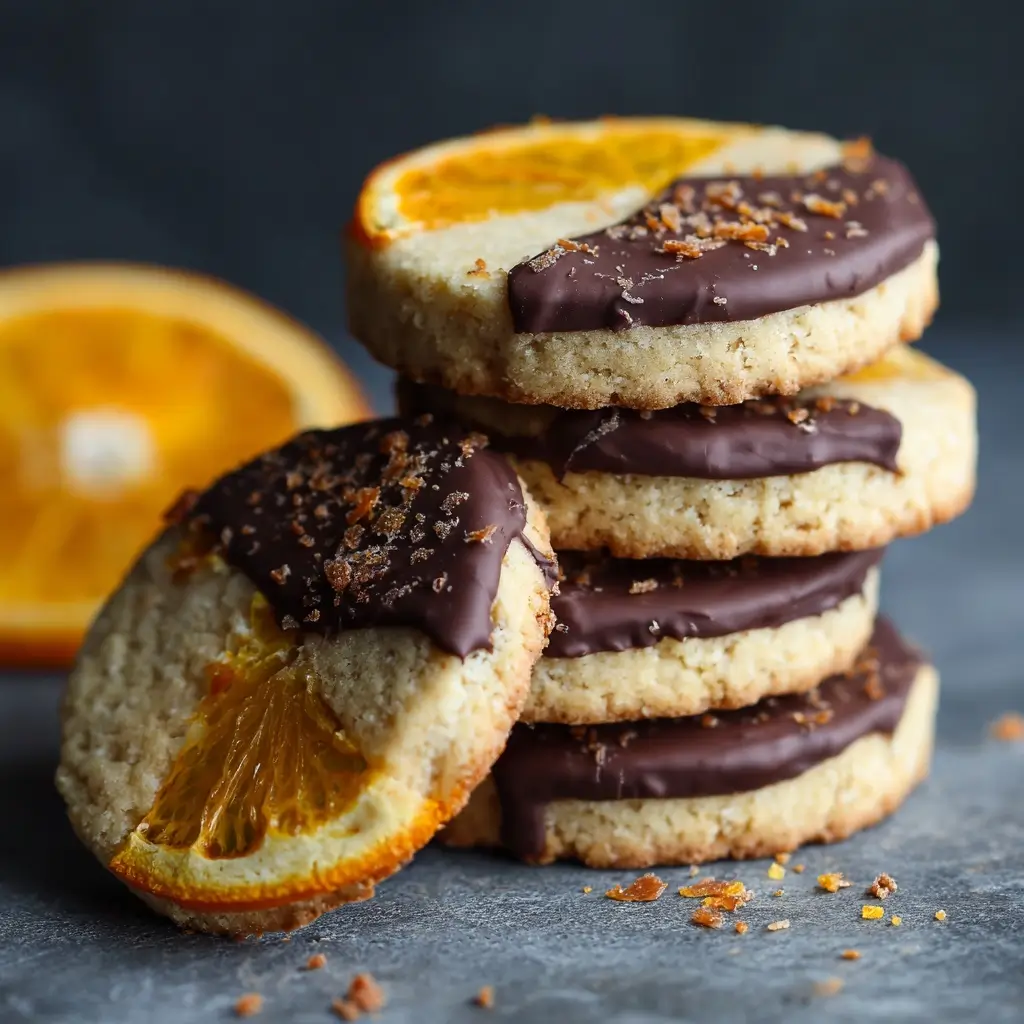
Chocolate Orange Shortbread Cookies: A Luxurious Twist on a Classic Favorite
The History of Shortbread and Its Evolution into Chocolate Orange Delight
Shortbread cookies trace their origins back to medieval Scotland, where they evolved from “biscuit bread”—a twice-baked, crisp bread meant to preserve freshness. Over time, as butter became more accessible in Scottish households, bakers began enriching their dough with generous amounts of it, giving rise to the tender, crumbly texture we now associate with traditional shortbread. By the 16th century, shortbread had become a staple during festive celebrations, particularly around Christmas and Hogmanay (Scottish New Year).
The addition of chocolate and citrus flavors to shortbread is a more modern innovation, reflecting evolving global tastes and the popularity of flavor pairings like dark chocolate and orange. This combination—often associated with gourmet chocolates and premium confections—was inspired by classic European desserts such as chocolate-orange truffles and Italian cioccolato arancia. Incorporating these elements into shortbread elevates the humble butter cookie into a sophisticated treat that balances richness, sweetness, and a bright zesty note.
Today, chocolate orange shortbread cookies are beloved not only for their decadent taste but also for their elegant appearance and versatility. They’re frequently featured in holiday gift boxes, afternoon tea spreads, and upscale bakeries worldwide, symbolizing both tradition and culinary creativity.
Ingredients Breakdown: Why Each Component Matters
The magic of chocolate orange shortbread lies in its carefully selected ingredients, each contributing to flavor, texture, and structure:
- Unsalted Butter (1 cup, softened): The cornerstone of any shortbread, high-quality butter provides richness and tenderness. Using unsalted butter allows better control over salt levels, ensuring balanced flavor.
- Granulated Sugar (1/2 cup): While traditional shortbread uses less sugar, this recipe includes a moderate amount to enhance sweetness without compromising the signature melt-in-your-mouth texture.
- All-Purpose Flour (2 cups): Provides the structural base. Sifted before use to prevent clumping and ensure even distribution.
- Cocoa Powder (1/3 cup, unsweetened): High-quality Dutch-processed cocoa deepens the chocolate flavor and imparts a rich color. Natural cocoa can be used, though it yields a slightly tangier profile.
- Orange Zest (from 1 large orange): Freshly grated zest delivers aromatic oils that infuse the dough with vibrant citrus notes. Avoid using bottled zest, which lacks intensity and may contain preservatives.
- Vanilla Extract (1 teaspoon): Enhances overall flavor complexity and rounds out the sharpness of cocoa and brightness of orange.
- Salt (1/4 teaspoon): A small pinch heightens all other flavors, making the chocolate and citrus pop.
- Dark Chocolate Chunks or Chips (1/2 cup): Folded into the dough for pockets of melty richness. Opt for at least 60% cacao for optimal balance.
- Optional Glaze (1/2 cup powdered sugar + 1–2 tablespoons fresh orange juice): Adds a glossy finish and an extra punch of citrus sweetness.
Step-by-Step Recipe: How to Make Perfect Chocolate Orange Shortbread Cookies
- Preheat and Prepare: Preheat your oven to 325°F (165°C). Line two baking sheets with parchment paper or silicone baking mats.
- Cream Butter and Sugar: In a large mixing bowl, beat the softened butter and granulated sugar together using a hand mixer or stand mixer until light and fluffy (about 3–4 minutes). This step incorporates air, contributing to a delicate crumb.
- Add Flavorings: Mix in the vanilla extract and freshly grated orange zest. Ensure the zest is evenly distributed to maximize citrus aroma in every bite.
- Combine Dry Ingredients: In a separate bowl, whisk together the flour, cocoa powder, and salt. Sifting is highly recommended to eliminate lumps and aerate the mixture.
- Incorporate Dry Mix Gradually: Slowly add the dry ingredients to the butter mixture on low speed, mixing just until combined. Overmixing can lead to tough cookies due to gluten development.
- Fold in Chocolate: Gently stir in the dark chocolate chunks or chips using a spatula. Be careful not to overwork the dough.
- Chill the Dough (Optional but Recommended): Cover the dough and refrigerate for 30–60 minutes. Chilling firms up the butter, preventing excessive spreading during baking and enhancing flavor melding.
- Shape the Cookies: Scoop tablespoon-sized portions of dough and roll into balls. Place them on the prepared baking sheets, spacing about 2 inches apart. Flatten slightly with the palm of your hand or the back of a spoon.
- Bake: Bake for 14–16 minutes, rotating the pans halfway through. The cookies are done when the edges are set and the centers appear dry but still soft. They will firm up as they cool.
- Cool Completely: Allow the cookies to cool on the baking sheet for 5 minutes before transferring to a wire rack to cool completely.
- Glaze (Optional): Once cooled, drizzle or dip the tops in a simple glaze made from powdered sugar and fresh orange juice. Let the glaze set before serving or storing.
Professional Tips for Baking Success
- Use Room-Temperature Butter: Softened butter creams properly with sugar. If it’s too cold, it won’t blend well; if it’s melted, the cookies may spread too much.
- Don’t Skip the Chill: Chilling the dough improves texture and helps maintain shape. For even better results, chill shaped cookies on the baking sheet for 10–15 minutes before baking.
- Watch Your Baking Time: Shortbread should be pale and barely golden—overbaking leads to dryness. Remember, they continue to cook slightly on the hot tray after removal from the oven.
- Invest in Quality Cocoa: Premium cocoa makes a noticeable difference in depth and smoothness of flavor.
- Grate Only the Zest: Avoid the white pith beneath the orange peel—it’s bitter. Use a microplane for fine, even zest.
- Uniform Sizing: Use a cookie scoop for consistent size and even baking.
- Storage Tip: These cookies keep exceptionally well. Store in an airtight container at room temperature for up to 1 week, or freeze unbaked dough balls for up to 3 months.
Variations and Customizations
Make this recipe your own with creative twists:
- Lemon or Grapefruit Zest: Swap orange for lemon for a brighter profile, or pink grapefruit for a floral-tart twist.
- Spiced Version: Add 1/4 teaspoon ground cinnamon, cardamom, or a pinch of cayenne for warmth and complexity.
- Gluten-Free Option: Replace all-purpose flour with a 1:1 gluten-free flour blend. Ensure it contains xanthan gum or add 1/2 teaspoon separately.
- Vegan Adaptation: Substitute butter with plant-based stick butter (like Earth Balance), and use dairy-free chocolate chips.
- Double Chocolate: Increase cocoa to 1/2 cup and reduce flour accordingly, or add a tablespoon of melted chocolate to the batter.
- Stuffed Cookies: Press a square of high-quality dark chocolate into the center of each dough ball before baking for a molten surprise.
- Sea Salt Finish: Sprinkle flaky sea salt on top before or immediately after baking for a gourmet touch.
- Cookie Sandwiches: Pair two cookies with orange marmalade or chocolate ganache filling.
Health Considerations and Nutritional Value
While chocolate orange shortbread cookies are undeniably indulgent, understanding their nutritional profile can help you enjoy them mindfully:
| Nutrient | Per Serving (1 cookie, approx. 30g) |
|---|---|
| Calories | 140 kcal |
| Total Fat | 8 g |
| Saturated Fat | 5 g |
| Cholesterol | 20 mg |
| Sodium | 75 mg |
| Carbohydrates | 16 g |
| Dietary Fiber | 1 g |
| Sugars | 9 g |
| Protein | 1.5 g |
Health Notes:
- These cookies are high in saturated fat due to butter and chocolate. Enjoy in moderation, especially if monitoring heart health.
- Dark chocolate contributes antioxidants (flavonoids), which may offer cardiovascular benefits when consumed in balance.
- Orange zest adds vitamin C and natural limonene, a compound studied for potential anti-inflammatory properties.
- For reduced sugar versions, consider replacing half the granulated sugar with coconut sugar and reducing powdered sugar in glaze.
- Individuals with lactose intolerance should verify chocolate and butter alternatives; vegan options are widely available.
Ingredients
- 1 cup (2 sticks / 226g) unsalted butter, softened
- 1/2 cup (100g) granulated sugar
- 2 cups (250g) all-purpose flour
- 1/3 cup (30g) unsweetened cocoa powder (preferably Dutch-processed)
- Zest of 1 large orange (about 1 tablespoon)
- 1 teaspoon pure vanilla extract
- 1/4 teaspoon salt
- 1/2 cup (90g) dark chocolate chunks or chips
- Optional Glaze: 1/2 cup (60g) powdered sugar + 1–2 tablespoons fresh orange juice
Directions
- Preheat oven to 325°F (165°C). Line two baking sheets with parchment paper or silicone mats.
- In a large bowl, cream together softened butter and granulated sugar using an electric mixer on medium speed until light and fluffy (3–4 minutes).
- Mix in vanilla extract and orange zest until well combined.
- In a separate bowl, sift together flour, cocoa powder, and salt.
- Gradually add dry ingredients to the butter mixture, mixing on low speed just until incorporated.
- Fold in dark chocolate chunks with a spatula.
- Cover dough and refrigerate for 30–60 minutes for best results.
- Roll dough into tablespoon-sized balls (about 30g each) and place on baking sheets, spaced 2 inches apart. Flatten slightly.
- Bake for 14–16 minutes, rotating pans halfway, until edges are set and centers are no longer shiny.
- Cool on baking sheet for 5 minutes, then transfer to a wire rack to cool completely.
- If desired, prepare glaze by whisking powdered sugar with orange juice to desired consistency. Drizzle over cooled cookies and allow to set.
FAQ
- Can I make these cookies ahead of time?
- Absolutely! The dough can be refrigerated for up to 3 days or frozen for 3 months. You can also bake and store fully cooled cookies in an airtight container for up to 1 week.
- Why did my cookies spread too much?
- Common causes include butter being too soft or melted, skipping the chill step, or oven temperature being too low. Always use softened—not melted—butter and chill the dough if your kitchen is warm.
- Can I use orange extract instead of zest?
- You can, but fresh zest provides superior flavor and aroma. If using extract, replace zest with 1/2 teaspoon orange extract and add it with the vanilla.
- Are these cookies naturally gluten-free?
- No, but they can easily be made gluten-free using a reliable 1:1 gluten-free flour blend.
- Can I use milk chocolate instead of dark?
- Yes, but dark chocolate complements the orange better due to its lower sweetness and richer profile. Milk chocolate will make the cookies sweeter and less balanced.
- How do I get clean cuts when slicing?
- This recipe forms drop cookies, but if shaping into logs for slice-and-bake, chill thoroughly and use a sharp knife dipped in hot water.
- Is there caffeine in these cookies?
- Yes, minimal amounts from cocoa and dark chocolate—roughly equivalent to 5–10mg per cookie, far less than a cup of tea or coffee.
Summary
Indulge in the harmonious blend of velvety dark chocolate and bright citrus with these luxurious chocolate orange shortbread cookies, where rich buttery texture meets aromatic zest in every bite.
Perfect for gifting, holiday trays, or quiet moments with tea, this elevated twist on a timeless classic brings elegance and comfort together on a single plate.