Introduction
Welcome to the vibrant, zesty, and utterly satisfying world of Cilantro Lime Rice Burrito Bowls — a fresh, deconstructed twist on traditional Mexican-inspired fare that’s as nourishing as it is delicious. Unlike conventional burritos wrapped in flour tortillas, this bowl format celebrates whole-food integrity, visual appeal, and customizable nutrition. Think fluffy, citrus-kissed rice as the foundational canvas, generously crowned with creamy black beans, crisp roasted vegetables, tangy avocado slices, pickled red onions, crumbled queso fresco, and a generous shower of freshly chopped cilantro. Each bite delivers a bright, herbaceous, slightly smoky, and refreshingly acidic harmony — perfect for meal prep, weeknight dinners, post-workout recovery, or even elegant casual entertaining. Whether you’re vegan, gluten-free, vegetarian, or simply seeking a flavorful, nutrient-dense alternative to heavy takeout, these bowls are designed to delight your palate while supporting your wellness goals — no compromise required.
The History
The Cilantro Lime Rice Burrito Bowl is a modern culinary evolution born from the convergence of several food traditions and cultural shifts over the past three decades. Its roots trace back to classic Mexican arroz verde (green rice), a dish traditionally made with cilantro, epazote, serrano peppers, and broth — often served alongside grilled meats or tamales. In the 1990s, Tex-Mex and Cal-Mex restaurants began experimenting with “deconstructed” formats, partly in response to rising dietary awareness and the growing popularity of grain bowls in health-conscious urban centers like Los Angeles and Austin. The iconic “cilantro-lime rice” itself gained national prominence through fast-casual chains like Chipotle, which introduced it as a vibrant, herb-forward rice option in the early 2000s — sparking widespread home-cook replication and creative reinterpretation. As the bowl trend surged post-2010 — fueled by Instagram aesthetics, macro-nutrient tracking, and demand for allergen-friendly meals — chefs and home cooks alike began layering this signature rice into composed grain bowls, swapping tortillas for texture-rich toppings and emphasizing freshness, contrast, and functional ingredients. Today, the Cilantro Lime Rice Burrito Bowl stands at the intersection of authenticity and innovation: honoring Mexican flavor principles while embracing global pantry staples, plant-forward values, and mindful eating philosophies.
Ingredients Breakdown
Every component in this bowl serves both a flavor and functional purpose — no filler, no afterthoughts. Let’s explore each ingredient in depth:
- Long-Grain White Rice (preferably Jasmine or Basmati): Chosen for its delicate floral aroma, light texture, and ability to absorb lime and herb notes without turning mushy. Rinsing before cooking removes excess starch for optimal fluffiness.
- Fresh Lime Juice & Zest: The backbone of brightness. Juice provides acidity to balance richness; zest contributes volatile citrus oils that elevate aroma and complexity. Bottled lime juice lacks the nuanced brightness and can introduce off-notes.
- Fresh Cilantro: Not optional — essential. Its phytochemicals (including linalool and eugenol) deliver the unmistakable green, peppery, lemony top note. Stems are packed with even more flavor and should be finely minced along with leaves.
- Garlic & Red Onion: Sautéed gently to mellow sharpness and build savory-sweet depth. Red onion adds subtle bite and beautiful color; garlic lends umami-rich warmth when cooked low and slow.
- Extra-Virgin Olive Oil or Avocado Oil: Used for sautéing and finishing. High-phenolic olive oil adds grassy bitterness that complements lime; avocado oil offers neutral heat stability for roasting components.
- Black Beans (cooked from dry or low-sodium canned): A fiber- and protein-dense base that adds creaminess and earthy contrast. Rinsing removes excess sodium and the starchy liquid that can dull flavors.
- Roasted Sweet Potatoes & Bell Peppers: Roasting caramelizes natural sugars, deepening sweetness and adding textural contrast. Orange-fleshed sweet potatoes provide beta-carotene; tri-color bell peppers offer vitamin C and antioxidants.
- Avocado (Hass variety): Adds monounsaturated fats, creamy mouthfeel, and cooling richness that balances acidity. Sliced just before serving to prevent browning.
- Pickled Red Onions: Quick-pickled in lime juice, agave, and sea salt — they deliver bright acidity, crunch, and digestive benefits from fermentation-friendly acids.
- Queso Fresco or Cotija: Mild, milky, and slightly salty — crumbles beautifully and melts subtly under ambient heat without greasiness. Vegan alternatives include house-made almond-based “queso blanco” or crumbled tofu feta marinated in lemon, nutritional yeast, and garlic powder.
- Optional Garnishes: Toasted pepitas for crunch and magnesium; micro-cilantro for intensified aroma; Tajín or chili-lime seasoning for controlled heat; radish ribbons for peppery freshness; jalapeño ribbons (raw or quick-pickled) for layered spice.
Step-by-Step Recipe
This method prioritizes timing efficiency, layered flavor development, and make-ahead flexibility — all while preserving peak freshness and texture:
- Prep the Base Rice (30–40 min, best done ahead): Rinse 1½ cups jasmine rice under cold water until water runs clear. Cook using a 1:1.5 rice-to-water ratio in a rice cooker or saucepan (simmer covered 15 min, rest 10 min off heat). Fluff with fork, then gently fold in ¼ cup fresh lime juice, 2 tbsp lime zest, 1 cup finely chopped cilantro (stems included), 2 minced garlic cloves, ⅓ cup finely diced red onion, and 3 tbsp high-quality olive oil. Cool to room temperature — refrigerate up to 3 days (flavor improves overnight).
- Roast the Vegetables (25 min): Preheat oven to 425°F (220°C). Toss 1½ cups ½-inch sweet potato cubes and 1 large diced red bell pepper with 1½ tbsp avocado oil, ½ tsp smoked paprika, ¼ tsp cumin, ½ tsp sea salt, and black pepper. Spread on parchment-lined sheet pan; roast 20–25 min, flipping halfway, until edges are caramelized and centers tender-crisp.
- Prepare Beans (5 min): Warm 1½ cups rinsed black beans in small saucepan with 1 tsp lime juice, ½ tsp ground cumin, pinch of chipotle powder, and 1 tbsp water. Simmer gently 3–4 min. Stir in 1 tbsp chopped cilantro at end.
- Make Pickled Onions (10 min + 30 min rest): Thinly slice ½ red onion. Submerge in bowl with ¼ cup fresh lime juice, 1 tsp agave or maple syrup, ½ tsp sea salt, and 2 tbsp warm water. Stir well and let sit at room temp for ≥30 minutes (or refrigerate up to 1 week).
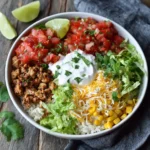
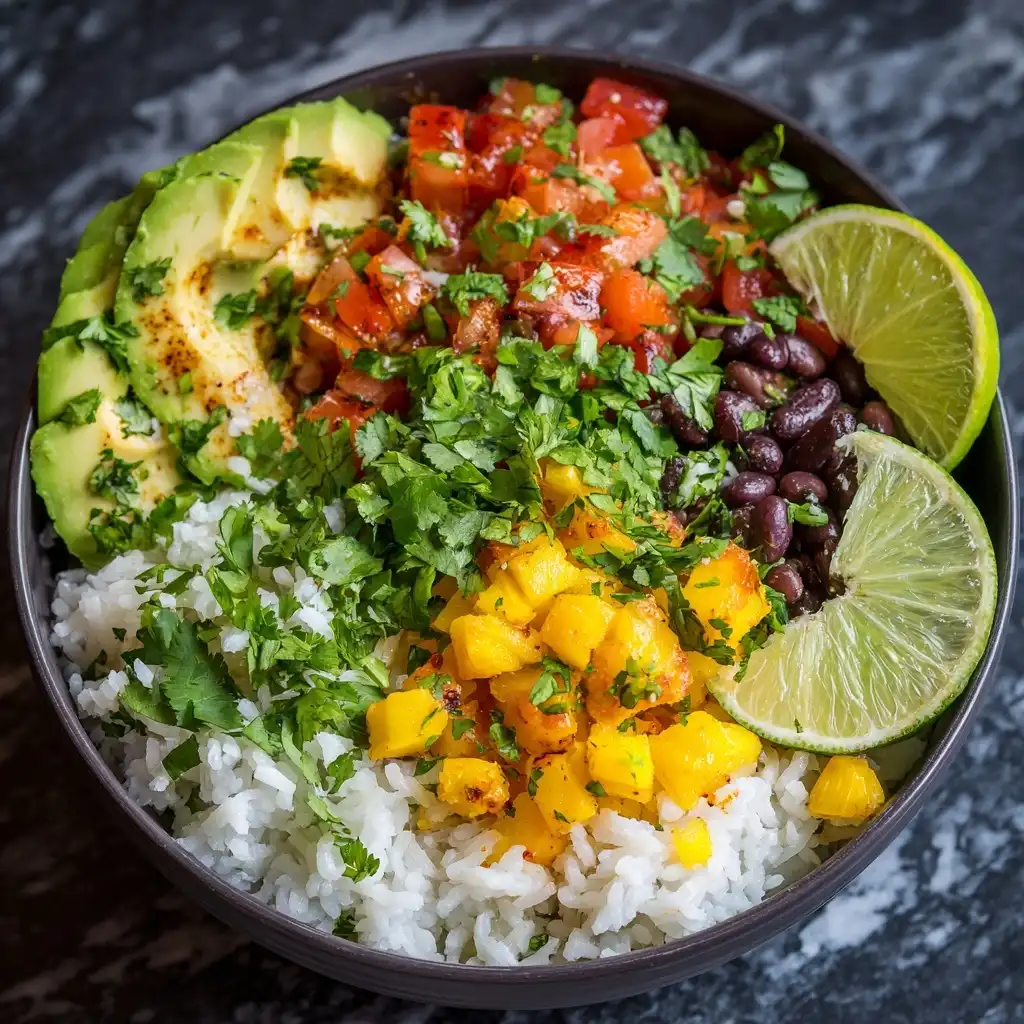
- Assemble Bowls (5 min per bowl): In wide, shallow bowls: Start with 1 cup cilantro-lime rice. Arrange warm black beans in diagonal stripe. Layer roasted sweet potatoes and peppers beside beans. Fan ½ ripe avocado over top. Scatter 2 tbsp pickled red onions, 2 tbsp crumbled queso fresco, and 1 tbsp toasted pepitas. Finish with extra cilantro, lime wedge, and optional Tajín sprinkle.
Tips
- Rice Texture Mastery: Never skip rinsing — residual starch causes gummy rice. For extra-fluffy results, soak rinsed rice in cold water for 20 minutes pre-cooking, then drain thoroughly.
- Lime Timing Matters: Add lime juice *after* rice cools — heat volatilizes citrus aromatics. Reserve 1 tsp zest to stir in at the very end for maximum fragrance lift.
- Cilantro Preservation Hack: Store fresh bunch upright in a jar with 1 inch of water (like flowers), loosely covered with a plastic bag, in fridge for up to 10 days. Trim stems before use.
- Bean Depth Boost: For restaurant-level bean flavor, sauté 1 tsp cumin seeds in oil until fragrant before adding beans — then deglaze with lime juice.
- Roasting Pro-Tip: Cut sweet potatoes uniformly — too small burns, too large stays hard. Toss veggies *after* sheet pan is hot for better sear.
- Make-Ahead Strategy: Cook rice, roast veggies, prepare beans, and pickle onions up to 4 days ahead. Store separately in airtight containers. Assemble bowls within 1 hour of serving for optimal texture and vibrancy.
- No-Soggy Avocado Trick: Slice avocado last and drizzle immediately with lime juice. For meal prep, store avocado slices submerged in lime water (1 part lime juice : 3 parts water) in sealed container — pat dry before assembling.
- Flavor Layering Secret: Sprinkle a tiny pinch of flaky sea salt (like Maldon) *over the finished bowl* — it enhances all other flavors without making the dish taste “salty.”
- Texture Contrast is Key: Always include at least one crunchy element (pepitas, jicama matchsticks, radish ribbons) and one creamy element (avocado, cashew crema, or queso) — mouthfeel drives satisfaction as much as taste.
- Batch Cooking Efficiency: Double the rice and bean recipes — they freeze beautifully. Portion cooled rice into silicone molds, freeze solid, then transfer to bags. Reheat individual portions in microwave with splash of water + cover.
Variations and Customizations
This bowl is infinitely adaptable — here are thoughtfully curated variations for diverse diets, seasons, and preferences:
Protein-Powered Upgrades
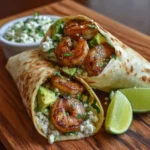
- Grilled Shrimp Version: Marinate 12 oz peeled, deveined shrimp in lime zest, garlic, chili powder, and olive oil; grill 2 min per side. Serve warm over rice.
- Chipotle Chicken: Shred 2 cups roasted chicken tossed in 2 tbsp adobo sauce, lime, and smoked paprika.
- Spiced Chickpeas (Vegan): Roast 1 can drained chickpeas with cumin, coriander, turmeric, and lime juice at 400°F for 25 min until crisp.
Dietary Adaptations
- Gluten-Free Verified: Naturally GF — just verify all packaged ingredients (e.g., canned beans, spices) carry GF certification if needed for celiac safety.
- Keto/Low-Carb Option: Replace rice with riced cauliflower (sautéed 8–10 min until tender-dry) or shirataki rice (parboiled and pan-dried). Increase avocado, pepitas, and cheese; omit beans and sweet potatoes.
- Oil-Free/Vegan Whole Food: Sauté garlic/onion in 2 tbsp vegetable broth; roast veggies with aquafaba or lime juice marinade; use tahini-lime drizzle instead of oil-based dressings.
- Nut-Free: Swap pepitas for roasted sunflower seeds or crushed roasted chickpeas.
Seasonal Twists
- Spring: Add blanched asparagus tips, sugar snap peas, and edible pea tendrils. Swap black beans for fresh shelled fava beans.
- Summer: Incorporate grilled corn kernels, heirloom cherry tomatoes, and diced cucumber. Top with watermelon radish ribbons.
- Fall: Use roasted delicata squash, caramelized red onions, and pomegranate arils. Add cinnamon-lime dusting to rice.
- Winter: Fold in braised kale, roasted beets, and toasted walnuts. Finish with orange-lime vinaigrette.
Global Flavor Infusions
- Thai-Inspired: Add lemongrass-infused rice, mango slices, edamame, and crushed roasted peanuts. Swap lime for makrut lime leaf infusion; garnish with Thai basil.
- Mediterranean Fusion: Use lemon-dill rice, white beans, kalamata olives, roasted zucchini, and feta. Drizzle with oregano-infused olive oil.
- Japanese-Mexican (J-Mex): Include nori strips, quick-pickled daikon, shiitake “carnitas,” and yuzu kosho aioli.
Health Considerations and Nutritional Value
A single serving (approx. 550–650 calories, depending on toppings) delivers exceptional macro- and micronutrient synergy — backed by clinical nutrition science:
- Metabolic Support: Lime’s citric acid enhances non-heme iron absorption from beans and greens by up to 30%, especially when paired with vitamin C-rich peppers and onions.
- Gut Health Focus: Black beans contain resistant starch (increased when cooled), acting as prebiotic fuel for beneficial Bifidobacteria. Fermented pickled onions add live probiotics.
- Antioxidant Density: Cilantro contains quercetin and kaempferol; lime zest offers limonene (a potent anti-inflammatory monoterpene); sweet potatoes supply 438% DV of vitamin A (as beta-carotene) per cup — critical for immune and skin health.
- Heart-Healthy Fats: Avocado and olive oil provide oleic acid, shown in studies to reduce LDL oxidation and improve endothelial function. Pepitas contribute phytosterols that inhibit cholesterol absorption.
- Blood Sugar Balance: The combination of complex carbs (rice, sweet potato), plant protein (beans), healthy fats (avocado, oil), and fiber (14–18g/serving) yields a low glycemic load (~35), minimizing insulin spikes.
- Electrolyte-Rich Hydration: Lime juice supplies potassium; sea salt provides sodium and trace minerals — ideal for post-exercise replenishment without processed sports drinks.
- Detoxification Support: Cilantro is clinically studied for its ability to bind and support excretion of heavy metals (lead, mercury, aluminum) via thiol-group chelation — especially potent when consumed daily.
- Considerations & Modifications: For low-FODMAP needs, swap black beans for lentils (green or brown, well-rinsed) and limit onion/garlic to infused oil only. Those with oxalate sensitivity may moderate spinach/kale additions. Individuals on blood thinners should maintain consistent vitamin K intake (from cilantro, peppers, greens) rather than fluctuating amounts.
Ingredients
Makes 4 generous servings
- 1½ cups jasmine or basmati rice, rinsed well
- 2¼ cups filtered water (or low-sodium vegetable broth for depth)
- ¼ cup fresh lime juice (about 3–4 limes)
- 2 tablespoons lime zest (finely grated, avoid white pith)
- 1 cup fresh cilantro, finely chopped (leaves and tender stems)
- 2 garlic cloves, finely minced
- ⅓ cup red onion, very finely diced
- 3 tablespoons extra-virgin olive oil or avocado oil
- ½ teaspoon fine sea salt (plus more to taste)
- ¼ teaspoon freshly ground black pepper
- 1½ cups cooked black beans (low-sodium canned or from dry), rinsed and drained
- 1½ teaspoons ground cumin
- ¼ teaspoon chipotle powder (optional, for smoky heat)
- 1½ cups peeled, ½-inch cubed orange-fleshed sweet potato
- 1 large red bell pepper, seeded and diced into ½-inch pieces
- 1½ tablespoons avocado oil (for roasting)
- ½ teaspoon smoked paprika
- ¼ teaspoon ground cumin (for roasting)
- ½ teaspoon sea salt (for roasting)
- ½ medium ripe Hass avocado, sliced
- ½ red onion, very thinly sliced (for pickling)
- ¼ cup fresh lime juice (for pickling)
- 1 teaspoon agave nectar or pure maple syrup
- ½ teaspoon sea salt (for pickling)
- 2 tablespoons warm water (for pickling)
- ¼ cup crumbled queso fresco or cotija cheese
- 2 tablespoons roasted, unsalted pepitas (pumpkin seeds)
- Additional lime wedges, extra cilantro, and Tajín or chili-lime seasoning for serving
Directions
- Cook the rice: Combine rinsed rice and water (or broth) in a medium saucepan. Bring to a gentle boil over medium-high heat. Reduce heat to low, cover tightly, and simmer for 15 minutes. Remove from heat and let steam, covered, for 10 minutes. Fluff gently with a fork and spread onto a large rimmed baking sheet to cool completely (about 20 minutes).
- Prepare cilantro-lime rice: Once rice is at room temperature, transfer to a large mixing bowl. Add lime juice, lime zest, chopped cilantro, minced garlic, diced red onion, olive oil, ½ tsp sea salt, and black pepper. Gently fold with a spatula until evenly combined. Taste and adjust salt or lime as needed. Set aside or refrigerate for up to 3 days (flavor intensifies overnight).
- Roast the vegetables: Preheat oven to 425°F (220°C). On a parchment-lined baking sheet, toss sweet potato and red bell pepper with avocado oil, smoked paprika, ¼ tsp cumin, and ½ tsp sea salt. Spread in a single layer. Roast for 20–25 minutes, flipping halfway, until sweet potatoes are tender-crisp and lightly caramelized at the edges.
- Warm the beans: In a small saucepan over medium-low heat, combine black beans, 1 tsp lime juice, 1½ tsp cumin, chipotle powder (if using), and 1 tbsp water. Simmer gently for 3–4 minutes, stirring occasionally, until heated through and slightly thickened. Stir in 1 tbsp chopped cilantro just before removing from heat.
- Make quick-pickled red onions: In a small glass jar or bowl, combine thinly sliced red onion, ¼ cup lime juice, agave, ½ tsp sea salt, and warm water. Stir well to dissolve salt. Let sit at room temperature for at least 30 minutes (or refrigerate up to 1 week). Drain before using, reserving pickling liquid for dressings or sipping water.
- Assemble bowls: Divide cooled cilantro-lime rice evenly among four wide, shallow bowls (about 1 cup per bowl). Arrange warm black beans diagonally across the rice. Place roasted sweet potatoes and peppers beside the beans. Fan avocado slices over the top. Scatter pickled red onions, crumbled queso fresco, and pepitas generously. Finish with additional fresh cilantro, a generous squeeze of lime juice, and a light dusting of Tajín or chili-lime seasoning. Serve immediately with extra lime wedges on the side.
FAQ
- Can I use brown rice instead of white?
- Yes — but adjust cooking time and liquid. Use 1 cup brown rice + 2¼ cups water; simmer 40–45 min, then rest 10 min. Brown rice has a nuttier flavor and chewier texture, and benefits from an extra 1 tbsp lime juice to brighten its earthiness. Note: It absorbs dressing differently — add lime/cilantro mixture just before serving for best results.
- How do I keep the rice from getting mushy when prepping ahead?
- Rinse thoroughly, cook with precise water ratios, and cool completely on a sheet pan (not in a covered container) before refrigerating. When reheating, add 1 tsp water per cup, cover, and microwave in 20-second bursts — fluff between intervals. Never reheat with added oil or lime juice until fully warmed.
- Is there a substitute for cilantro if I’m a “cilantro hater”?
- Yes — though flavor profile shifts significantly. Try flat-leaf parsley (milder, grassy), culantro (more pungent, used in Caribbean cooking), or a blend of mint + basil (bright and aromatic). Avoid dried cilantro — it lacks volatile oils and tastes soapy.
- Can I freeze this dish?
- The rice, roasted veggies, and beans freeze exceptionally well individually for up to 3 months. However, avoid freezing assembled bowls — avocado browns, cheese separates, and textures degrade. Freeze components in portioned, labeled, airtight containers; thaw overnight in fridge and assemble fresh.
- Why does my rice taste bland even with lime and cilantro?
- Three likely culprits: (1) Underseasoning — rice needs adequate salt *during cooking*, not just after; (2) Using bottled lime juice — fresh is non-negotiable for brightness; (3) Adding lime while rice is hot — heat destroys volatile citrus compounds. Always cool rice first, then dress.
- What’s the best way to meal prep these for the week?
- Prep all components Sunday: Cook & cool rice; roast veggies; warm & season beans; pickle onions; portion avocado separately with lime water. Store each in labeled glass containers. Assemble bowls each morning — takes under 3 minutes. Keeps perfectly for 4–5 days.
- Can I make this fully vegan and still get enough protein?
- Absolutely. This bowl delivers ~15–18g plant protein per serving (from beans, rice, pepitas, and cheese alternative). Add ¼ cup cooked lentils or hemp hearts for +10g. Pair with a side of lime-tahini drizzle (tahini + lime + garlic + water) for satiety-enhancing healthy fats.
- How can I add more heat without overwhelming the lime-cilantro balance?
- Use heat as an accent, not a main note. Options: 1–2 thin jalapeño ribbons (seeds removed) per bowl; a few drops of chipotle adobo sauce swirled into beans; or a light sprinkle of crushed Aleppo pepper or gochugaru for fruity, mild heat. Always taste before adding more.
- Is this suitable for kids or picky eaters?
- Highly adaptable! Serve components “deconstructed” on a divided plate. Offer lime wedges for dipping (kids love squeezing), skip onions/peppers initially, and add fun elements like corn, shredded cheese, or mild salsa. Gradually introduce new textures — many children accept cilantro-lime rice before raw veggies.
- Can I use leftover cooked rice?
- Yes — day-old rice works beautifully (less moisture = better texture). Gently reheat with 1 tsp water per cup, then proceed with lime/cilantro folding. Avoid microwaving cold rice with lime — steam carries away aroma. Warm first, then dress.
Summary
Cilantro Lime Rice Burrito Bowls are a nutritionally balanced, globally inspired, and endlessly customizable grain bowl centered around vibrant, herbaceous rice, roasted seasonal vegetables, creamy black beans, and zesty fresh garnishes — designed for flavor integrity, gut health, and effortless weeknight elegance.
With make-ahead versatility, dietary adaptability (vegan, GF, keto-friendly options), and science-backed health benefits — from enhanced iron absorption to detox-supportive phytonutrients — this bowl is far more than a trend: it’s a sustainable, joyful, and deeply satisfying cornerstone of modern mindful eating.