Introduction
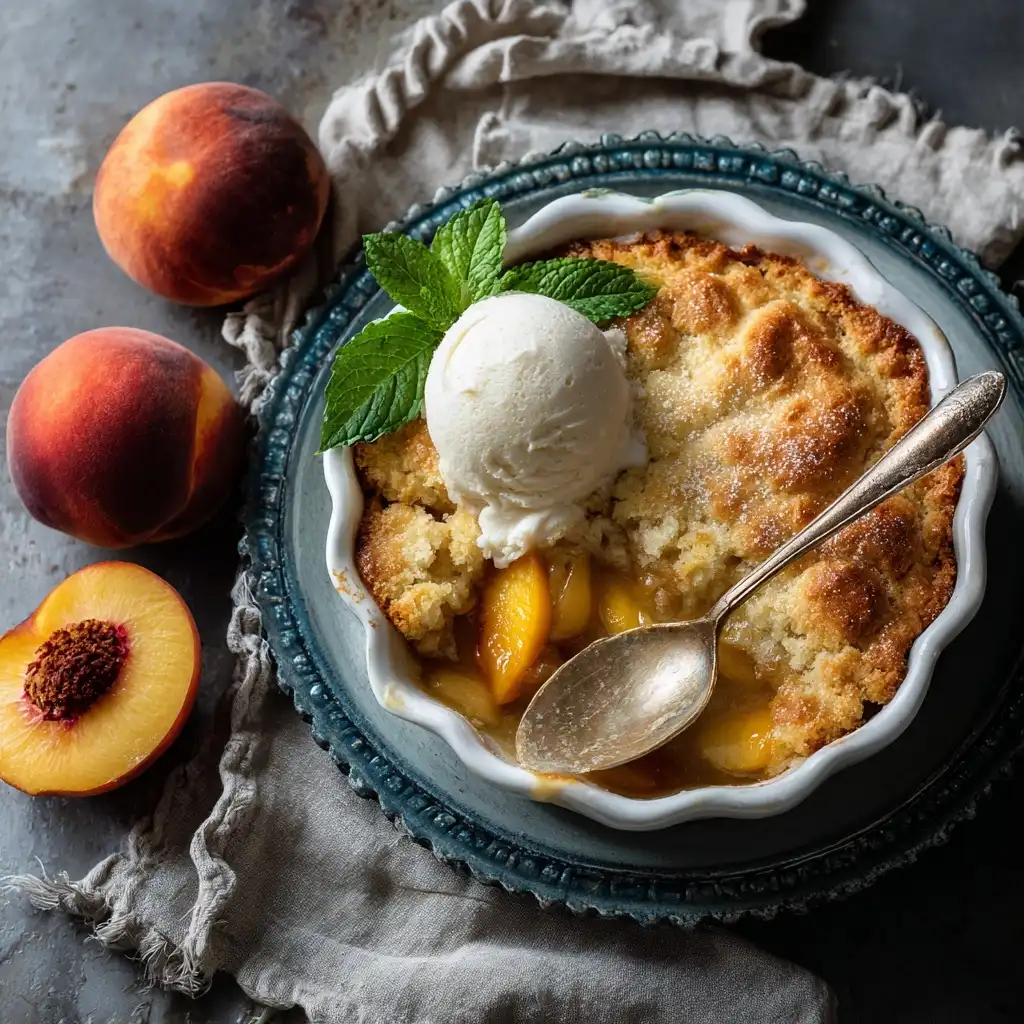
There’s a certain kind of magic in the aroma of bubbling peaches, cinnamon, and golden-brown biscuit-like topping wafting through a sunlit kitchen—this is the soul-soothing essence of Classic Southern Peach Cobbler. More than just a dessert, it’s a cherished heirloom: a warm embrace served in a cast-iron skillet, a generational handshake passed down through handwritten recipe cards stained with butter and memories. Rooted in resourcefulness and reverence for seasonal bounty, Southern peach cobbler is humble in its origins yet regal in its comfort—a true cornerstone of Southern hospitality, often gracing church suppers, family reunions, Fourth of July picnics, and Sunday after-church tables across Georgia, Alabama, Tennessee, the Carolinas, and beyond. Its simplicity belies its depth: tender, juicy peaches suspended in a fragrant, lightly thickened syrup, crowned with a tender, slightly crisp, buttery biscuit or cake-like topping that soaks up the fruit’s essence without dissolving—striking that perfect balance between rustic and refined.
The History
The origins of peach cobbler stretch back centuries, weaving together Indigenous American horticulture, European colonial adaptation, and African American culinary ingenuity. Native to China, peaches were brought to the Americas by Spanish explorers in the 16th century and thrived in the warm, humid climate of the Southeastern United States—so much so that by the 1700s, Georgia was already earning its future title as the “Peach State.” Early settlers, lacking access to pie tins or precise ovens, turned to what they had: cast-iron skillets, Dutch ovens, and wood-fired hearths. The word “cobbler” itself likely derives from the English term “cobbled”—meaning something rough-hewn or uneven—referring to the rustic, dropped-biscuit or spooned-cake topping that resembled cobblestones. Unlike pies (which required labor-intensive pastry crusts), cobblers were practical: fruit was stewed with sugar and spices, then topped with simple dough or batter and baked until golden. Enslaved cooks played an indispensable role in refining the technique—mastering heat control in open hearths, developing signature spice blends, and transforming humble ingredients into celebratory fare. By the late 19th and early 20th centuries, cobbler had become synonymous with Southern home cooking, immortalized in cookbooks like The Settlement Cook Book (1901) and later in iconic regional texts such as Southern Cooking by Mrs. S. R. Dull (1928). It wasn’t just food—it was resilience, creativity, and cultural preservation baked into every bubbling bite.
Ingredients Breakdown
Every ingredient in a truly authentic Southern peach cobbler serves a distinct purpose—no filler, no frills, just intentionality rooted in generations of trial and taste:
- Fresh, ripe Georgia or Carolina peaches (6–7 medium): The undisputed star. Look for freestone varieties like Elberta, Red Haven, or O’Henry—sweet, fragrant, and yielding easily when gently squeezed near the stem. Their high pectin content helps naturally thicken the filling without excessive cornstarch, while their floral, honeyed acidity balances the sweetness. Canned peaches (in juice, not syrup) are an acceptable off-season substitute—but never use pie filling, which contains artificial flavors and stabilizers that muddy the cobbler’s clean, bright character.
- Granulated sugar (¾–1 cup): Sweetness must be calibrated to the peaches’ ripeness. Underripe fruit may need closer to 1 cup; deeply blushing, fragrant peaches may only require ¾ cup—or even less if you prefer a more nuanced, less saccharine profile. Many traditional recipes also include a tablespoon of light brown sugar for subtle molasses warmth and enhanced caramelization.
- Lemon juice (1–2 tablespoons): A non-negotiable brightener. It heightens peach flavor, prevents browning, and provides essential acidity to cut through the richness of the topping and sugar. Freshly squeezed is imperative—bottled lemon juice lacks vibrancy and can impart off-notes.
- Ground cinnamon (1½ teaspoons): The quintessential Southern spice—warm, woody, and comforting—used generously but never overpoweringly. Some families add a whisper of freshly grated nutmeg (¼ tsp) or a single drop of pure almond extract for complexity, but cinnamon remains the anchor.
- Unsalted butter (6 tablespoons, cold & cubed): Used in both the filling (for richness and sheen) and the topping (for flakiness and tenderness). Cold butter creates steam pockets in the biscuit layer, yielding lift and delicate layers. Salted butter can be used, but adjust added salt accordingly.
- All-purpose flour (2 tablespoons for filling, 1½ cups for topping): In the filling, it’s a gentle thickener—just enough to coat the peaches and create a glossy, clingy syrup without gumminess. In the topping, it provides structure and tender crumb. Southern bakers often swear by White Lily or Martha White soft-wheat flour for its lower protein content, yielding exceptionally light, melt-in-your-mouth results.
- Baking powder (2 teaspoons) & baking soda (¼ teaspoon): The leavening duo responsible for the signature “cobbler rise.” Baking powder delivers reliable lift, while a tiny amount of baking soda reacts with the acid from lemon juice and buttermilk (if used) for extra tenderness and a subtle tangy lift.
- Buttermilk (¾ cup, well-shaken): The secret weapon for tenderness and tang. Its lactic acid tenderizes gluten, while its fat and acidity react with leaveners for optimal rise and moisture retention. Full-fat, cultured buttermilk is ideal—low-fat versions lack richness and depth. If unavailable, make a quick substitute: ¾ cup whole milk + 1 tablespoon white vinegar or lemon juice, rested 5 minutes.
- Vanilla extract (1 teaspoon, pure): Adds aromatic depth and rounds out the fruit’s perfume. Imitation vanilla lacks the nuanced complexity needed here.
- Coarse turbinado sugar (2 tablespoons): Sprinkled over the raw topping before baking, it creates a delightful, sparkling crunch and caramelized edge—elevating texture and visual appeal.
Step-by-Step Recipe
- Prep the Peaches (30 minutes, includes chilling time): Bring a large pot of water to a rolling boil. Score a small “X” on the bottom of each peach. Blanch for 45–60 seconds, then immediately transfer to an ice water bath for 2 minutes. Peel skins off easily starting at the “X.” Halve, pit, and slice into ½-inch wedges. Place in a large bowl. Toss gently with lemon juice, ¾ cup granulated sugar, cinnamon, nutmeg (if using), and 2 tablespoons flour until evenly coated. Let macerate at room temperature for 20 minutes—this draws out juices and begins softening the fruit. Stir in 2 tablespoons of cold, cubed butter. Refrigerate mixture for 10 minutes (this chills the butter and prevents greasy filling).
- Preheat & Prep Pan (5 minutes): Position oven rack in the lower third. Preheat oven to 375°F (190°C). Generously grease a deep 10-inch cast-iron skillet (or a 9×13-inch ceramic baking dish) with 1 tablespoon of butter—be sure to coat the sides thoroughly to prevent sticking and encourage even browning.
- Make the Topping Batter (8 minutes): In a large bowl, whisk together 1½ cups flour, ¼ cup granulated sugar, 2 tsp baking powder, ¼ tsp baking soda, and ½ tsp fine sea salt. Using a pastry cutter or two forks, cut in 4 tablespoons of cold, cubed butter until the mixture resembles coarse crumbs with some pea-sized pieces remaining. In a separate measuring cup, whisk buttermilk, 1 tsp vanilla, and 1 large egg until smooth. Pour wet ingredients into dry; stir with a silicone spatula *just until combined*—do not overmix. Batter will be thick, shaggy, and slightly lumpy. Overmixing develops gluten, leading to toughness.
- Assemble & Bake (55–65 minutes): Pour the chilled peach mixture—including all accumulated juices—into the prepared skillet. Spread evenly. Drop heaping ¼-cup portions of batter over the peaches in a single layer, leaving small gaps (they’ll spread and join as they bake). Gently press down any tall mounds to ensure even baking. Sprinkle entire surface evenly with turbinado sugar. Place skillet on a parchment-lined baking sheet (to catch potential bubbling-over). Bake for 55–65 minutes, rotating halfway through, until the topping is deeply golden brown, puffed, and firm to the touch, and the filling bubbles vigorously around the edges with thick, glossy syrup. A toothpick inserted into the center of the topping (avoiding fruit) should emerge clean or with moist crumbs—not wet batter.
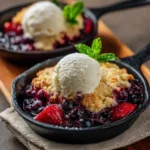
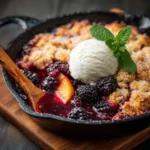
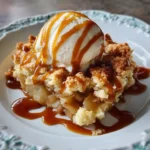
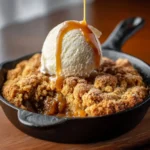
- Cool & Serve (Essential! 30–45 minutes): Remove from oven and place skillet on a wire rack. Let rest *undisturbed* for at least 30 minutes—this allows the filling to set properly and prevents a runny, soupy mess. The cobbler will continue to thicken as it cools. Serve warm (never piping hot) with a generous scoop of full-fat vanilla ice cream, a drizzle of heavy cream, or a spoonful of lightly sweetened whipped cream. The contrast of warm, spiced fruit and cold, creamy richness is non-negotiable.
Tips
- Ripeness is Non-Negotiable: Underripe peaches yield a tart, fibrous, watery cobbler. Overripe ones turn mushy and overly sweet. Aim for peaches that yield slightly to gentle palm pressure near the stem, smell intensely fragrant, and have vibrant, uniform color (no green patches).
- Don’t Skip the Chill: Chilling the peach mixture firms the butter and slows the release of excess liquid during initial baking—critical for a cohesive, non-soggy filling.
- Measure Flour Correctly: Spoon flour into your measuring cup and level with a knife. Scooping packs it down and adds up to 25% more flour—guaranteeing a dense, dry topping.
- Cast Iron is King: It retains and distributes heat evenly, promoting superior browning on the bottom and sides of the topping and creating that coveted caramelized crust. If using a ceramic dish, add 5–8 minutes to bake time.
- Rotate, Rotate, Rotate: Home ovens have hot spots. Rotating the skillet halfway ensures even browning and prevents one side from burning while the other stays pale.
- Resist the Spoon! Never stir or poke the cobbler while baking. This collapses the rising topping and releases steam prematurely, resulting in a gummy, uneven finish.
- Cooling is Part of the Recipe: Cutting into it too soon guarantees a flood of syrup. That 30-minute wait isn’t optional—it’s when the magic of starch gelatinization and syrup setting happens.
- Reheating Right: To reheat leftovers, cover loosely with foil and warm in a 325°F oven for 15–20 minutes until heated through. Microwaving makes the topping rubbery and the filling watery.
- Skillet Safety: Always use oven mitts—even the handle gets scalding hot. Place the hot skillet on a trivet or cooling rack, never directly on a granite or marble countertop (thermal shock can cause cracking).
Variations and Customizations
While the classic version is revered, Southern kitchens thrive on loving adaptation. Here are time-tested, respectful variations:
- Buttermilk Biscuit Topping: For a more traditional “cobbled” look, replace the batter with drop biscuits: combine 2 cups flour, 1 tbsp sugar, 1 tbsp baking powder, ½ tsp salt, 6 tbsp cold butter, and ¾ cup buttermilk. Drop 8–10 golf-ball-sized mounds over peaches. Bake 40–45 min. Yields a flaky, layered, rustic crown.
- Peach-Blackberry Swirl: Replace 1 cup of peaches with fresh blackberries (tossed with 1 tsp cornstarch). Adds tartness, visual pop, and antioxidant depth.
- Bourbon-Infused: Add 2 tablespoons of good-quality bourbon to the macerating peaches along with the lemon juice. The alcohol bakes off, leaving warm, complex oak and vanilla notes.
- Oat-Streusel Topping: Swap the batter for a crunchy streusel: 1 cup old-fashioned oats, ½ cup brown sugar, ½ cup flour, 1 tsp cinnamon, 6 tbsp cold butter. Cut in until crumbly. Sprinkle thickly over peaches. Bake 45–50 min. Offers fantastic textural contrast.
- Gluten-Free Southern Style: Use a 1:1 gluten-free baking blend (like Bob’s Red Mill) *with xanthan gum included*. Add 1 extra tbsp buttermilk and let batter rest 5 minutes before dropping. Ensure all spices and extracts are certified GF.
- Vegan Adaptation: Use coconut milk yogurt + 1 tbsp lemon juice for buttermilk; flax egg (1 tbsp ground flax + 2.5 tbsp water); vegan butter; and maple syrup instead of granulated sugar (reduce by 2 tbsp). Expect a slightly denser, more cake-like texture.
- Spice Variations: Add ¼ tsp cardamom for floral warmth; a pinch of cayenne for surprising, sophisticated heat; or 1 tsp finely grated fresh ginger for zesty brightness.
- Herbal Accent: Stir 1 tbsp finely chopped fresh basil or mint into the cooled filling before assembling—adds an unexpected, refreshing lift that complements peach beautifully.
Health Considerations and Nutritional Value
A Classic Southern Peach Cobbler is rightly celebrated as a treat—not an everyday health food—but understanding its nutritional profile empowers mindful enjoyment. Per generous 1-cup serving (approx. 1/8 of a 9×13 recipe, with no ice cream):
- Calories: ~320–360 kcal (primarily from complex carbs and natural fruit sugars)
- Carbohydrates: ~52–58g (including ~38–42g naturally occurring sugars from peaches and added sucrose; ~3g dietary fiber from peaches and flour)
- Fat: ~12–14g (mostly unsaturated from butter; contributes to satiety and flavor absorption)
- Protein: ~4–5g (from flour and buttermilk)
- Vitamins & Minerals: An excellent source of Vitamin C (peaches provide ~15% DV per serving), Vitamin A (beta-carotene, ~10% DV), potassium (~8% DV), and modest amounts of iron and B vitamins (from enriched flour and buttermilk).
Key Considerations:
- Sugar Content: While peaches contribute natural sugars, the added sugar is significant. For reduced-sugar versions, start with ½ cup granulated sugar and rely on ultra-ripe, fragrant peaches. Never eliminate sugar entirely—the filling needs it for proper texture, preservation, and balancing acidity.
- Gluten Sensitivity: Traditional cobbler is not gluten-free. See the dedicated GF variation above for safe alternatives.
- Dairy Considerations: Buttermilk and butter are central to flavor and texture. Lactose-intolerant individuals may tolerate cultured buttermilk better than regular milk due to bacterial breakdown of lactose, but vegan options are fully dairy-free.
- Portion Control & Pairing: Enjoying a moderate portion (⅔ cup) alongside a protein-rich side (e.g., grilled chicken) or with a small scoop of low-sugar ice cream makes it part of a balanced meal. The fiber and antioxidants in peaches offer genuine nutritional benefits that shouldn’t be overlooked amidst the indulgence.
- No Artificial Additives: A hallmark of authenticity—real peaches, real butter, real spices. No preservatives, colors, or high-fructose corn syrup found in commercial desserts.
Ingredients
- 6–7 medium ripe freestone peaches (about 2½ lbs), peeled, pitted, and sliced ½-inch thick
- 1 tablespoon fresh lemon juice (plus extra for bowl if prepping ahead)
- ¾ cup granulated sugar (plus ¼ cup for topping, plus 2 tbsp turbinado sugar)
- 1½ teaspoons ground cinnamon
- ¼ teaspoon freshly grated nutmeg (optional but recommended)
- 2 tablespoons all-purpose flour
- 2 tablespoons cold unsalted butter, cubed
- 1 tablespoon unsalted butter, for greasing skillet
- 1½ cups all-purpose flour (White Lily preferred)
- 2 teaspoons baking powder
- ¼ teaspoon baking soda
- ½ teaspoon fine sea salt
- 4 tablespoons cold unsalted butter, cubed
- ¾ cup well-shaken full-fat buttermilk
- 1 large egg
- 1 teaspoon pure vanilla extract
- 2 tablespoons coarse turbinado sugar (for sprinkling)
Directions
- Bring a large pot of water to a rolling boil. Score an “X” on the bottom of each peach. Blanch for 45–60 seconds, then plunge into an ice water bath for 2 minutes. Peel, halve, pit, and slice. Place in a large bowl.
- Add lemon juice, ¾ cup granulated sugar, cinnamon, nutmeg (if using), and 2 tablespoons flour. Toss gently to coat. Let macerate at room temperature for 20 minutes.
- Stir in 2 tablespoons cold, cubed butter. Refrigerate mixture for 10 minutes.
- Preheat oven to 375°F (190°C). Place oven rack in lower third. Generously grease a 10-inch cast-iron skillet (or 9×13 ceramic dish) with 1 tablespoon butter.
- In a large bowl, whisk 1½ cups flour, ¼ cup granulated sugar, baking powder, baking soda, and salt. Cut in 4 tablespoons cold butter with a pastry cutter until mixture resembles coarse crumbs.
- In a separate cup, whisk buttermilk, egg, and vanilla. Pour into dry ingredients. Stir with a spatula *just until combined*—batter will be thick and lumpy. Do not overmix.
- Pour chilled peach mixture (with all juices) into prepared skillet. Spread evenly. Drop batter by ¼-cup portions over peaches, leaving small gaps. Gently press down any tall peaks.
- Sprinkle entire surface evenly with turbinado sugar.
- Place skillet on a parchment-lined baking sheet. Bake for 55–65 minutes, rotating halfway, until topping is deep golden, puffed, firm, and filling bubbles thickly around edges.
- Remove from oven. Let cool on a wire rack for *at least 30 minutes* before serving.
- Serve warm, ideally with vanilla ice cream, heavy cream, or sweetened whipped cream.
FAQ
- Can I use frozen peaches?
- Yes—use 6 cups of unsweetened, thawed, and well-drained frozen peaches. Pat dry with paper towels to remove excess moisture, then proceed with maceration. Add 1 extra tablespoon of flour to the filling to compensate for released water.
- Why is my cobbler runny?
- Most commonly: underbaking (filling needs vigorous, thick bubbling), insufficient maceration time (juices not fully drawn out and thickened), using underripe peaches (low natural pectin), or skipping the flour in the filling. Also ensure you’re using granulated sugar—not honey or maple syrup—which interferes with thickening.
- Can I make this ahead of time?
- Absolutely. Assemble the unbaked cobbler (peaches + batter in skillet), cover tightly with plastic wrap, and refrigerate for up to 12 hours. Add 5–8 minutes to bake time. Fully baked cobbler keeps covered in the fridge for 4 days—reheat covered in oven as directed.
- Is there a way to make it less sweet?
- Start with ½ cup sugar in the filling and taste the macerated peaches after 20 minutes. Add more sugar only if needed. Ripe peaches need far less added sugar than grocery-store “hard-ripe” specimens. You can also omit the ¼ cup sugar in the topping batter and rely solely on turbinado for sweetness and crunch.
- What’s the difference between a cobbler, crisp, and crumble?
- A cobbler has a biscuit or cake-like topping baked *on top* of the fruit. A crisp features an oat-based, buttery, crumbly topping (often with nuts). A crumble (British origin) is similar to a crisp but typically omits oats and uses just flour, butter, and sugar for a finer, sandier texture. All are delicious—but only the cobbler delivers that signature Southern, pull-apart, tender-yet-crisp experience.
- Can I double this recipe?
- Yes—use a 9×13-inch baking dish and increase bake time to 70–80 minutes. Check at 65 minutes. Do not double the skillet version—it won’t bake evenly.
- My topping sank into the peaches! What happened?
- This usually occurs if the batter was overmixed (developing gluten), the peaches were too hot when assembled (melting the butter in the batter prematurely), or the oven wasn’t fully preheated. Ensure cold ingredients, minimal mixing, and a fully hot oven.
- Can I add other fruits?
- Yes—peach is the star, but complementary fruits work beautifully: 1 cup sliced nectarines, ½ cup raspberries, or 1 cup blueberries (tossed with extra 1 tsp cornstarch) add dimension. Avoid very watery fruits like watermelon or citrus segments.
- Is the turbinado sugar necessary?
- Not strictly—but highly recommended. It provides essential textural contrast (sparkling crunch), visual appeal, and caramelized depth that plain granulated sugar cannot replicate. It’s the finishing touch that signals “authentic Southern.”
- How do I store leftovers?
- Cover tightly with plastic wrap or aluminum foil and refrigerate for up to 4 days. Reheat portions in a 325°F oven for 15–20 minutes, covered with foil, until warmed through. Freezing is not recommended—the topping becomes soggy upon thawing.
Summary
Classic Southern Peach Cobbler is a profound expression of heritage, humility, and horticultural harmony—where sun-ripened peaches meet pantry staples and wood-fired wisdom to create a dessert that is simultaneously rustic and resonant, simple and sacred.
It demands respect for seasonality, patience for proper cooling, and pride in technique—but rewards the effort with every golden, bubbling, buttery, cinnamon-kissed bite that tastes unmistakably, unforgettably, like home.