Coconut Curry Chicken: A Flavorful Journey Through Taste and Tradition
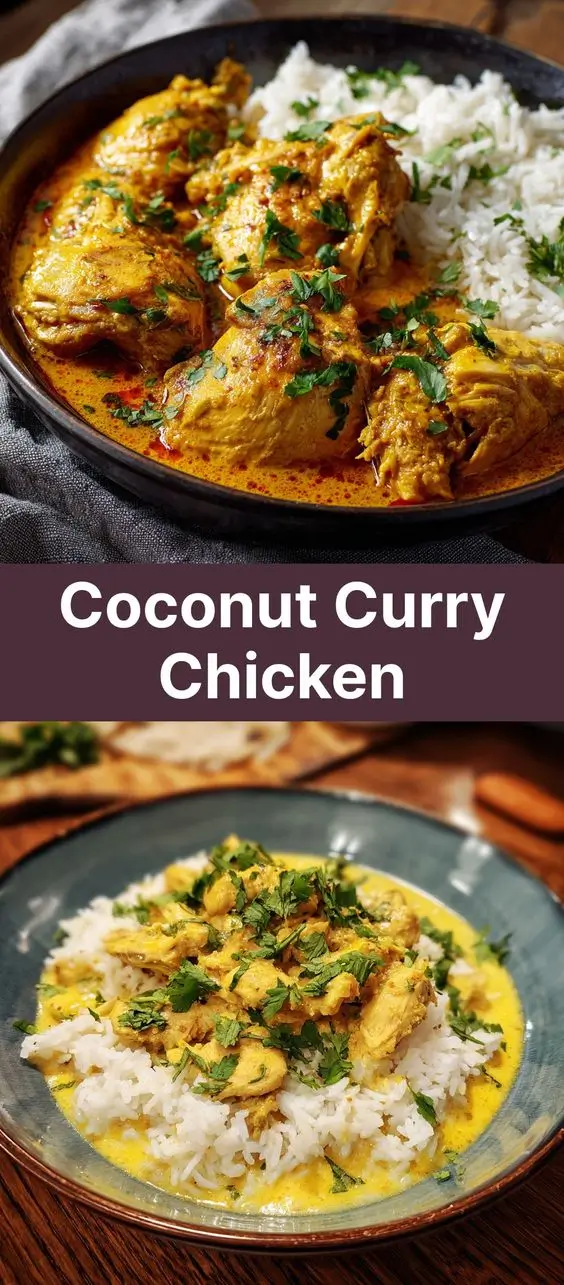
There’s something deeply comforting about a warm bowl of Coconut Curry Chicken. Rich, creamy, and aromatic, this dish brings together the boldness of spices with the soothing sweetness of coconut milk. Whether served over steaming basmati rice or alongside warm naan bread, it’s a meal that satisfies the soul and awakens the senses. In this comprehensive guide, we’ll dive into every aspect of this beloved dish—from its historical roots to the science behind its ingredients, step-by-step cooking instructions, variations, health benefits, and everything in between.
The History of Coconut Curry Chicken
Curry, as a culinary tradition, spans centuries and continents, with its origins deeply rooted in South Asia—particularly India, Sri Lanka, Thailand, and Malaysia. The word “curry” itself is an anglicized version of the Tamil word kari, meaning sauce or relish for rice. While curries vary widely across regions, one common thread is the use of spices, aromatics, and liquid bases such as coconut milk, yogurt, or stock.
Coconut Curry Chicken, specifically, finds its most iconic expression in Southeast Asian and South Indian cuisines. In countries like Thailand and Malaysia, coconut milk is a staple ingredient in curries due to the abundance of coconut palms along coastal regions. Over time, as trade routes expanded, spices and cooking techniques traveled across borders, leading to fusion dishes like Coconut Curry Chicken that blend Indian spice profiles with Southeast Asian creaminess.
Colonial influences also played a role. British colonization introduced European palates to curry, which eventually evolved into milder versions popularized in Western countries. However, traditional Coconut Curry Chicken remains true to its bold, complex flavors—a testament to centuries of culinary evolution, cultural exchange, and regional pride.
Ingredients Breakdown: What Makes This Dish Shine?
The magic of Coconut Curry Chicken lies in the harmony of its ingredients. Each component contributes not only flavor but also texture, aroma, and nutritional value. Let’s explore them in detail:
- Chicken (boneless, skinless thighs or breasts): Thighs are preferred for their tenderness and ability to absorb flavors without drying out during cooking.
- Coconut milk: Full-fat canned coconut milk provides richness and creaminess. It acts as the base of the sauce and balances the heat from the spices.
- Onion: Yellow or white onions add sweetness and depth when sautéed until translucent.
- Garlic and ginger: These aromatics form the flavor foundation. Freshly minced garlic and grated ginger lend pungency and warmth.
- Curry powder or paste: Store-bought or homemade blends typically include turmeric, coriander, cumin, fenugreek, mustard seeds, and chili. Thai red or green curry paste can be used for a more authentic Southeast Asian twist.
- Turmeric: Adds earthy flavor and vibrant yellow color. Also known for anti-inflammatory properties.
- Cumin and coriander: Whole or ground, these spices enhance warmth and complexity.
- Chili peppers or cayenne pepper: Adjust according to desired heat level. Fresh bird’s eye chilies pack a punch, while cayenne offers consistent spiciness.
- Lime juice: Brightens the dish at the end, cutting through the richness.
- Fresh cilantro (coriander leaves): Used as garnish, adding freshness and herbal notes.
- Vegetable oil or coconut oil: For sautéing; coconut oil enhances the tropical flavor profile.
- Optional additions: Bell peppers, carrots, potatoes, peas, bamboo shoots, or spinach can be added for extra texture and nutrition.
Every ingredient plays a purpose—whether it’s building layers of flavor, enhancing mouthfeel, or contributing to the dish’s visual appeal.
Step-by-Step Recipe: How to Make Perfect Coconut Curry Chicken at Home
Follow this detailed recipe to create a restaurant-quality Coconut Curry Chicken in your own kitchen. This version serves 4–6 people and takes approximately 45 minutes from prep to plate.
Ingredients
- 1.5 lbs (700g) boneless, skinless chicken thighs, cut into bite-sized pieces
- 2 tbsp coconut oil or vegetable oil
- 1 large yellow onion, finely chopped
- 4 cloves garlic, minced
- 1 tbsp fresh ginger, grated
- 1–2 green chilies, sliced (optional)
- 3 tbsp curry powder (or 2 tbsp Thai red curry paste)
- 1 tsp ground turmeric
- 1 tsp ground cumin
- 1 tsp ground coriander
- 1/2 tsp cayenne pepper (adjust to taste)
- 1 can (13.5 oz / 400ml) full-fat coconut milk
- 1 cup chicken broth (low sodium preferred)
- 1 tbsp fish sauce (optional, for umami depth)
- 1 tbsp brown sugar or palm sugar (optional, to balance acidity)
- Juice of 1 lime
- Salt, to taste
- Fresh cilantro, chopped (for garnish)
- Cooked basmati rice or jasmine rice (for serving)
- Naan bread or roti (optional side)
Directions
- Prepare Ingredients: Chop all vegetables, mince garlic, grate ginger, and cut chicken into uniform pieces to ensure even cooking.
- Sauté Aromatics: Heat oil in a large, heavy-bottomed pot or Dutch oven over medium heat. Add chopped onion and cook for 5–7 minutes until soft and golden. Stir in garlic, ginger, and chilies; cook for another 1–2 minutes until fragrant.
- Bloom the Spices: Reduce heat to low. Add curry powder, turmeric, cumin, coriander, and cayenne. Stir constantly for 30–60 seconds to toast the spices—this unlocks their essential oils and intensifies flavor. Be careful not to burn them.
- Cook the Chicken: Increase heat to medium. Add chicken pieces and stir well to coat with the spice mixture. Cook for 5–7 minutes until the outside of the chicken is no longer pink.
- Add Liquids: Pour in coconut milk and chicken broth. Stir in fish sauce and sugar if using. Bring the mixture to a gentle simmer. Do not boil vigorously, as coconut milk may separate.
- Simmer: Cover and reduce heat to low. Let the curry simmer for 20–25 minutes, stirring occasionally, until the chicken is tender and fully cooked through. If adding vegetables like potatoes or carrots, include them after 10 minutes of simmering.
- Finish with Lime Juice: Once the chicken is done, remove from heat. Stir in freshly squeezed lime juice. Taste and adjust seasoning—add salt, more lime, or a pinch of sugar as needed.
- Garnish and Serve: Sprinkle generously with fresh cilantro. Serve hot over fluffy basmati rice with naan bread on the side for scooping up every last drop of sauce.
Tips for the Best Coconut Curry Chicken
- Use full-fat coconut milk: Light coconut milk will result in a thinner, less creamy sauce. Shake the can well before opening, or stir thoroughly if separated.
- Don’t skip blooming spices: Toasting spices in oil releases their volatile compounds, dramatically enhancing flavor.
- Marinate the chicken (optional): For deeper flavor, marinate chicken in half the spice mix and lime juice for 30 minutes to 2 hours before cooking.
- Control the heat: Simmer gently. Boiling can cause coconut milk to curdle. If separation occurs, whisk vigorously or blend briefly with an immersion blender.
- Balancing flavors: A great curry has balance—sweet (coconut), salty (fish sauce/salt), sour (lime), spicy (chili), and umami (spices, chicken). Adjust each element to your taste.
- Let it rest: Like many stews and curries, Coconut Curry Chicken tastes even better the next day as flavors continue to meld.
- Freezing: This dish freezes beautifully for up to 3 months. Cool completely, store in airtight containers, and reheat gently on the stove.
Variations and Customizations
One of the greatest strengths of Coconut Curry Chicken is its adaptability. Here are some delicious ways to customize it:
- Vegetarian/Vegan Version: Replace chicken with chickpeas, tofu, mushrooms, sweet potatoes, or lentils. Use vegetable broth instead of chicken broth.
- Thai-Inspired Red Curry Chicken: Use Thai red curry paste instead of dry spices. Add kaffir lime leaves, Thai basil, and bamboo shoots for authenticity.
- Green Curry Chicken: Substitute with green curry paste and add zucchini, green beans, and Thai eggplant.
- Malaysian Rendang Style: Cook longer (1.5–2 hours) over low heat until the sauce reduces into a thick, caramelized coating. Add lemongrass, galangal, and dried chilies.
- Indian Coconut Curry: Use garam masala, ground fennel, and mustard seeds. Add tomatoes and serve with roti or paratha.
- Spicy Level: Adjust heat with more chilies, cayenne, or hot sauce. For mild versions, omit chilies entirely and use mild curry powder.
- Add Vegetables: Carrots, bell peppers, spinach, broccoli, cauliflower, or peas make nutritious additions. Add delicate greens like spinach in the last 5 minutes.
- Creamier Texture: Blend part of the sauce with an immersion blender for a silkier consistency.
- Gluten-Free Option: Ensure curry powder and fish sauce are gluten-free (many brands are). Use tamari instead of soy-based sauces if needed.
- Keto-Friendly: Omit sugar and serve over cauliflower rice. Use low-carb vegetables like zucchini and mushrooms.
Health Considerations and Nutritional Value
When prepared thoughtfully, Coconut Curry Chicken can be a nutritious and balanced meal. Let’s examine its key components:
- Chicken: High-quality lean protein supports muscle repair and satiety. Thighs contain slightly more fat than breasts but offer richer flavor and juiciness.
- Coconut Milk: Contains medium-chain triglycerides (MCTs), which are metabolized differently than long-chain fats and may support energy and metabolism. However, it’s high in saturated fat—moderation is key, especially for those monitoring cholesterol.
- Spices: Turmeric contains curcumin, a powerful anti-inflammatory compound. Cumin and coriander aid digestion and provide antioxidants.
- Ginger and Garlic: Known for immune-boosting and antimicrobial properties.
- Low in Carbohydrates (without rice): The curry base is naturally low in carbs, making it suitable for low-sugar diets when paired appropriately.
- Sodium Content: Can be high depending on broth, fish sauce, and added salt. Opt for low-sodium versions and control seasoning yourself.
- Fiber Boost: Adding vegetables increases fiber content, supporting gut health and helping regulate blood sugar.
Nutritional Estimate (per serving, without rice, based on 6 servings):
| Nutrient | Amount |
|---|---|
| Calories | ~320 kcal |
| Protein | 28g |
| Total Fat | 20g |
| Saturated Fat | 14g |
| Carbohydrates | 6g |
| Dietary Fiber | 2g |
| Sugars | 4g (naturally occurring) |
| Sodium | ~500mg (varies by ingredients) |
This dish is rich in protein and healthy fats, moderately high in calories due to coconut milk, and nutrient-dense when loaded with vegetables. It fits well within Mediterranean, paleo, and flexitarian eating patterns when customized accordingly.
Frequently Asked Questions (FAQ)
Q: Can I use chicken breast instead of thighs?
A: Yes, but chicken breast cooks faster and can dry out. Reduce simmering time to 12–15 minutes and avoid overcooking. Marinating helps retain moisture.
Q: My curry is too thin. How do I thicken it?
A: Simmer uncovered for 5–10 minutes to reduce the liquid. Alternatively, mix 1 tsp cornstarch with 1 tbsp cold water and stir in, then simmer for 2 minutes until thickened.
Q: Can I make this in a slow cooker?
A: Absolutely! Sauté aromatics and spices first, then transfer to a slow cooker. Add chicken and liquids. Cook on low for 6–7 hours or high for 3–4 hours. Finish with lime juice before serving.
Q: Is canned coconut milk healthy?
A: Yes, in moderation. Look for BPA-free cans and brands without additives like gums or emulsifiers. Shake well before using.
Q: Can I freeze leftovers?
A: Yes, freeze in portion-sized containers for up to 3 months. Thaw overnight in the fridge and reheat gently on the stove with a splash of water or broth.
Q: Why did my coconut milk separate?
A: High heat or rapid boiling can cause separation. Always simmer gently. If it happens, whisk vigorously or blend briefly to re-emulsify.
Q: What can I substitute for fish sauce?
A: Soy sauce or tamari works in a pinch, though it lacks the umami depth. For vegan option, use coconut aminos or a dash of mushroom soy sauce.
Q: Can I make this nut-free?
A: Yes—coconut is technically a fruit, not a nut, and most people with tree nut allergies can safely consume coconut. However, consult a healthcare provider if allergies are severe.
Summary
Coconut Curry Chicken is a luscious, aromatic dish that combines tender chicken with a creamy coconut sauce infused with warming spices, creating a deeply satisfying meal rooted in global culinary traditions. Easy to customize and rich in flavor and nutrition, it’s a versatile favorite for weeknight dinners or special gatherings.