Introduction
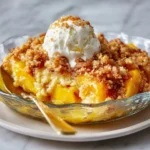
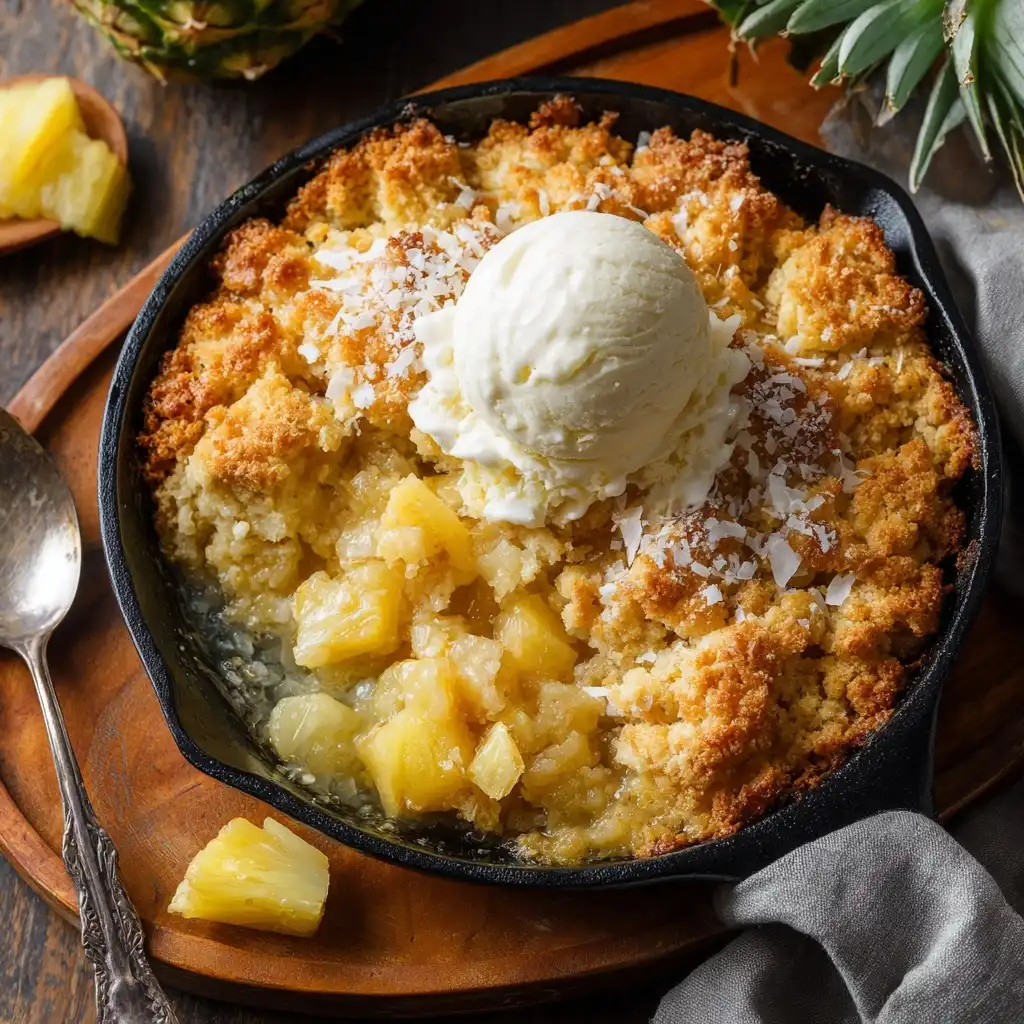
Coconut Pineapple Cobbler is a luscious, tropical-inspired dessert that marries the bright, tangy sweetness of ripe pineapple with the rich, creamy nuttiness of coconut—then tops it all off with a golden, buttery, biscuit-like crust. This comforting classic evokes sun-drenched beaches, lazy afternoons, and the gentle aroma of toasted coconut wafting through a warm kitchen. Unlike traditional cobblers that rely on berries or stone fruits, this version celebrates the vibrant synergy between two quintessential island ingredients—creating a dessert that’s both refreshingly zesty and deeply satisfying. Whether served warm from the oven with a scoop of vanilla bean ice cream or chilled the next day with a drizzle of coconut cream, Coconut Pineapple Cobbler bridges the gap between rustic homestyle baking and exotic sophistication. It’s more than just a dessert—it’s a sensory vacation in every bite.
The History
The cobbler—a beloved American baked fruit dessert with a biscuit or cake-like topping—traces its roots to 18th-century colonial kitchens, where resourceful cooks adapted English “cobbled” pastry techniques using simple, accessible ingredients like flour, lard, sugar, and seasonal fruit. As settlers moved south and west—and especially following increased trade with the Caribbean and Pacific Islands in the late 19th and early 20th centuries—tropical fruits like pineapple began appearing in regional recipes. Pineapple, once a symbol of wealth and hospitality (due to its rarity and cost), became more widely available after James Dole’s Hawaiian pineapple plantations scaled production in the early 1900s. Meanwhile, shredded and desiccated coconut gained popularity in U.S. pantries after World War II, thanks to improved shipping, canning, and marketing by brands like Baker’s and Coco Lopez. The fusion of pineapple and coconut emerged organically in Southern, Floridian, and Hawaiian home kitchens—where cooks layered local abundance with pantry staples to create new traditions. By the 1950s and 60s, recipes for “Pineapple-Coconut Crisp,” “Tropical Cobbler,” and “Island Cobbler” appeared in community cookbooks, women’s magazines like Good Housekeeping and Ladies’ Home Journal, and church fundraiser collections—often featuring canned pineapple, boxed cake mix shortcuts, and sweetened flaked coconut. Today’s Coconut Pineapple Cobbler honors that legacy while embracing modern preferences: whole-food sweeteners, gluten-free options, scratch-made biscuit toppings, and an emphasis on texture contrast—juicy fruit base, tender crumb, and crisp, caramelized edges.
Ingredients Breakdown
Every exceptional Coconut Pineapple Cobbler begins with intention—understanding not just *what* goes into the dish, but *why* each ingredient matters:
- Pineapple: Fresh, frozen, or well-drained canned pineapple (preferably in juice—not syrup) provides natural acidity and enzymatic brightness that balances sweetness and prevents cloying heaviness. Bromelain—the enzyme in fresh pineapple—also subtly tenderizes surrounding ingredients, yielding a more cohesive, lush filling.
- Coconut: A triple-layered coconut presence elevates depth and texture: unsweetened shredded coconut adds chew and toasted aroma; coconut milk (full-fat, canned) contributes fat, richness, and silkiness to the base; and toasted coconut flakes or chips garnish the top for visual appeal and crunch.
- Thickener: Cornstarch is the gold standard for clarity and neutral flavor, but arrowroot (for paleo/vegan needs) or tapioca starch (for extra gloss and cling) offer excellent alternatives. Too little leads to runny cobbler; too much creates gummy, starchy puddles.
- Sweetener: A blend of granulated cane sugar and brown sugar delivers balanced sweetness with molasses notes that complement coconut’s earthiness. Maple syrup, coconut sugar, or monk fruit blends may be substituted—but adjustments to liquid and acid may be needed to preserve structure.
- Acid & Aromatics: A splash of fresh lime or lemon juice heightens pineapple’s vibrancy and cuts through fat, while pure vanilla extract (or scraped vanilla bean) and a whisper of ground nutmeg or cardamom add warmth and complexity without overpowering.
- Cobbler Topping: A hybrid of biscuit and coffee cake—made with all-purpose (or gluten-free) flour, cold butter or coconut oil, leavening (baking powder + baking soda for lift and tenderness), buttermilk or coconut milk for tang and moisture, and a touch of turbinado sugar for sparkle and crunch. The key is minimal mixing—just until shaggy—to ensure a tender, flaky, yet sturdy crust that crowns—not drowns—the fruit.
Step-by-Step Recipe
- Prep & Preheat: Position oven rack in the lower third. Preheat oven to 375°F (190°C). Generously grease a 9×13-inch ceramic or metal baking dish (or two 8×8-inch dishes for portion control).
- Prepare the Fruit Base: In a large bowl, combine 4 cups diced pineapple (fresh, thawed frozen, or drained canned), ½ cup unsweetened shredded coconut, ¾ cup granulated sugar, ⅓ cup packed light brown sugar, 3 tbsp cornstarch, 1 tbsp fresh lime juice, 1 tsp pure vanilla extract, ¼ tsp ground nutmeg, and a pinch of sea salt. Gently fold with a silicone spatula until evenly coated. Let sit 15 minutes to macerate and release juices.
- Toast the Coconut (Optional but Recommended): While fruit rests, spread ½ cup unsweetened shredded coconut on a parchment-lined baking sheet. Toast in preheating oven for 4–6 minutes, stirring once, until fragrant and golden. Cool completely—this intensifies flavor and prevents clumping in the base.
- Make the Topping Batter: In a medium bowl, whisk together 1¾ cups all-purpose flour, 2 tsp baking powder, ½ tsp baking soda, ½ tsp salt, and ¼ cup granulated sugar. Grate 6 tbsp cold, unsalted butter (or solid coconut oil) directly into the flour mixture. Using a pastry cutter or fingers, work fat into pea-sized crumbs. Stir in ¾ cup cold full-fat coconut milk (well-shaken) and 2 tbsp buttermilk (or coconut yogurt + ½ tsp vinegar). Mix *just* until a shaggy dough forms—do not overwork. Fold in ⅓ cup toasted coconut.
- Assemble with Care: Pour pineapple mixture into prepared dish, spreading evenly. Drop heaping ¼-cup portions of batter across the surface—do not flatten. Leave small gaps between mounds for steam escape and even baking. Sprinkle generously with turbinado sugar and additional toasted coconut flakes.
- Bake to Perfection: Place dish on a parchment- or foil-lined baking sheet (to catch potential bubbles). Bake 45–55 minutes, rotating halfway, until topping is deeply golden, puffed, and springy to the touch—and fruit bubbling vigorously at the edges. Internal temperature of filling should reach 205°F (96°C) for optimal thickening.
- Cool & Set: Remove from oven and let rest *undisturbed* for at least 30 minutes. This crucial step allows starches to fully gel, preventing a soupy collapse when sliced. For clean servings, cool 1–2 hours—or refrigerate overnight and re-warm gently before serving.
Tips
- Drain Like a Pro: If using canned pineapple, rinse thoroughly under cold water, then press gently in a fine-mesh strainer—not just to remove syrup, but to eliminate excess dissolved sugars that can make the base overly thin and caramelize too aggressively.
- Chill Your Fat: Butter or coconut oil must be *cold*—even slightly frozen—for flaky, distinct layers in the topping. Warm fat melts too quickly, resulting in dense, greasy dough.
- Don’t Skip the Rest: Allowing the fruit mixture to macerate draws out natural juices and dissolves sugar/starch evenly—leading to consistent thickening and deeper flavor integration.
- Embrace Texture Contrast: Use a mix of coconut forms: fine unsweetened shreds in the base for subtle chew, medium-toast flakes in the batter for nutty depth, and large toasted chips on top for dramatic crunch and visual flair.
- Watch the Oven, Not Just the Timer: Ovens vary wildly. Begin checking at 40 minutes: look for deep amber color on topping edges, audible bubbling around the perimeter, and a clean toothpick inserted into the center of a biscuit mound (not the fruit) coming out with moist crumbs—not wet batter.
- Steam Escape Is Essential: Leaving intentional gaps between batter dollops ensures steam vents properly—preventing soggy centers and promoting even rise and browning.
- Reheat Without Ruining: To serve leftovers, cover loosely with foil and warm at 325°F (160°C) for 15–20 minutes. Avoid microwaving—the topping will turn rubbery and the fruit watery.
- Freeze Smart: Fully baked and cooled cobbler freezes beautifully for up to 3 months. Wrap tightly in plastic + foil. Thaw overnight in fridge, then reheat covered at 325°F until warmed through (30–40 min), uncovering last 10 minutes to recrisp topping.
Variations and Customizations
This recipe is a joyful canvas—adaptable to dietary needs, seasonal produce, pantry limitations, and personal whims:
- Gluten-Free: Substitute 1:1 gluten-free all-purpose flour blend (with xanthan gum) for the flour. Add ½ tsp psyllium husk powder to the dry ingredients for improved binding and rise.
- Vegan: Use cold refined coconut oil instead of butter; replace buttermilk with 2 tbsp apple cider vinegar + coconut milk; ensure sugar is certified vegan (some cane sugar is filtered with bone char); top with maple-sweetened coconut flakes.
- Lower-Sugar: Reduce total sugar by ¼ cup and add 1 tsp stevia glycerite or 2 tbsp monk fruit blend. Boost flavor with extra lime zest, toasted coconut, and a dash of cinnamon.
- Tropical Fusion: Fold in ½ cup diced mango or passionfruit pulp with the pineapple; swap 2 tbsp coconut milk for coconut rum (added after baking, or flambéed pre-topping); garnish with edible orchids or mint.
- Spiced & Sophisticated: Add ¼ tsp ground ginger, ⅛ tsp ground clove, and 1 star anise pod (removed before baking) to the fruit base. Finish with a sprinkle of candied ginger.
- Crunch-Lover’s Dream: Stir ¼ cup chopped macadamia nuts or toasted pecans into the topping batter—and add 2 tbsp crushed graham cracker crumbs to the dry mix for extra texture.
- Mini Individual Cobblers: Divide base and topping among 6–8 lightly greased ramekins (6-oz size). Bake at 375°F for 28–35 minutes until bubbly and golden.
- Breakfast Cobbler: Reduce sugar by half, omit nutmeg, add 1 beaten egg to topping batter, and stir in 2 tbsp chia seeds. Serve warm with Greek yogurt instead of ice cream.
- Grilled Version: Prepare base and uncooked topping. Transfer to a cast-iron skillet, cover with foil, and grill over indirect medium heat (350°F) for 40–45 minutes—rotating every 15 minutes—until golden and set.
Health Considerations and Nutritional Value
While Coconut Pineapple Cobbler is undeniably indulgent, thoughtful ingredient choices transform it into a dessert with meaningful nutritional upside—especially when enjoyed mindfully and in appropriate portions.
Nutrient Highlights:
- Pineapple: Rich in bromelain (a proteolytic enzyme supporting digestion and reducing inflammation), vitamin C (immune support and collagen synthesis), manganese (bone health and antioxidant defense), and dietary fiber (especially when skin-on fresh pineapple is used in compotes).
- Coconut (Unsweetened): Contains medium-chain triglycerides (MCTs) like lauric acid—metabolized differently than long-chain fats and potentially supportive of energy metabolism and satiety. Also provides iron, copper, selenium, and phenolic antioxidants.
- Whole-Grain Option: Substituting ½ cup of the flour with whole wheat pastry flour or oat flour adds B vitamins, magnesium, and soluble fiber—slowing glucose absorption and enhancing fullness.
- Smart Sweetening: Using raw honey or pure maple syrup (in moderation) introduces trace minerals and polyphenols absent in refined sugar—though total added sugar should still align with WHO guidelines (<25g/day).
Dietary Notes:
- Diabetic-Friendly Adaptation: Prioritize fresh pineapple (lower glycemic index than canned), reduce sugar by ⅓, increase fiber with chia or flax, and pair with protein-rich toppings (Greek yogurt, cottage cheese) to blunt blood sugar spikes.
- Allergen Awareness: Naturally nut-free (unless cross-contaminated), dairy-free (when using coconut oil/milk), and egg-free (in standard version). Always verify labels on shredded coconut and baking powder for gluten or soy derivatives.
- Mindful Portioning: A standard 9×13-inch cobbler yields ~12 generous servings. One serving (approx. 1 cup) contains ~320–380 kcal, 45–55g carbs, 5–7g fat, 3–4g protein, and 2–3g fiber—depending on modifications. Serving with ½ cup low-fat Greek yogurt adds 60 kcal and 10g protein—balancing macros significantly.
- Anti-Inflammatory Boost: Enhance with 1 tsp turmeric (paired with black pepper) in the fruit base, or top with crushed walnuts (omega-3s) and blueberry compote (anthocyanins).
Ingredients
Makes 12 servings
- Fruit Base:
- 4 cups fresh pineapple, peeled, cored, and diced (about 2 medium pineapples) — OR 2 (20-oz) cans unsweetened pineapple chunks in juice, well-drained and patted dry
- ½ cup unsweetened shredded coconut (plus extra for garnish)
- ¾ cup granulated cane sugar
- ⅓ cup packed light brown sugar
- 3 tablespoons cornstarch (or arrowroot/tapioca starch)
- 1 tablespoon fresh lime juice (or lemon)
- 1 teaspoon pure vanilla extract
- ¼ teaspoon freshly grated nutmeg
- ¼ teaspoon fine sea salt
- Topping:
- 1¾ cups all-purpose flour (or certified GF 1:1 blend)
- 2 teaspoons baking powder
- ½ teaspoon baking soda
- ½ teaspoon fine sea salt
- ¼ cup granulated sugar
- 6 tablespoons cold unsalted butter (or solid refined coconut oil)
- ¾ cup full-fat canned coconut milk (well shaken)
- 2 tablespoons buttermilk (or 1 tbsp vinegar + 1 tbsp coconut milk)
- ⅓ cup toasted unsweetened shredded coconut
- 2–3 tablespoons turbinado (raw) sugar, for sprinkling
- For Serving (Optional):
- Vanilla bean ice cream
- Toasted coconut chips
- Fresh mint leaves
- Lime wedges
- Whipped coconut cream (chilled full-fat coconut milk whipped with 1 tbsp powdered sugar and ½ tsp vanilla)
Directions
- Preheat & Prep: Adjust oven rack to lower third position. Preheat oven to 375°F (190°C). Lightly grease a 9×13-inch baking dish (or two 8×8-inch dishes) with coconut oil or butter.
- Toast Coconut: Spread ½ cup unsweetened shredded coconut on a small parchment-lined baking sheet. Toast in preheating oven for 4–6 minutes, stirring once, until golden and fragrant. Let cool completely.
- Make Fruit Mixture: In a large bowl, combine pineapple, cooled toasted coconut, granulated sugar, brown sugar, cornstarch, lime juice, vanilla, nutmeg, and salt. Gently fold with a silicone spatula until evenly coated. Let stand at room temperature for 15 minutes to macerate.
- Make Topping Batter: In a medium bowl, whisk flour, baking powder, baking soda, salt, and ¼ cup granulated sugar. Grate cold butter (or coconut oil) into mixture. Cut in with a pastry cutter or fingers until mixture resembles coarse meal with some pea-sized pieces. Stir in coconut milk and buttermilk just until shaggy dough forms—do not overmix. Fold in ⅓ cup toasted coconut.
- Assemble: Pour fruit mixture into prepared baking dish, spreading evenly. Drop batter by heaping ¼-cup portions across surface, leaving ½-inch gaps between mounds. Do not flatten.
- Top & Bake: Sprinkle generously with turbinado sugar and additional toasted coconut. Place dish on a parchment- or foil-lined half-sheet pan. Bake 45–55 minutes, rotating pan halfway, until topping is deep golden brown, puffed, and springy—and fruit is bubbling vigorously at edges.
- Cool & Serve: Let cobbler rest untouched for at least 30 minutes (ideally 1–2 hours) before serving. Serve warm or at room temperature, topped with vanilla ice cream or coconut cream and extra toasted coconut.
FAQ
- Can I use sweetened shredded coconut?
- Yes—but reduce total sugar in the fruit base by ¼ cup to compensate for added sweetness and moisture. Sweetened coconut also browns faster—watch closely during final 10 minutes of baking.
- Why does my cobbler sink in the center?
- Most often due to underbaking (starch hasn’t fully gelatinized), opening the oven too early (causing steam collapse), or overmixing the topping batter (developing gluten = tough, dense rise). Ensure internal temperature reaches 205°F and resist peeking before 40 minutes.
- Can I prepare this ahead of time?
- Absolutely. Assemble the fruit base and topping separately up to 24 hours ahead; store covered in fridge. Bring topping to cool room temp (10–15 min) before assembling and baking. Or bake fully, cool, refrigerate up to 4 days, and reheat as directed.
- What’s the best pineapple to use?
- Fresh pineapple offers superior flavor, texture, and enzyme activity—but high-quality unsweetened canned pineapple in juice (not syrup) is a reliable, convenient alternative year-round. Avoid “crushed” pineapple—it releases too much water and lacks structural integrity.
- My topping came out tough/dense. What went wrong?
- Overmixing the batter develops gluten—leading to chewiness. Also, using warm butter/oil, substituting milk for coconut milk (less fat = less tenderness), or skipping the baking soda (which reacts with acid to lift) can cause denseness. Always use cold fat and follow mixing instructions precisely.
- Can I make this dairy-free and still get great texture?
- Yes—refined coconut oil mimics butter’s solidity and melting point perfectly. Full-fat coconut milk adds richness and acidity for leavening. Just ensure your baking powder is aluminum-free and gluten-free if needed.
- How do I prevent a soggy bottom?
- Key strategies: drain pineapple extremely well, use adequate cornstarch (don’t skimp), let fruit macerate (so starch hydrates fully), and bake on a preheated lower rack—heat rises upward, crisping the base first. A light dusting of flour on the dish bottom also helps absorb initial moisture.
- Can I freeze unbaked cobbler?
- Yes—with caveats. Assemble fully (fruit + raw topping), cover tightly with plastic wrap + foil, and freeze up to 3 months. Thaw overnight in fridge, then bake 10–15 minutes longer than usual—cover with foil first 25 minutes to prevent over-browning, then uncover to finish.
- Is there a way to make this lower in calories?
- Reduce sugar by ¼ cup, substitute ¼ cup applesauce for part of the coconut milk in topping, use whole wheat pastry flour, and top with non-dairy Greek-style yogurt instead of ice cream. Each tweak saves ~30–50 kcal per serving without sacrificing satisfaction.
- What pairs well with Coconut Pineapple Cobbler besides ice cream?
- Try toasted coconut whipped cream, lime-infused crème fraîche, grilled pineapple skewers, coconut-lime sorbet, mango coulis, or a drizzle of reduced coconut milk caramel. For savory contrast: a pinch of flaky sea salt or candied jalapeño ribbons.
Summary
Coconut Pineapple Cobbler is a radiant, multi-sensory celebration of tropical abundance—where tart-sweet pineapple melds with velvety coconut milk and toasted coconut shreds beneath a golden, tender-crisp biscuit crown. It’s a dessert steeped in American ingenuity and island inspiration, endlessly adaptable to dietary needs and seasonal moods—equally at home on a holiday table, a weeknight treat, or a summer potluck centerpiece.
With its balance of bright acidity, rich umami depth, textural intrigue, and nostalgic comfort, this cobbler doesn’t just satisfy the sweet tooth—it transports, uplifts, and reminds us that the most memorable desserts are those made with generosity, curiosity, and a generous handful of toasted coconut.