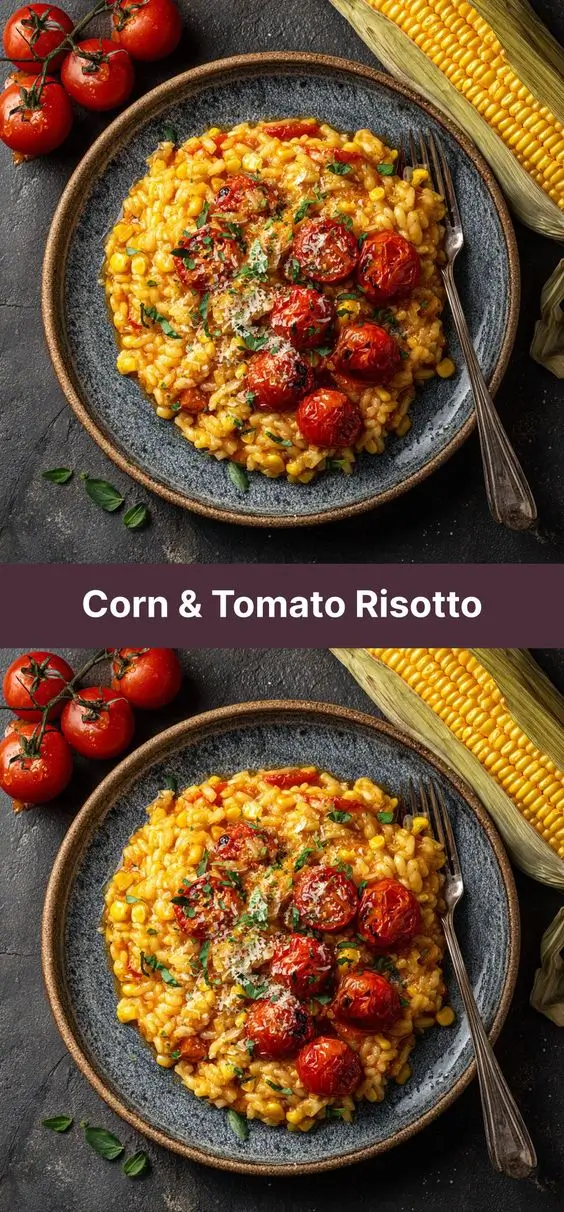
Corn & Tomato Risotto: A Creamy, Vibrant Twist on a Classic
The History of Risotto and Its Modern Evolution
Risotto, a quintessential Italian dish hailing from the northern regions—particularly Lombardy and Veneto—has long been celebrated for its rich, creamy texture and luxurious mouthfeel. Traditionally made with Arborio, Carnaroli, or Vialone Nano rice, risotto was originally a humble peasant meal that evolved into a gourmet staple thanks to its versatility and ability to absorb flavors beautifully. The method of slowly adding warm broth to rice, stirring continuously, allows the grains to release their starch, creating a velvety consistency without the need for cream.
While classic versions like Risotto alla Milanese (saffron-infused) or Risotto ai Funghi (with mushrooms) remain timeless, modern chefs and home cooks alike have embraced innovation. Enter the Corn & Tomato Risotto—a contemporary fusion that marries the sweetness of summer corn with the bright acidity of ripe tomatoes. This dish reflects a broader culinary trend of incorporating seasonal, colorful vegetables into traditional formats, making risotto not only more nutritious but also visually stunning. Inspired by Mediterranean summers and garden-fresh produce, this version brings a cheerful, sun-kissed flair to the dinner table.
Ingredients Breakdown: Why Each Component Matters
The beauty of risotto lies in its simplicity and balance. Every ingredient plays a crucial role in building flavor, texture, and depth. Here’s an in-depth look at what goes into a perfect Corn & Tomato Risotto:
- Arborio Rice: The star of any risotto. High in amylopectin starch, it gives the dish its signature creaminess while maintaining a slight bite (al dente).
- Fresh Sweet Corn: Adds natural sweetness and a pop of juicy texture. Fresh kernels are ideal, but frozen can work in a pinch (thawed and drained).
- Ripe Cherry or Campari Tomatoes: Bursting with juice and tang, they cut through the richness of the rice. Halved or quartered, they release their essence during cooking.
- Shallot or Yellow Onion: Provides a sweet, aromatic base. Shallots offer a more delicate flavor, enhancing without overpowering.
- Garlic: Adds depth and warmth. Minced finely to distribute evenly.
- Dry White Wine: Deglazes the pan and adds acidity and complexity. Choose something crisp and unoaked, like Pinot Grigio or Sauvignon Blanc.
- Vegetable or Chicken Broth: Warm and gradually incorporated, it hydrates the rice and builds layers of savory flavor. Homemade is best, but low-sodium store-bought works well.
- Unsalted Butter: Used at the beginning for sautéing and at the end for finishing (“mantecatura”), it enriches the risotto’s silkiness.
- Extra Virgin Olive Oil: Complements butter with a fruity note and helps prevent sticking.
- Fresh Basil or Parsley: Adds herbal brightness. Basil pairs especially well with tomatoes and corn.
- Grated Parmesan Cheese: Salty, nutty, and umami-rich, it melts into the rice to enhance creaminess.
- Salt and Freshly Ground Black Pepper: Essential for seasoning at every stage.
- Lemon Zest (optional): A subtle twist that lifts the entire dish with citrusy aroma.
Step-by-Step Recipe: Crafting the Perfect Corn & Tomato Risotto
- Prepare Ingredients: Mise en place is key. Measure out 4–5 cups of warm broth and keep it simmering in a saucepan. Shuck the corn and scrape kernels off the cob. Halve the tomatoes. Finely dice the shallot and mince the garlic. Grate the Parmesan and chop the herbs.
- Sauté Aromatics: In a heavy-bottomed pot or Dutch oven, heat 1 tbsp olive oil and 1 tbsp butter over medium heat. Add the shallot and a pinch of salt, cooking until translucent (about 3 minutes). Stir in the garlic and cook for another 30 seconds until fragrant.
- Toast the Rice: Add 1½ cups Arborio rice. Stir constantly for 2–3 minutes until the grains are well-coated and slightly translucent around the edges. This step enhances nuttiness and prevents mushiness.
- Deglaze with Wine: Pour in ½ cup dry white wine. Stir continuously as it bubbles and is absorbed—this should take about 2 minutes. The alcohol evaporates, leaving behind acidity and depth.
- Begin Adding Broth: Add 1 ladle (about ½ cup) of warm broth. Stir gently and allow the liquid to be mostly absorbed before adding the next ladle. Repeat this process, stirring often, for about 15–18 minutes. The rice should be tender but still chewy.
- Incorporate Corn and Tomatoes: After about 12 minutes of cooking, stir in the fresh corn kernels and halved tomatoes. Their juices will meld with the broth, enhancing both flavor and color.
- Check for Doneness: The risotto is ready when the rice is al dente—tender with a slight resistance in the center. It should flow slowly when spooned, known as “all’onda” (wavy).
- Finish with Butter and Cheese: Remove from heat. Stir in 2 tbsp cold butter, a handful of grated Parmesan, and most of the chopped basil. This final step creates a glossy, creamy texture.
- Season and Rest: Taste and adjust salt and pepper. Cover and let sit for 2 minutes—the risotto will continue to thicken slightly.
- Serve Immediately: Spoon into warm bowls. Garnish with extra Parmesan, a drizzle of olive oil, fresh basil leaves, and a twist of lemon zest if desired.
Tips for Success: Mastering Your Risotto Technique
- Use Warm Broth: Cold liquid shocks the rice, slowing cooking and leading to uneven texture. Keep your broth in a separate pot over low heat.
- Stir Frequently, Not Constantly: Stirring releases starch, but over-stirring can make the risotto gluey. Aim for regular, gentle stirring every 30–60 seconds.
- Don’t Rush: Authentic risotto takes time—typically 18–22 minutes. Patience ensures proper starch development and even absorption.
- Taste as You Go: Check the rice’s texture starting at minute 15. Undercooked rice is chalky; overcooked turns mushy.
- Choose the Right Pan: A wide, shallow pot increases surface area, promoting even evaporation and consistent cooking.
- Add Tomatoes Late: Introduce tomatoes toward the end to preserve their freshness and prevent them from turning mealy.
- Rest Before Serving: Letting the risotto sit covered for 1–2 minutes after finishing allows it to settle into its ideal creamy consistency.
- Serve Immediately: Risotto waits for no one. It continues to absorb liquid and thickens rapidly once off the heat.
Variations and Customizations: Make It Your Own
The Corn & Tomato Risotto is wonderfully adaptable. Whether you’re catering to dietary preferences, using up leftovers, or seeking new flavor dimensions, here are some creative twists:
- Creamier Version: Stir in 2–3 tbsp mascarpone or heavy cream at the end for an ultra-luxurious texture.
- Seafood Addition: Fold in grilled shrimp, scallops, or flaked salmon for a coastal-inspired dish.
- Vegetarian Protein Boost: Add cooked chickpeas, white beans, or crumbled tofu for extra protein.
- Spicy Kick: Infuse heat with red pepper flakes or a dash of harissa paste stirred in at the end.
- Herb Variations: Swap basil for thyme, oregano, chives, or tarragon depending on the season and mood.
- Smoky Flavor: Use roasted corn instead of raw for a deeper, caramelized note. Char the cobs first for extra smokiness.
- Dairy-Free Option: Omit butter and cheese, replacing them with nutritional yeast and a splash of cashew cream for richness.
- Gluten-Free Assurance: Risotto is naturally gluten-free, but confirm that your broth and wine are certified GF if needed.
- Add Greens: Stir in a handful of baby spinach, arugula, or chopped kale just before finishing for added color and nutrients.
- Pantry-Friendly Version: Use canned corn (drained) and sun-dried tomatoes (chopped) when fresh produce isn’t available.
Health Considerations and Nutritional Value
Corn & Tomato Risotto, when prepared mindfully, can be part of a balanced diet. While traditionally rich due to butter and cheese, small modifications can improve its nutritional profile:
- Calories: A standard serving (about 1½ cups) ranges from 400–550 calories, depending on butter and cheese amounts.
- Carbohydrates: Primarily from rice and corn (~60–70g), offering energy and fiber (especially if whole grain alternatives are used).
- Fat: Mainly from butter, cheese, and olive oil. Opting for reduced-fat dairy and less oil lowers saturated fat content.
- Protein: Modest (~8–10g per serving), enhanced by adding legumes or seafood.
- Fiber: Tomatoes and corn contribute dietary fiber (~4–5g), supporting digestion.
- Vitamins and Antioxidants: Tomatoes provide vitamin C, lycopene (a powerful antioxidant), and potassium. Corn offers vitamin B6, folate, and beta-carotene.
- Sodium: Can be high due to cheese and broth. Use low-sodium broth and limit added salt to manage intake.
To make a lighter version: reduce butter by half, use a smaller amount of strongly flavored aged Parmesan (so less is needed), and increase vegetable volume. Serve with a side salad to boost fiber and micronutrients.
Ingredients
- 1½ cups (300g) Arborio rice
- 4–5 cups vegetable or chicken broth, warmed
- 2 tbsp unsalted butter, divided
- 1 tbsp extra virgin olive oil
- 1 medium shallot, finely diced (or ½ small onion)
- 2 cloves garlic, minced
- ½ cup (120ml) dry white wine
- 2 ears fresh corn, kernels removed (or 1 cup frozen, thawed)
- 1 cup cherry or Campari tomatoes, halved
- ½ cup freshly grated Parmesan cheese, plus more for serving
- ¼ cup fresh basil, chopped (plus extra for garnish)
- Salt and freshly ground black pepper, to taste
- Optional: zest of ½ lemon
Directions
- In a medium saucepan, heat the broth until steaming and keep warm over low heat.
- In a large, heavy-bottomed pot or Dutch oven, heat olive oil and 1 tablespoon butter over medium heat.
- Add diced shallot and a pinch of salt. Cook, stirring occasionally, until soft and translucent (about 3 minutes).
- Stir in minced garlic and cook for 30 seconds until fragrant.
- Add Arborio rice. Stir constantly for 2–3 minutes until rice is lightly toasted and coated.
- Pour in white wine. Stir until fully absorbed, about 2 minutes.
- Begin adding warm broth, one ladle at a time, stirring frequently. Wait until most liquid is absorbed before adding more.
- After 12 minutes of cooking, stir in corn kernels and halved tomatoes.
- Continue adding broth and stirring for another 6–10 minutes, until rice is al dente and creamy.
- Remove from heat. Stir in remaining 1 tablespoon butter, Parmesan, chopped basil, and lemon zest (if using).
- Season generously with salt and pepper. Cover and let rest for 2 minutes.
- Serve immediately in warm bowls, garnished with extra Parmesan, basil, and a drizzle of olive oil.
FAQ
Can I make risotto ahead of time?
Best served fresh, but you can partially cook it (stop 5 minutes early), cool quickly, and refrigerate. Reheat gently with extra broth or water to restore creaminess.
Why is my risotto gummy or mushy?
Overcooking or too much liquid causes mushiness. Always taste for doneness and avoid adding broth too quickly.
Can I use other types of rice?
Arborio is ideal. Substitutes like carnaroli or vialone nano work well. Long-grain or jasmine rice won’t yield the same creaminess.
Is risotto vegan?
Traditional risotto isn’t, but you can make it vegan by omitting butter and cheese, using plant-based alternatives, and ensuring the broth is vegan.
Can I freeze Corn & Tomato Risotto?
Freezing alters texture significantly—risotto becomes dense and starchy. Best enjoyed fresh or refrigerated for up to 3 days.
What wine should I use?
A dry, crisp white like Pinot Grigio, Sauvignon Blanc, or Vermentino. Avoid sweet wines—they’ll unbalance the dish.
How do I know when risotto is done?
The rice should be tender with a slight bite (al dente) and the mixture should ripple slowly when shaken—a sign of perfect creaminess (“all’onda”).
Summary
Corn & Tomato Risotto blends the creamy elegance of Italian tradition with the vibrant flavors of summer produce, resulting in a dish that’s as nourishing as it is delightful. With its golden grains, juicy tomatoes, and sweet corn pops, each bite celebrates freshness, balance, and comfort.