Introduction
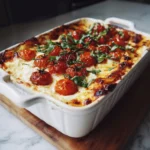
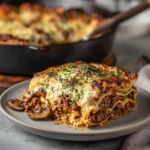
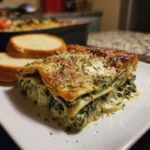
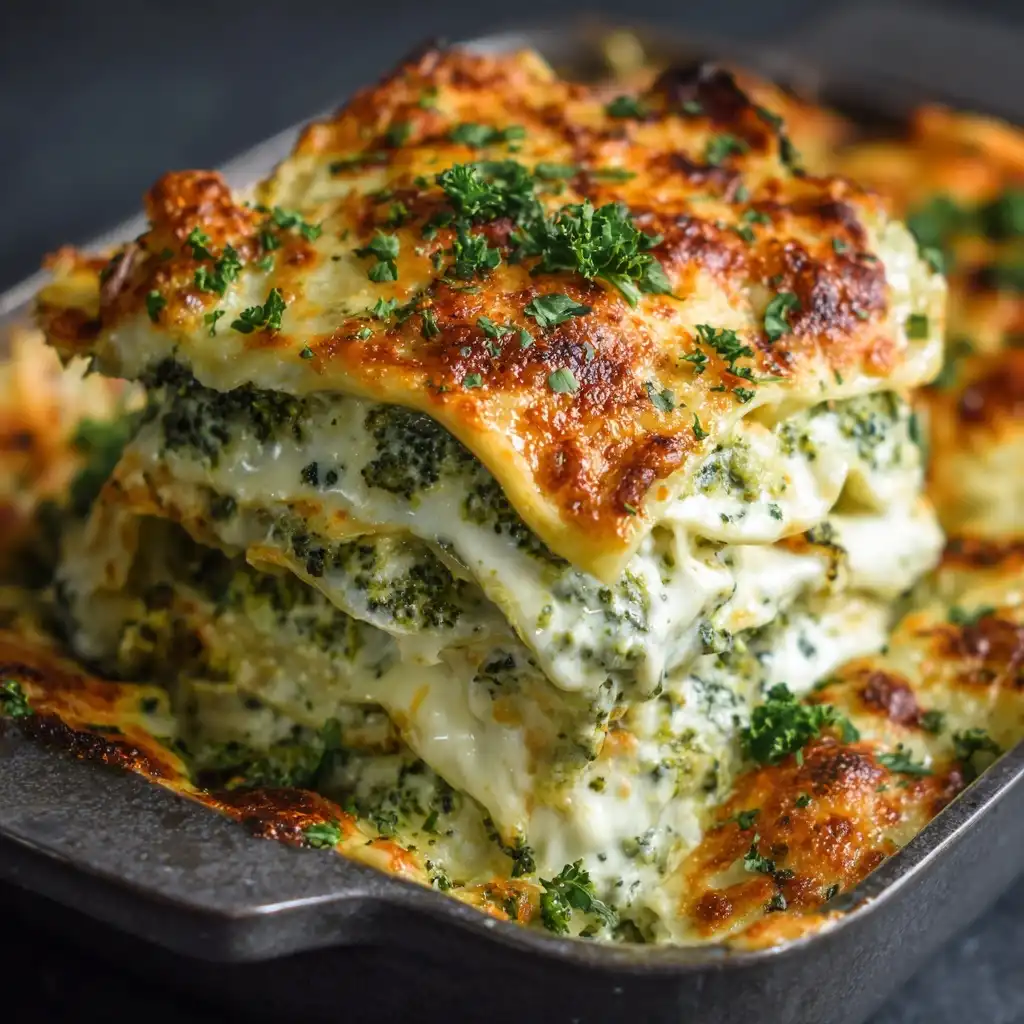
Welcome to a luscious, nutrient-dense reimagining of a beloved classic—Creamy Broccoli Spinach Lasagna. This isn’t your average weeknight casserole; it’s a thoughtfully crafted, deeply flavorful, and wholesomely satisfying layered masterpiece that bridges comfort food tradition with modern, health-conscious sensibilities. Rich in vibrant greens, plant-based protein, calcium-rich dairy (or dairy-free alternatives), and fiber-packed whole grains, this lasagna delivers soul-warming satisfaction without compromise. Whether you’re feeding a bustling family, preparing make-ahead meals for busy weekdays, or hosting guests who appreciate both elegance and heartiness on the plate, this recipe rises to the occasion—with creamy béchamel silkiness, tender-crisp broccoli florets, earthy wilted spinach, and layers of tender no-boil noodles that meld into perfect harmony during baking. It’s hearty enough for skeptics of “vegetable-forward” dishes, yet refined enough to earn compliments from even the most discerning palates.
The History
Lasagna’s roots stretch back over 700 years—to 13th-century Italy, where early versions appeared in the medieval cookbook Liber de Coquina, featuring sheets of pasta layered with grated cheese and spices. The iconic baked, saucy, multi-layered form we recognize today evolved significantly in the Emilia-Romagna region, particularly with the advent of ragù alla bolognese and rich béchamel. While traditional lasagna leaned heavily on meat and tomato, the late 20th and early 21st centuries ushered in a wave of vegetarian reinterpretations driven by rising awareness of plant-based nutrition, sustainability, and culinary creativity. Broccoli and spinach—both staples in Mediterranean gardens for centuries—found natural synergy in lasagna: broccoli contributes texture, sulforaphane-rich phytonutrients, and a subtle sweetness when roasted or blanched; spinach brings iron, folate, and a velvety mouthfeel when properly drained and seasoned. The “creamy” evolution emerged from chefs and home cooks seeking richer mouthfeel without relying solely on heavy cheeses—leading to the widespread adoption of béchamel as a foundational binder and luxurious counterpoint to earthy greens. Today, Creamy Broccoli Spinach Lasagna stands as a delicious testament to culinary adaptation: honoring Italian technique while embracing global produce diversity, dietary inclusivity, and nutritional intelligence.
Ingredients Breakdown
Every ingredient in this lasagna serves a deliberate purpose—balancing flavor, texture, moisture control, structure, and nutrition. Let’s explore them in detail:
- No-Boil Lasagna Noodles (12–15 sheets): Engineered to hydrate fully during baking, these eliminate pre-cooking hassle and reduce risk of mushiness. Opt for whole wheat, high-fiber, or gluten-free varieties depending on dietary needs—just ensure they’re labeled “oven-ready.” Their starch content also helps thicken the surrounding sauces subtly.
- Fresh Broccoli (4–5 cups, small florets): Chosen for its crisp-tender bite, vibrant green hue, and robust nutritional profile (vitamin C, K, potassium, fiber, and glucosinolates). Blanching or quick sautéing before layering preserves color, removes raw bitterness, and prevents excess water release in the oven.
- Fresh Spinach (10–12 oz / ~6–7 packed cups raw): A powerhouse of non-heme iron, magnesium, lutein, and vitamin A. Must be thoroughly washed and *well-wrung* (use a clean kitchen towel or salad spinner) to avoid watery layers—a critical step many overlook.
- Whole Milk Ricotta (2 cups, full-fat recommended): Provides creamy body, mild tang, and essential protein. Full-fat ricotta yields superior richness and binding power; low-fat versions can separate or become grainy. For extra silkiness, blend ricotta with an egg and lemon zest before mixing with herbs.
- Grated Parmigiano-Reggiano (1½ cups, freshly grated): Adds umami depth, saltiness, and a nutty complexity. Pre-grated “Parmesan” often contains anti-caking agents that inhibit melting and create grittiness—always grate fresh for optimal texture and flavor integration.
- Mozzarella (2 cups shredded, low-moisture whole milk): Delivers the iconic stretch and golden-brown blistered top. Low-moisture mozzarella melts evenly without pooling oil; fresh mozzarella is too wet and can make layers soggy.
- Onion & Garlic (1 medium yellow onion, 4 large garlic cloves): Sautéed until fragrant and translucent, they form the aromatic base—building savory depth without overpowering the greens.
- Unsalted Butter (¼ cup) & All-Purpose Flour (¼ cup): The foundation of the velvety béchamel sauce. Butter adds richness and nuttiness when lightly browned; flour provides thickening power. For gluten-free, use a 1:1 GF flour blend.
- Whole Milk (3 cups, warmed): Warmed milk ensures smooth incorporation into the roux without lumps. Whole milk contributes fat-soluble vitamins and creaminess—skim milk yields a thin, less cohesive sauce.
- Nutmeg (¼ tsp freshly grated): A quintessential béchamel enhancer—its warm, sweet-spicy notes elevate the entire dish without detectability. Pre-ground nutmeg lacks potency and aroma.
- Fresh Herbs (¼ cup chopped basil + 2 tbsp chopped parsley): Added at the end for brightness and freshness. Basil complements the broccoli’s sweetness; parsley adds grassy nuance and visual appeal.
- Seasonings (Kosher salt, freshly ground black pepper, red pepper flakes optional): Salt enhances all flavors and draws out moisture from vegetables during prep. Black pepper adds gentle heat and complexity. Red pepper flakes offer a subtle kick—adjust to taste.
Optional but highly recommended upgrades: a splash of white wine when sautéing aromatics, a spoonful of Dijon mustard in the ricotta for tang, or a dusting of toasted pine nuts on top before baking for crunch and luxury.
Step-by-Step Recipe
- Prep the Vegetables (20 minutes): Wash broccoli florets and blanch in salted boiling water for 90 seconds. Immediately transfer to an ice bath, then drain *thoroughly* and pat dry with clean towels. In a large skillet, heat 1 tbsp olive oil over medium heat. Sauté diced onion until soft (~5 min), add minced garlic and cook 30 seconds until fragrant. Stir in spinach in batches, cooking just until wilted (2–3 min total). Remove from heat, transfer to a clean kitchen towel, and squeeze *aggressively* to remove every drop of liquid—this step cannot be overstated.
- Make the Béchamel Sauce (15 minutes): In a heavy-bottomed saucepan, melt butter over medium-low heat. Add flour and whisk constantly for 2 minutes until golden and fragrant (do not brown). Gradually whisk in warm milk, ½ cup at a time, ensuring each addition is fully incorporated and smooth before adding more. Bring to a gentle simmer, reduce heat to low, and cook, stirring constantly with a wooden spoon, for 8–10 minutes until thickened to coat the back of the spoon. Remove from heat, stir in nutmeg, 1 tsp salt, and ½ tsp black pepper. Let cool slightly (10 min) to prevent curdling when mixed with ricotta.
- Prepare the Ricotta Mixture (10 minutes): In a large bowl, combine ricotta, 1 cup Parmigiano-Reggiano, 1 egg, lemon zest (from ½ lemon), 2 tbsp chopped basil, 1 tbsp chopped parsley, 1 tsp salt, and ¼ tsp black pepper. Whisk vigorously until smooth and airy. Gently fold in the cooled, well-drained spinach and blanched broccoli florets—distribute evenly but avoid overmixing to retain texture.
- Assemble the Lasagna (15 minutes): Preheat oven to 375°F (190°C). Lightly grease a 9×13-inch deep baking dish (at least 3 inches deep). Spread ¾ cup béchamel evenly across the bottom. Layer 4 no-boil noodles (slightly overlapping if needed). Top with ⅓ of the ricotta-spinach-broccoli mixture, spreading gently. Drizzle with ½ cup béchamel. Sprinkle with ⅓ of the mozzarella and ¼ cup Parmigiano-Reggiano. Repeat layers twice more (noodles → ricotta mix → béchamel → cheeses), ending with a final noodle layer. Pour remaining béchamel over top, smoothing evenly. Sprinkle remaining mozzarella and Parmigiano-Reggiano generously. Optional: dot with 1 tbsp cold butter pieces for extra browning.
- Bake & Rest (75 minutes total): Cover tightly with greased aluminum foil (prevents drying and promotes even cooking). Bake for 45 minutes. Carefully remove foil and bake uncovered for 20–25 minutes until top is deeply golden, bubbly at edges, and internal temperature reaches 165°F (74°C) when checked with an instant-read thermometer inserted into the center. *Crucially*, let the lasagna rest for a full 25–30 minutes before slicing—this allows starches to set, cheeses to re-emulsify, and layers to firm up for clean cuts.
Tips
- Moisture Is the #1 Enemy: Excess water from spinach or broccoli will turn your lasagna into soup. Always blanch broccoli, shock in ice water, and pat *completely* dry. For spinach: after wilting, place in a clean linen or cotton towel (not terry cloth—it holds water), gather edges, and twist *with serious force* over the sink until no more liquid drips. Repeat if necessary.
- Warm Your Milk for Béchamel: Cold milk hitting hot roux causes lumps. Warm milk in the microwave or on the stovetop (do not boil) before whisking in gradually.
- Low and Slow for Béchamel: Rushing the sauce leads to raw flour taste or scorching. Cook the roux 2 minutes before adding milk; then simmer gently, stirring constantly with a flat-edged wooden spoon—not a whisk—to prevent splashing and ensure even thickening.
- Layer Order Matters: Always start and end with béchamel—not cheese or ricotta. This creates moisture barriers that protect noodles from drying out or becoming gummy. The top layer of béchamel also browns beautifully and seals in steam.
- Resting Is Non-Negotiable: Cutting too soon releases steam and causes layers to slide apart. Set a timer! 25–30 minutes allows the structure to stabilize, resulting in neat, restaurant-quality slices with defined layers.
- Grease That Foil: Lightly brush the underside of the foil with olive oil or butter before covering. This prevents cheese from sticking and makes removal seamless.
- Use a Deep Dish: Standard 9×13 pans are often too shallow for 4+ layers. A deep (3-inch) dish accommodates generous filling without overflow and promotes even heat distribution.
- Test Noodle Doneness: After resting, insert a thin knife into the center. If noodles feel tender but still have slight resistance (al dente), they’re perfect. If mushy, reduce bake time next round; if underdone, cover and bake 5–10 mins longer.
- Double Batch Smartly: Make two trays at once—assemble one, refrigerate unbaked for up to 24 hours (add 10–15 mins covered bake time), and freeze the second (wrap tightly in foil + plastic). Thaw overnight in fridge before baking.
Variations and Customizations
This recipe is a vibrant canvas—adaptable to dietary needs, seasonal produce, pantry staples, and personal taste. Here are inspired, tested variations:
Dietary Adaptations
- Gluten-Free: Use certified GF no-boil lasagna noodles (like Barilla GF or Tinkyada) and a 1:1 GF flour blend for béchamel. Ensure all cheeses are GF-certified (some shredded blends contain gluten fillers).
- Dairy-Free/Vegan: Replace ricotta with blended silken tofu + lemon juice + nutritional yeast; swap béchamel for a cashew-based white sauce (soaked cashews, plant milk, garlic, onion powder, turmeric for color); use vegan mozzarella shreds and nutritional yeast instead of Parmigiano. Add 1 tbsp white miso for umami depth.
- Lower-Carb/Keto: Substitute noodles with thinly sliced zucchini or eggplant (salted, pressed, and roasted first to remove water) or use low-carb lasagna sheets (like almond flour-based). Increase ricotta and cheese volume slightly to compensate.
- High-Protein Boost: Stir ½ cup cooked lentils or crumbled tempeh into the ricotta mixture, or add 1 cup shredded cooked chicken or turkey between layers.
Flavor & Texture Twists
- Roasted Broccoli Version: Toss florets with olive oil, salt, and garlic powder; roast at 425°F for 20–25 minutes until caramelized and tender. Adds deeper, nuttier sweetness.
- Sun-Dried Tomato & Basil: Fold ⅓ cup chopped oil-packed sun-dried tomatoes and 2 tbsp extra basil into ricotta mixture. Adds intense umami and acidity.
- Caramelized Onion & Goat Cheese: Replace sautéed onion with 2 cups slow-caramelized onions; swap ½ cup ricotta for creamy goat cheese in the mixture.
- Mediterranean Style: Add ½ cup chopped kalamata olives, ¼ cup crumbled feta, and 1 tsp dried oregano to the ricotta blend. Finish with fresh mint instead of parsley.
- Spiced Indian-Inspired: Sauté onions/garlic with 1 tsp grated ginger, 1 tsp garam masala, and ½ tsp turmeric. Mix in ¼ cup plain yogurt with ricotta and top with cilantro.
Seasonal Swaps
- Spring: Add 1 cup chopped asparagus tips (blanched) and ½ cup fresh peas to the ricotta mixture.
- Fall: Replace half the broccoli with roasted butternut squash cubes and add 1 tsp sage to the béchamel.
- Winter: Incorporate 1 cup chopped kale (massaged with lemon juice) and ¼ cup toasted walnuts.
- Summer: Fold in 1 cup diced heirloom tomatoes (seeds and juice removed) and fresh basil ribbons at assembly.
Health Considerations and Nutritional Value
Creamy Broccoli Spinach Lasagna is nutritionally dense, balanced, and adaptable to support diverse wellness goals—when prepared mindfully. Here’s a detailed analysis per standard serving (1/12 of recipe, approx. 1.5 cups):
Macronutrient Profile (Approximate)
- Calories: 380–420 kcal — Substantive enough for satiety without being overly heavy.
- Protein: 22–26g — Primarily from ricotta, Parmigiano, mozzarella, and eggs. Supports muscle maintenance, immune function, and prolonged fullness.
- Carbohydrates: 32–38g — Mostly complex carbs from whole wheat noodles (if used) and fiber-rich vegetables. Net carbs ~22–26g.
- Fiber: 6–8g — From broccoli (2.5g/cup), spinach (4.3g/cup), and whole grain noodles (3–4g/serving). Promotes digestive health, blood sugar regulation, and cholesterol management.
- Fat: 18–22g — Balanced ratio: ~9–11g saturated (from dairy), 6–8g monounsaturated (olive oil, cheese), and 2–3g polyunsaturated (broccoli, spinach). Includes conjugated linoleic acid (CLA) from grass-fed dairy options.
Vitamin & Mineral Highlights
- Vitamin K (1000+ mcg): Broccoli and spinach are among the highest dietary sources—critical for blood clotting and bone mineralization.
- Folate (B9) (250+ mcg): Spinach provides >50% DV per serving—vital for DNA synthesis, red blood cell formation, and prenatal health.
- Vitamin C (80–100mg): Broccoli offers near 100% DV—boosts immunity, collagen production, and iron absorption from plant sources.
- Calcium (450–550mg): From dairy cheeses and fortified ricotta—supports bone density and nerve transmission.
- Iron (3.5–4.5mg): Non-heme iron from spinach, enhanced by vitamin C in broccoli—pair with citrus or tomatoes for optimal absorption.
- Potassium (900–1100mg): Broccoli and spinach help balance sodium, support heart rhythm, and regulate blood pressure.
Dietitian-Approved Considerations
- Sodium Management: Use low-sodium cheeses where possible, omit added salt in béchamel, and rely on herbs, lemon, garlic, and nutritional yeast for flavor. Total sodium ranges 580–720mg/serving—well within daily limits (<2300mg).
- Saturated Fat Context: While dairy contributes saturated fat, recent research emphasizes food matrix over isolated nutrients. Fermented dairy (cheese) is associated with neutral or beneficial cardiovascular outcomes when consumed as part of a balanced diet rich in plants.
- Phytic Acid & Oxalates: Spinach contains oxalates, which can bind minerals. However, cooking reduces oxalate content by ~30–50%, and pairing with vitamin C-rich foods (broccoli, lemon) significantly improves iron/bioavailability.
- Gut Health Friendly: The fiber from vegetables and whole grains feeds beneficial gut microbiota. Adding fermented elements like a dollop of plain kefir or probiotic-rich sauerkraut on the side further supports microbiome diversity.
- Anti-Inflammatory Powerhouse: Sulforaphane (broccoli), lutein & zeaxanthin (spinach), conjugated linoleic acid (dairy), and polyphenols (herbs) collectively exert synergistic anti-inflammatory and antioxidant effects.
Note: For those managing specific conditions (e.g., IBS, kidney disease, diabetes), consult a registered dietitian to personalize portion sizes, ingredient swaps, and timing around meals.
Ingredients
- 12–15 no-boil lasagna noodles (whole wheat, regular, or gluten-free)
- 4–5 cups fresh broccoli florets (about 1 large head)
- 10–12 oz fresh spinach (approx. 6–7 packed cups raw)
- 2 cups whole-milk ricotta cheese
- 1½ cups freshly grated Parmigiano-Reggiano cheese, divided
- 2 cups low-moisture whole-milk mozzarella cheese, shredded
- 1 medium yellow onion, finely diced
- 4 large garlic cloves, minced
- ¼ cup unsalted butter
- ¼ cup all-purpose flour (or 1:1 gluten-free blend)
- 3 cups whole milk, warmed
- ¼ tsp freshly grated nutmeg
- 1 large egg
- Zest of ½ lemon
- ¼ cup fresh basil leaves, chopped
- 2 tbsp fresh parsley, chopped
- 1½ tsp kosher salt, plus more for blanching water
- 1 tsp freshly ground black pepper
- 1 tbsp olive oil (for sautéing)
- Optional: pinch of red pepper flakes, toasted pine nuts for garnish
Directions
- Bring a large pot of salted water to a rolling boil. Blanch broccoli florets for 90 seconds. Immediately transfer to an ice water bath. Drain well, then pat *extremely* dry with clean kitchen towels.
- In a large skillet over medium heat, warm olive oil. Sauté onion until soft and translucent (~5 minutes). Add garlic; cook 30 seconds until fragrant. Add spinach in batches, stirring until wilted (2–3 minutes total). Transfer to a clean kitchen towel, gather edges, and twist *forcefully* over the sink until no liquid remains. Let cool slightly.
- In a saucepan, melt butter over medium-low heat. Whisk in flour; cook 2 minutes until golden. Gradually whisk in warm milk, ½ cup at a time, until smooth. Simmer gently 8–10 minutes, stirring constantly, until thickened. Remove from heat; stir in nutmeg, 1 tsp salt, and ½ tsp pepper. Cool 10 minutes.
- In a large bowl, combine ricotta, 1 cup Parmigiano-Reggiano, egg, lemon zest, 2 tbsp basil, 1 tbsp parsley, 1 tsp salt, and ¼ tsp pepper. Whisk until smooth. Gently fold in squeezed spinach and dried broccoli.
- Preheat oven to 375°F (190°C). Grease a 9×13-inch deep baking dish. Spread ¾ cup béchamel on bottom. Layer 4 noodles. Top with ⅓ ricotta mixture, ½ cup béchamel, ⅓ mozzarella, and ¼ cup Parmigiano. Repeat twice more. Top with final noodle layer, remaining béchamel, and remaining cheeses.
- Cover tightly with greased foil. Bake 45 minutes. Remove foil; bake uncovered 20–25 minutes until golden and bubbling. Rest 25–30 minutes before slicing.
FAQ
- Can I make this lasagna ahead of time?
- Absolutely! Assemble completely, cover tightly with plastic wrap + foil, and refrigerate unbaked for up to 24 hours. Add 10–15 minutes to the covered bake time. For freezing, assemble, wrap *extremely* well in double layers of plastic wrap and heavy-duty foil, and freeze up to 3 months. Thaw overnight in the fridge before baking (add 15–20 minutes covered time).
- Why do I need to squeeze the spinach so hard?
- Spinach is ~91% water. Even after wilting, it retains significant moisture that—when baked—creates steam pockets, separates layers, and dilutes flavor. Aggressive squeezing removes up to 90% of residual water, ensuring structural integrity and concentrated taste.
- Can I use frozen broccoli or spinach?
- Yes—with caveats. Frozen broccoli should be thawed, patted *very* dry, and optionally roasted for better texture. Frozen spinach *must* be fully thawed and squeezed with extreme force (it contains more ice crystals than fresh). Avoid “cream-style” spinach—it’s too watery and contains stabilizers.
- My béchamel is lumpy. How do I fix it?
- Immediately strain through a fine-mesh sieve while still warm. For future batches: ensure milk is warm (not cold), add gradually while whisking vigorously, and cook over low heat with constant stirring. An immersion blender works wonders for smoothing post-cooking.
- Can I substitute cottage cheese for ricotta?
- Yes—but drain full-fat cottage cheese in a fine-mesh strainer for 30 minutes first, then blend until smooth. It yields a lighter, tangier result but may be slightly less cohesive. Add 1 extra egg for binding.
- What if my lasagna turns out watery?
- Most commonly due to insufficient vegetable draining or under-baked noodles. Next time: double-squeeze spinach, blanch and dry broccoli thoroughly, and ensure internal temp reaches 165°F. If already baked, let rest longer (up to 45 min) and serve with absorbent sides like crusty bread or farro salad.
- How do I reheat leftovers without drying them out?
- Individual portions: Cover with damp paper towel and microwave in 30-second intervals at 50% power. For a full pan: Cover with foil, bake at 350°F for 20–25 minutes until heated through. A splash of milk or broth brushed on top before reheating helps retain moisture.
- Is this suitable for freezing?
- Yes—this lasagna freezes exceptionally well due to its stable cheese and béchamel matrix. Freeze *before baking* for best results. Thaw completely in the refrigerator before baking as directed. Avoid refreezing after thawing.
- Can I make it without eggs?
- Yes. Omit the egg and add 1 tbsp cornstarch or arrowroot powder to the ricotta mixture to aid binding. The texture will be slightly softer but still sliceable after proper resting.
- What wine pairs well with this dish?