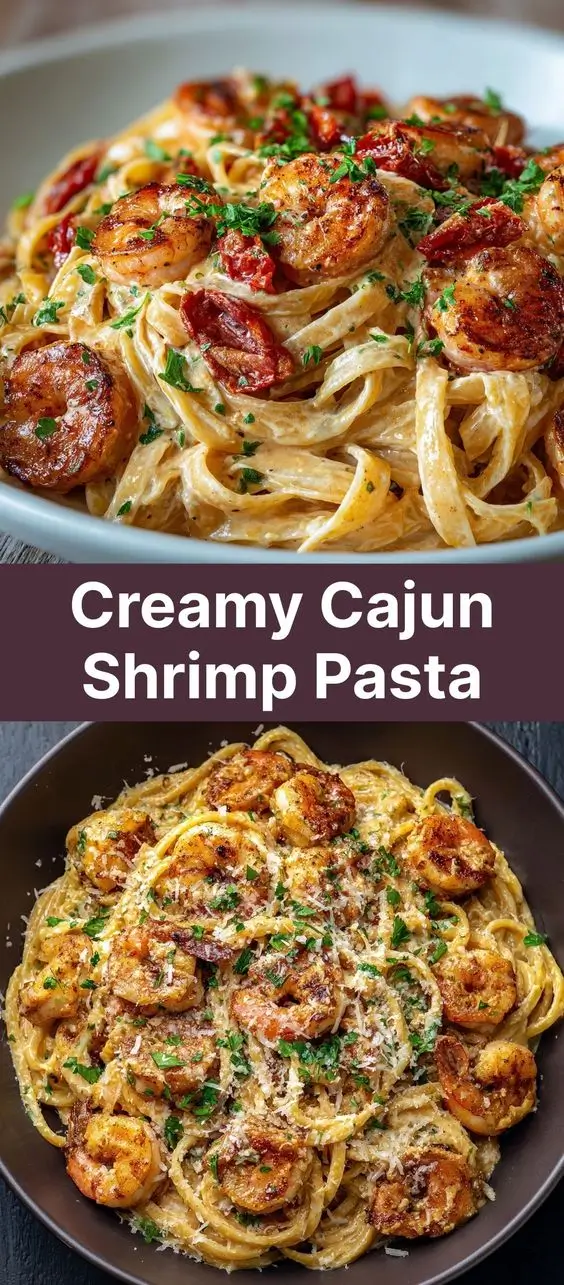
Creamy Cajun Shrimp Pasta is a rich, flavorful dish that combines succulent shrimp with perfectly cooked pasta in a creamy, spicy sauce infused with bold Cajun seasoning. This one-pan wonder brings together the vibrant heat of Southern Louisiana cuisine with the comforting creaminess of Italian pasta dishes, creating a fusion that’s both indulgent and satisfying. Whether you’re cooking for a weeknight dinner or impressing guests at a weekend gathering, this recipe delivers restaurant-quality results with minimal effort. Let’s dive into everything you need to know about making the ultimate Creamy Cajun Shrimp Pasta—from its cultural roots to every ingredient, technique, and variation that makes it extraordinary.
The History
The origins of Creamy Cajun Shrimp Pasta lie at the crossroads of Creole-Cajun culinary traditions and modern American fusion cooking. While traditional Cajun cuisine hails from rural Louisiana and emphasizes hearty, one-pot meals like gumbo, jambalaya, and étouffée, the concept of pairing Cajun-spiced seafood with pasta is a more recent innovation. Historically, Cajuns—descendants of French-speaking Acadians exiled from Canada in the 18th century—developed a rustic cooking style using locally available ingredients such as shellfish, sausage, rice, and the “holy trinity” of onions, celery, and bell peppers.
Over time, as American home cooks began experimenting with global flavors and convenience ingredients, chefs and food enthusiasts started incorporating creamy sauces and Italian pasta into classic Cajun recipes. The result? Dishes like Creamy Cajun Shrimp Pasta emerged in the late 20th and early 21st centuries, popularized by food blogs, social media, and cable cooking shows. Though not authentically traditional, this dish honors the spirit of Cajun cooking through its bold seasonings, love of seafood, and deep, layered flavors. Today, it stands as a beloved example of how regional cuisines can evolve and inspire new comfort food classics.
Ingredients Breakdown
To achieve the perfect balance of heat, richness, and freshness in Creamy Cajun Shrimp Pasta, each ingredient plays a crucial role. Here’s an in-depth look at what goes into this dish and why:
- Shrimp (peeled and deveined): Medium to large shrimp are ideal—they hold up well to the heat and absorb the Cajun spices beautifully. Fresh or high-quality frozen shrimp work equally well; just be sure to thaw them completely if frozen.
- Fettuccine or penne pasta: Long ribbons like fettuccine offer a luxurious mouthfeel with the creamy sauce, while tubular shapes like penne capture the sauce inside their cylinders. Both are excellent choices depending on your texture preference.
- Cajun seasoning blend: This is the soul of the dish. A good blend includes paprika, garlic powder, onion powder, cayenne pepper, black pepper, oregano, thyme, and sometimes mustard powder. You can use store-bought or make your own (recipe variations below).
- Heavy cream: Provides the luxurious base for the sauce, giving it body and smoothness. It also tempers the heat from the spices, balancing the flavor profile.
- Butter and olive oil: Butter adds richness and depth, while olive oil helps prevent burning when searing the shrimp. Using both creates a balanced fat foundation for sautéing.
- Garlic (minced): Essential for aromatic depth. Fresh garlic should be added toward the end of sautéing vegetables to avoid bitterness.
- Onion, bell pepper, and celery (the “holy trinity”): These three vegetables form the backbone of many Southern dishes. Finely diced, they add sweetness, crunch, and savory complexity.
- Chicken or vegetable broth: Enhances the overall flavor and helps deglaze the pan, lifting any browned bits and integrating them into the sauce.
- Tomato paste (optional): Adds umami depth and a slight tang, helping to round out the creaminess with a touch of acidity.
- Grated Parmesan cheese: Not traditional in authentic Cajun cooking but widely embraced in fusion versions for its salty, nutty contribution to the creamy sauce.
- Lemon juice: Brightens the dish and cuts through the richness, adding a refreshing finish.
- Chopped fresh parsley: Used for garnish, it brings color and a subtle herbal note.
- Salt and black pepper: Adjust to taste, keeping in mind that Cajun seasoning and broth may already contain salt.
Step-by-Step Recipe
- Prepare the Ingredients: Before turning on the heat, peel and devein the shrimp, pat them dry with paper towels, and season lightly with salt and a pinch of Cajun seasoning. Dice the onion, bell pepper, and celery uniformly for even cooking. Mince the garlic. Measure out all other ingredients so they’re ready to go—this is key for seamless cooking.
- Cook the Pasta: Bring a large pot of salted water to a boil. Add the pasta and cook according to package instructions until al dente. Reserve 1 cup of pasta water before draining. Then drain and set aside. Do not rinse the pasta—rinsing removes the starch needed to help the sauce cling.
- Sear the Shrimp: In a large skillet or Dutch oven over medium-high heat, combine 1 tablespoon olive oil and 1 tablespoon butter. Once the butter is melted and slightly foamy, add the seasoned shrimp in a single layer. Sear for about 1–2 minutes per side, just until pink and opaque. Avoid overcooking, as shrimp become rubbery. Remove the shrimp and set aside on a plate.
- Sauté the Vegetables: In the same skillet, add another tablespoon of butter. Reduce heat to medium. Add the diced onion, bell pepper, and celery. Cook for 5–7 minutes, stirring occasionally, until softened and fragrant. Stir in the minced garlic and cook for 30 seconds more until aromatic.
- Bloom the Seasonings: Sprinkle 2–3 tablespoons of Cajun seasoning over the vegetables (adjust based on heat preference). Stir well and cook for 1 minute to toast the spices and release their essential oils—this step enhances flavor dramatically.
- Add Tomato Paste (if using): Stir in 1 tablespoon of tomato paste and cook for another minute to deepen the flavor and eliminate raw taste.
- Create the Sauce Base: Pour in 1 cup of chicken or vegetable broth, scraping the bottom of the pan with a wooden spoon to lift any browned bits (this is called deglazing and adds incredible flavor). Let the liquid reduce slightly for 2–3 minutes.
- Incorporate Cream: Slowly pour in 1 cup of heavy cream while stirring constantly. Bring the mixture to a gentle simmer—do not boil rapidly, as cream can separate. Allow it to thicken slightly for 3–4 minutes.
- Add Cheese and Lemon: Stir in ½ cup grated Parmesan cheese until melted and smooth. Squeeze in the juice of half a lemon. Taste and adjust seasoning—add more salt, pepper, or Cajun spice as desired.
- Combine Everything: Return the cooked shrimp to the skillet. Add the drained pasta and toss thoroughly to coat every strand or piece with the creamy sauce. If the sauce is too thick, gradually add reserved pasta water, one tablespoon at a time, until the desired consistency is reached.
- Finish and Serve: Remove from heat. Garnish generously with chopped fresh parsley. Optionally, top with extra Parmesan, red pepper flakes, or a lemon wedge for presentation.
Tips
- Don’t Overcook the Shrimp: Shrimp cook quickly—usually 2–3 minutes total. Remove them from the pan as soon as they turn pink and curl into a ‘C’ shape. Overcooked shrimp become tough and chewy.
- Use High-Quality Cajun Seasoning: The flavor of the entire dish hinges on the seasoning. Consider making your own blend to control salt levels and heat intensity.
- Reserve Pasta Water: The starchy water is gold—it helps emulsify the sauce and bind it to the pasta. Never skip this step.
- Control the Heat: Keep the flame at medium when simmering the cream to prevent curdling. Low and slow wins the race here.
- Bloom the Spices: Cooking the Cajun seasoning with the vegetables for a full minute unlocks deeper, more complex flavors than simply stirring it in later.
- Prep Ahead: Chop all vegetables and measure ingredients before starting. This dish moves fast once you begin cooking.
- Balance the Richness: A squeeze of lemon juice at the end brightens the dish and prevents it from feeling overly heavy. Don’t underestimate its importance.
- Let It Rest: Allow the dish to sit for 2–3 minutes after mixing. This lets the pasta absorb some sauce and improves texture.
Variations and Customizations
Creamy Cajun Shrimp Pasta is highly adaptable. Here are several creative ways to customize it to suit dietary needs, preferences, or seasonal ingredients:
- Protein Swap: Replace shrimp with grilled chicken, andouille sausage, crawfish, scallops, or even tofu for a vegetarian version.
- Dairy-Free Option: Use coconut cream instead of heavy cream and nutritional yeast in place of Parmesan. Opt for dairy-free butter alternatives.
- Gluten-Free Version: Use gluten-free pasta (such as brown rice or chickpea-based) and ensure your Cajun seasoning is certified gluten-free (some blends contain fillers).
- Add More Veggies: Toss in spinach, sun-dried tomatoes, mushrooms, zucchini, or roasted red peppers for added nutrition and color.
- Spice Level Control: For a milder version, reduce or omit cayenne from the seasoning. For extra heat, add sliced jalapeños, hot sauce (like Crystal or Tabasco), or crushed red pepper flakes.
- Smoky Twist: Add a ½ teaspoon of smoked paprika to deepen the flavor profile and give the dish a campfire-like aroma.
- Herb Variations: Swap parsley for fresh thyme, chives, or green onions. A dash of tarragon can also add an elegant, slightly licorice-like note.
- Wine-Infused Sauce: Deglaze the pan with ¼ cup of dry white wine (like Sauvignon Blanc or Pinot Grigio) before adding broth for a more sophisticated flavor dimension.
- Low-Carb/Keto Version: Substitute pasta with spiralized zucchini (zoodles), shirataki noodles, or spaghetti squash. Increase cream and cheese slightly to compensate for reduced starch.
- Creamier Texture: Blend part of the sauce with an immersion blender before adding pasta for a silkier consistency.
Health Considerations and Nutritional Value
While Creamy Cajun Shrimp Pasta is undeniably rich and indulgent, it can still fit into a balanced diet when enjoyed in moderation and with mindful adjustments. Here’s a breakdown of its nutritional aspects:
- Shrimp: Low in calories and high in protein, shrimp provide essential nutrients like selenium, vitamin B12, phosphorus, and omega-3 fatty acids. They are also low in saturated fat.
- Pasta: A source of carbohydrates, which fuel energy. Whole wheat or legume-based pastas increase fiber and protein content significantly.
- Heavy Cream: High in saturated fat and calories. A 1-cup serving contains around 800 calories and 88g of fat. For lighter versions, consider half-and-half, whole milk, or evaporated milk—but expect a thinner sauce.
- Cajun Seasoning: Typically low in calories but can be high in sodium. Check labels or make your own to reduce salt intake, especially for those managing hypertension.
- Vegetables (onion, pepper, celery): Add fiber, vitamins A and C, and antioxidants with minimal calories.
- Butter and Oil: Contribute healthy fats in moderation but should be limited for heart-healthy diets.
Nutritional Estimate (per serving, serves 4):
Calories: ~650 | Protein: 30g | Fat: 38g (Saturated Fat: 20g) | Carbohydrates: 48g | Fiber: 4g | Sugar: 5g | Sodium: ~900mg (varies based on seasoning and broth)
For a healthier version: Use whole grain pasta, reduce cream amount and replace half with low-sodium broth or milk, limit cheese, and increase vegetables. Grill the shrimp instead of sautéing in butter to cut fat.
Ingredients
- 1 lb (450g) large shrimp, peeled and deveined
- 12 oz (340g) fettuccine or penne pasta
- 3 tbsp Cajun seasoning (store-bought or homemade)
- 2 tbsp unsalted butter (divided)
- 2 tbsp olive oil (divided)
- 1 medium yellow onion, diced
- 1 bell pepper (red or green), diced
- 2 stalks celery, diced
- 4 cloves garlic, minced
- 1 tbsp tomato paste (optional)
- 1 cup low-sodium chicken or vegetable broth
- 1 cup heavy cream
- ½ cup grated Parmesan cheese
- Juice of ½ lemon
- Salt and black pepper to taste
- ¼ cup chopped fresh parsley (plus extra for garnish)
- Reserved pasta water (about 1 cup)
Directions
- Season shrimp with 1 tsp salt and 1 tbsp Cajun seasoning. Set aside.
- Bring a large pot of salted water to a boil. Cook pasta until al dente. Reserve 1 cup of pasta water, then drain and set aside.
- In a large skillet over medium-high heat, warm 1 tbsp olive oil and 1 tbsp butter. Add shrimp in a single layer and sear for 1–2 minutes per side until pink and curled. Remove and set aside.
- In the same skillet, add remaining 1 tbsp butter. Lower heat to medium. Add onion, bell pepper, and celery. Sauté 5–7 minutes until soft.
- Stir in garlic and cook 30 seconds. Add 2 tbsp Cajun seasoning and tomato paste (if using). Cook 1 minute to bloom spices.
- Pour in broth and scrape up browned bits. Simmer 2–3 minutes to reduce slightly.
- Slowly stir in heavy cream. Bring to a gentle simmer and cook 3–4 minutes until slightly thickened.
- Add Parmesan cheese and lemon juice. Stir until smooth. Taste and adjust seasoning.
- Return shrimp to the skillet. Add cooked pasta and toss to coat. Add reserved pasta water as needed to loosen sauce.
- Remove from heat. Stir in chopped parsley. Garnish with extra Parmesan, lemon wedges, or red pepper flakes if desired.
- Serve immediately.
FAQ
Can I make this ahead of time?
Yes, but it’s best served fresh. You can prep ingredients (chop veggies, season shrimp) up to 24 hours in advance and store separately in the fridge. Reheat leftovers gently on the stove with a splash of broth or cream to revive the sauce.
Can I freeze Creamy Cajun Shrimp Pasta?
Not recommended. Dairy-based sauces tend to separate when frozen and thawed. The shrimp may also become mushy. Best enjoyed within 2–3 days refrigerated.
Why did my sauce break or curdle?
High heat or rapid boiling can cause cream to curdle. Always simmer gently and avoid boiling vigorously. Adding acid (lemon juice) too early can also destabilize the cream—add it at the end.
What can I serve with this dish?
Pair with a crisp green salad, garlic bread, or steamed asparagus. For a complete Southern spread, serve alongside cornbread or collard greens.
Is this dish spicy?
It depends on the Cajun seasoning used. Traditional blends range from mild to hot. Adjust the amount or choose a “mild” version for kids or sensitive palates.
Can I use pre-cooked shrimp?
Yes, but add them at the very end just to warm through. Overheating will make them tough.
Can I make it vegan?
Absolutely! Use plant-based shrimp (available in some stores), coconut cream, vegan butter, nutritional yeast, and vegetable broth. Skip the Parmesan or use a vegan alternative.
Summary
Creamy Cajun Shrimp Pasta is a luxurious fusion dish that marries bold Southern spices with rich Italian-inspired cream sauce and tender shrimp over perfectly cooked pasta. Easy to prepare in one pan and endlessly customizable, it’s a show-stopping meal that satisfies cravings for comfort, heat, and elegance—all in one bite.