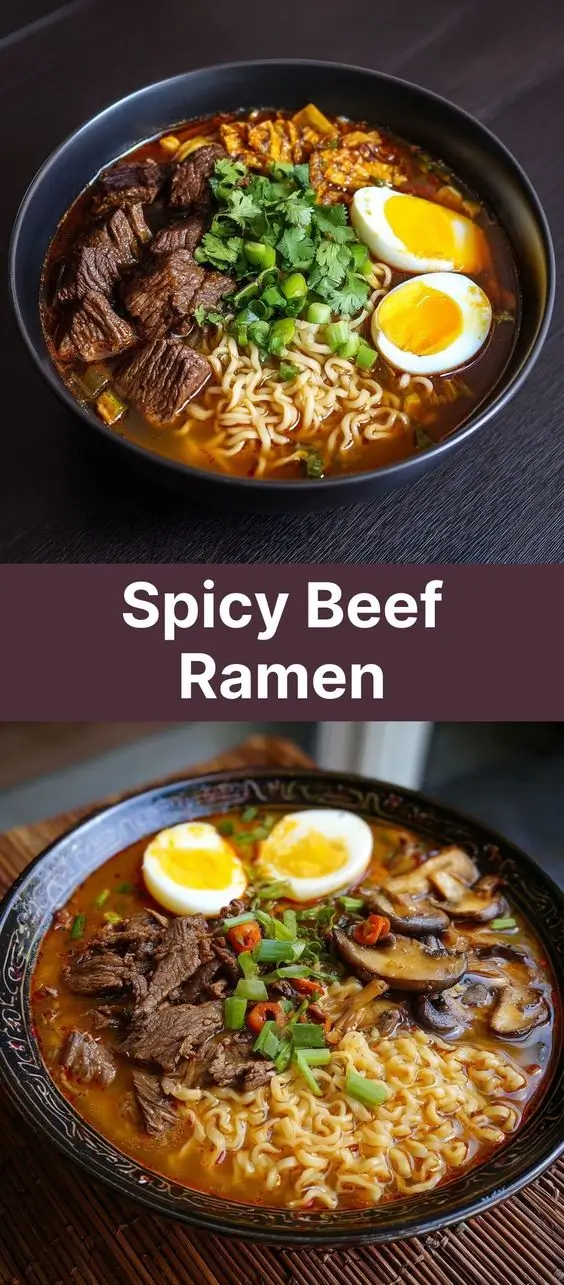
Spicy Beef Ramen: A Bold, Hearty Bowl of Comfort and Heat
When it comes to comfort food with a kick, few dishes can rival the rich, savory depth and fiery warmth of Spicy Beef Ramen. Originating from Japan but heavily influenced by global flavors—particularly Korean and Sichuan Chinese cuisine—this modern ramen variation has taken the culinary world by storm. Whether you’re curled up on a cold winter night or need a midday pick-me-up, this steaming bowl of spicy beef ramen delivers bold umami, tender meat, springy noodles, and just enough heat to make your taste buds sing. In this comprehensive guide, we’ll walk you through every aspect of crafting the perfect bowl—from its fascinating history and key ingredients to detailed cooking instructions, health insights, variations, and frequently asked questions.
The History of Spicy Beef Ramen
Ramen itself traces its roots back to early 20th-century Japan, where Chinese wheat noodle soups evolved into a uniquely Japanese staple. Traditional ramen styles like shoyu (soy-based), miso, and tonkotsu (pork bone broth) dominated for decades. However, in the late 1990s and early 2000s, globalization and increased exposure to international cuisines led to bolder, spicier interpretations.
Spicy beef ramen emerged as a fusion favorite, combining the slow-simmered richness of Japanese broths with the chili-laden profiles of Korean gochujang, Chinese doubanjiang, and Southeast Asian sambal. The use of beef—rather than pork—was inspired partly by halal dietary needs, regional preferences (especially in Korea and parts of Southeast Asia), and a desire for leaner protein alternatives. Today, spicy beef ramen is celebrated in trendy ramen bars across Tokyo, Seoul, Los Angeles, and New York, often featuring house-made chili oils, fermented pastes, and premium cuts of beef like brisket or short rib.
Ingredients Breakdown: What Makes This Ramen So Special?
The magic of spicy beef ramen lies in layering complex flavors—umami, heat, salt, sweetness, and aroma. Each ingredient plays a critical role in building depth and balance:
- Beef (Brisket or Flank Steak): Tender, marbled cuts that become melt-in-your-mouth after slow simmering. Brisket adds richness, while flank offers a leaner chew.
- Ramen Noodles: Fresh or dried alkaline wheat noodles with a firm, springy texture. They hold up well in hot broth and absorb flavors beautifully.
- Broth Base: A combination of beef bones, onions, garlic, ginger, and kombu (dried kelp) creates a deep, savory foundation. Some recipes add chicken stock for complexity.
- Chili Oil or Paste: Gochujang (Korean fermented chili paste), doubanjiang (Sichuan broad bean paste), or homemade chili oil infused with Sichuan peppercorns bring both heat and umami.
- Soy Sauce & Mirin: For saltiness and subtle sweetness. Tamari can be used for gluten-free versions.
- Fresh Aromatics: Green onions, garlic, fresh ginger, and sometimes lemongrass or Thai chilies elevate the fragrance.
- Toppings: Soft-boiled eggs (ajitsuke tamago), nori (seaweed), bean sprouts, corn, bamboo shoots, scallions, sesame seeds, and pickled vegetables add texture and contrast.
- Umami Boosters: Fish sauce, MSG (optional), dried shiitake mushrooms, or bonito flakes intensify the savory punch.
Step-by-Step Recipe: How to Make Spicy Beef Ramen at Home
Yield: 4 servings
Prep Time: 30 minutes
Cook Time: 2 hours (mostly simmering)
Total Time: 2 hours 30 minutes
Ingredients
- 1.5 lbs (700g) beef brisket or flank steak, cut into large chunks
- 8 cups (2L) water or beef/chicken stock
- 1 large onion, halved and charred
- 4 cloves garlic, smashed
- 1-inch piece ginger, sliced
- 1 piece kombu (about 4 inches)
- 3 tbsp soy sauce
- 1 tbsp mirin
- 2–3 tbsp gochujang (adjust to heat preference)
- 1 tbsp doubanjiang (optional, for extra spice)
- 2 tbsp neutral oil (like vegetable or canola)
- 4 portions ramen noodles (fresh or dried)
- 4 soft-boiled eggs (6-minute eggs, marinated in soy-mirin mix)
- 1 cup bean sprouts, blanched
- 4 green onions, thinly sliced
- 4 sheets nori (roasted seaweed)
- 1 tsp toasted sesame seeds
- Chili oil or crispy garlic (for garnish)
- Optional: corn kernels, bamboo shoots, spinach, kimchi
Directions
- Prepare the Broth: In a large stockpot, combine water or stock, beef chunks, onion, garlic, ginger, and kombu. Bring to a gentle boil, then reduce to a low simmer. Skim off any foam or impurities that rise to the surface.
- Simmer the Beef: Cover and simmer for 1.5 to 2 hours until the beef is fork-tender. If using flank steak, reduce time to 45–60 minutes to avoid overcooking.
- Strain and Shred: Remove the beef and set aside. Strain the broth through a fine-mesh sieve; discard solids. Shred the beef into bite-sized pieces, discarding excess fat or gristle.
- Build Flavor: Return the strained broth to the pot. Stir in soy sauce, mirin, gochujang, and doubanjiang. Simmer gently for 10–15 minutes to meld flavors. Taste and adjust seasoning—add more chili paste for heat, soy for salt, or a pinch of sugar for balance.
- Cook Noodles: In a separate pot, cook ramen noodles according to package instructions (usually 2–4 minutes). Drain and rinse briefly under cold water to stop cooking if not serving immediately.
- Assemble Bowls: Place a portion of cooked noodles in each deep bowl. Ladle in the hot spicy broth, ensuring generous coverage. Arrange shredded beef, a halved soft-boiled egg, bean sprouts, green onions, nori, and any additional toppings.
- Garnish and Serve: Drizzle with extra chili oil, sprinkle with sesame seeds and crispy garlic. Serve immediately while piping hot.
Tips for the Perfect Spicy Beef Ramen
- Char the Aromatics: Lightly charring the onion and roasting garlic before adding them to the broth enhances sweetness and smokiness.
- Skim the Broth: Removing impurities during simmering results in a cleaner, clearer broth.
- Marinate the Eggs: For ajitsuke tamago, marinate soft-boiled eggs in a mix of 3 parts soy sauce to 2 parts mirin (and 1 part water) for 4–12 hours in the fridge.
- Make Ahead Broth: The broth tastes even better the next day. Store it in the fridge for up to 4 days or freeze for 3 months.
- Control the Heat: Start with less chili paste and add gradually. You can always increase the spice, but you can’t take it away!
- Noodle Texture: Avoid overcooking. Al dente ramen holds up better in hot broth.
- Layer Toppings Strategically: Place delicate items like nori and herbs on top so they retain texture and color.
Variations and Customizations
Spicy beef ramen is highly adaptable. Here are some creative twists to try:
- Korean-Inspired: Use gochujang as the primary spice, add kimchi, and top with bulgogi-style marinated beef.
- Sichuan Style: Incorporate Sichuan peppercorns for “ma la” (numbing spice), use doubanjiang, and finish with chili oil and crushed peanuts.
- Vegetarian Option: Swap beef for mushrooms (shiitake or oyster), use vegetable broth, and boost umami with miso paste and soy sauce.
- Gluten-Free: Use tamari instead of soy sauce and serve with rice noodles or gluten-free ramen.
- Dairy-Free: All standard ingredients are naturally dairy-free, making this dish suitable for lactose-intolerant diets.
- Low-Carb/Keto: Replace noodles with spiralized zucchini or shirataki noodles. Increase healthy fats with avocado slices or extra chili oil.
- Extra Rich Version: Add a spoonful of miso butter (miso + butter) just before serving for a creamy, velvety finish.
Health Considerations and Nutritional Value
While undeniably delicious, spicy beef ramen should be enjoyed mindfully due to its sodium and fat content. Here’s a breakdown per serving (approximate):
- Calories: 550–700 kcal
- Protein: 30–40g (excellent source from beef and egg)
- Fat: 20–30g (varies with cut of beef and oil usage)
- Carbohydrates: 45–60g (mainly from noodles)
- Sodium: 1200–1800mg (high due to soy sauce, miso, and pastes)
Health Benefits:
- Beef provides iron, zinc, and B vitamins, supporting energy metabolism and immune function.
- Chili peppers contain capsaicin, which may boost metabolism and have anti-inflammatory properties.
- Ginger and garlic offer natural antioxidants and digestive benefits.
- Fermented ingredients like gochujang support gut health with probiotics.
Health Tips:
- Use low-sodium soy sauce or coconut aminos to reduce salt.
- Choose lean beef cuts and skim fat from the broth.
- Increase vegetable content with spinach, bok choy, or broccoli.
- Limited consumption recommended for individuals with hypertension or acid reflux due to high spice and sodium levels.
Frequently Asked Questions (FAQ)
Q: Can I use ground beef instead of brisket?
A: Yes, though the texture and richness will differ. Brown the ground beef first, then simmer in broth with aromatics. It’s quicker but less traditional.
Q: Is spicy beef ramen gluten-free?
A: Not by default, as ramen noodles and soy sauce contain wheat. Use gluten-free noodles and tamari to make it safe for celiac diets.
Q: How do I store leftovers?
A: Store broth, beef, and toppings separately. Assemble bowls fresh when reheating. Broth keeps 4 days in the fridge or 3 months frozen.
Q: Why is my broth cloudy?
A: Rapid boiling or not skimming impurities can cause cloudiness. For clear broth, simmer gently and strain carefully.
Q: Can I make this in a pressure cooker?
A: Absolutely! Use an Instant Pot to reduce beef cooking time to 45 minutes on high pressure. Quick release, then proceed with flavoring.
Q: What gives ramen its “springy” texture?
A: The use of kansui—a type of alkaline mineral water—in the noodles. It strengthens gluten and gives that signature chew.
Q: Is spicy ramen bad for digestion?
A: In moderation, no. Capsaicin can aid digestion, but excessive spice may irritate sensitive stomachs. Adjust heat to your tolerance.
Summary
Spicy Beef Ramen is a soul-warming fusion dish that blends Japanese ramen tradition with fiery global influences, resulting in a deeply flavorful, protein-rich meal bursting with umami and heat. With customizable ingredients, make-ahead ease, and endless topping possibilities, it’s a versatile favorite for home cooks and food lovers alike.